Kitesurfing Near Boats & Sailing Vessels — Safety Rules
Kitesurfing near boats isn't about hoping skippers spot you—it's about staying out of their way entirely. We'll walk you through the rules, the zones, and the split-second decisions that keep you safe.
Stay in marked kite zones, away from shipping lanes and anchorages. Scan constantly for vessel movement, wear bright colours, use a quick-release leash, and know your local maritime law. Most collisions are preventable with proper planning and respect for a boat's massive stopping distance—400+ metres for a motorboat, several kilometres for cargo ships.
01 — Physics & responsibilityWhy Boats Are More Dangerous Than You Think
A motorboat doing 20 knots can't stop in 50 metres. It can't stop in 100 metres. Try 400+. A cargo ship doing 15 knots needs several kilometres. Your kite is invisible to radar. You are a speck on a bridge wing. The moment you're in a collision path, it's already too late for them to avoid you.
We've shipped gear to riders in Tarifa, Cape Town, and the Canaries—all busy shipping zones. The ones still riding are the ones who treat every other vessel as a threat, not a curiosity. Assume the skipper doesn't see you. Assume they can't steer hard or brake suddenly. Act accordingly.
02 — Smart zone selectionReading the Water & Choosing Your Spot
Before you launch, scan the water for anchored vessels, mooring fields, and shipping lane markers. Your local port authority publishes these—check their website. Kite in the gaps, not near them. If you're riding in 12–20 knots (when most of us grab a 9 m² or 12 m²), you've got enough mobility to change course fast. Use it.
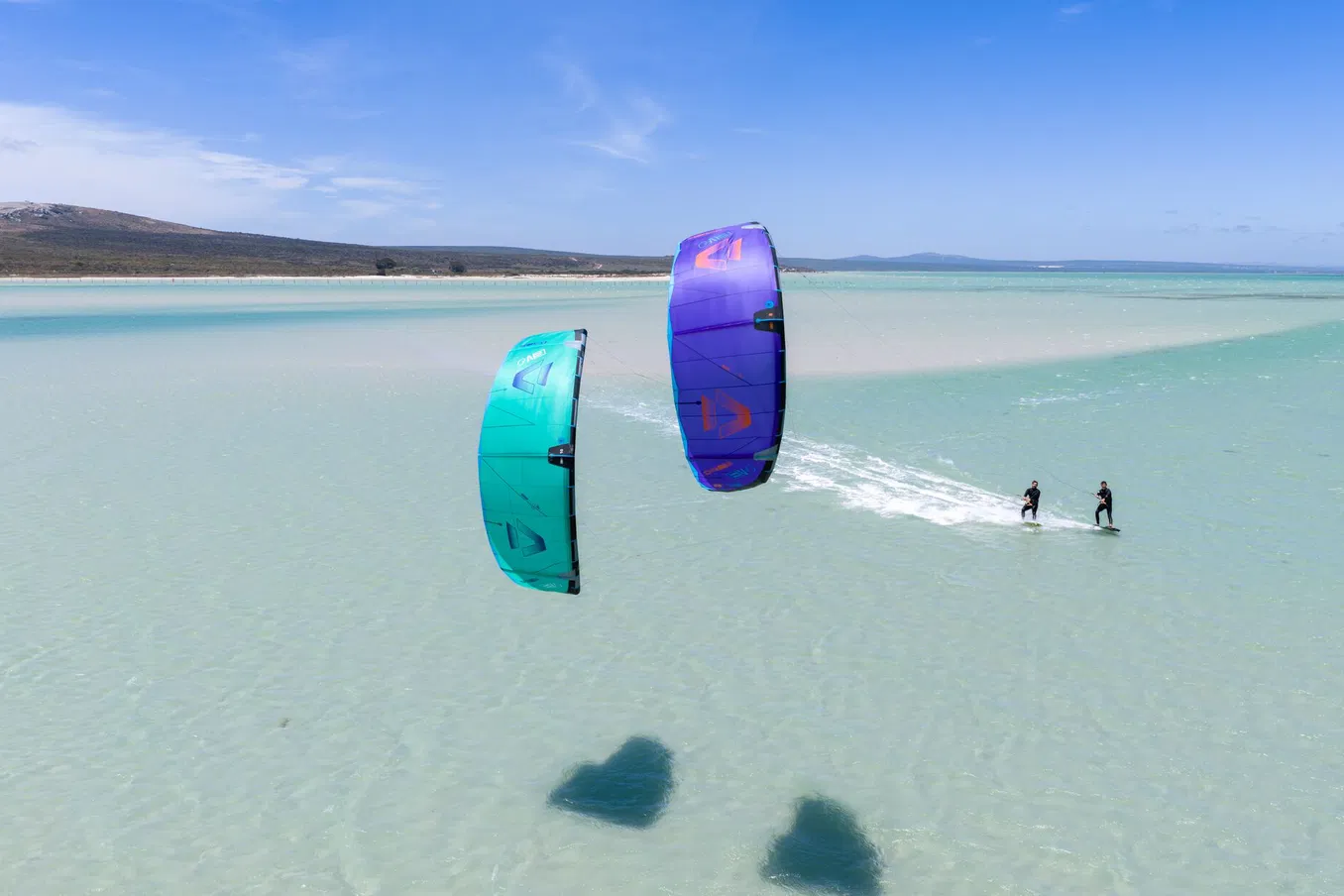
Wind direction matters. If the wind is pushing you toward traffic, find another spot. Bright clothing—neon, reflective strips on your harness—makes a difference. A Duotone or Cabrinha kite in solid colours is easier to spot than a patterned one from a wheelhouse. Use this to your advantage. And always fly a quick-release leash system. Not a safety leash—a quick release. One hard pull and you're free from the kite. That's your escape hatch.
03 — Our picksOur 4 In-Stock Picks for Controlled Conditions
When you're riding near traffic, you need a kite that responds instantly and won't surprise you mid-gust. These four Duotone designs give you precise control and predictable behaviour—crucial when you're watching the water instead of just the sky.
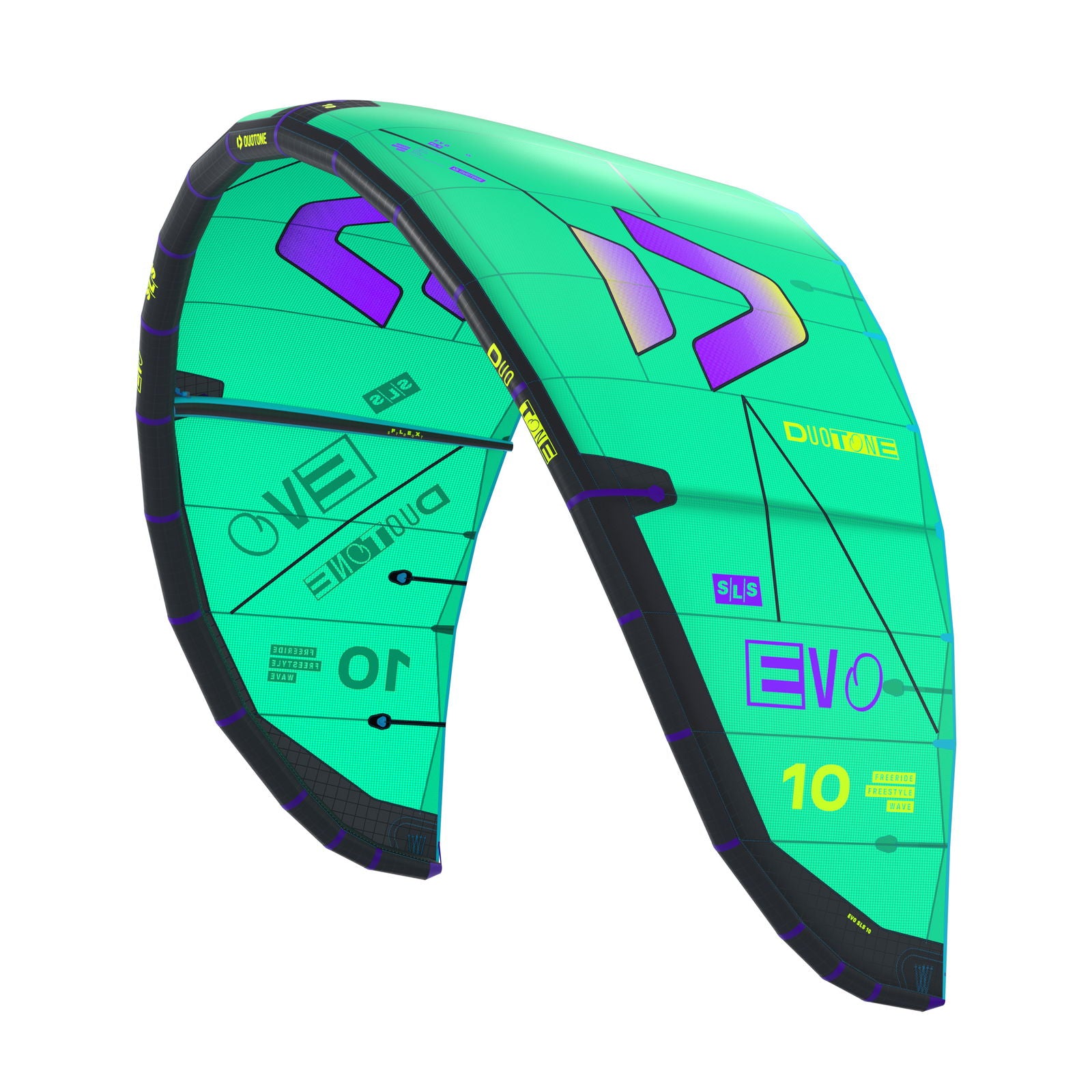
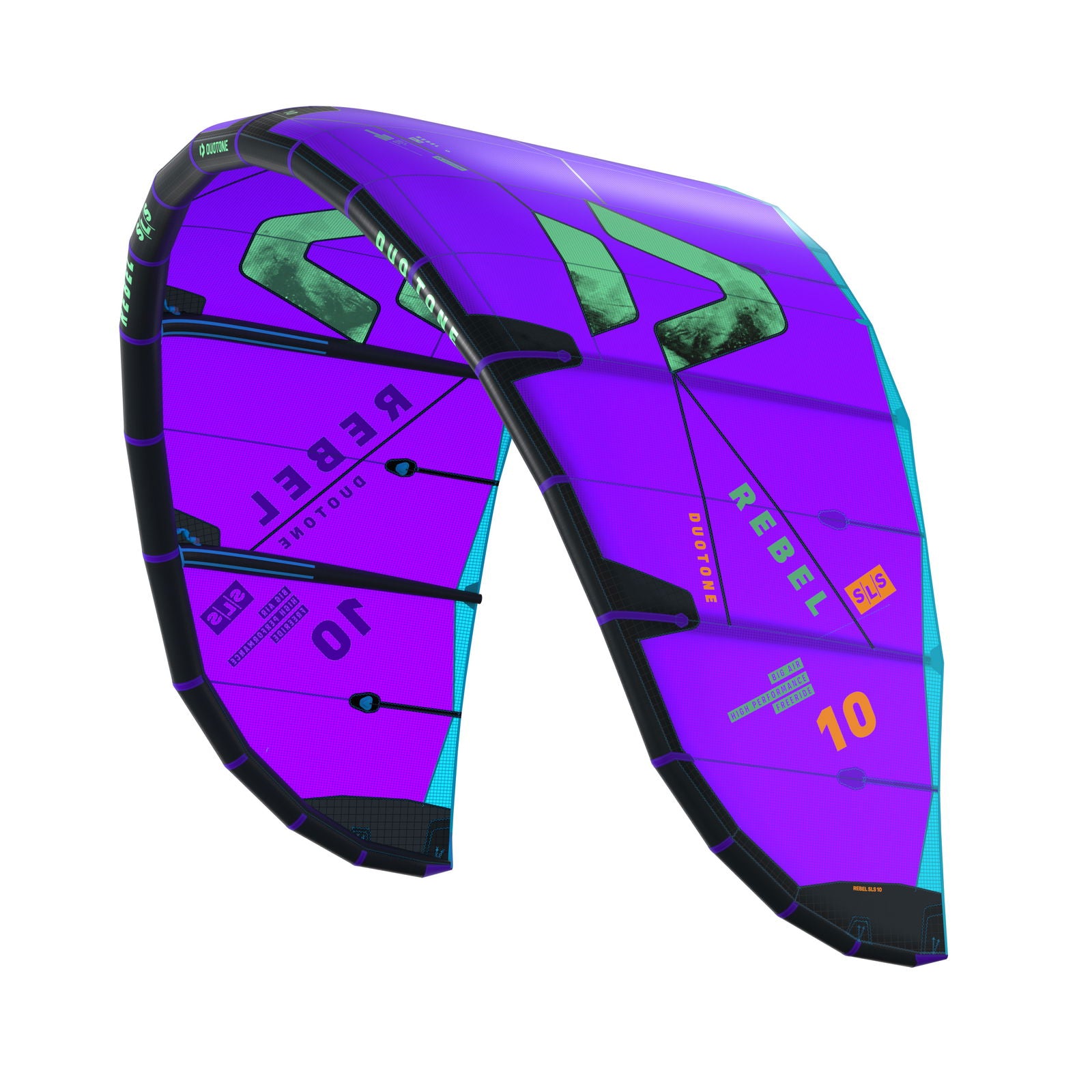
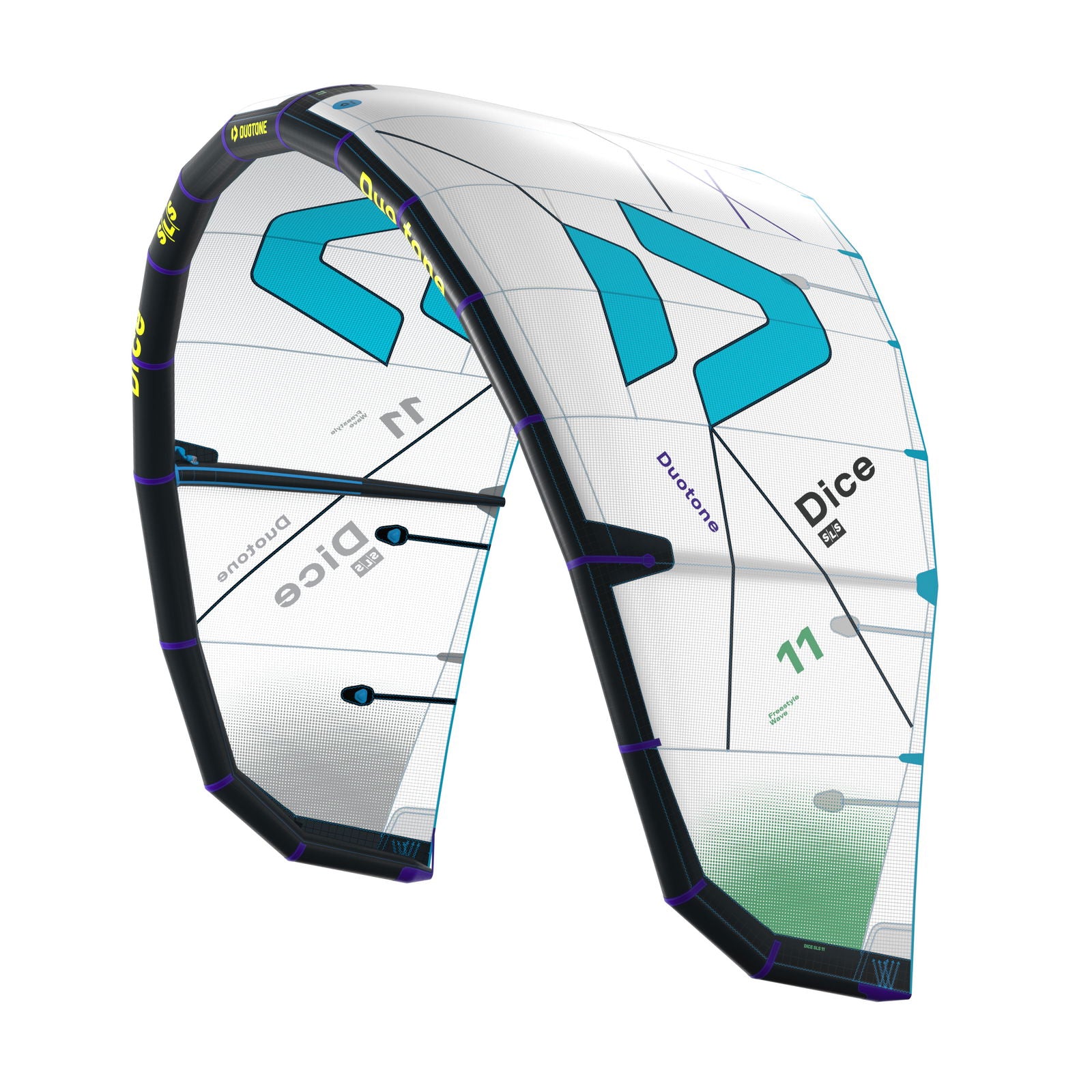
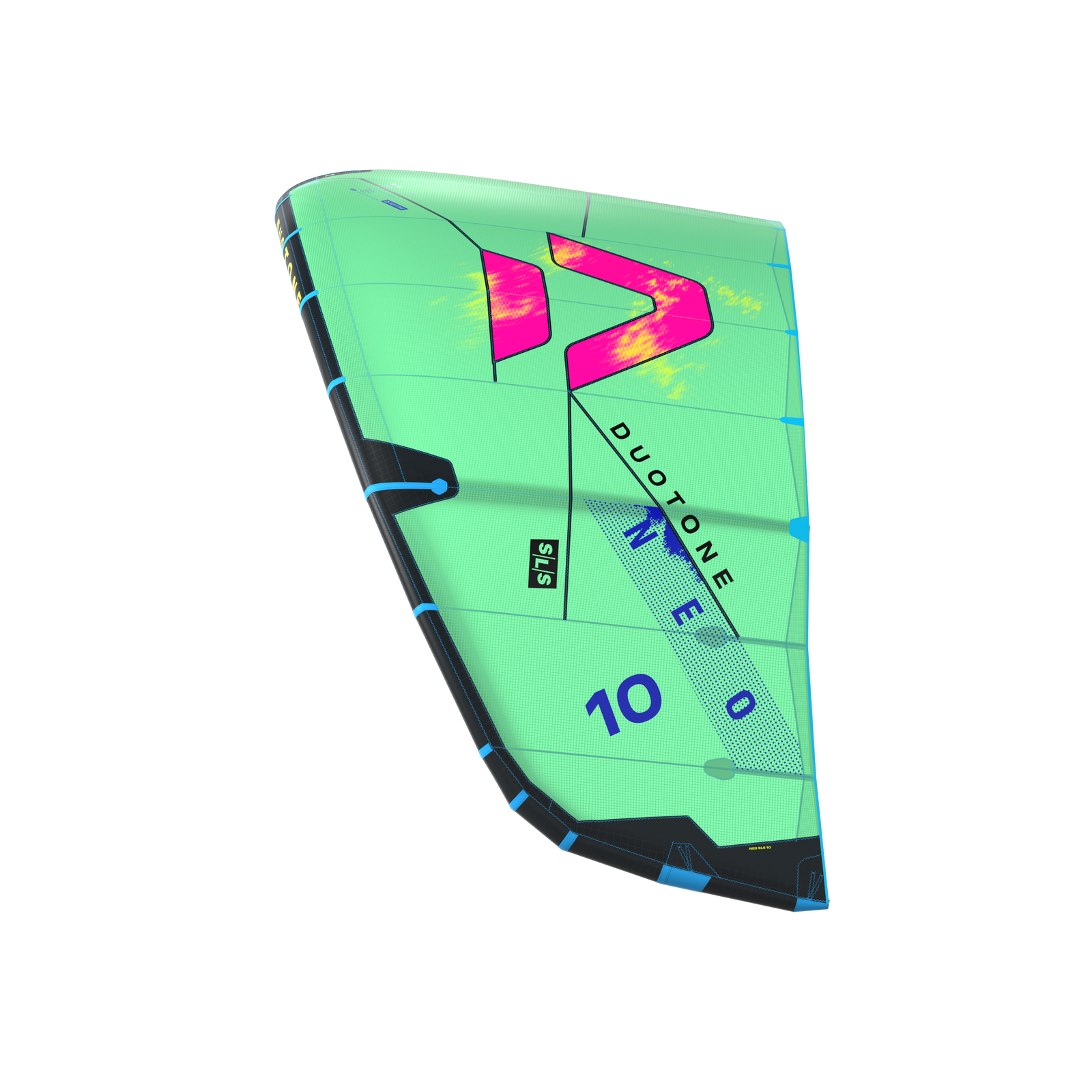
Prices and 2026 specs are pulled live from each product page. Confirm on the product page before checkout.
04 — MistakesThree mistakes we see every week
Ready to ride smart?
Browse our full range of Duotone and Cabrinha kites, boards, and safety gear—all tested in real conditions.
Frequently asked
A safety leash tethers your kite so it doesn't blow away. A quick-release leash lets you detach it instantly in an emergency. Use both: leash for normal riding, quick-release as your escape. Check product pages for compatibility.
No. Shipping lanes are off-limits. Ride in designated kite zones or in clearly open water away from established traffic routes. Your local port or kiting club has a map.
Use what matches the wind, not the location. In 12–20 knots, most riders grab a 9 m² or 12 m²—sizes that are responsive and easy to control. More control means faster reactions to threats.
Yes. Solid colours in neon or high-contrast patterns are easier to spot from a bridge than dark or heavily patterned designs. Every advantage counts when you're sharing water with commercial traffic.