Best Kites for Intermediate Riders 2026
You've landed the basics—launching, staying upwind, simple tricks. Now you want a kite that rewards sharper bar work and lets you push into handle passes and unhooked riding without demanding expert precision. We'll break down what actually separates intermediate kites from beginner gear.
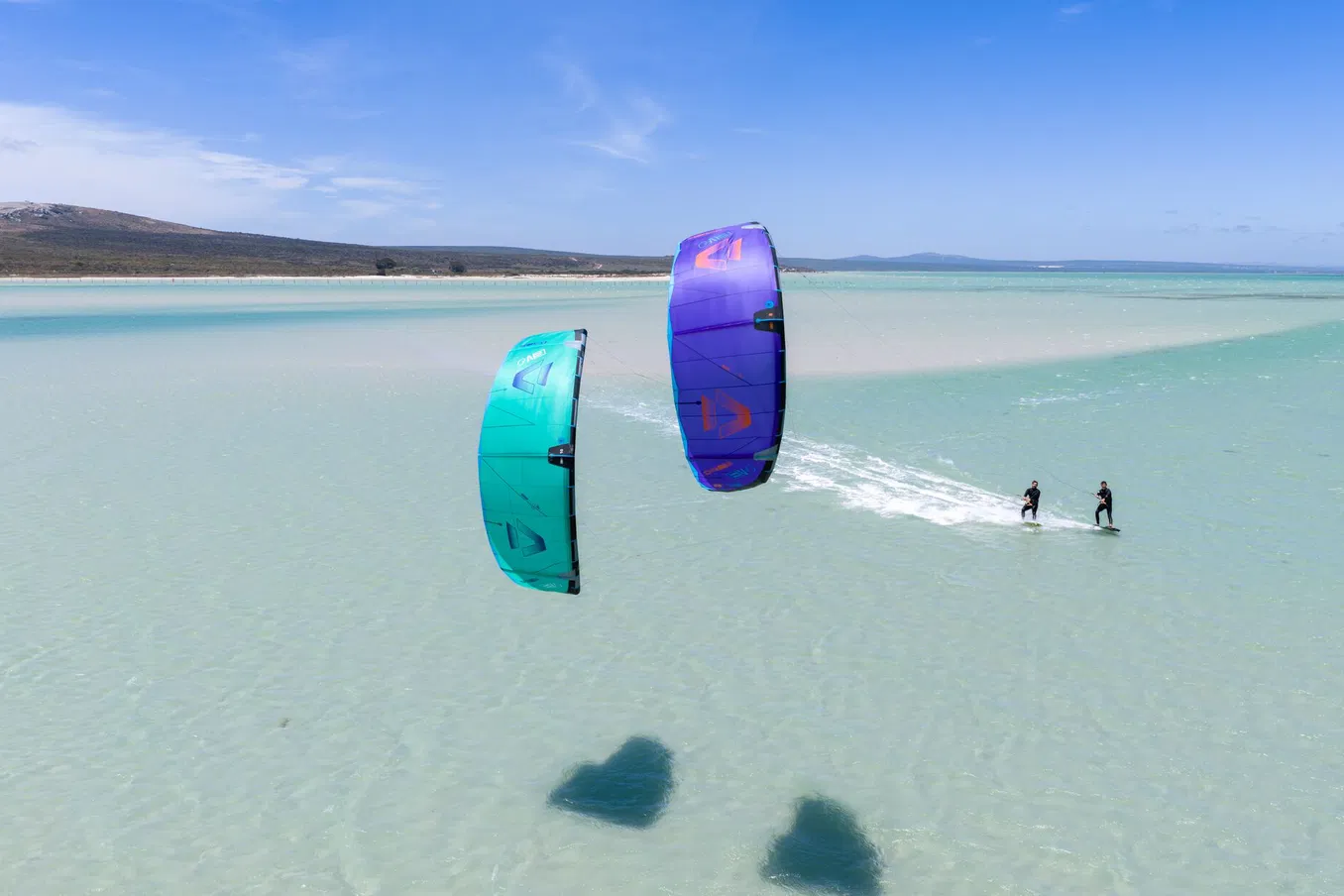
Intermediate riders need stable bar feel, variable wind tolerance, and responsive pop without demanding expert control. Look for 9–12 m² kites that handle 12–18 knots reliably. The Duotone Evo SLS and Duotone Rebel SLS both deliver—responsive, forgiving, built for progression.
01 — Bar Feel & FeedbackWhat Makes an Intermediate Kite Different
Beginner kites are sluggish—they forgive sloppy bar inputs because they move slowly through the window. Advanced kites demand razor precision; one careless yank and you're either overpowered or stalled. An intermediate kite sits in the sweet spot: it responds immediately to your bar work, but it won't punish you for small mistakes.
You'll feel the difference in how the kite edges. A beginner kite drifts. An intermediate kite snaps. That snappiness is what unlocks tricks—handle passes need the kite to pivot fast, and unhooked riding demands immediate feedback so you know exactly where your edge is in the window.
Look for kites described as having direct bar feel or responsive turning. The Duotone Rebel SLS, for example, is built around aggressive bar response without the lag you'd get from a slower design.
02 — Sizing & ConditionsWind Range and Size: Your Real Limits
Intermediate riders typically ride in 12–18 knots. That's where most spots work best—enough wind to get on the board, not so much that you're fighting to stay safe. A 9 m² works in stronger wind (15–18 knots). A 12 m² gives you range down to 12 knots and some buffer if the wind dips.
Most intermediate riders build a quiver around a 12 m²—it's your workhorse. If your local spot has consistent 15+ knot conditions, a 9 m² becomes your main. We've shipped hundreds of Duotone Neo SLS kites to riders in this range because it handles variable wind without losing response.
Never size based on what your mate rides. Your weight, your spot's wind window, and your trick ambitions all matter. A 12 m² for someone learning handle passes in Tarifa is totally different from a 12 m² in Danish lakes with gustier conditions.
03 — Our picksOur 4 In-Stock Picks
These four Duotone kites are all 2026 stock, all built for intermediate progression. Pick based on your local wind and how much aggressiveness you want in the bar.
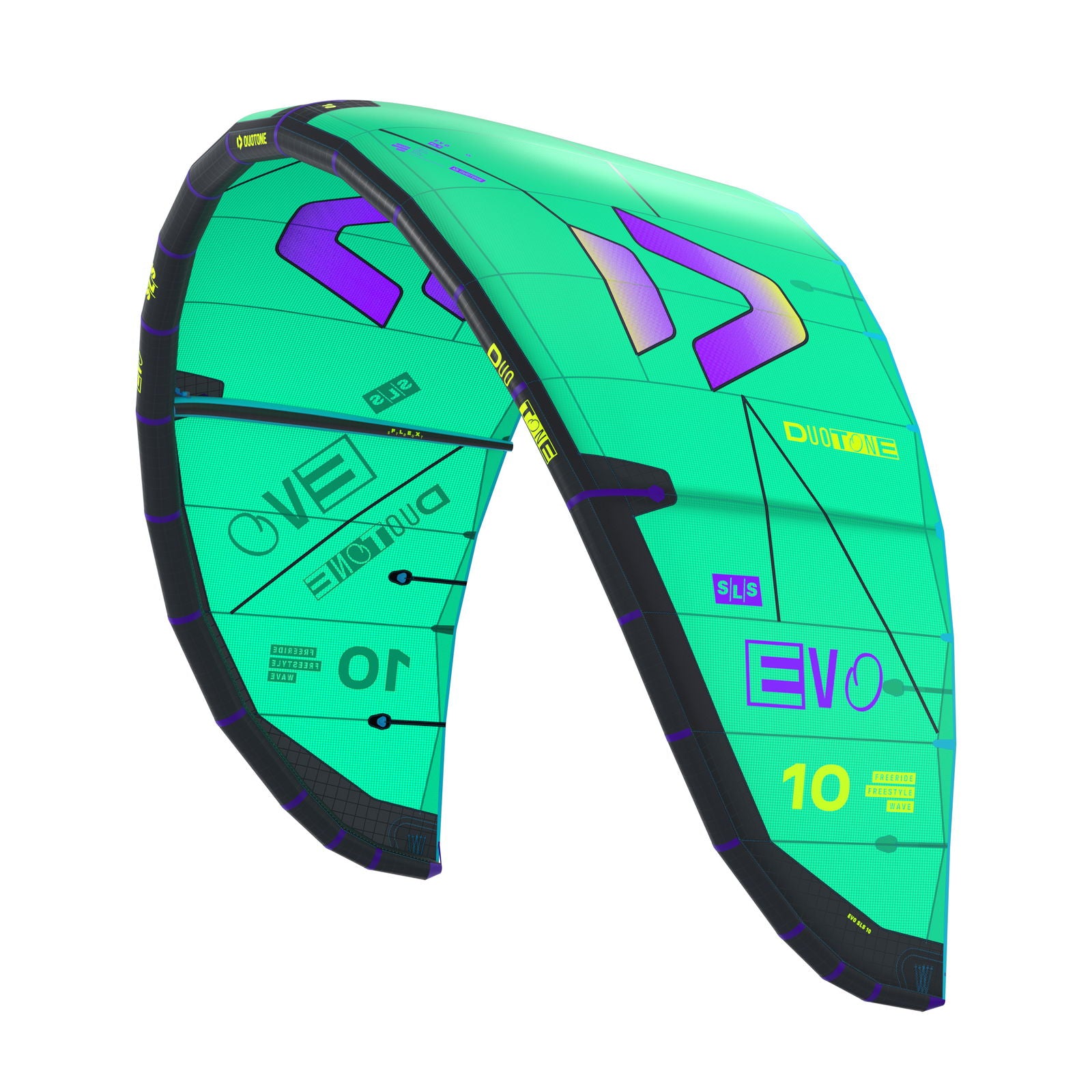
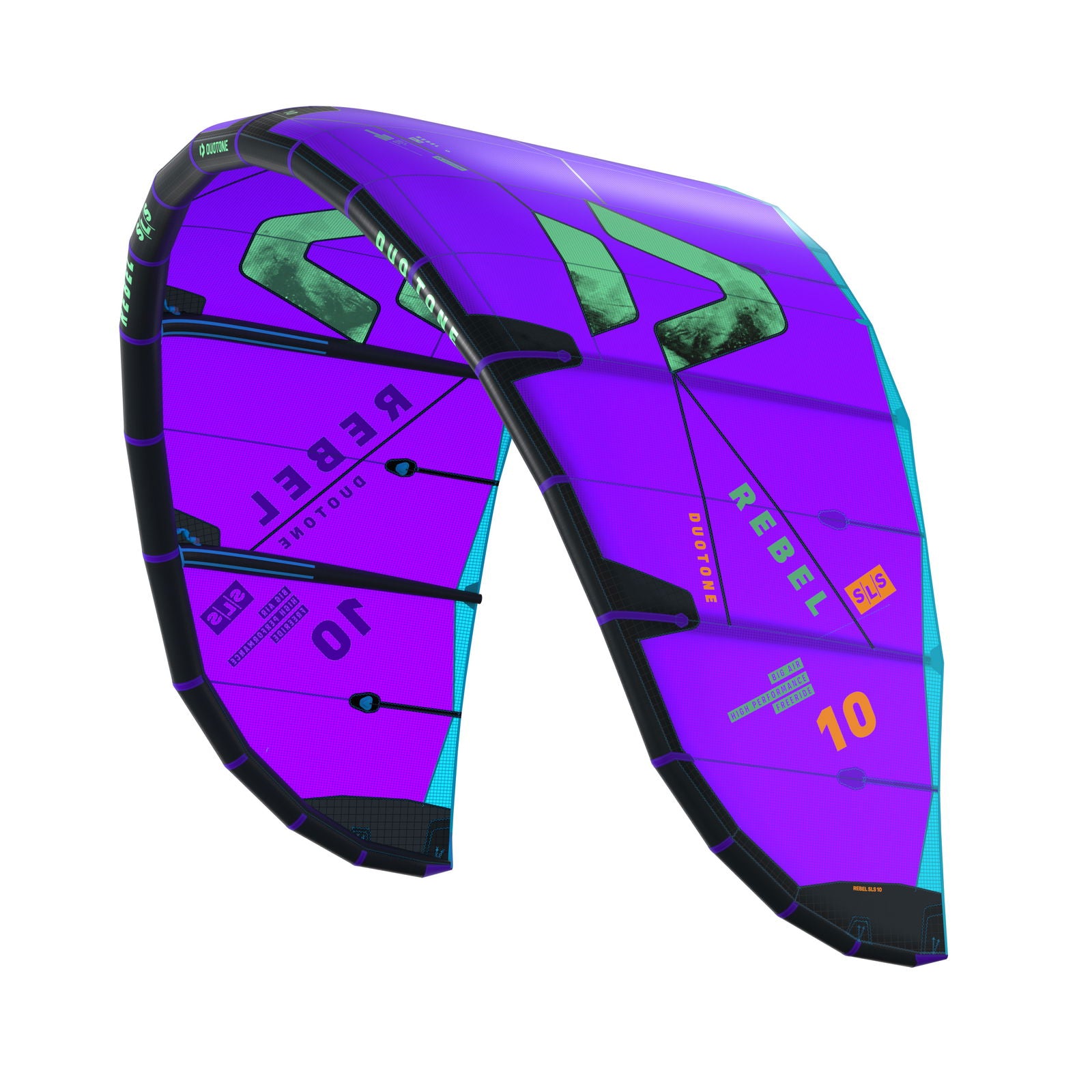
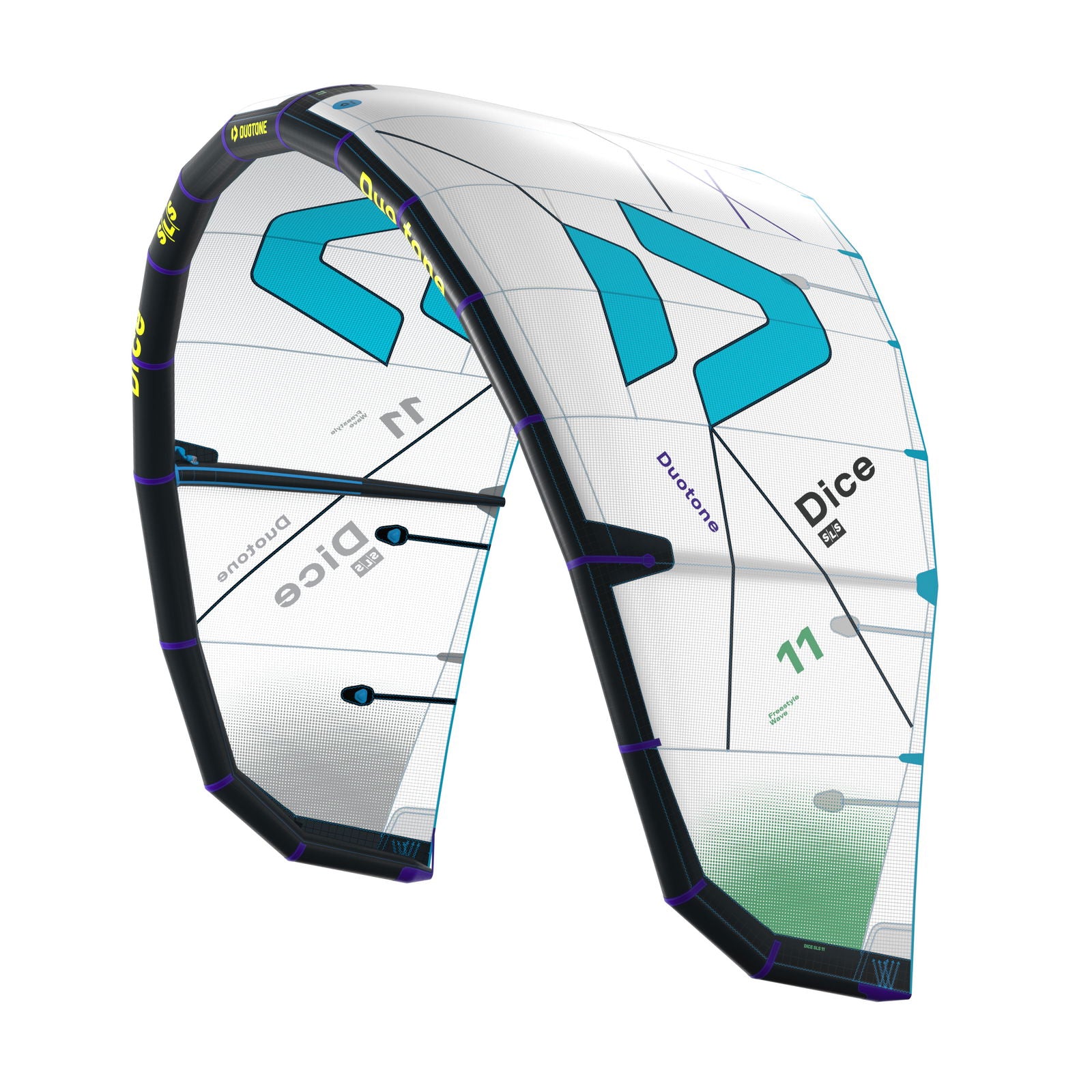
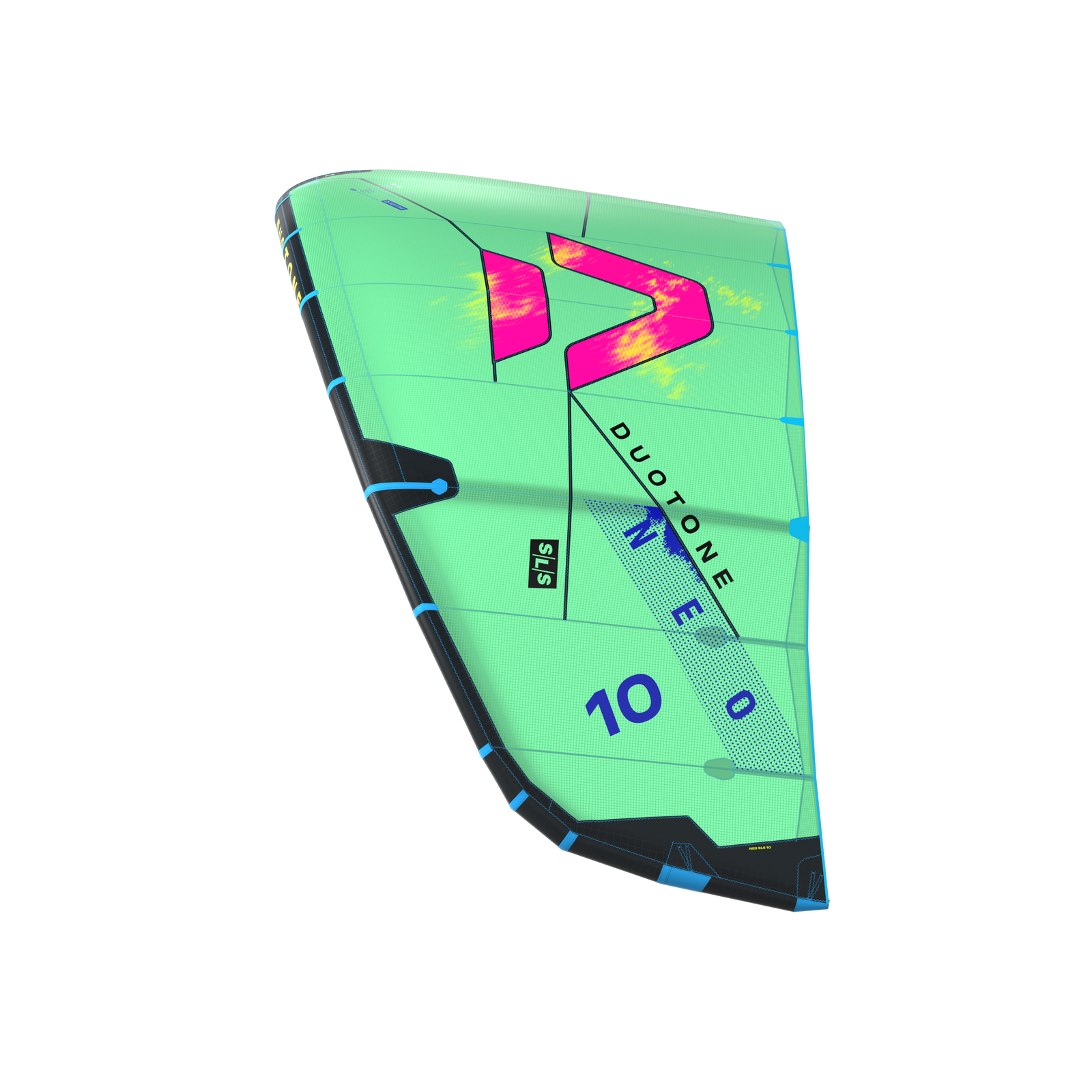
Prices and 2026 specs are pulled live from each product page. Confirm on the product page before checkout.
04 — MistakesThree mistakes we see every week
Ready to step up?
Browse our full 2026 Duotone kite range and find the size that fits your conditions.
Frequently asked
A 12 m² works in lighter wind (12–15 knots) and suits 70–85 kg riders. A 9 m² needs stronger wind (15–18 knots) and suits lighter or heavier riders in consistent wind. Most intermediates start with 12 m².
You can land simple tricks, but you'll hit a ceiling fast. Intermediate kites have the bar response and turning speed you need for handle passes and unhooked riding to feel solid.
When your current kite stops rewarding better technique—when you feel like you're fighting it instead of dancing with it. That's your signal.
We stock Duotone because we trust it after 20+ years. Cabrinha and Gaastra also make solid intermediate kites. Pick based on bar feel and where you'll ride, not brand loyalty.