Complete Kitesurfing Gear Checklist - What Equipment Do You Need?
Kitesurfing's learning curve is steep enough without buying the wrong gear. We've stocked this stuff since 2003, and we've watched beginners drop serious cash on mismatched setups that leave them frustrated on the beach. Here's the exact checklist—what you actually need, what size matters, and how to avoid the three mistakes we see every week.
You need five essentials: a kite (10–12 m² for most riders), a bar with lines, a twin-tip board, a harness, and a wetsuit. Start with one mid-range kite that handles your local wind window—something like the Duotone Evo SLS 2026—rather than chasing multiple sizes. Budget €2,500–3,500 for a solid used setup, or €4,000–5,500 new.
01 — Size & TypeThe Kite: Your Engine
The kite is where 80% of your money goes, and it's also where most beginners get it wrong. You don't need a quiver of seven kites. You need one kite that matches your weight, your local wind window, and your skill level.
If you weigh 70–85 kg and your spot runs 12–18 knots most days, a 12 m² is your sweet spot. Lighter riders (50–65 kg) or gusty coastal wind? Start with 9 m². Heavier or lighter wind? 14 m² works. The Duotone Neo SLS 2026 sits at the entry end (€1,749) and forgives mistakes; the Duotone Evo SLS 2026 (€1,919) adds precision and edge control as you progress.
Avoid anything smaller than 9 m² or larger than 14 m² until you're riding regularly. A 7 m² kite demands clean wind and solid technique. A 17 m² is a specialist tool, not a beginner's friend.
02 — The Rest of the SetupBar, Lines, Board & Harness
Your bar comes with the kite. Check that the chicken loop (the release mechanism) feels solid and the depower range is smooth—you'll be adjusting it constantly. Lines fray; replace them every 2–3 years or after a beach pounding.
Your board should be a twin-tip, 135–145 cm long and 40–43 cm wide for most riders. Wider boards forgive poor balance; narrower ones are faster but demand more edge control. Don't overthink it—any decent twin-tip will work while you're learning.
A harness keeps you tethered and distributes the kite's pull through your hips, not your arms. Spend at least €80–120 on one that fits snugly. ION and Cabrinha make solid options. A wetsuit (3/2 mm for 15°C+ water, 4/3 mm for cooler) rounds out the kit. You'll get cold faster than you think.
03 — Our picksOur 4 In-Stock Picks
These four Duotone kites cover almost every beginner and intermediate rider at almost any wind condition. Pick one based on your weight and local average wind—not colour, not brand loyalty, not FOMO.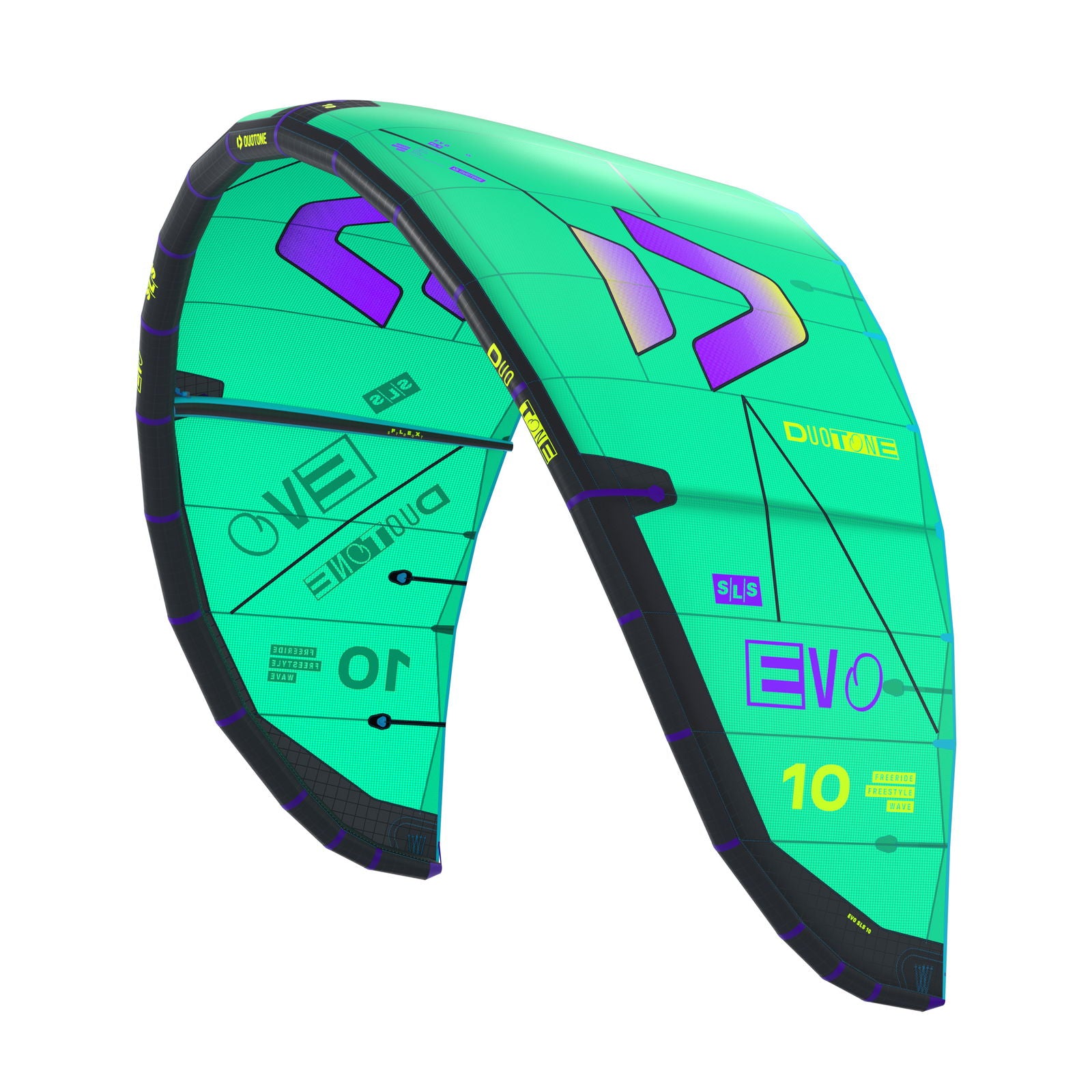
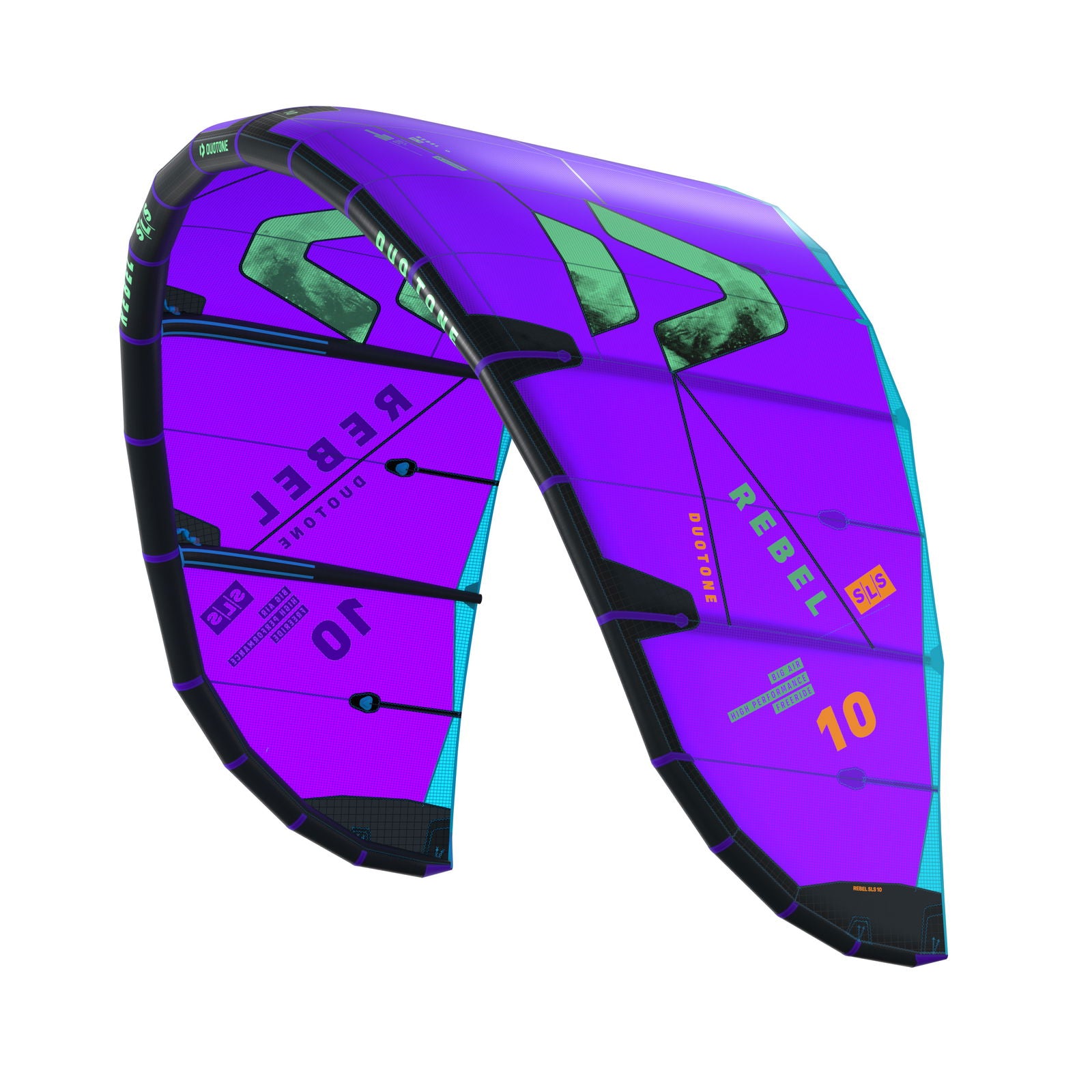
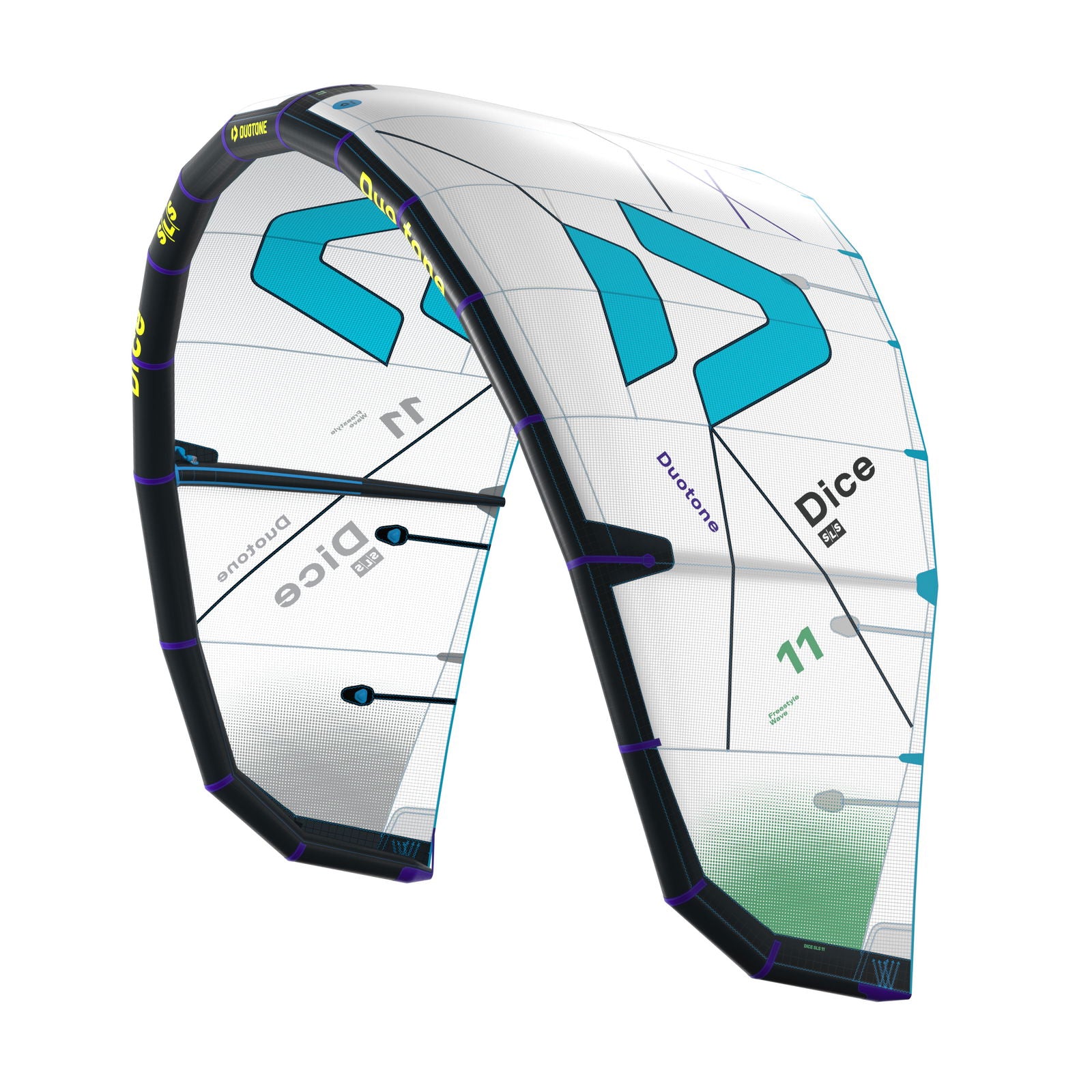
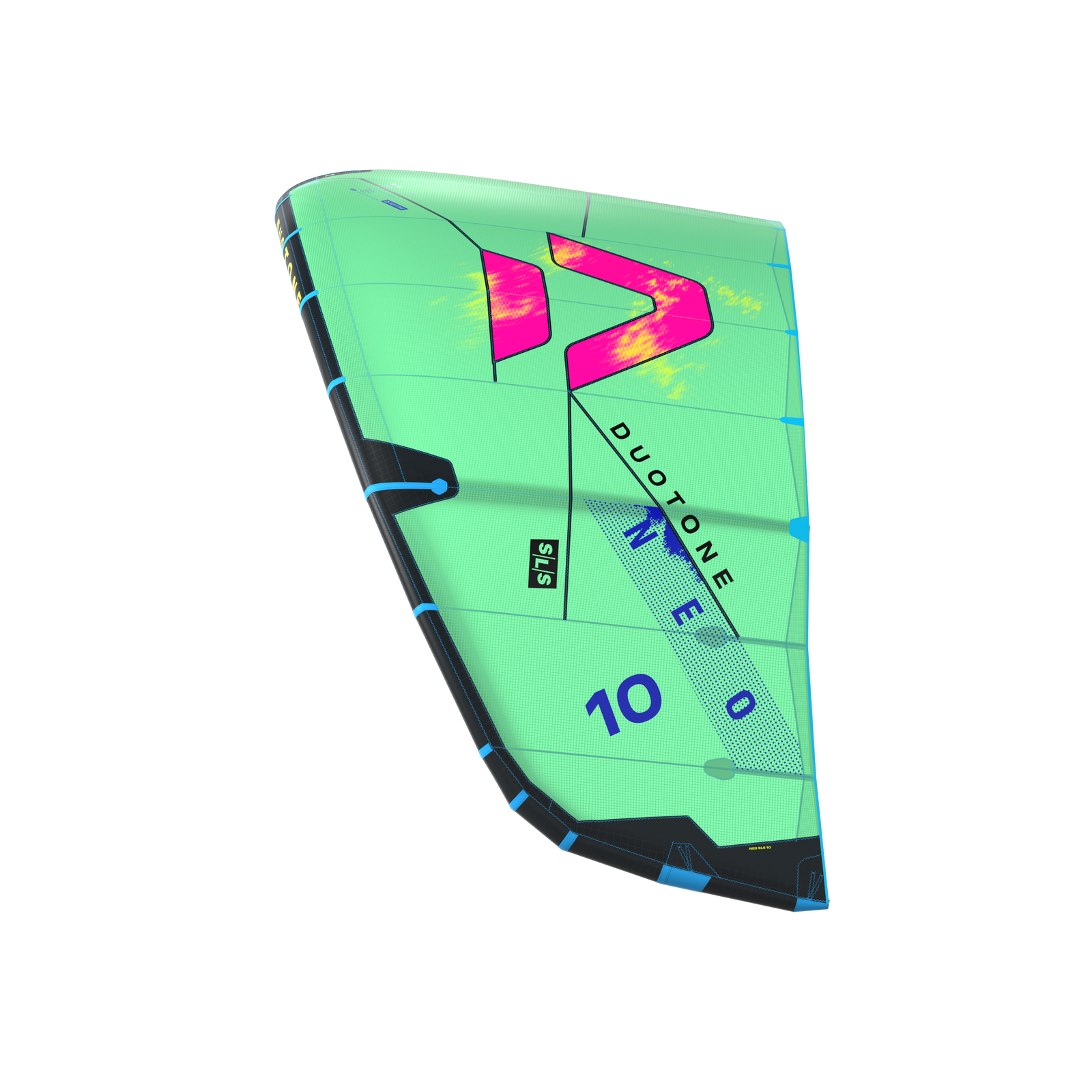
Prices and 2026 specs are pulled live from each product page. Confirm on the product page before checkout.
04 — MistakesThree mistakes we see every week
Ready to Start?
Browse our kitesurfing kites and complete setups to find your first quiver.
Frequently asked
€4,000–5,500 new, or €2,500–3,500 second-hand. The kite is the biggest cost; the rest fills in quickly. Don't cheap out on the harness or bar—they're your safety interface.
Yes. A 12 m² kite works from 10 knots (light, you'll work harder) to 25+ knots (heavy, you'll depower the bar). Beyond 25 knots, go to 9 m² if you have it.
Absolutely. A two-day IKO course costs €300–500 and teaches you what to actually buy. Then buy gear; you'll know what fits. We've shipped setups to riders who skipped lessons—half come back with buyer's remorse.
Used kites (3–5 years old) work fine if the fabric is intact and the bridle isn't frayed. New gear gives you warranty and confidence. If budget is tight, used kite + new harness and bar is a smart split.