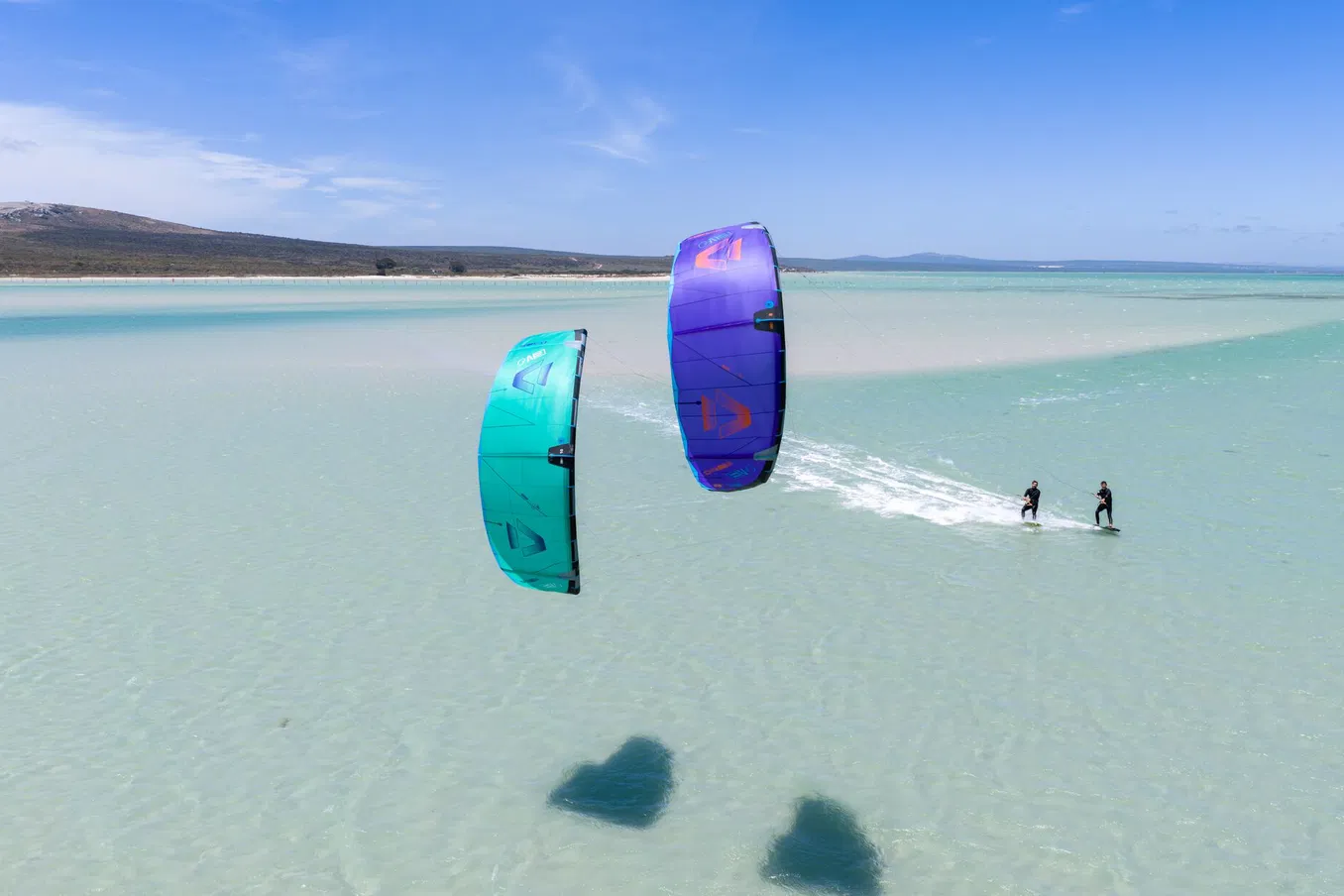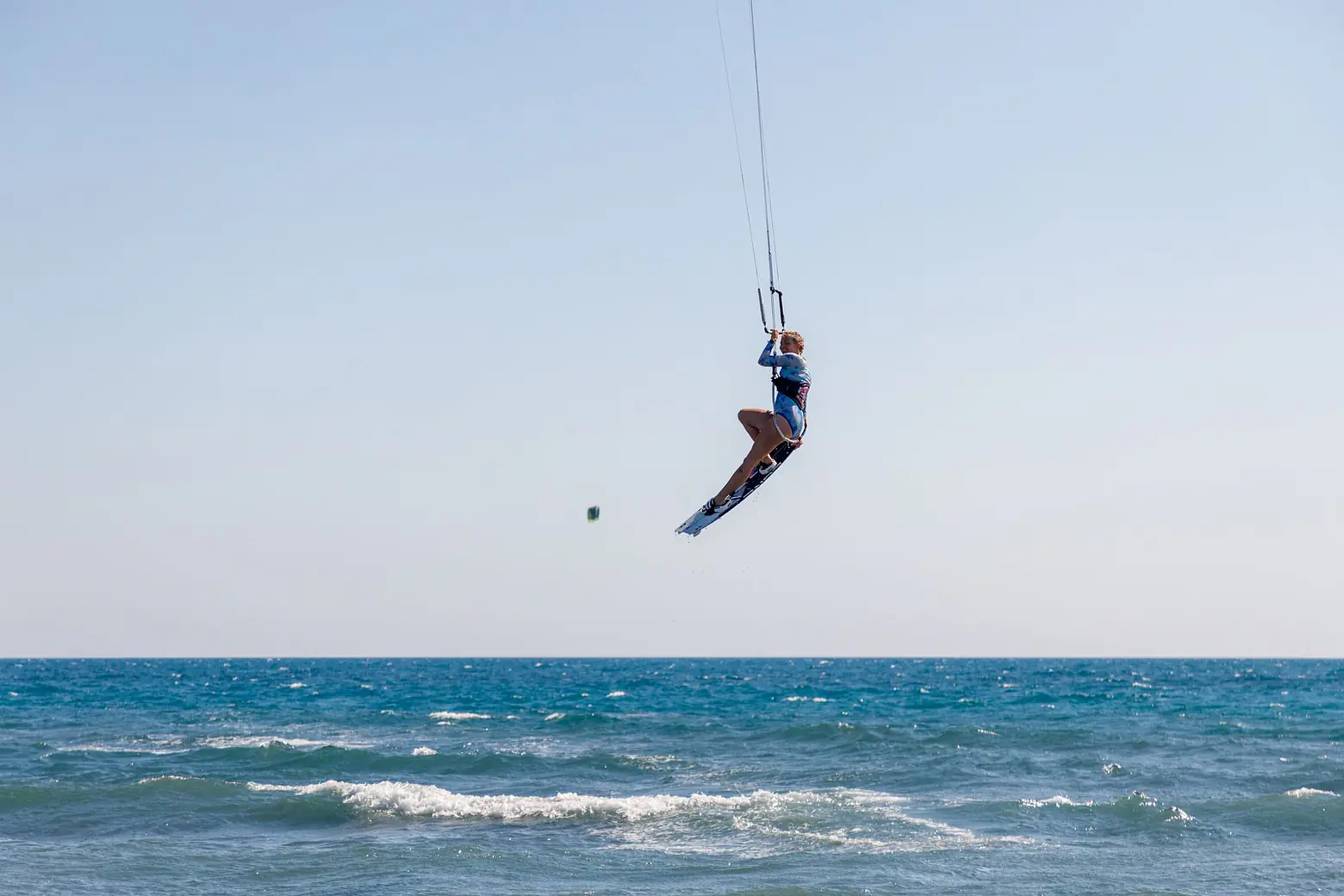
Kitesurfing in 12–15 Knots — Light Wind Tips & Gear
12–15 knots is the goldilocks zone for kitesurfing — strong enough to hold upwind, light enough to dial in your technique without drowning in power. We'll walk you through exactly which kite and board sizes work, and how to get the most from these tricky winds.
At 12–15 knots, you need a larger kite (15–17 m²), a bigger, softer board (44–48 L), and a kite with snappy relaunch like the Duotone Evo SLS or Duotone Rebel SLS. Focus on control and smooth transitions — these winds are perfect for locking in foundational skills without the intensity of 20+ knots.
01 — ConditionsWhy 12–15 Knots Is Your Sweet Spot
12–15 knots sits right in the goldilocks zone. Strong enough that you're not fighting to stay upwind, but light enough that you can actually breathe and focus on what you're doing. You'll get steady wind with occasional lulls — the kind of session where you're not exhausted after an hour, and you can actually feel what the kite is doing under your feet.
The real skill-building happens here. You're not muscling a massive kite around; you're learning edge control, smooth bar movements, and how to read the wind window. Riders tell us this is where pop improves fastest — you've got time to think between tricks.
02 — Gear SetupKite & Board Sizing for Light Wind
You'll want a 15–17 m² kite in this range. At 12–15 knots, a 12 m² will feel sluggish and won't relaunch cleanly if you're learning tricks. The Duotone Evo SLS sits at the sweet spot — responsive, forgiving on edge, and built to bounce back up without drama. The Duotone Rebel SLS is your pick if you want a touch more drive and aggression in marginal wind.
Board-wise, go for 44–48 L. A softer flex helps you absorb lulls without losing float, and the extra volume keeps you on the board during those moments when the wind drops off. Pair a light kite with a forgiving board, not the other way around — that's where most riders go sideways.
03 — Our picksOur 4 In-Stock Picks
We've picked these four because they're all in your hands right now and they all nail light-wind relaunch and control. Pick the one that matches your riding style.
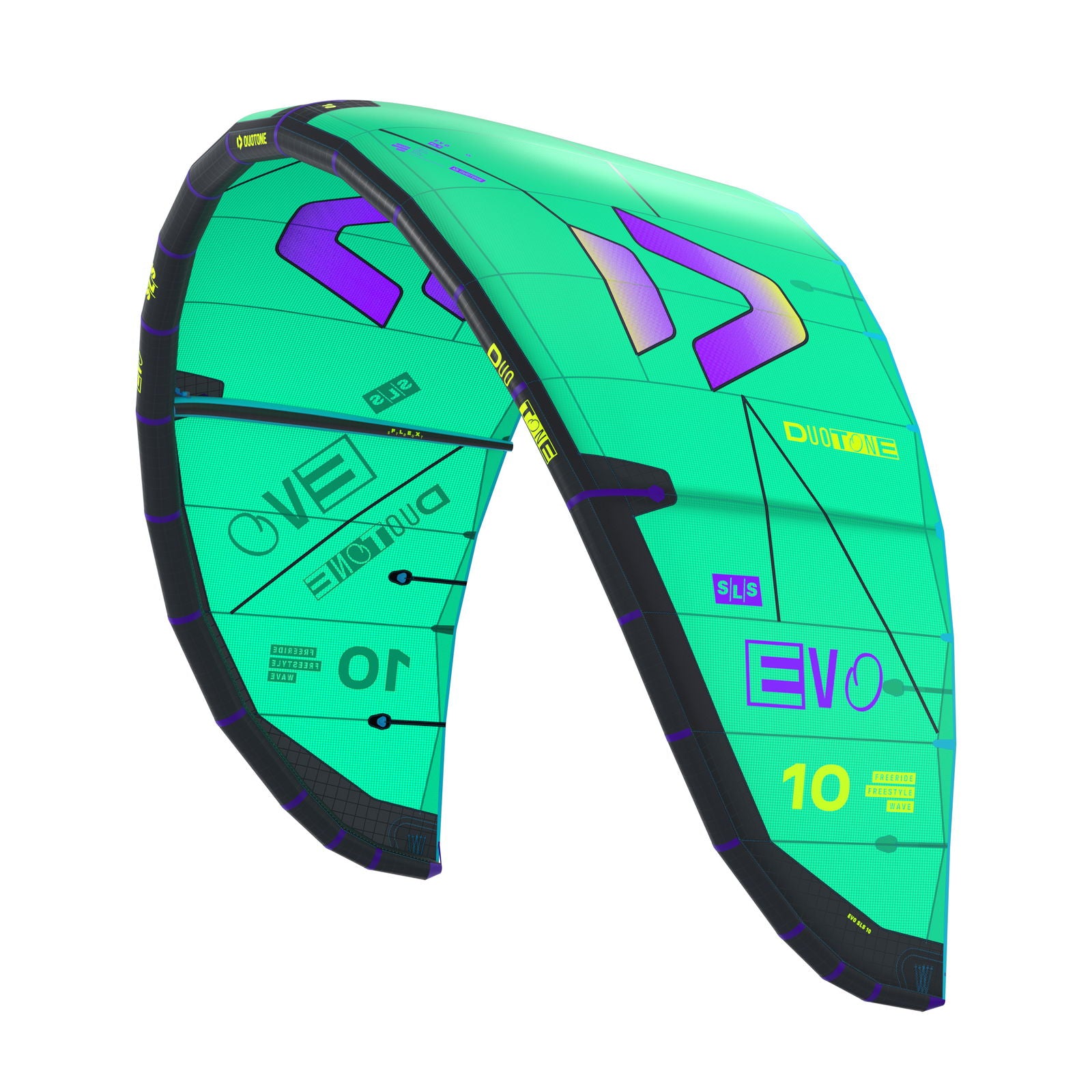
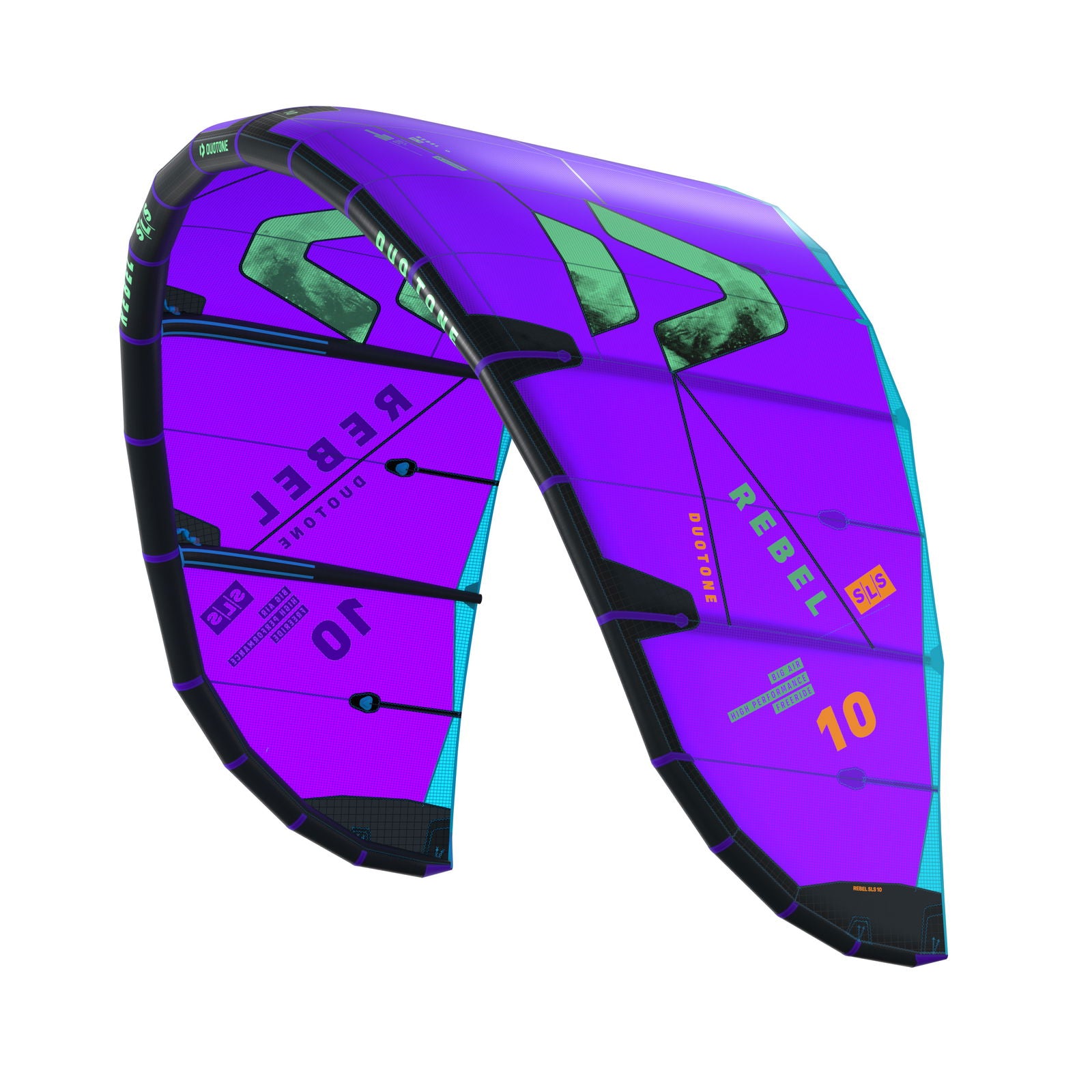
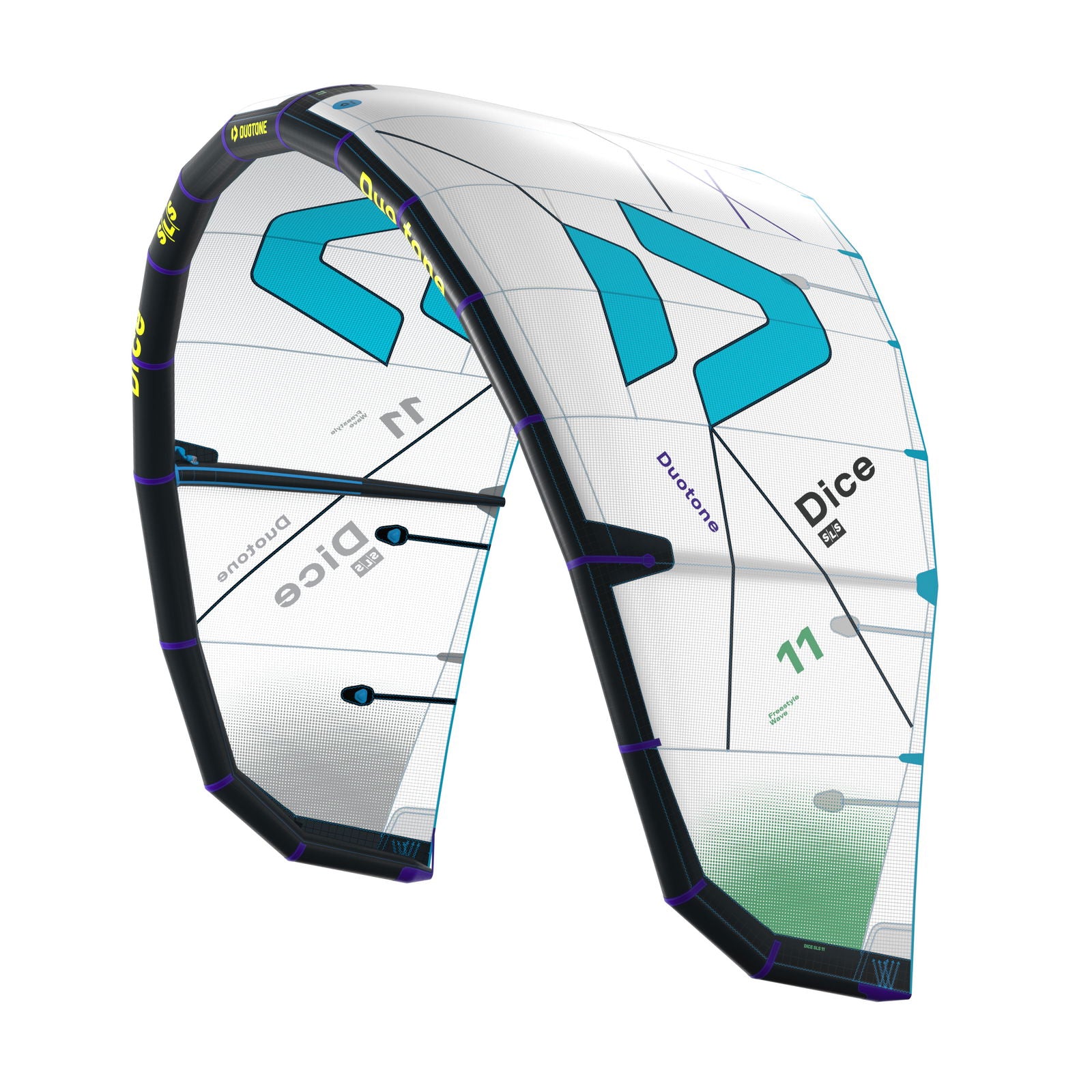
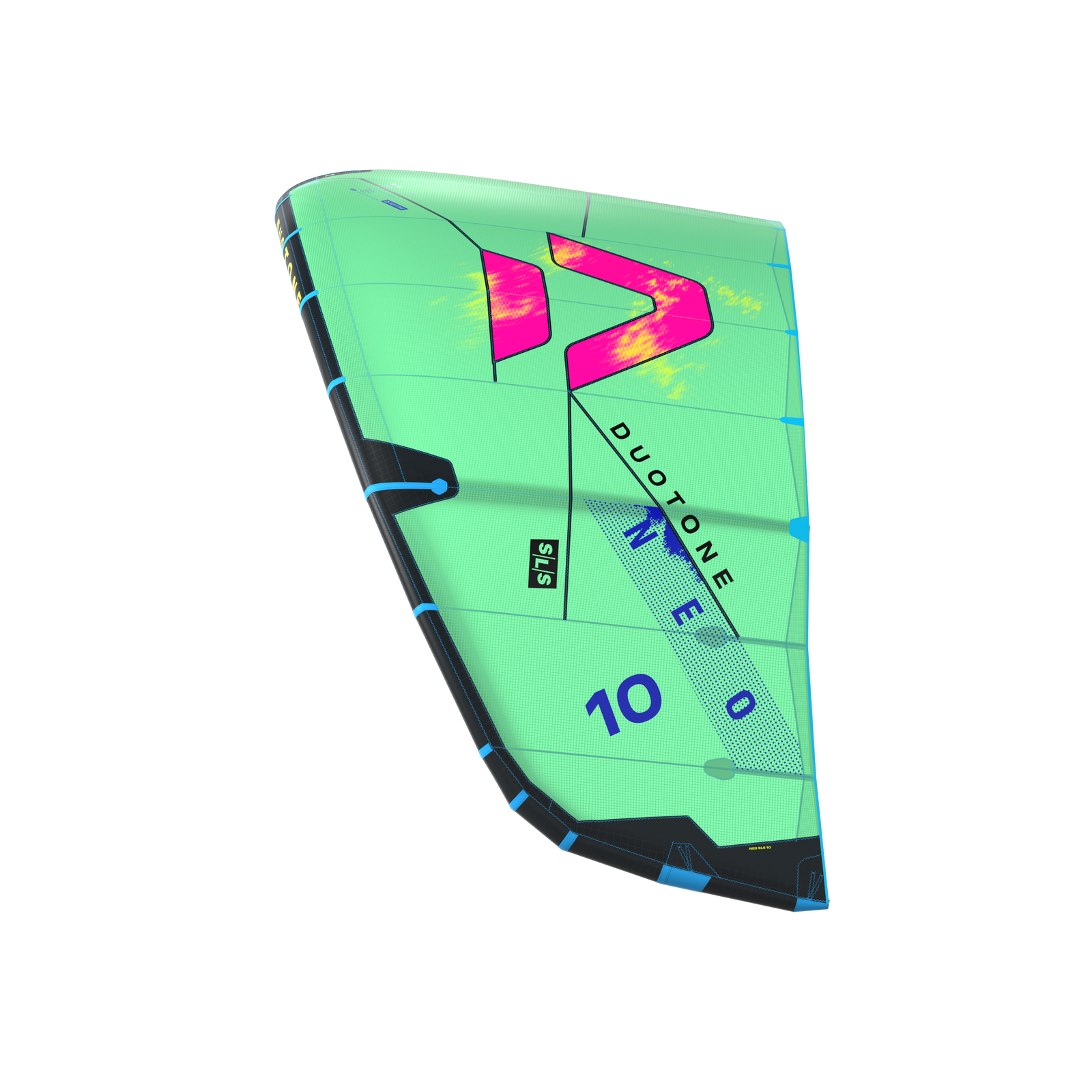
Prices and 2026 specs are pulled live from each product page. Confirm on the product page before checkout.
04 — MistakesThree mistakes we see every week
Ready to master light wind?
Browse our full range of Duotone and Cabrinha kites, all in stock and ready to ship across Europe.
Frequently asked
You can try, but you'll struggle with relaunch and upwind height. A 15–17 m² will feel much more forgiving and actually faster in these winds because you're not fighting so hard.
The Duotone Evo SLS is our top recommendation — light, responsive relaunch, and enough drive to keep you moving without overpowering you. The Rebel SLS is the pick if you want more aggression.
A softer, higher-volume board (44–48 L) will float you through lulls and make light wind way more fun. Wave boards sink too easily in marginal conditions.
Bigger kite, forward stance on the board, constant edge pressure, and keep your kite moving in the power zone. Light wind rewards technique — every edge movement counts.