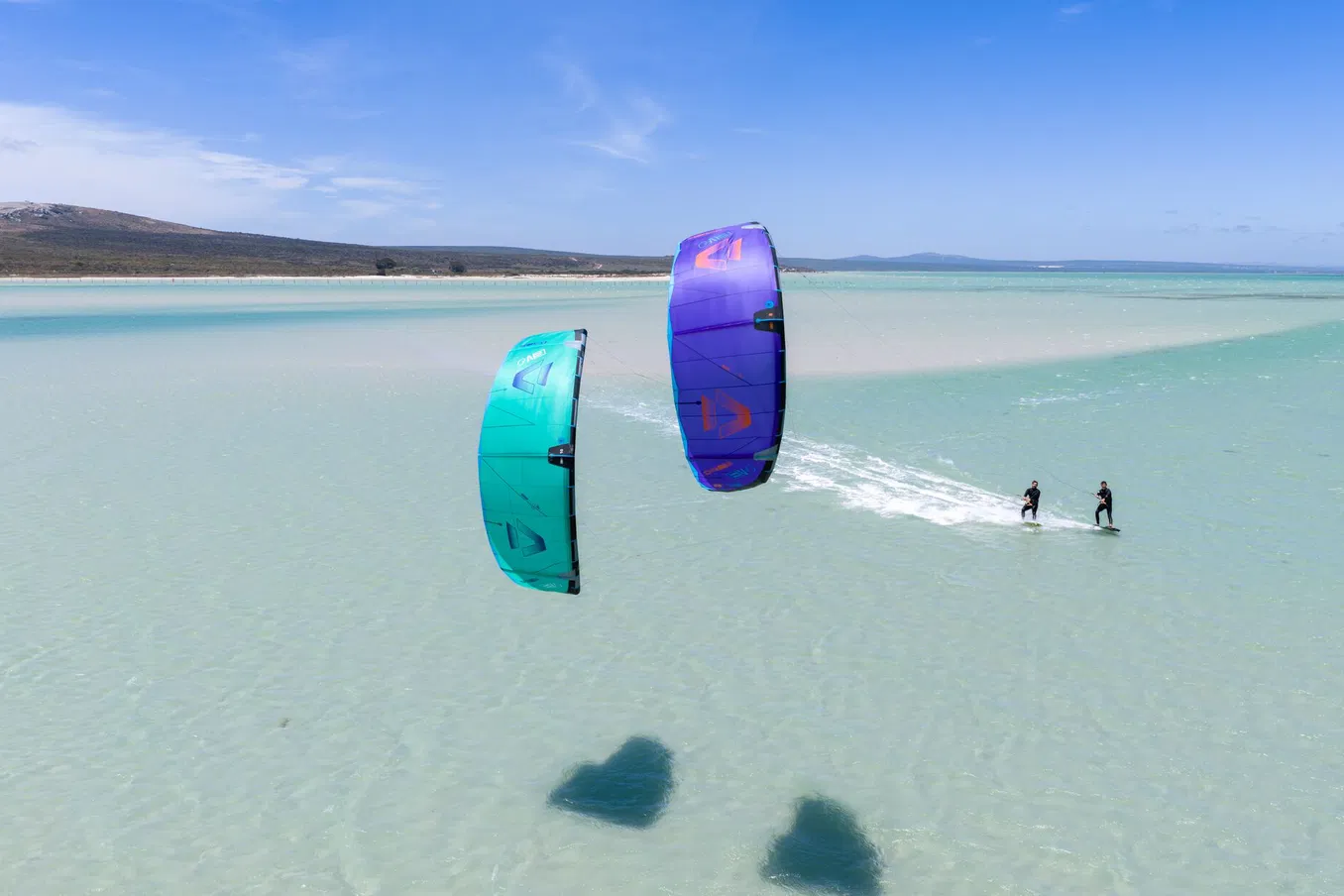
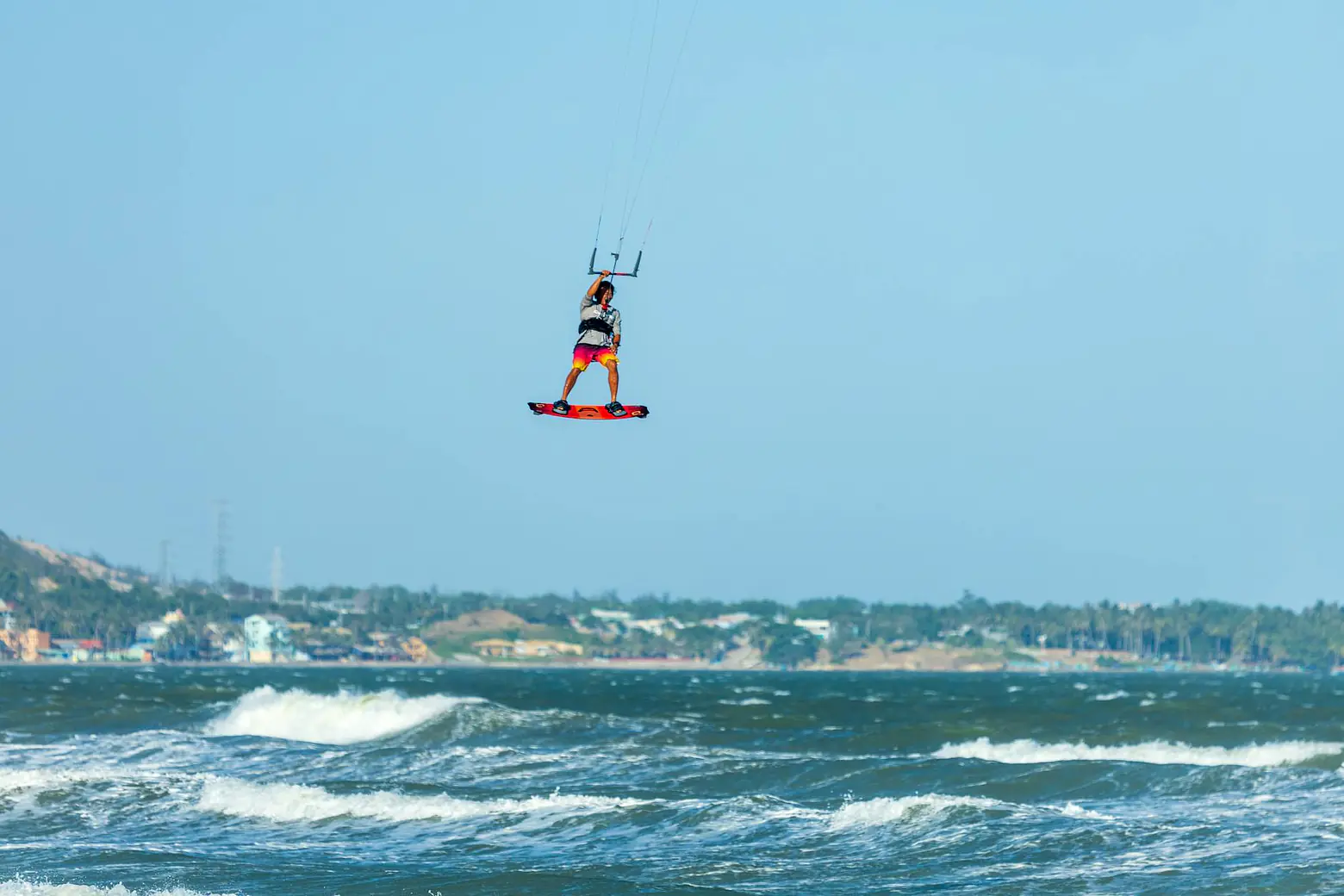
Kitesurfing in Fuerteventura — Spot & Wind Guide
Fuerteventura doesn't wait. Trade winds blow 12–25 knots nearly every day, making this island one of Europe's most reliable kitesurfing destinations. We'll show you the spots, seasons, and exactly which kites to pack.
The island gets steady north-east trade winds year-round, with peak season November to March. Split your time between flat-water lagoons for progression and reef breaks for advanced riding. You'll need a mid-sized quiver (9/12 m²); the Duotone Rebel SLS 2026 handles almost every condition here.
01 — ConsistencyWind & Season: Trade Winds That Don't Stop
The Atlantic trade winds here are relentless. You're looking at 12–25 knots almost every single day, which means you'll actually get on the water instead of scrolling forecasts. November through March is peak—you'll see 15–20 knots regularly, clean north-east flow, and days when you'd sail anything in your quiver.
Summer (June–September) drops to 10–15 knots on lighter days, but midday thermals often push it back to 18+ knots by afternoon. Spring and autumn are goldilocks: steady 15–18 knots, fewer tourists, water's warm enough you'll skip the wetsuit most days.
02 — SpotsThe Holy Trinity: Where to Ride
Lagoons (Flag Beach, Corralejo Lagoon): Flat, shallow, protected from groundswell. This is where you learn tricks, practice your pop, and nail your first transitions. Ideal for intermediate riders building technique. The sand bar keeps the water waist-deep for hundreds of metres.
Reef breaks (Sotavento, East Coast): Choppy, technical, wave riding required. Sotavento hosts the PWA World Cup—the wind funnels between dunes and creates the most consistent conditions on the island. Advanced riders only; you need good board control and respect for shallow reef.
Beach breaks (Playa Buen Hombre): Rollers, some chop, less crowded than lagoons. Great for freestylers who want a bit of texture without the commitment of a reef spot.
03 — Our picksOur 4 In-Stock Picks for Fuerteventura
We've shipped these four to Fuerteventura riders since we opened. Each covers a different discipline—pick the one that matches your level and how many days you want to ride waves versus flat water.
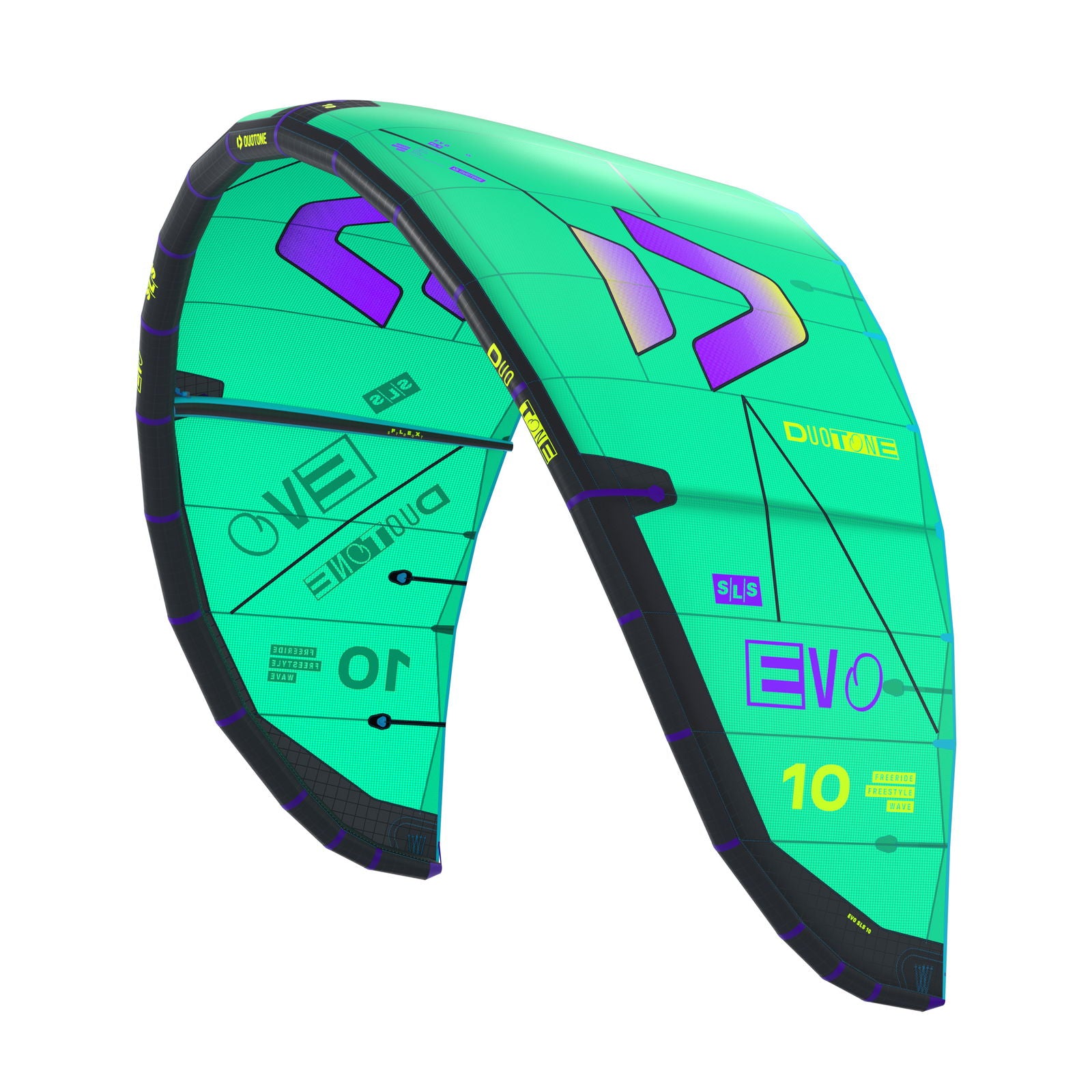
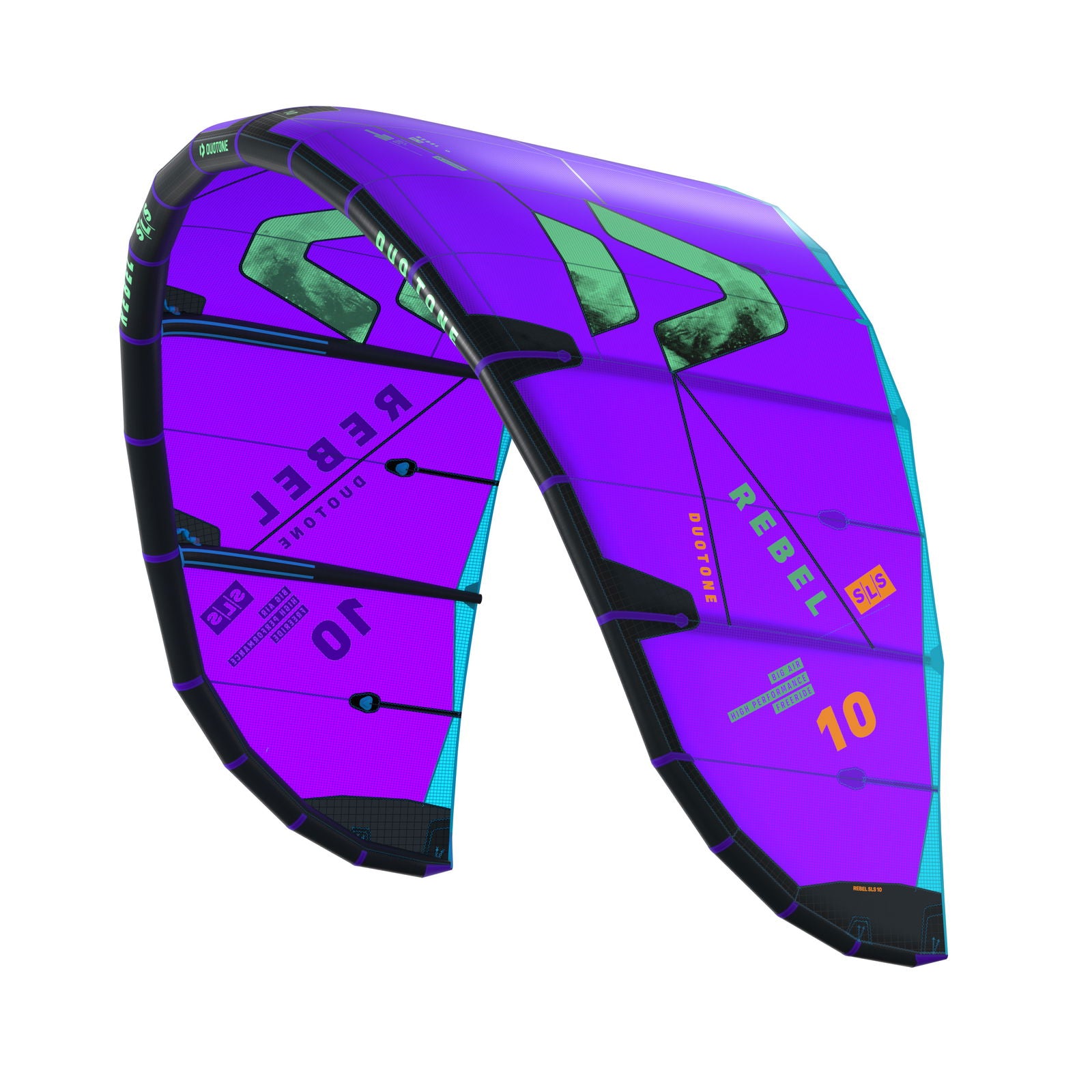
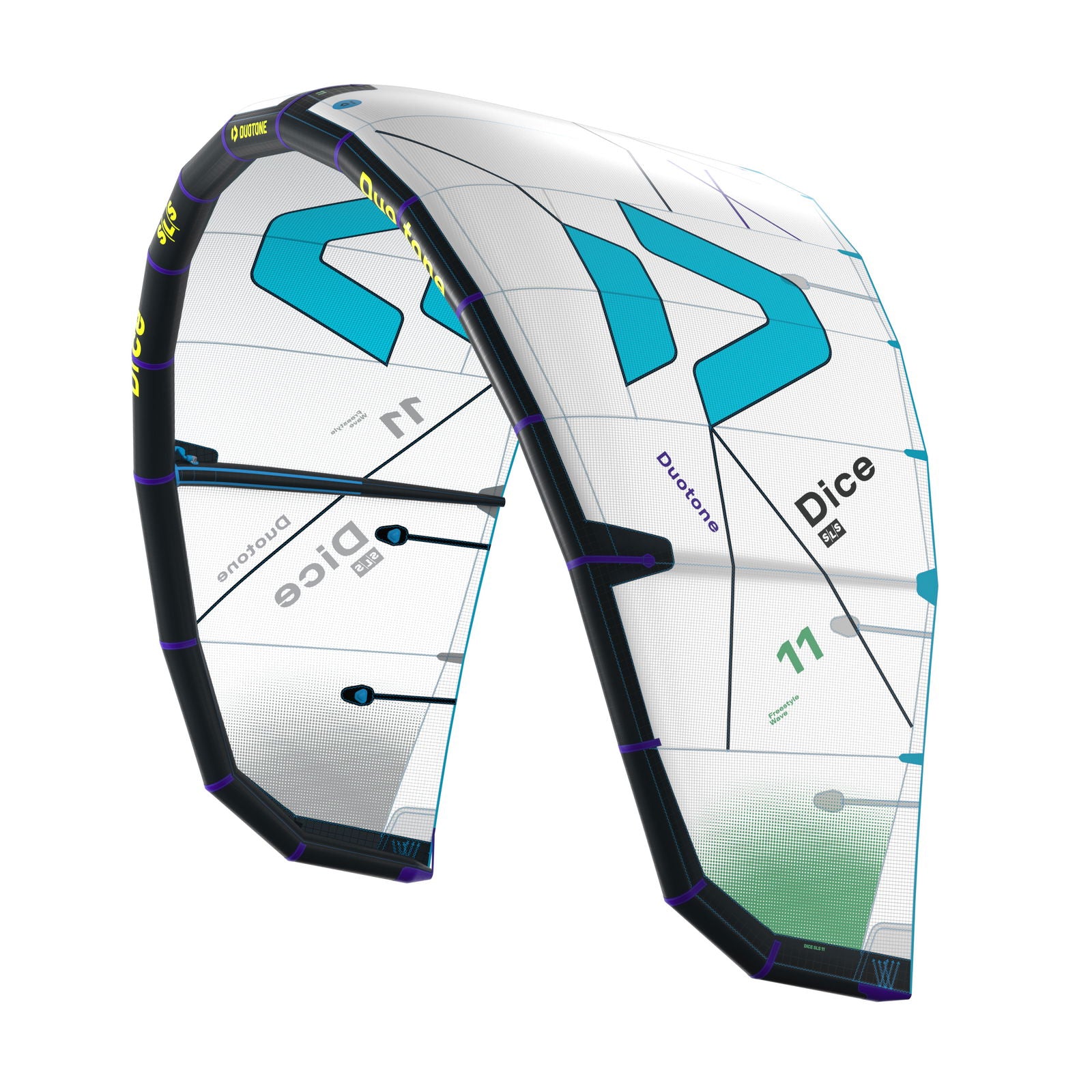
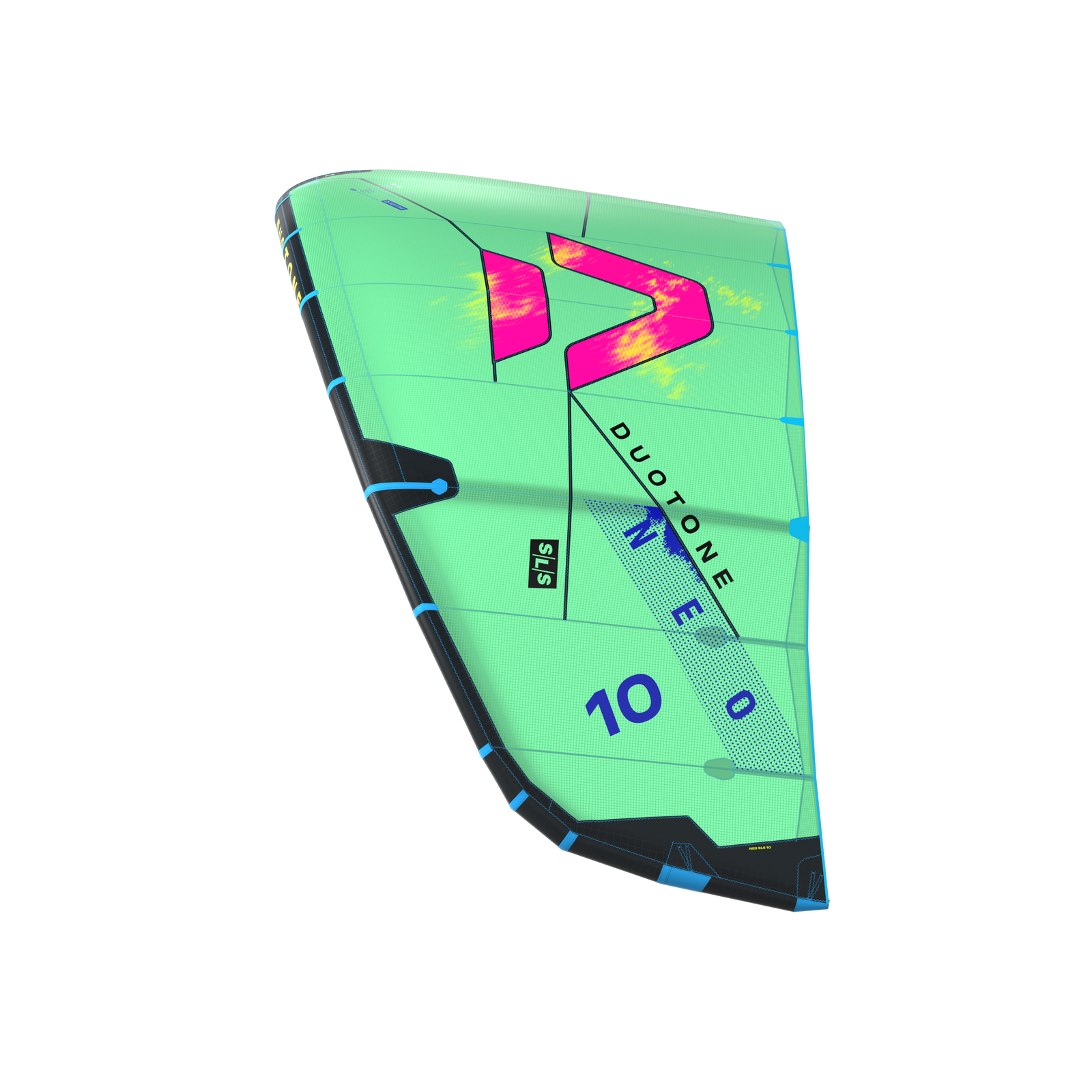
Prices and 2026 specs are pulled live from each product page. Confirm on the product page before checkout.
04 — MistakesThree mistakes we see every week
Ready to book Fuerteventura?
Browse our full Duotone, Cabrinha, and Gaastra kite range—all in stock, all tested by riders from Tarifa to Cape Town.
Frequently asked
November through March. Expect 15–20 knots daily, fewer tourists, and swell for the reef breaks. March is warmest; November is windiest.
For lagoons, a twin-tip like the Duotone Evo SLS 2026 works fine. For Sotavento and reef breaks, a wave-specific kite like the Rebel SLS 2026 gives you better board control in choppy water.
Corralejo Lagoon gets busy on weekends, especially July–August. Buen Hombre and the east-coast breaks are quieter. Sotavento is packed during the PWA event in July, but calm most other times.
Summer: 2/2 mm or none. Winter (November–March): 3/2 mm. Water temps stay between 17–22°C year-round, so you won't need heavy gear.