Harness Line Position & Tuning Guide — Kitesurfing Setup
Your bar's bridle lines sit a few centimetres from centre, and moving them even 2 cm shifts how the kite responds to input. We'll walk you through finding your perfect line position so the bar feels locked in, not sluggish or over-sensitive.
Harness line position is the distance between your bar's bridle-line attachment points and the bar's centre. Outboard (wider apart) makes the bar snappier and lighter. Inboard (closer to centre) adds weight and power. Most riders dial in within 2–4 cm of factory settings, but your weight, board size, and local wind shift that sweet spot. Test in 1 cm increments and write down what works—that's your baseline for next season.
01 — PhysicsHow Line Position Changes Bar Feel
Your four bridle lines—two front, two rear—feed into your bar's depower and steering arms. When you move those attachment points outboard (further from the bar's centre), you increase mechanical advantage on the bar's pivot. That means quicker steering response, lighter bar pressure, and snappier depower feel.
Move them inboard (closer together, toward centre) and the opposite happens: the bar feels heavier, slower to turn, but packed with drive. You're trading responsiveness for grunt. In light wind or gusty conditions, outboard wins. In strong, steady wind on a wave board, inboard can lock you in.
02 — TuningFinding Your Outboard–Inboard Sweet Spot
Start at your bar's factory setting—usually marked or listed in the manual. Most bars come at 10–14 cm spreader bar width outboard. Heavier riders (70+ kg) often prefer inboard by 2–3 cm because the extra bar weight helps them stay locked in gusty conditions. Lighter riders under 65 kg often go 2–3 cm outboard for snappier response and less arm fatigue.
Your local wind matters. Tarifa's powerful thermals? Go inboard. Cape Town's lumpier, gusty conditions? Outboard usually feels safer. Write down your setting and the conditions you tested in—next winter you'll thank yourself.
03 — Our picksOur 4 In-Stock Harness Picks
Whether you're fine-tuning an existing setup or buying your first harness, these four choices cover beginners through advanced riders. Each one gives you real adjustment range.
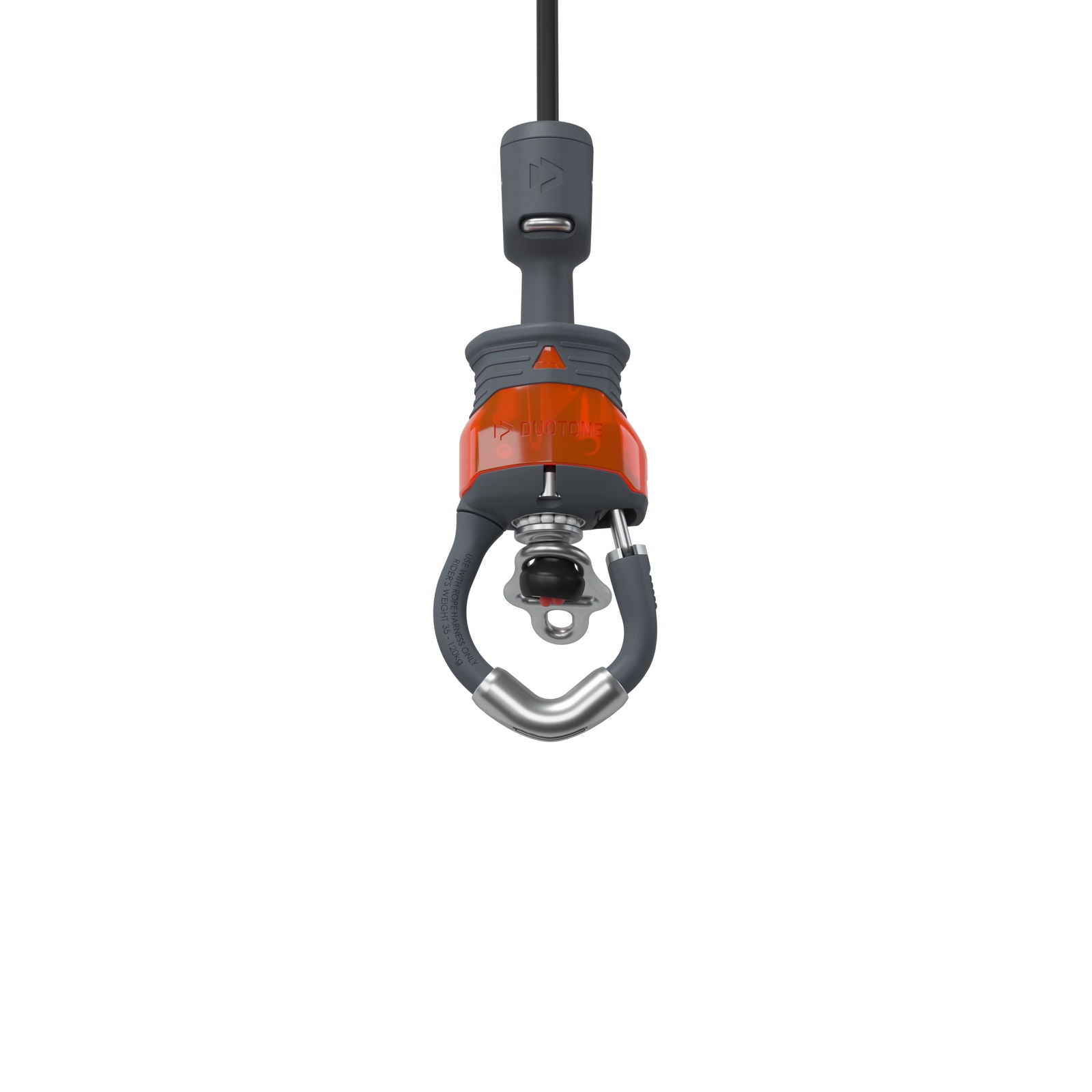

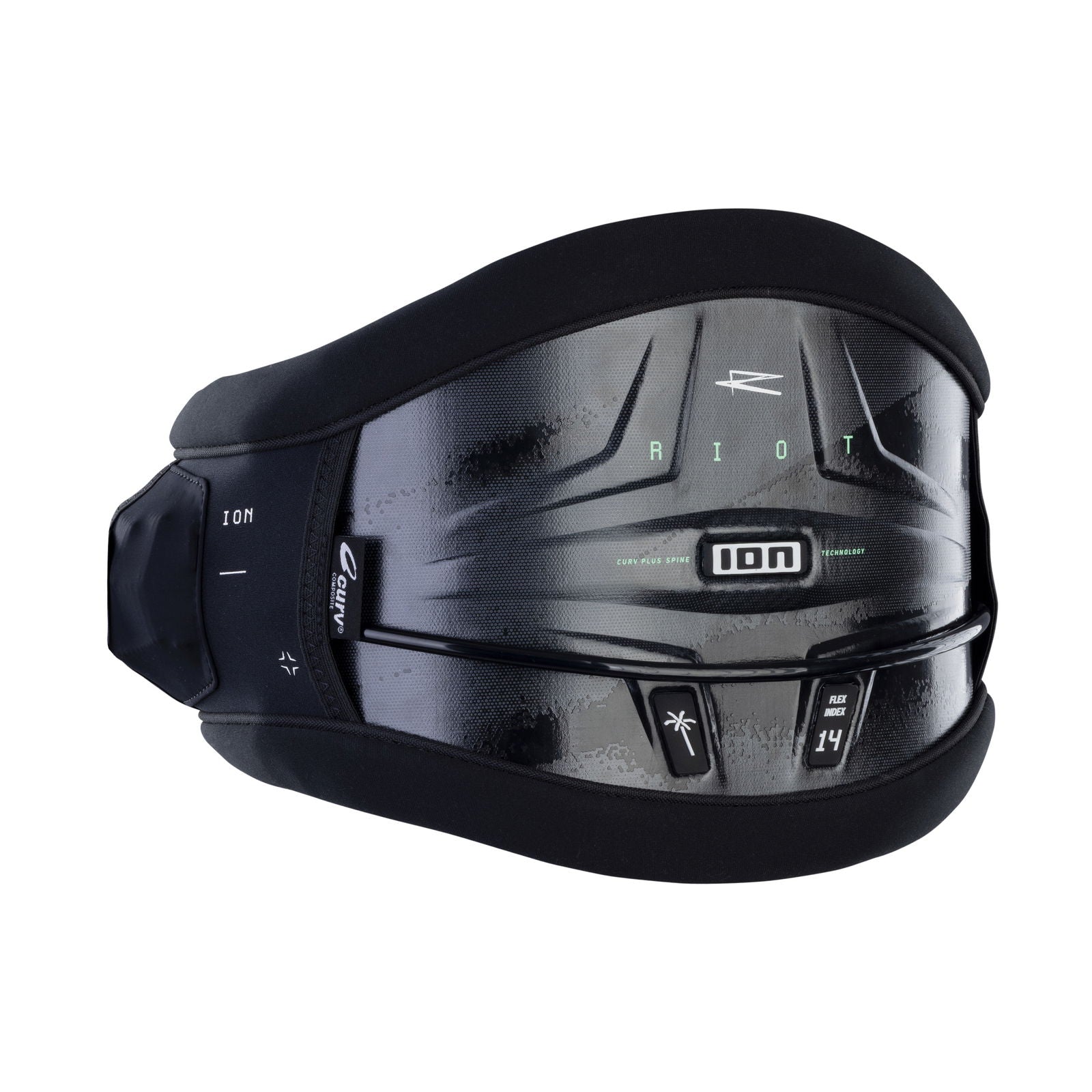
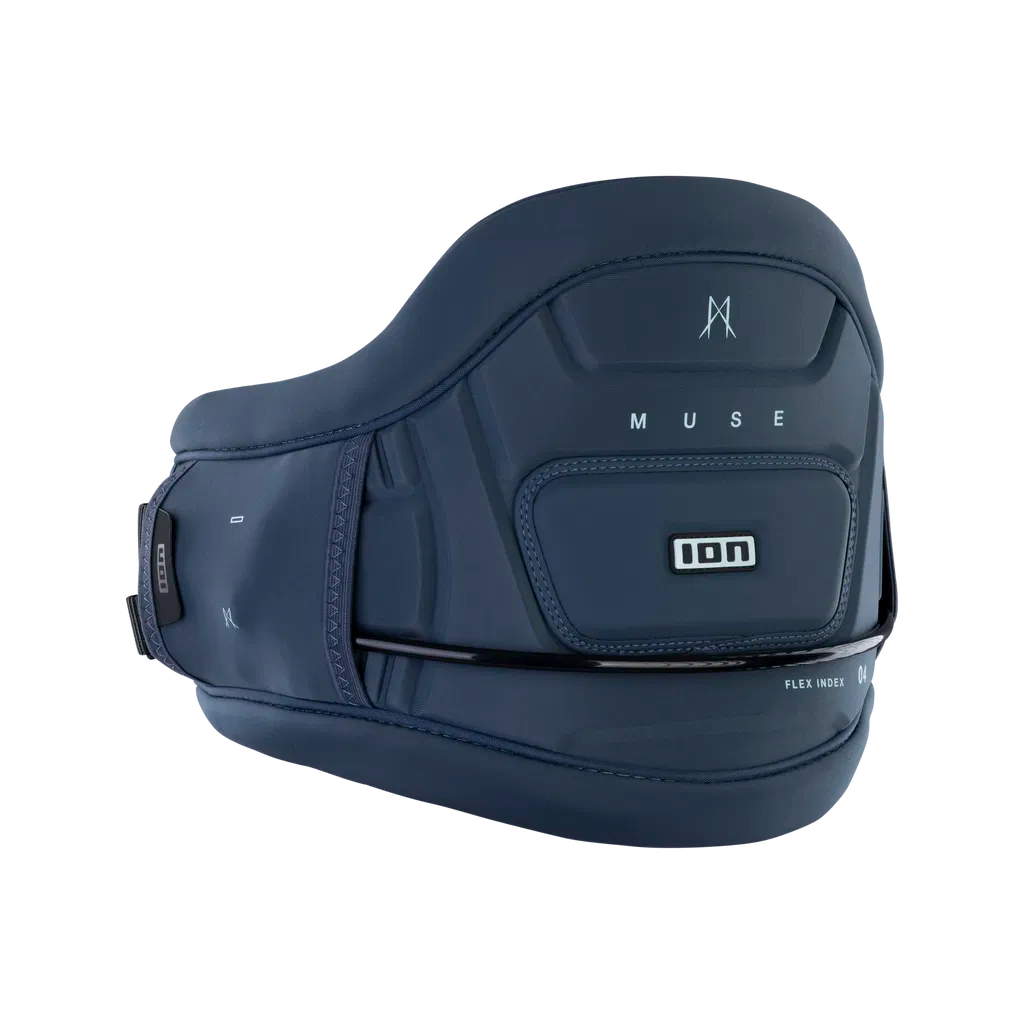
Prices and 2026 specs are pulled live from each product page. Confirm on the product page before checkout.
04 — MistakesThree mistakes we see every week
Ready to dial in your setup?
Browse our harness range and find the spreader bar width and padding fit that matches your riding style.
Frequently asked
Most factory bars come set at 10–14 cm outboard. If you weigh under 65 kg, try 12–14 cm. Over 75 kg, start at 10–12 cm and adjust from there based on how the bar feels.
Only when bar feel changes season-to-season or after swapping kites. If you've got your baseline dialled, leave it alone. Constant tweaking wastes time.
No. Line position is bar setup; harness size (measured in cm waist) is clothing. A size M ION Spectre or Duotone Quick Rel Kit fits the same regardless of where you set the bridle lines.
No. Most bars have pre-drilled holes for multiple settings. You're simply moving the attachment point between existing holes—completely reversible and safe.