Kitesurfing Gruissan France — Lagoon Spot Guide 2026
Gruissan sits 90 minutes south-west of Montpellier and has quietly become France's most consistent thermal wind spot. We've sent dozens of riders there since 2003, and they all report the same thing: predictable afternoon wind, warm water, and flat lagoons that reward tricks. This guide shows you how to dial it in.
Gruissan delivers 12–20 knots average from May to September, with thermal winds that build reliably in the afternoon. The protected lagoon is ideal for freestyle and foiling, while the open bay offers swell when you want it. Water temps sit 18–24°C, so boardshorts year-round. Grab a Duotone Evo SLS if you're learning tricks, or a Rebel SLS if you want race-ready performance in variable wind.
01 — Wind patternsWhy Gruissan Works—Thermal Winds You Can Set Your Watch To
Gruissan's magic is its thermal cycle. Land heats up during the day, air rises, and cooler air rushes in from the Mediterranean to replace it. By 2–3 p.m. every summer day, you've got wind. By 5 p.m., it's pumping 12–20 knots. By 7 p.m., riders from Tarifa to Cape Town tell us it's still solid.
May through September is prime season. Winter swells wrap in from the Atlantic, but winter winds are messier—gusty, unpredictable. Summer is your window for consistency. If you're planning a trip, book June through August and expect light thermal builds most days. Riders who show up in April get fooled by occasional flat spells.
That predictability means you can commit to a kite size and stick with it. A 9 m² or 12 m² covers almost every session. No quiver juggling, no second-guessing.
02 — Spot optionsLagoon vs. Bay—Pick Your Water Type
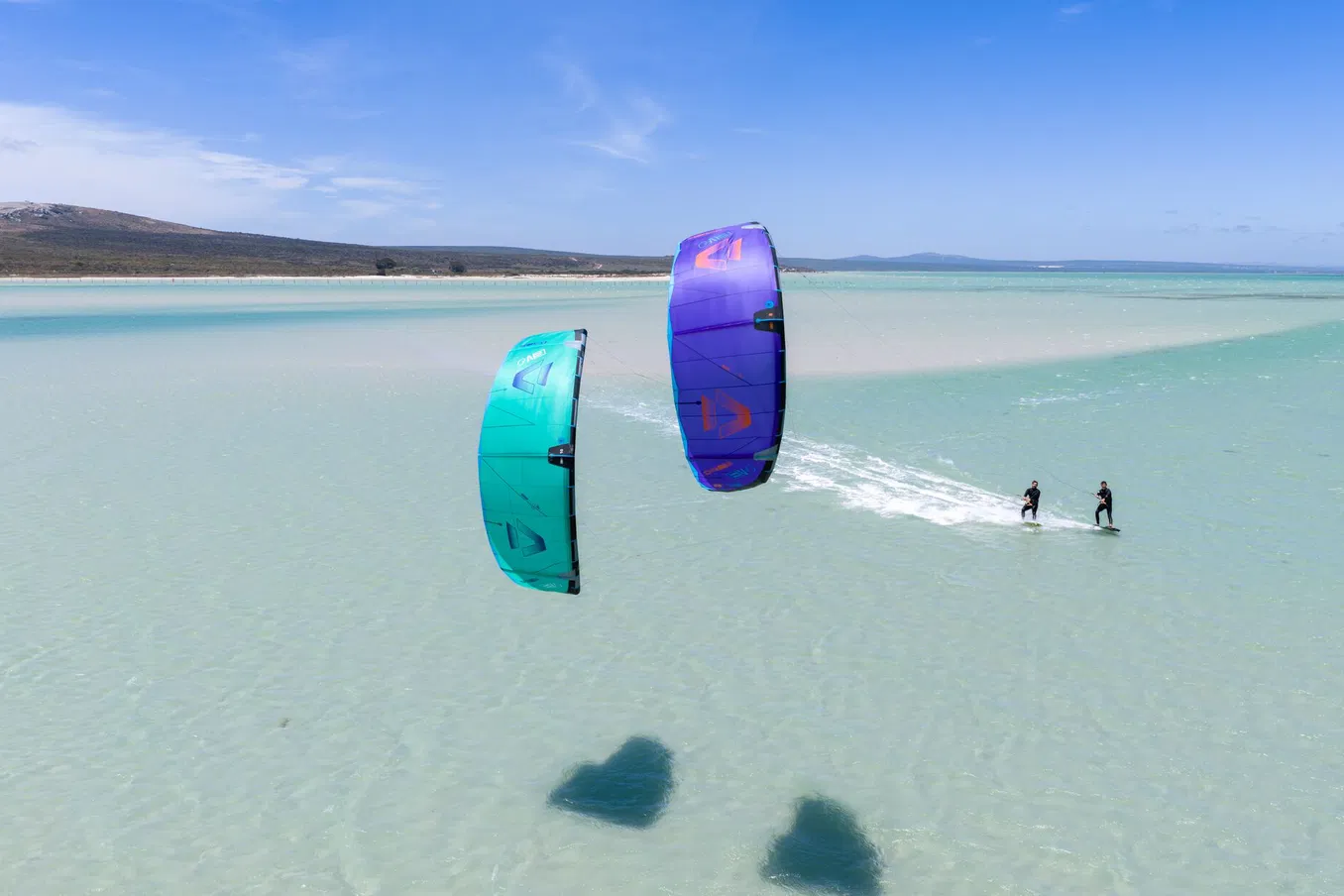
Gruissan has two distinct zones. The lagoon—Etang de Gruissan—is flat, protected, and perfect for freestyle and foiling. Water's shallow in places, visibility is good, and you've got room to progress tricks without worrying about swell or chop. Most learners and trick riders live here.
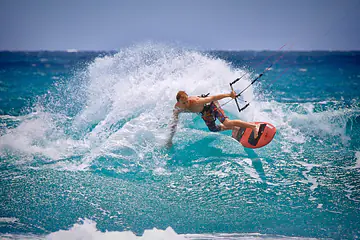
The open bay faces north-west, picks up Atlantic swell, and gives you wavy conditions when the mood strikes. Wind's the same (thermal, predictable), but the water's livelier. If you want to blend freestyle with some small-wave riding, the bay delivers. Water temps are identical year-round: 18–24°C, so boardshorts and a rashguard will do you fine.
03 — Our picksOur 4 In-Stock Picks for Gruissan
All four are Duotone SLS kites—our top choice for thermal wind spots. Pick by your riding style and experience level. Light, progressive riders suit the smaller sizes; heavier riders or flatwater specialists go larger.
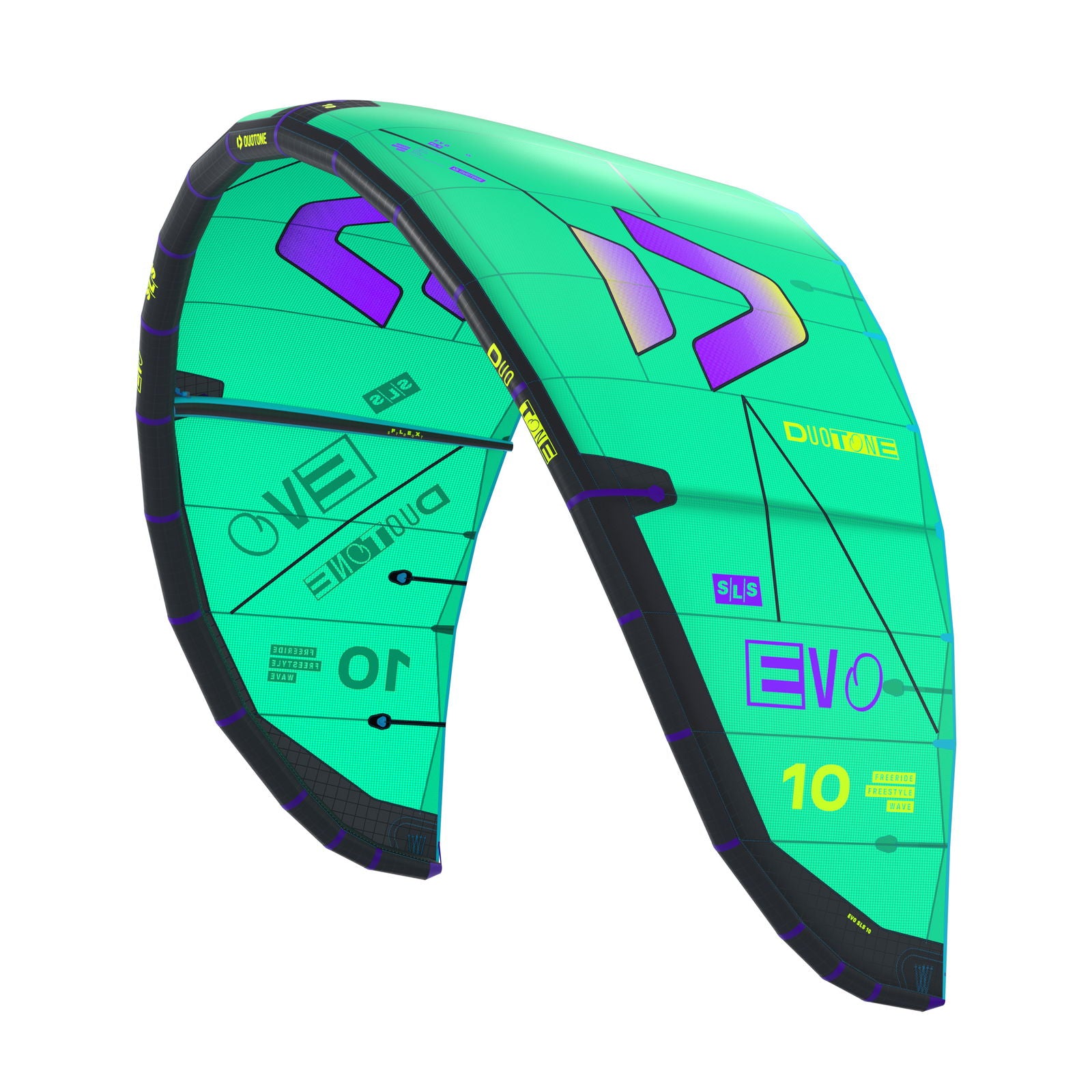
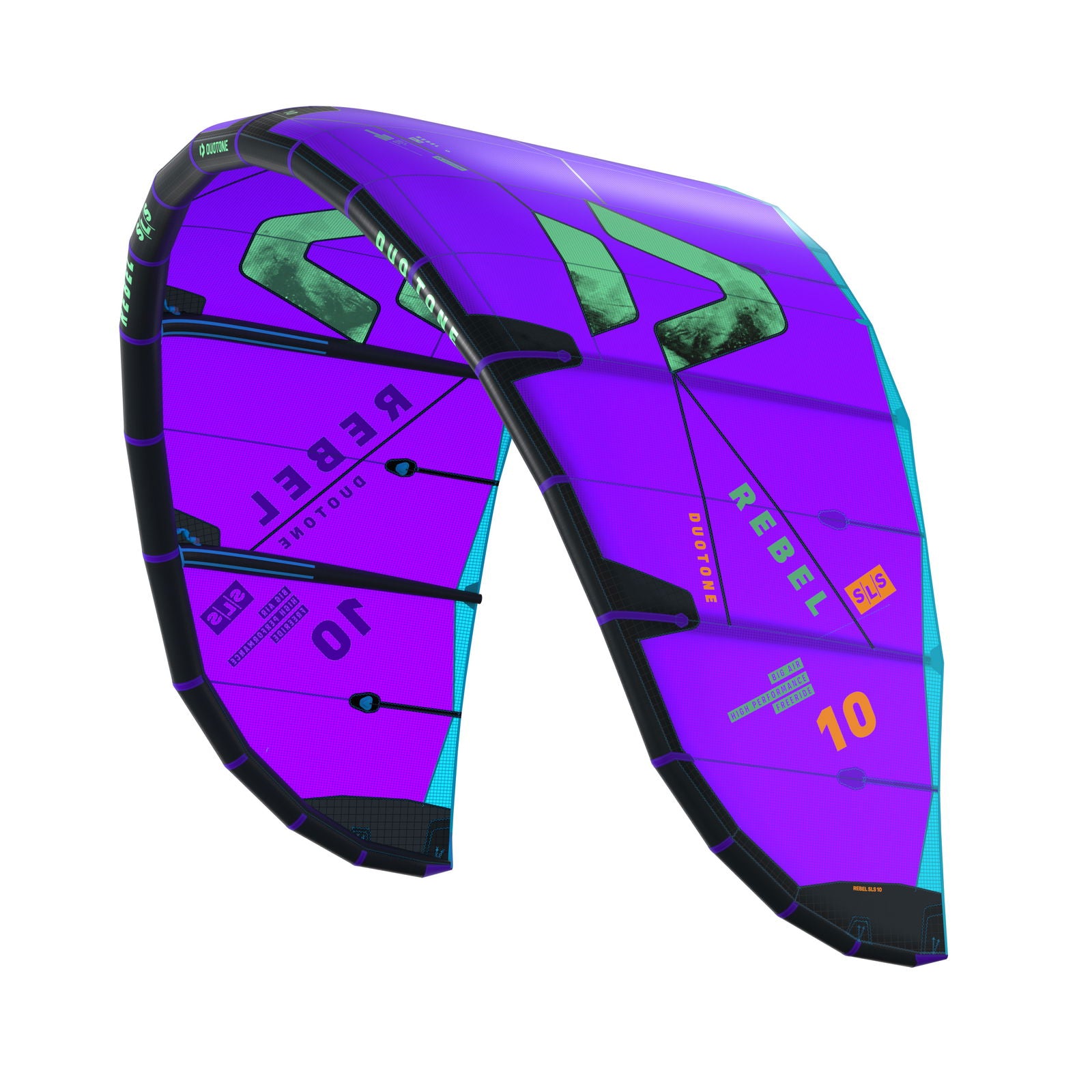
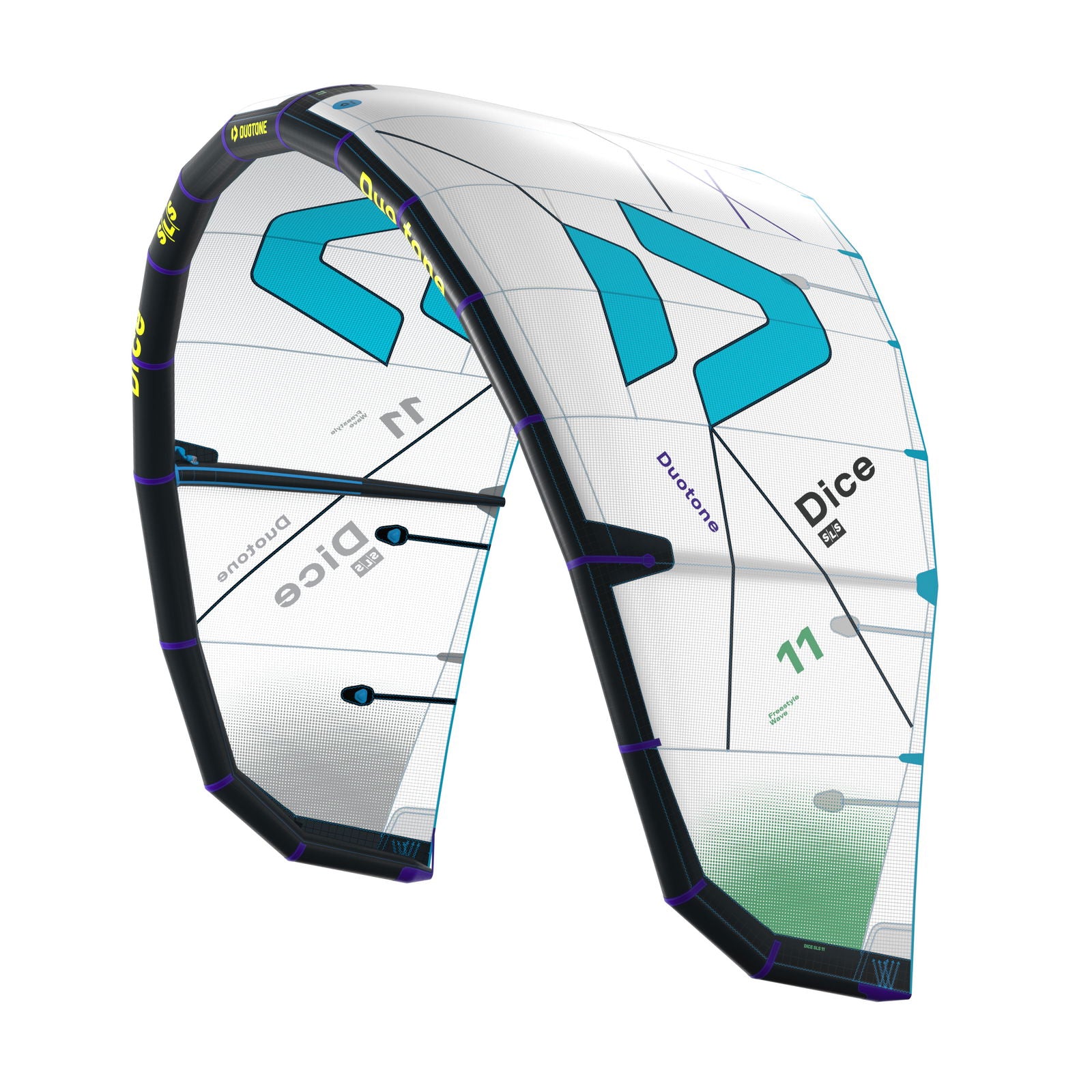
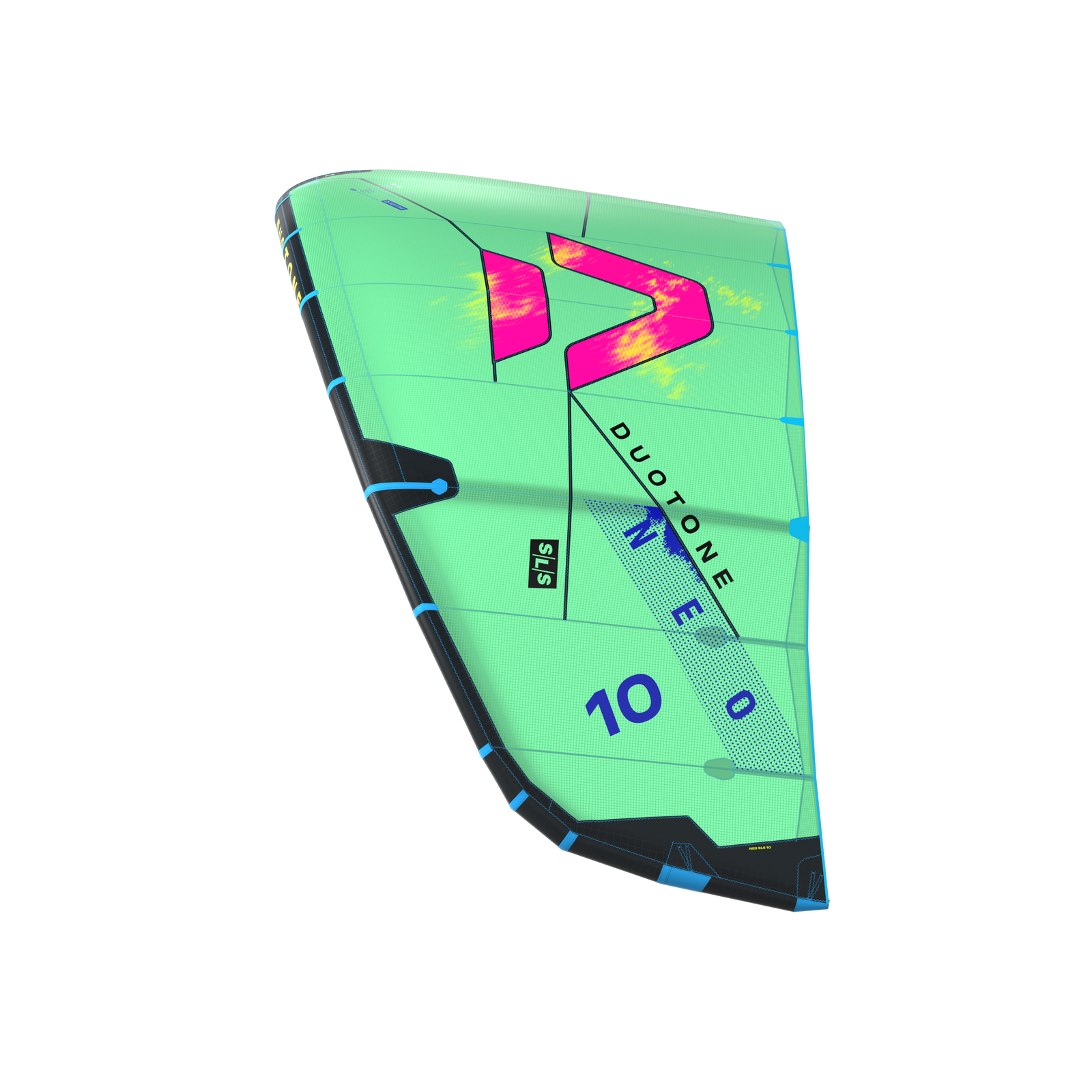
Prices and 2026 specs are pulled live from each product page. Confirm on the product page before checkout.
04 — MistakesThree mistakes we see every week
Ready to dial in your Gruissan quiver?
Shop our full range of kites in stock right now, with expert advice on sizing for thermal spots.
Frequently asked
Most riders use 9 m² or 12 m². If you're under 70 kg and learning, grab a 12 m² first. Heavier riders or wave-focused sessions go 9 m². Light thermal winds don't reward anything bigger.
May through September. Thermal winds are reliable and strong enough (12–20 knots). Winter has swell but unpredictable, gusty wind. Book summer if you want consistency.
Yes—the lagoon is perfect for foiling. Flat water, predictable wind, and shallow areas to learn. The open bay can work too, but thermal winds are gentler than swell-driven spots, so foil-specific setup matters.
Water sits 18–24°C, so boardshorts work year-round. But for sessions longer than three hours, add a rashguard or thin 2/2 mm wetsuit. Shoulders cool fast on extended goes.