Kitesurfing on a Crowded Beach — Safety Rules & Etiquette
Crowded beaches demand respect, not just skill. We'll show you how to launch safely, read the wind, and keep everyone—including yourself—out of harm's way.
Kitesurfing on packed beaches is possible when you zone off a launch area away from swimmers, use a trained spotter, read wind direction carefully, and never launch or land near sunbathers. If the beach is rammed, wait for a quieter window or find another spot. No session is worth endangering someone else.
01 — Space & SetupZone Off Your Launch Area First
The biggest mistake we see is riders launching anywhere there's a gap in the crowd. That's how people get hurt. Pick a launch zone at least 50 metres from swimmers and sunbathers—ideally further if the beach allows it. Set up your kite, board, and harness in that zone and stay within it.
Talk to the lifeguards if they're around. They know the rip currents, the dead zones, and which beaches genuinely can't handle kiting. Some beaches ban it entirely during peak hours. Respect that. Check local rules before you arrive—don't assume you can launch just because you've got your 12 m² kite packed.
02 — Reading ConditionsWind Direction & the Spotter Rule
Wind direction matters more on crowded beaches than anywhere else. You need to know where your kite will drift if something goes wrong. If the wind is onshore and blowing toward sunbathers, don't launch. If it's offshore and pushing you out, you're safe from the crowd but you're drifting away from help. Sideshore is ideal—wind parallel to the beach, your launch zone clear on both sides.
Bring a spotter who knows what they're doing. Not your mate on his phone. Someone who watches your kite the whole time, knows your hand signals, and can warn you if the wind shifts or someone walks into your zone. We ship kites to riders from Tarifa to Cape Town—the best ones always have a spotter on busy days. It's not optional.
03 — Our picksFour Kites Built for Crowded Conditions
Control matters when there's no margin for error. These four are in stock now and all deliver the responsiveness you need to launch and land cleanly in tight spaces.
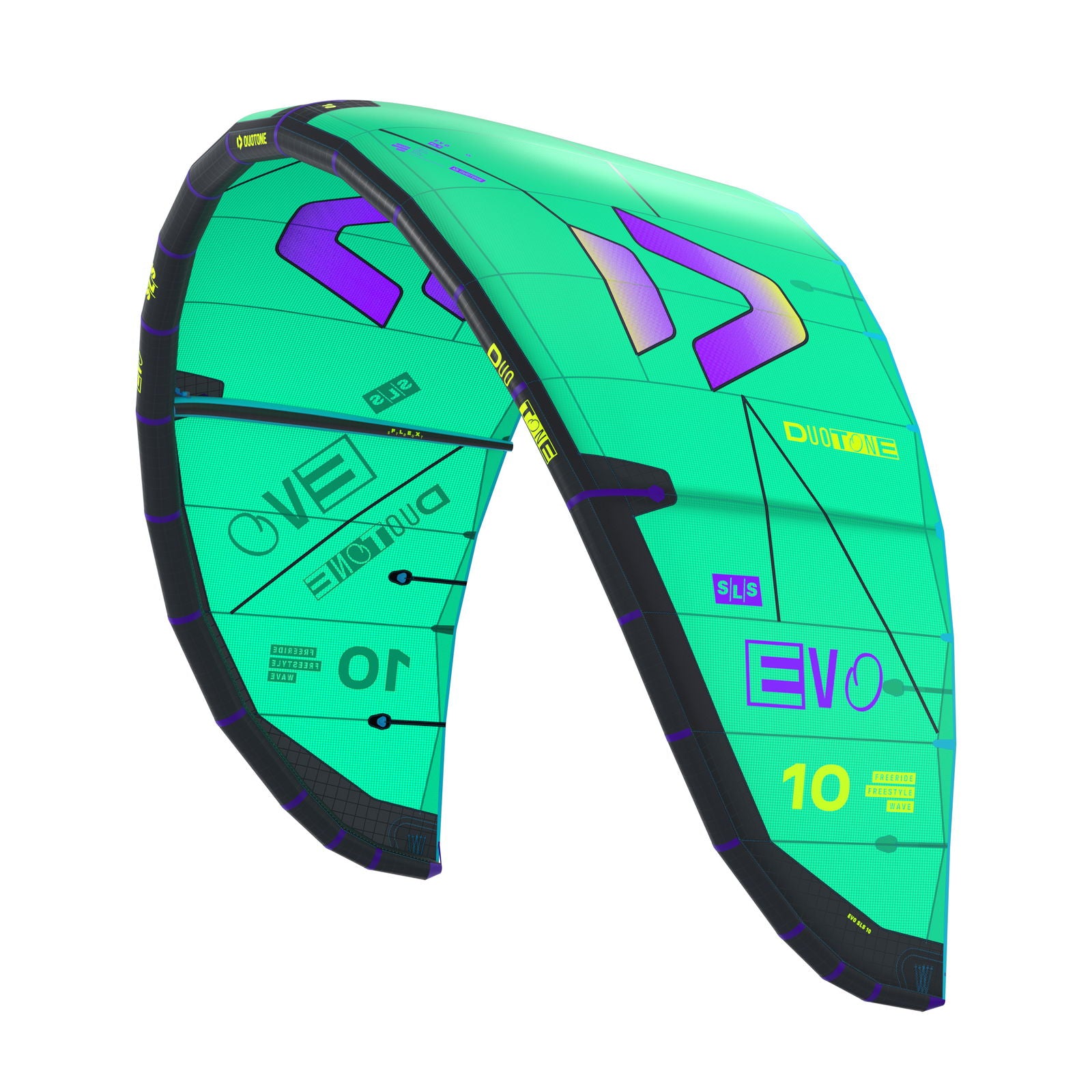
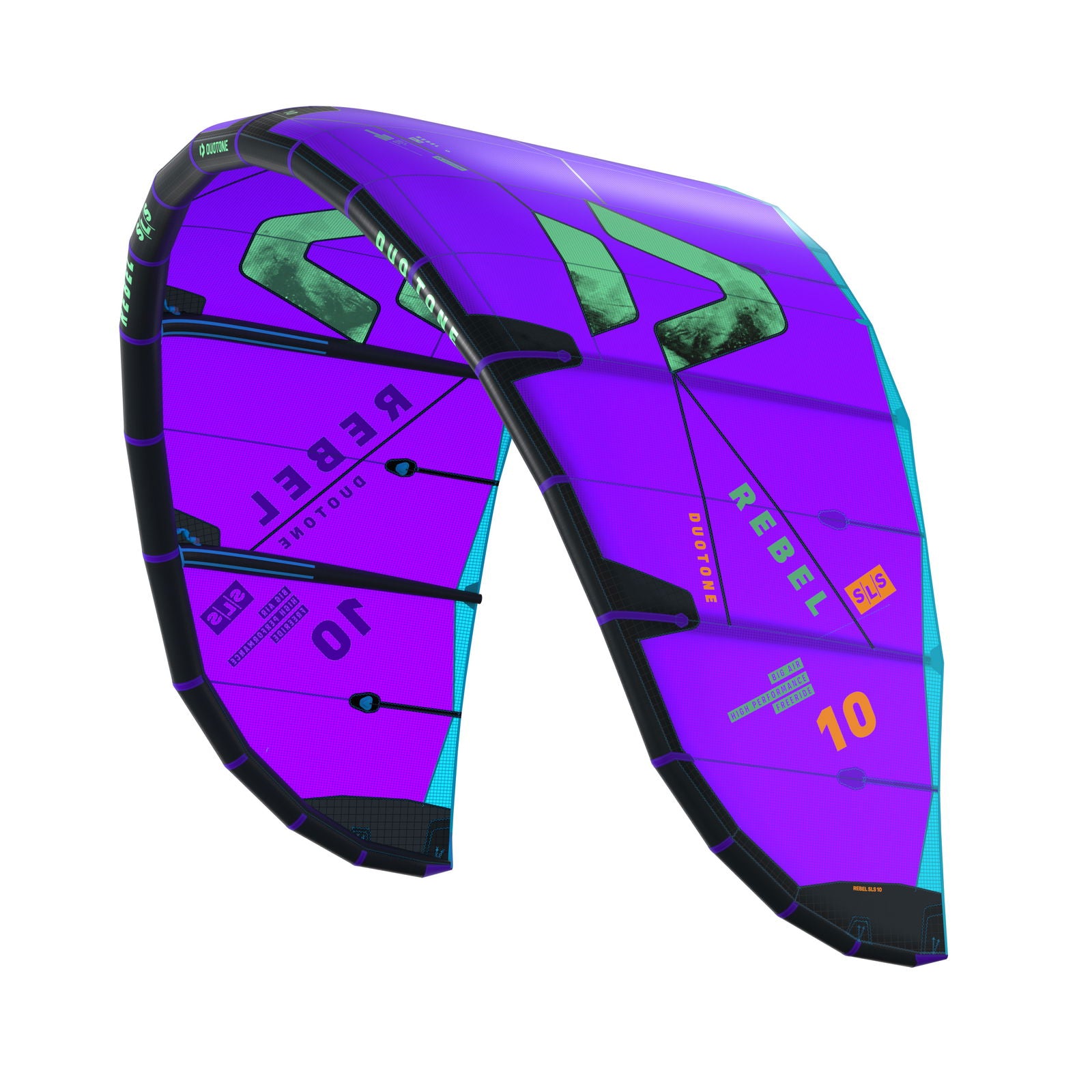
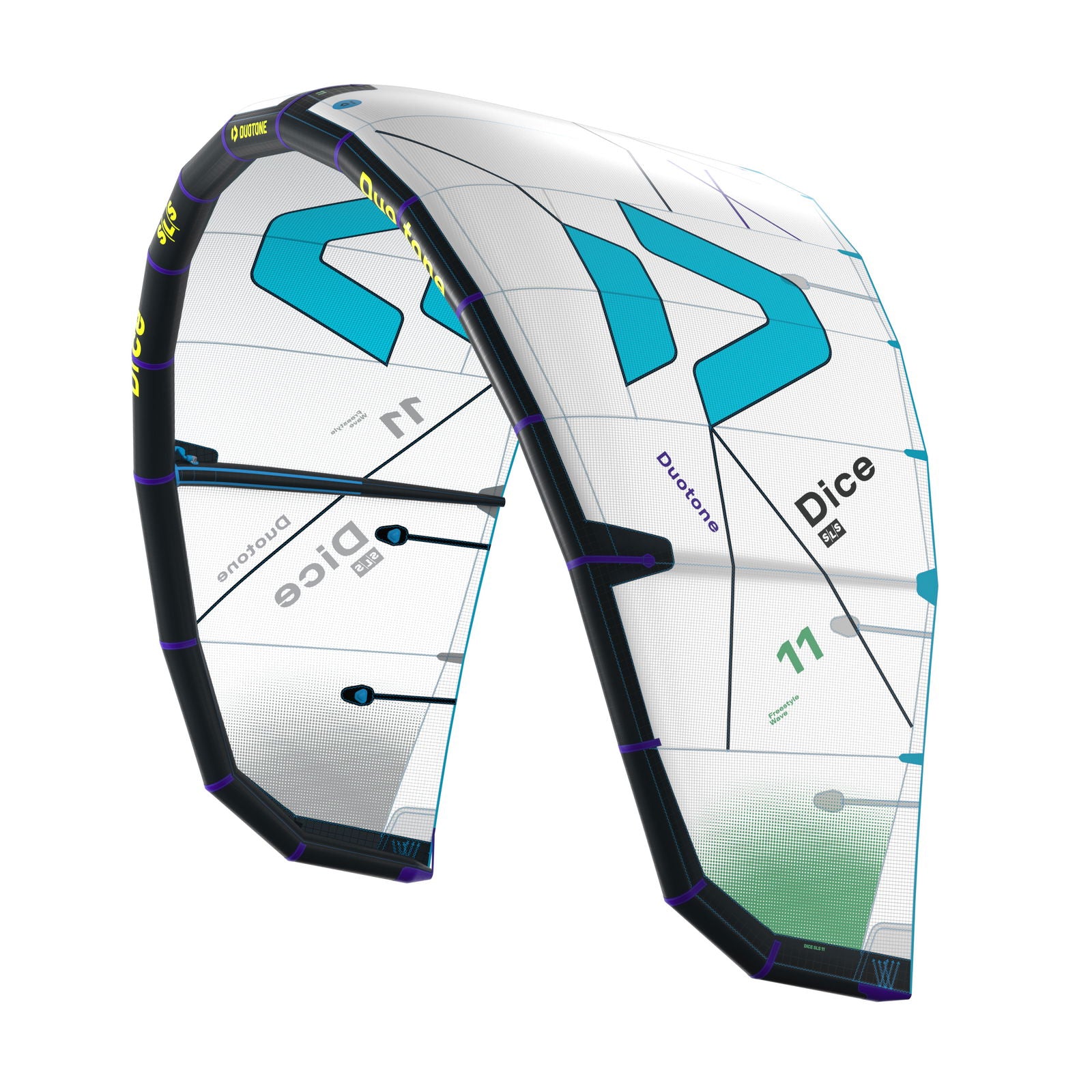
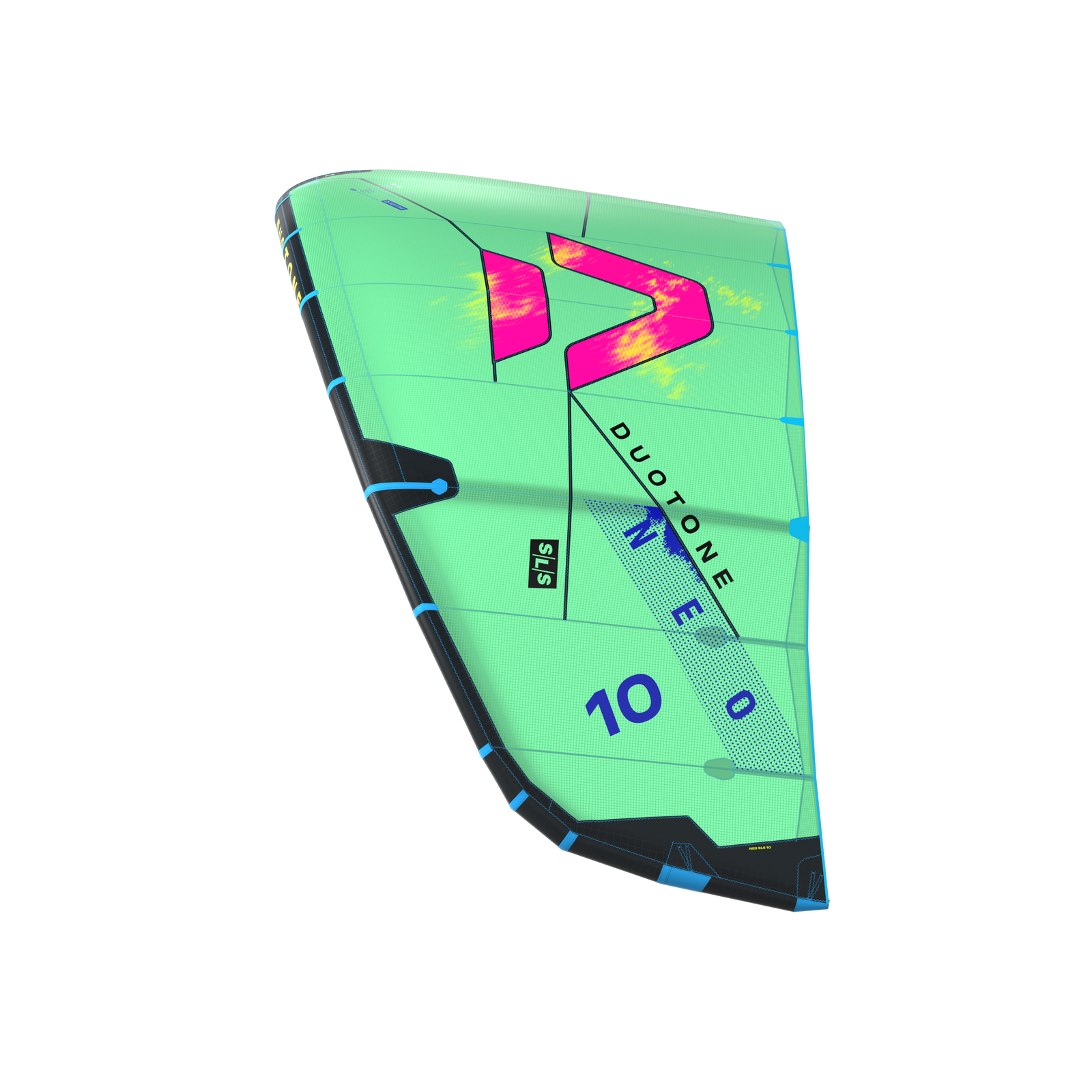
Prices and 2026 specs are pulled live from each product page. Confirm on the product page before checkout.
04 — MistakesThree mistakes we see every week
Ready to ride crowded water safely?
Browse our full kite range—all stock ships within 2 working days across Europe.
Frequently asked
Stick to 9–12 m² in 12–20 knots. Smaller kites are harder to launch and land when you're under pressure. Larger kites are harder to control. A 9 m² on a good day or a 12 m² in lighter wind gives you the edge.
Ask them first. Some beaches ban it during peak season or peak hours. Others want you in a designated zone. Respect their call—they're liable if someone gets hurt, so they take it seriously.
At least 50 metres. Closer than that and you're one gust away from a collision. If you can't get 50 metres clear, don't launch.
Not necessarily. You want a kite that responds to your input quickly—the opposite of stable. Duotone and Cabrinha's 2026 ranges give you precise control, which is what you need when there's no room for error.