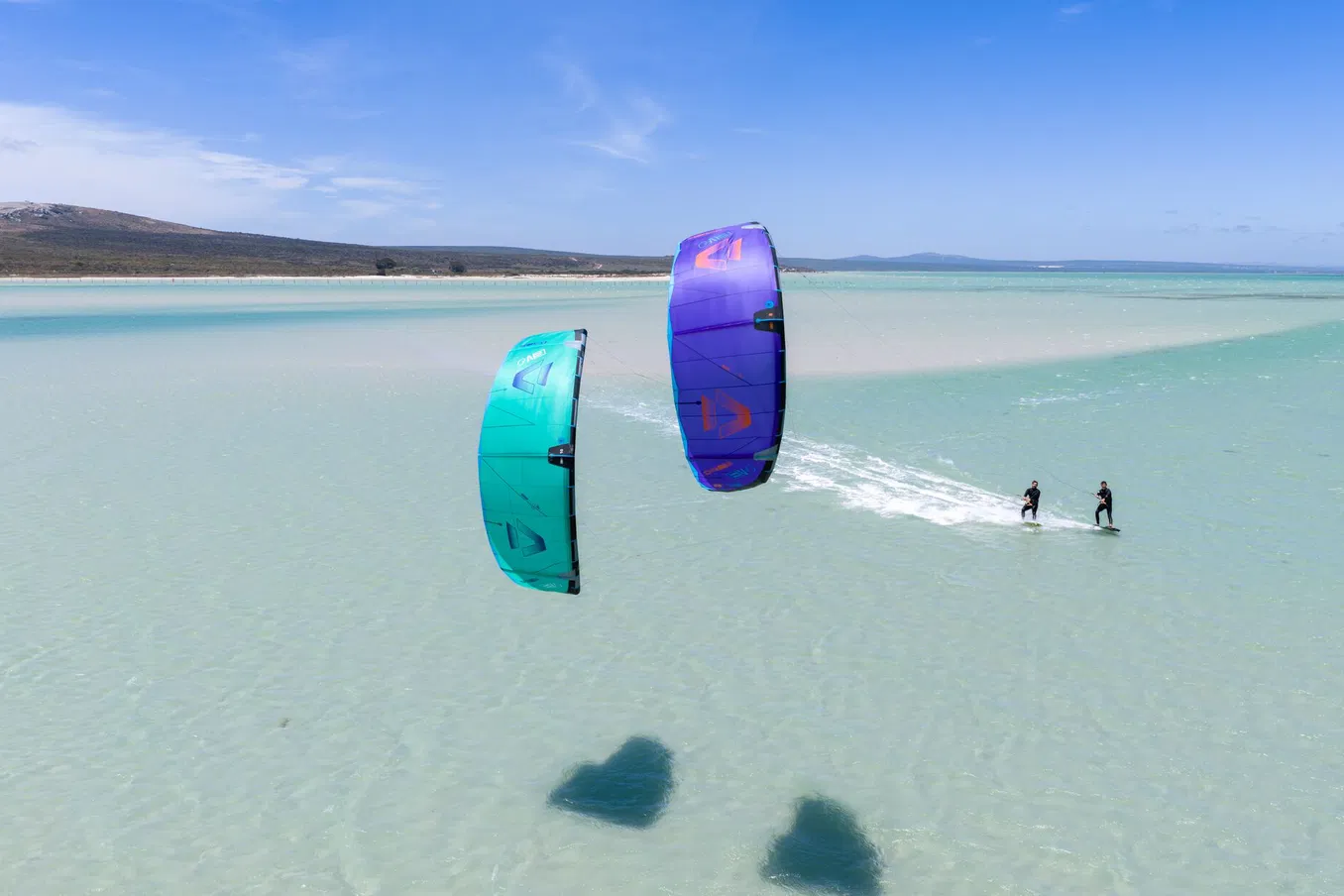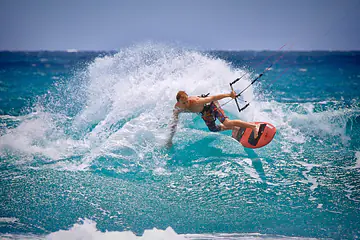
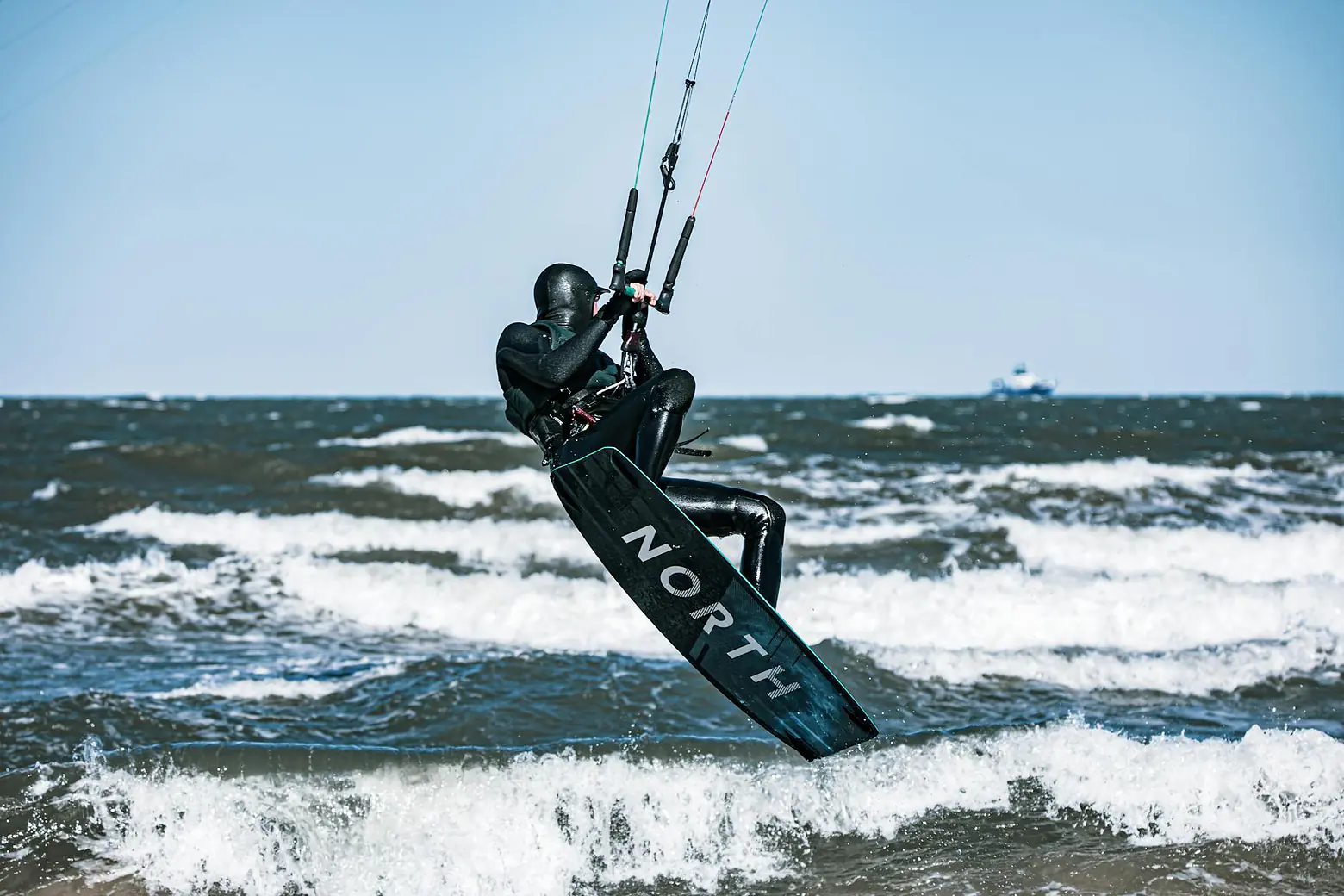
Kitesurfing in Gusty Wind — How to Stay Safe
Gusty wind turns a fun session into a fight for control. The difference between staying safe and eating sky comes down to three things: the right kite size, constant bar awareness, and smart positioning.
Ride one size smaller than you'd normally choose. Stay upwind with room to manoeuvre. Watch your bar pressure — when a gust hits, the bar gets heavy fast. Respect wind spikes (they can spike 10+ knots in seconds). The Duotone Evo SLS is built for unstable air because it's forgiving when conditions get choppy.
01 — Wind behaviourWhy Gusty Wind Changes Everything
Gusty wind isn't random — it's thermals, terrain, and wind shear stacking up. One second you're cruising; the next, a sudden spike lifts you or collapses your kite. Your body can't react that fast, but your kite does.
The problem is margin. In steady 14 knots, a 14 m² kite feels predictable. In gusty 14 knots (which might swing 8–22 knots in seconds), that same kite becomes a liability. It overshoots on the gust, undershoots on the lull. You're fighting it all the way.
02 — Kite selectionThe Golden Rule: Under-Size Your Kite
If you normally ride a 12 m² in 12–15 knots, switch to a 9 m² or 10 m² when gusts arrive. If you're a 9 m² rider, go to 7 m². Smaller kites are slower to respond to wind spikes, slower to collapse, and give you more time to react.
You'll get less hang time and fewer jumps. That's the trade-off. But you'll stay in control, stay in the water, and ride home happy. The Duotone Neo SLS punches above its weight in gusty air because it's forgiving on the bar — you won't get yanked over on a sudden spike.
03 — Our picksFour Kites Built for Unpredictable Air
All four of these Duotone 2026 kites handle wind swings better than older designs, but they're built for different riders and gust tolerances. Pick one based on your weight, skill, and how often you ride gusty spots.
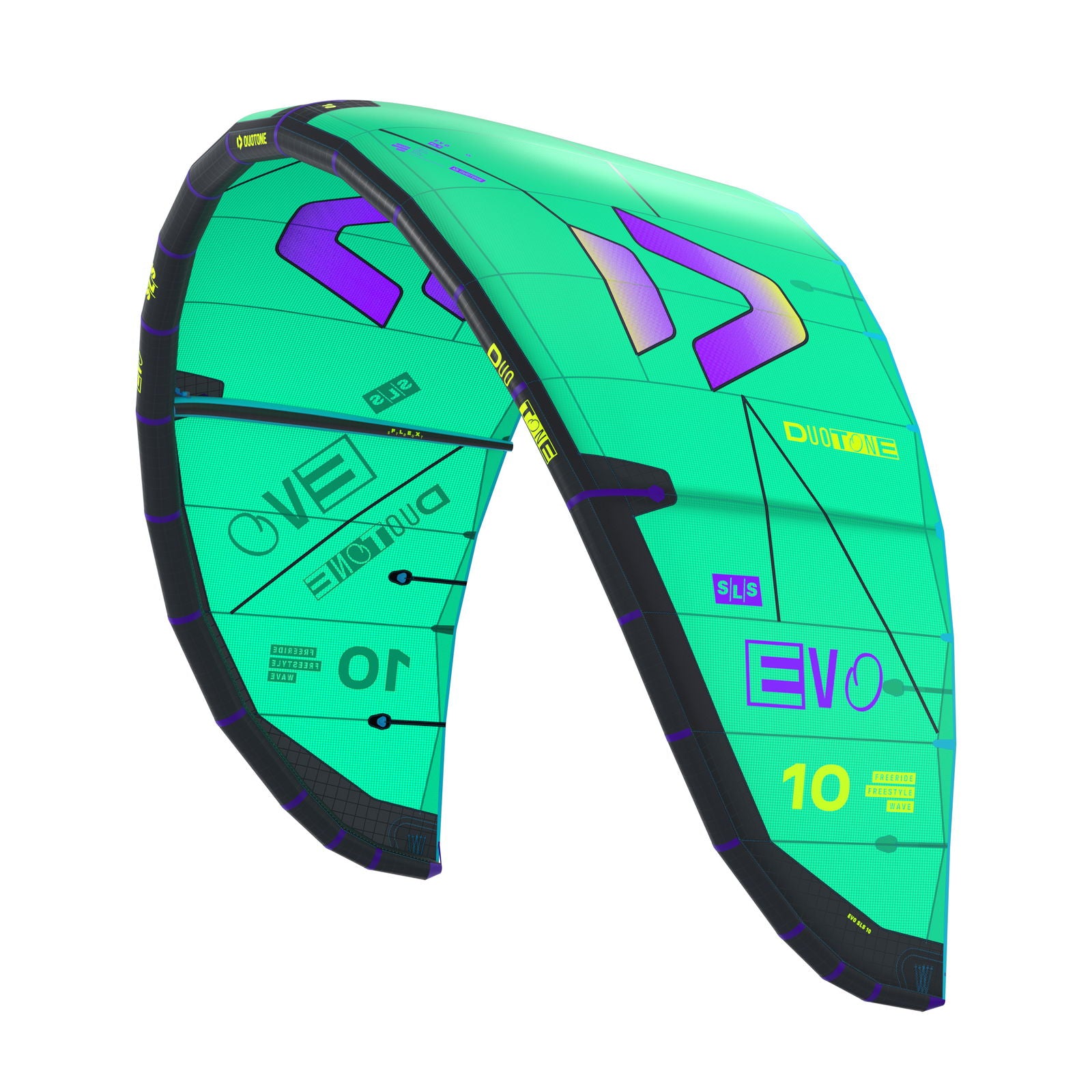
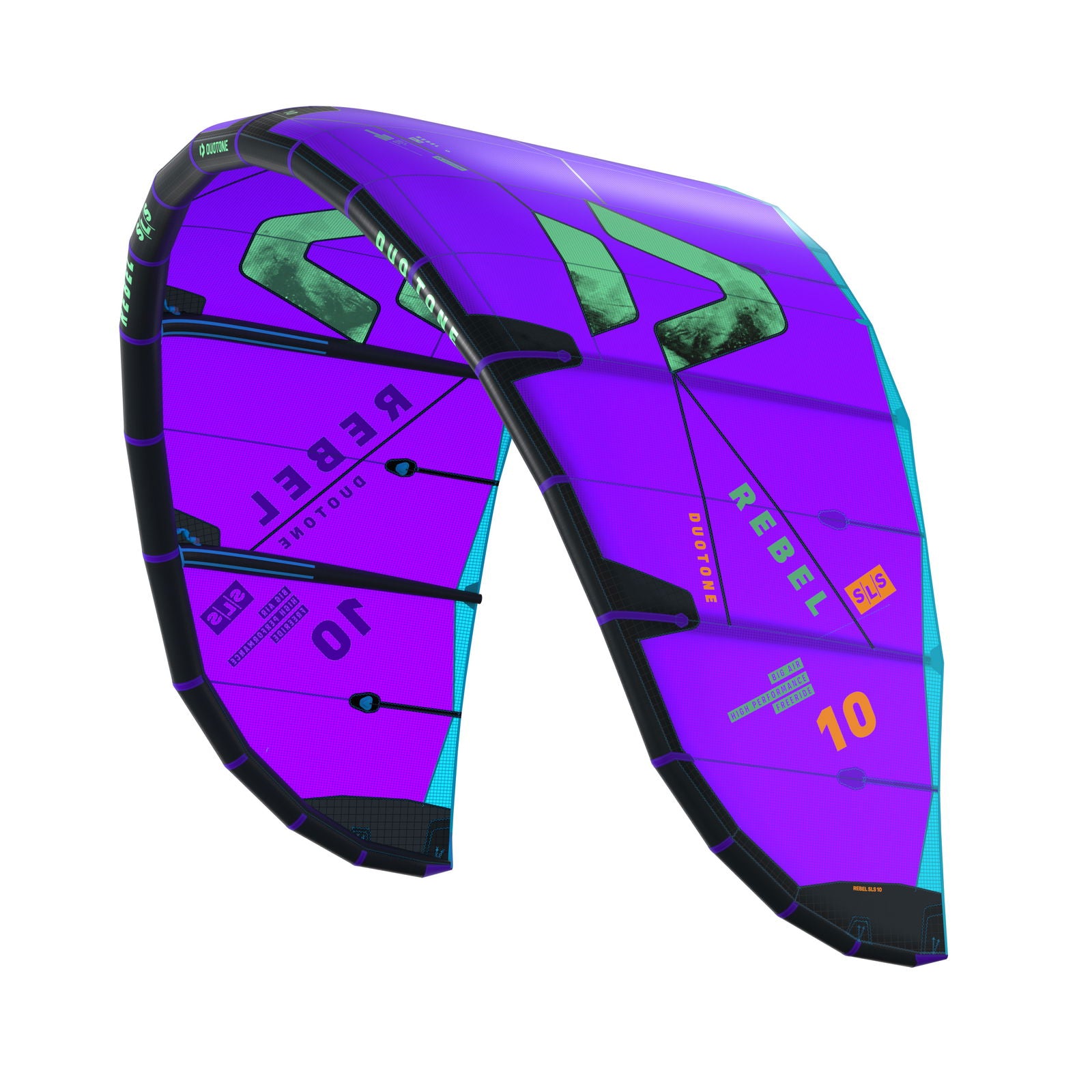
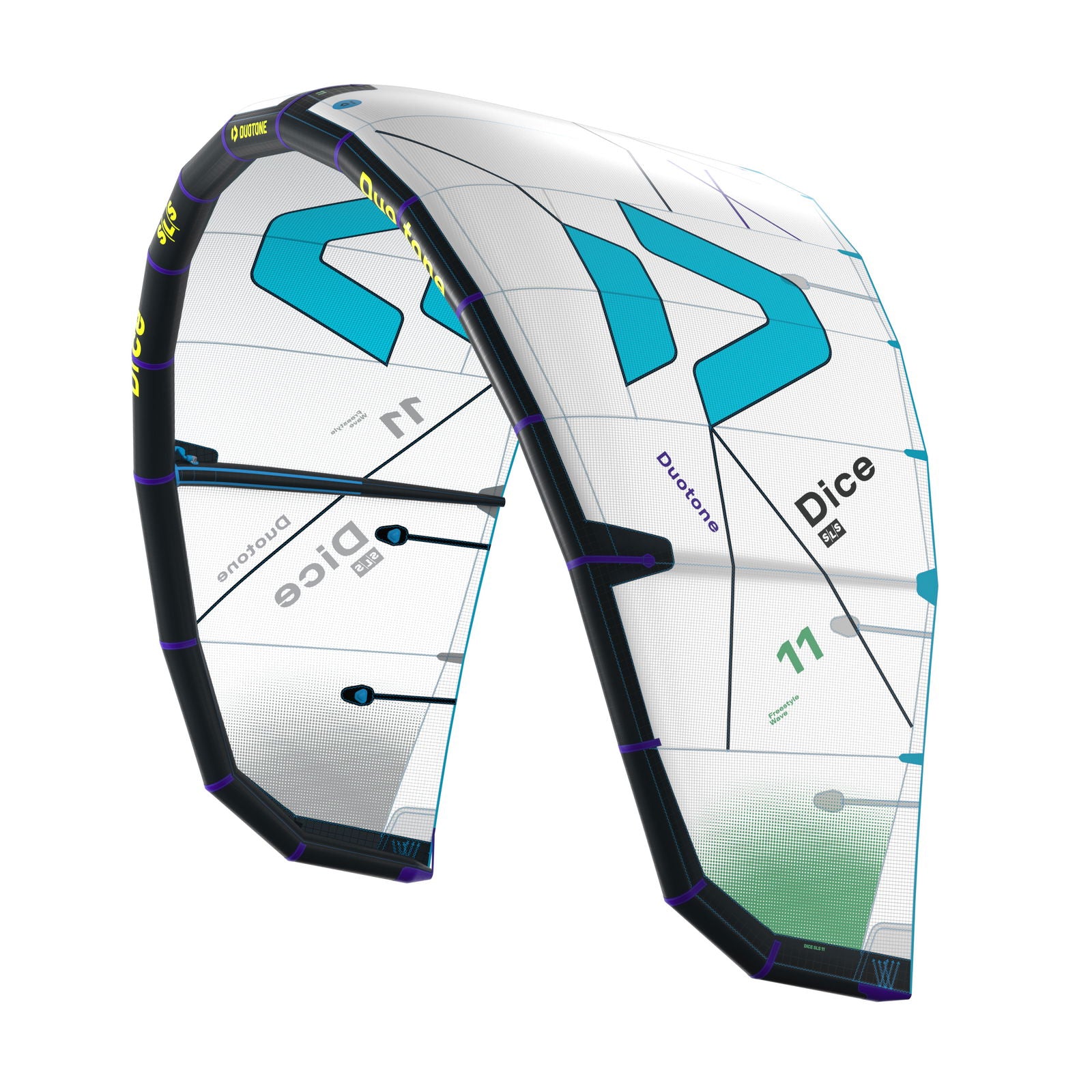
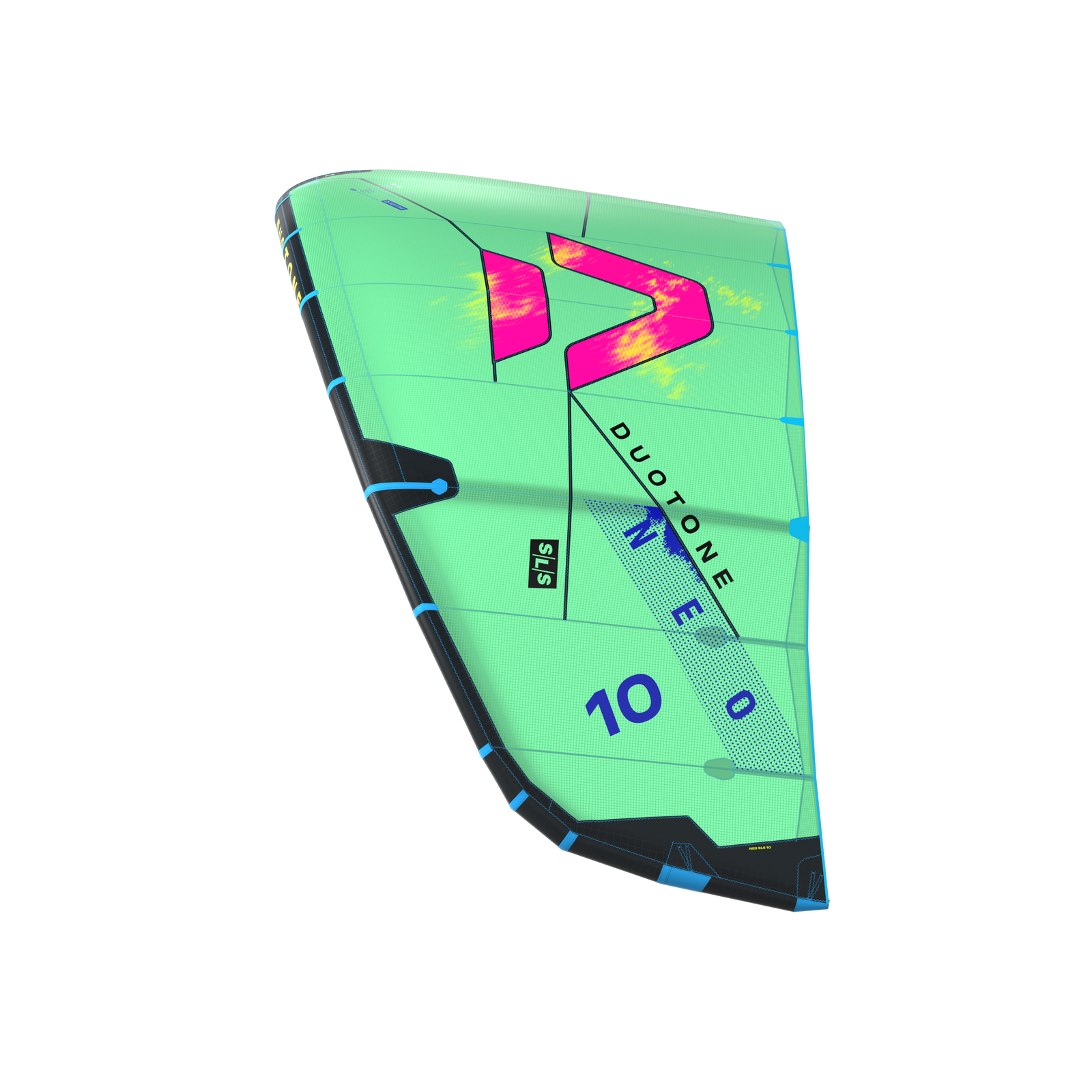
Prices and 2026 specs are pulled live from each product page. Confirm on the product page before checkout.
04 — MistakesThree mistakes we see every week
Ready to ride gusty wind safely?
Browse our full kite range — we've stocked Duotone, Cabrinha, and Gaastra kites for every wind condition since 2003.
Frequently asked
No. Gusts spike fast and your kite overshoots. Drop one size smaller — it's slower to respond and gives you more control margin.
Avoid gusting wind below 10 knots or above 20 knots until you're confident reading bar pressure and depower timing. Smooth, consistent 12–16 knots is your sweet spot.
The Evo SLS and Neo SLS are both forgiving in choppy air. The Evo is bigger and more accessible; the Neo is playful and responsive. Ride whichever matches your weight and style.
Yes. A heavy bar means the gust is pushing hard. Move your hands forward to depower, let the kite ease back, then regain power as the gust settles. Never lock your hands back on the bar in gusty conditions.