
Best Kitesurfing Weather Apps 2026 — Windy vs iKitesurf vs Others
Windy and iKitesurf are the two apps we check before every session — one for precision wind data, the other for spot-specific intel and kite size guidance. Run them side-by-side and you'll never waste a drive.
Check Windy for hourly wind models and iKitesurf for crowd reports and kite size recommendations by wind range. If you ride 12 m² in 15 knots, iKitesurf tells you instantly if conditions suit your quiver. Windfinder works too — it's lighter, faster, and older riders swear by it. Two apps running together beats one app alone.
01 — Wind data that actually worksWhy Dedicated Kitesurfing Apps Matter
Generic weather apps show wind, but they don't show what you need. A forecast of 15 knots tells you nothing if you don't know if it's steady or gusty, or if it's coming onshore or sideshore at your beach. Windy layers multiple forecast models (GFS, ECMWF, ICON) so you can see not just what the wind will be, but how confident the prediction is. Scrub the timeline backwards and forwards to spot the sweet spot — that two-hour window when conditions peak.
iKitesurf does something different: it pairs wind forecasts with 1,000+ mapped kite spots, crowd reports from real riders, and a database that says "in 16 knots, use 9 m²" or "in 20 knots, bring your 7 m²." That's the intel that saves time. You're not guessing whether your Duotone Evo SLS 2026 (9 m²) will work today — iKitesurf tells you.
02 — Choose your toolsWindy vs iKitesurf vs Windfinder — How to Use Each
Windy is your precision instrument. Open it, zoom to your beach, and animate the forecast 48 hours out. You'll see wind speed, direction, and gusts overlaid on a satellite map. The animated loops are fast — you can spot a front moving through in seconds. Riders from Tarifa to Cape Town have told us Windy catches wind shifts others miss.
iKitesurf is your local guide. It knows your spot by name, shows you what other riders did yesterday, and auto-matches kite sizes to the forecast. If you own a 12 m² Duotone Rebel SLS 2026 and a 9 m² Duotone Neo SLS 2026, it tells you which to grab. Windfinder is the minimalist choice — lightweight app, fast load, no fluff. Older riders favour it because it works on slow connections and doesn't drain your phone battery.
03 — Our picksFour Kites for Four Wind Ranges — Let the App Tell You
Your quiver should span 10–30 knots. Beginners often own one kite (mistake). We recommend a 9 m² for 12–20 knots and a 12 m² for light wind. If you're heavier or ride waves, add a 7 m². iKitesurf will tell you exactly which size to rig based on today's forecast.
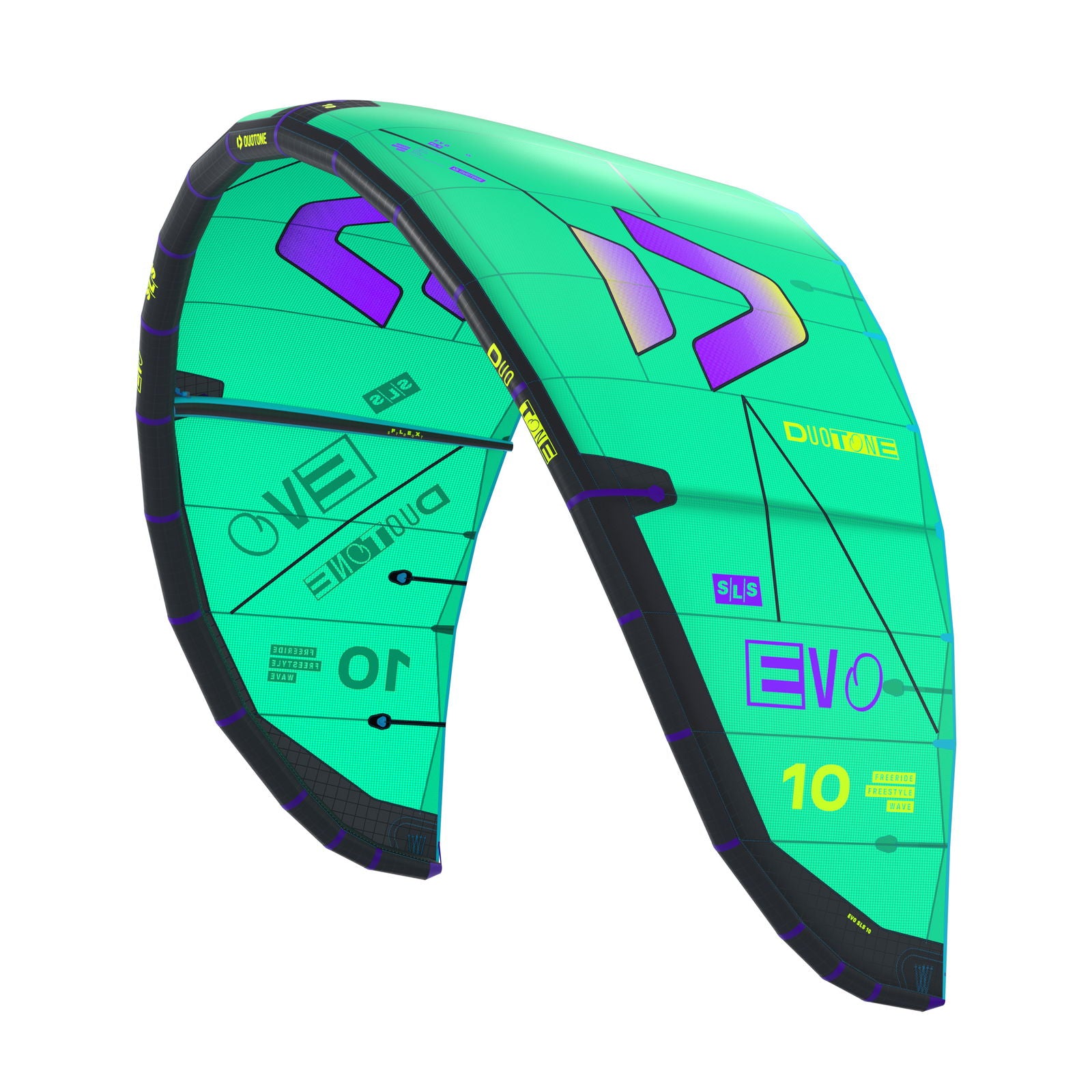
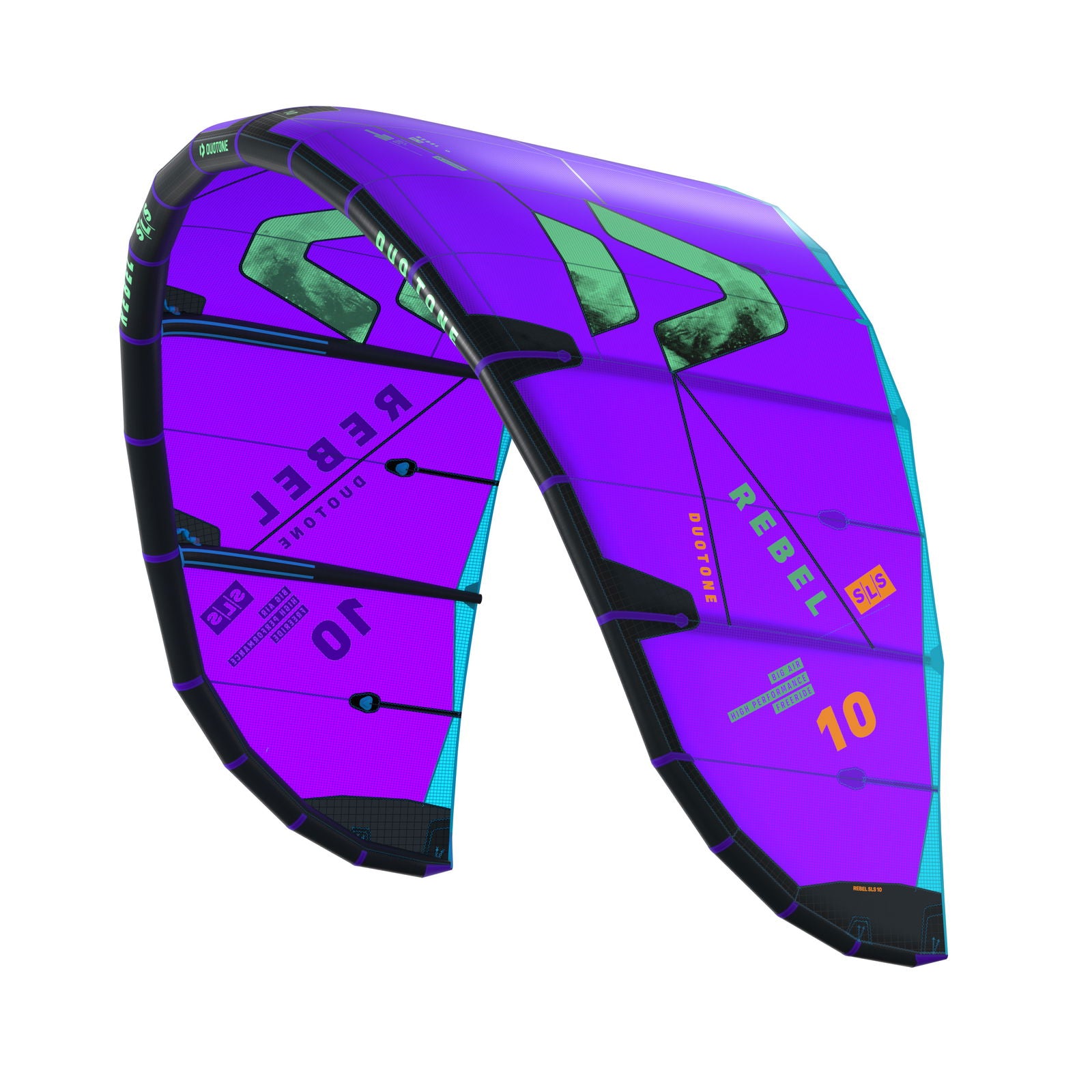
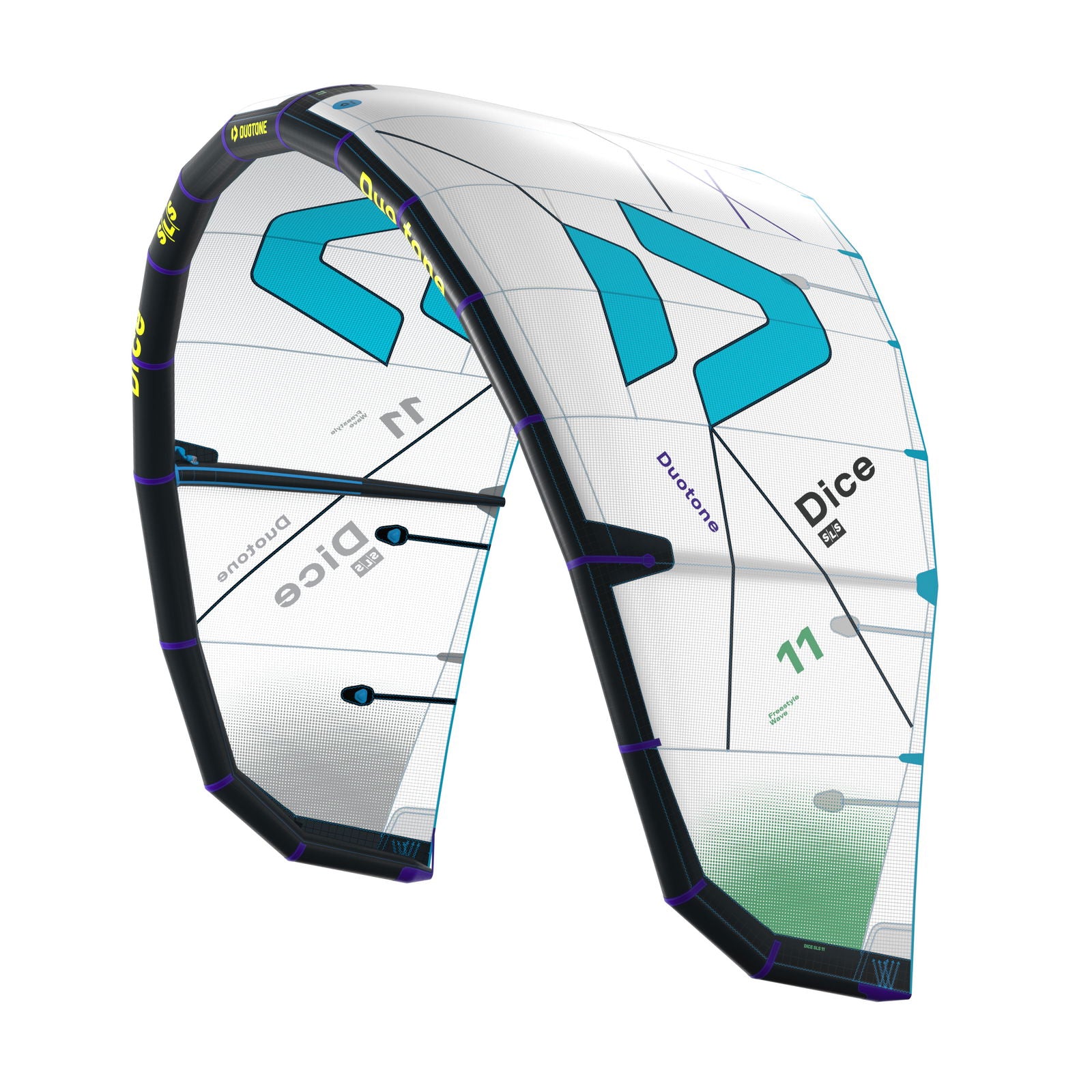
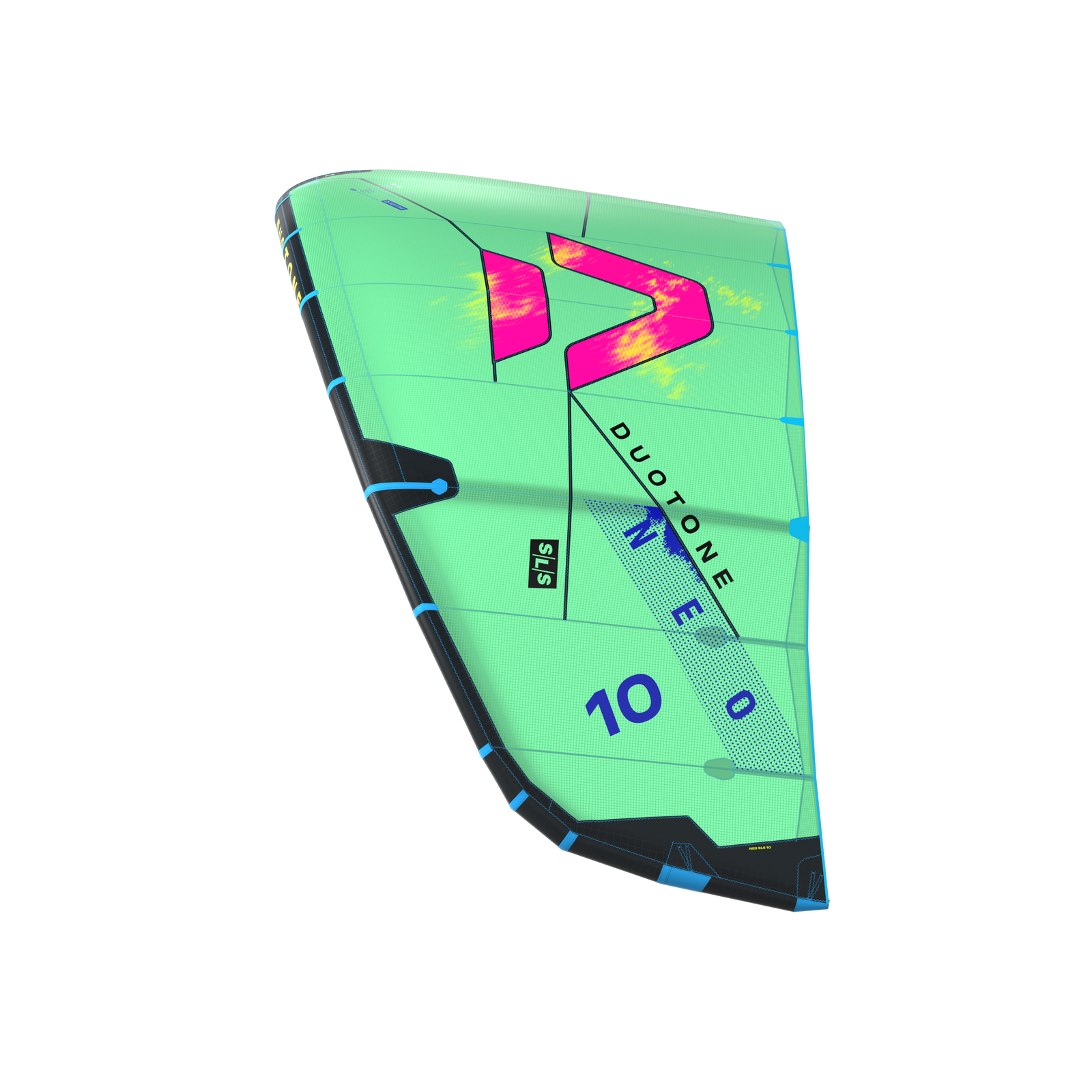
Prices and 2026 specs are pulled live from each product page. Confirm on the product page before checkout.
04 — MistakesThree mistakes we see every week
Ready to dial in your next session?
Grab a Duotone kite that matches your local wind range, then let the app show you when to go.
Frequently asked
You can, but you'll miss spot-specific crowd intel and kite size guidance. Many riders run Windy for the raw forecast and iKitesurf for the local knowledge. Both take seconds to open.
Windy and iKitesurf need internet to pull fresh forecasts. Download the map tiles beforehand if you're heading somewhere remote, but live forecasts always need a connection.
iKitesurf is built for that. Feed it your wind forecast and it'll recommend kite sizes from its database. If you ride a Duotone Dice SLS 2026 (9 m²), it'll tell you if today suits it.
If your phone is fast and your data plan is good, probably not — Windy covers everything. But Windfinder loads faster and uses less data, so it's a backup on slow days or low-signal spots.