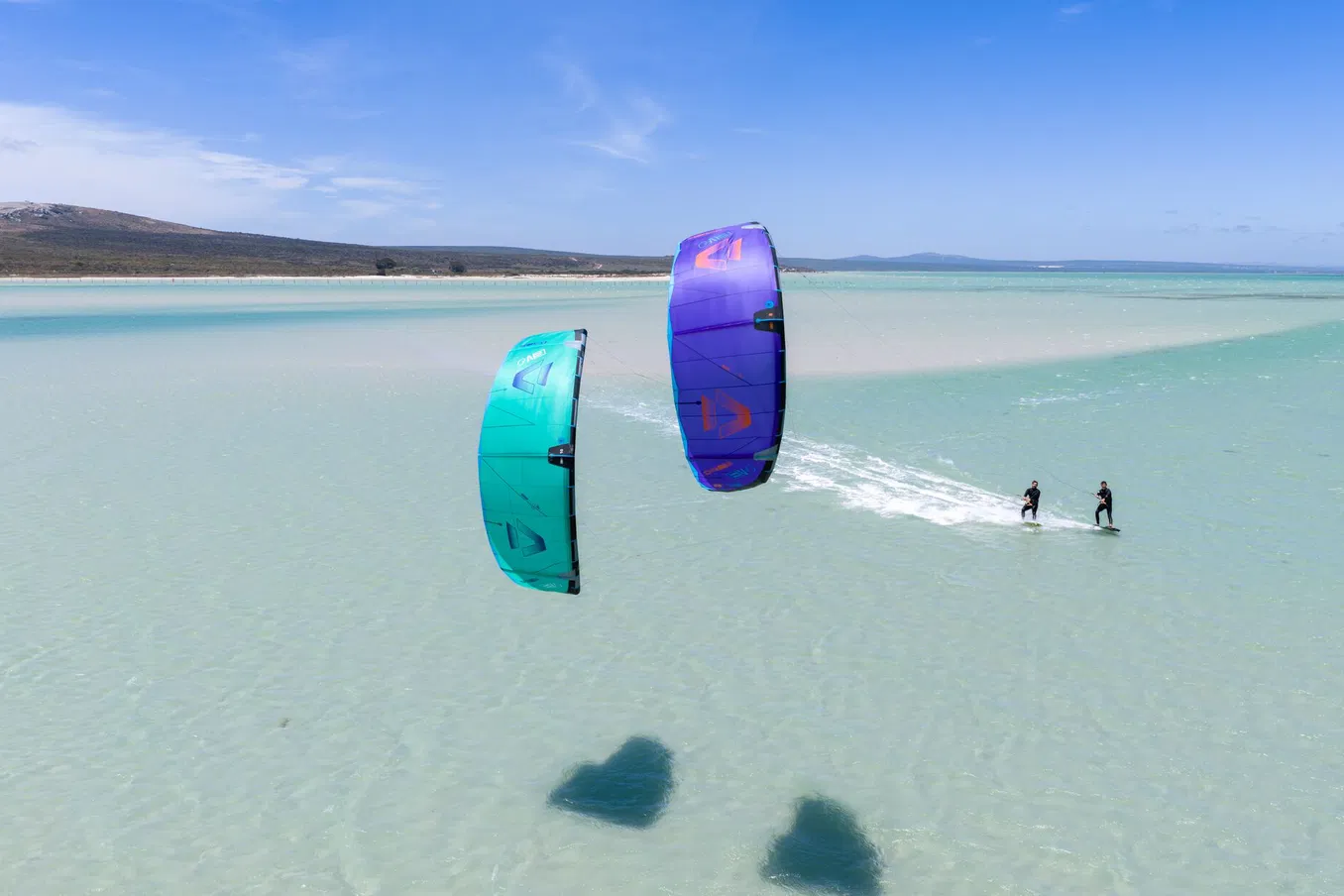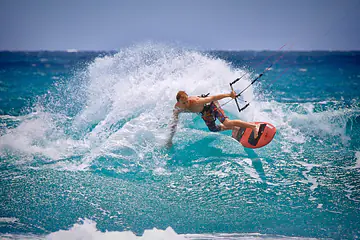
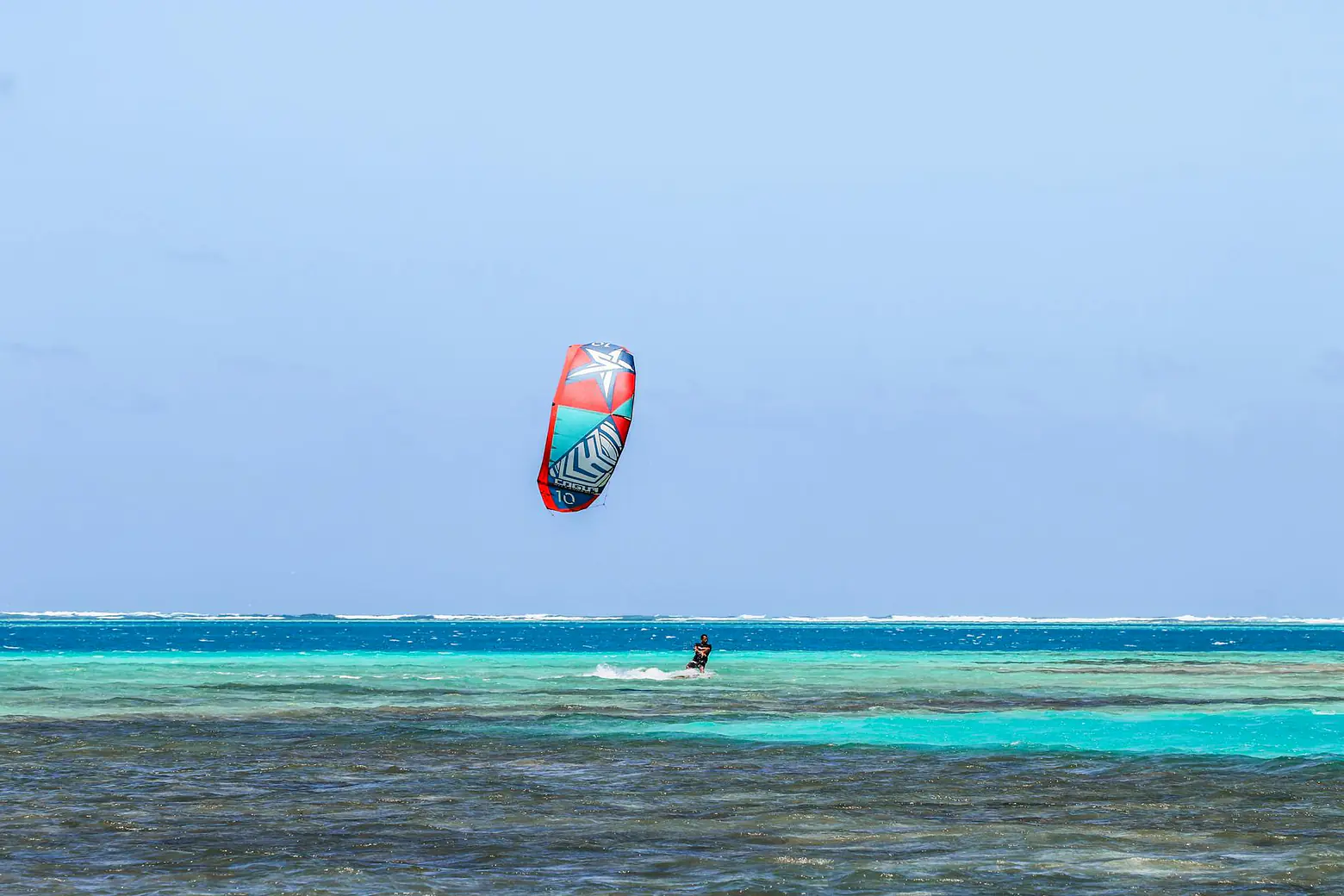
Kitesurfing the Tramontane — Roussillon Wind Guide
The Tramontane isn't a breeze—it's a violent northwesterly that screams down the Rhône Valley with gusts over 50 knots and almost zero warning. We'll show you how to read it, rig for it, and stay upwind when it hits.
The Tramontane demands smaller kites (7–10 m²), stiff-flex boards, and explosive wave awareness. It runs 25–45 knots sustained with 35–55 knot gusts from late autumn through spring. We recommend the Duotone Evo SLS for its responsive bar feel in violent wind transitions.
01 — Wind mechanicsWhat the Tramontane Actually Is
The Tramontane is a cold, northwesterly thermal drainage wind born when high-pressure systems squeeze air down the Rhône Valley toward the Mediterranean. It hits Lac du Salagou, the Camargue, and coastal France with almost clockwork regularity between late autumn and early spring.
You'll see it forecast as a yellow-flag day: sustained 25–45 knots, gusts into the 50s. The kicker? It builds without warning. Riders from Tarifa to Cape Town tell us the Tramontane's the one wind that can shut down a beach in minutes. Unpredictability is the game here.
02 — Gear choiceKite Sizing and Stiffness in Violent Wind
In Tramontane conditions, go smaller. A 12 m² works in steady 20-knot trade wind. In the Tramontane, you'll want 7–9 m² as your go-to. Why? Gusts that hit 50+ knots will pin you if you're rigged for average wind. Smaller kites sit higher in the window and forgive sudden pressure spikes.
Stiffness matters more than size here. We stock Duotone's SLS line—the Evo and Rebel both hold their shape when the Tramontane tries to fold them sideways. A floppy kite becomes a sledge in violent transitions. Riders who've switched from 12 m² freeride kites to a stiff 9 m² report they actually fly higher and stay upwind longer.
03 — Our picksOur 4 In-Stock Picks
We've tested each of these in sustained 30+ knot blasts at Lac du Salagou. Pick based on your weight and how often you chase Tramontane days.
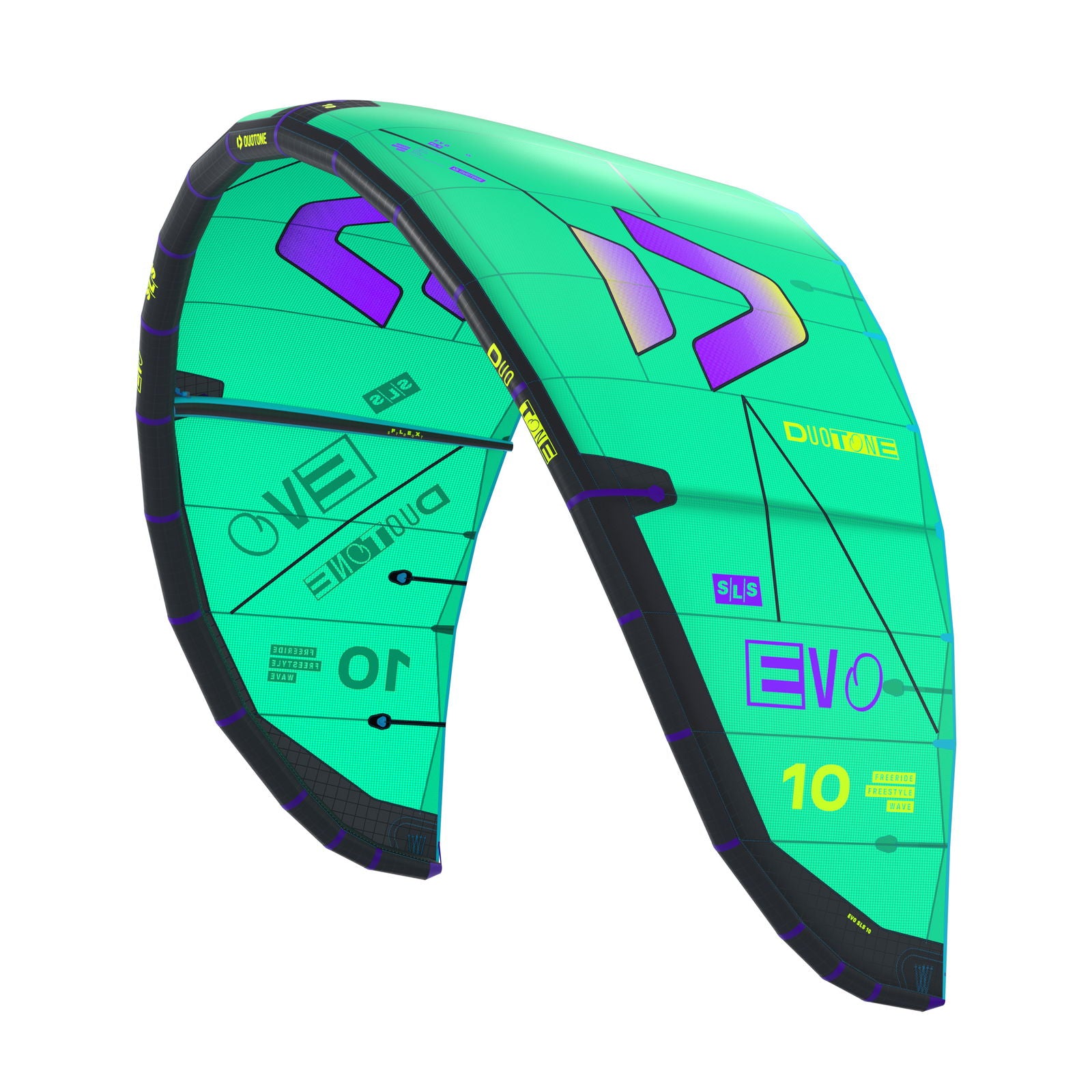
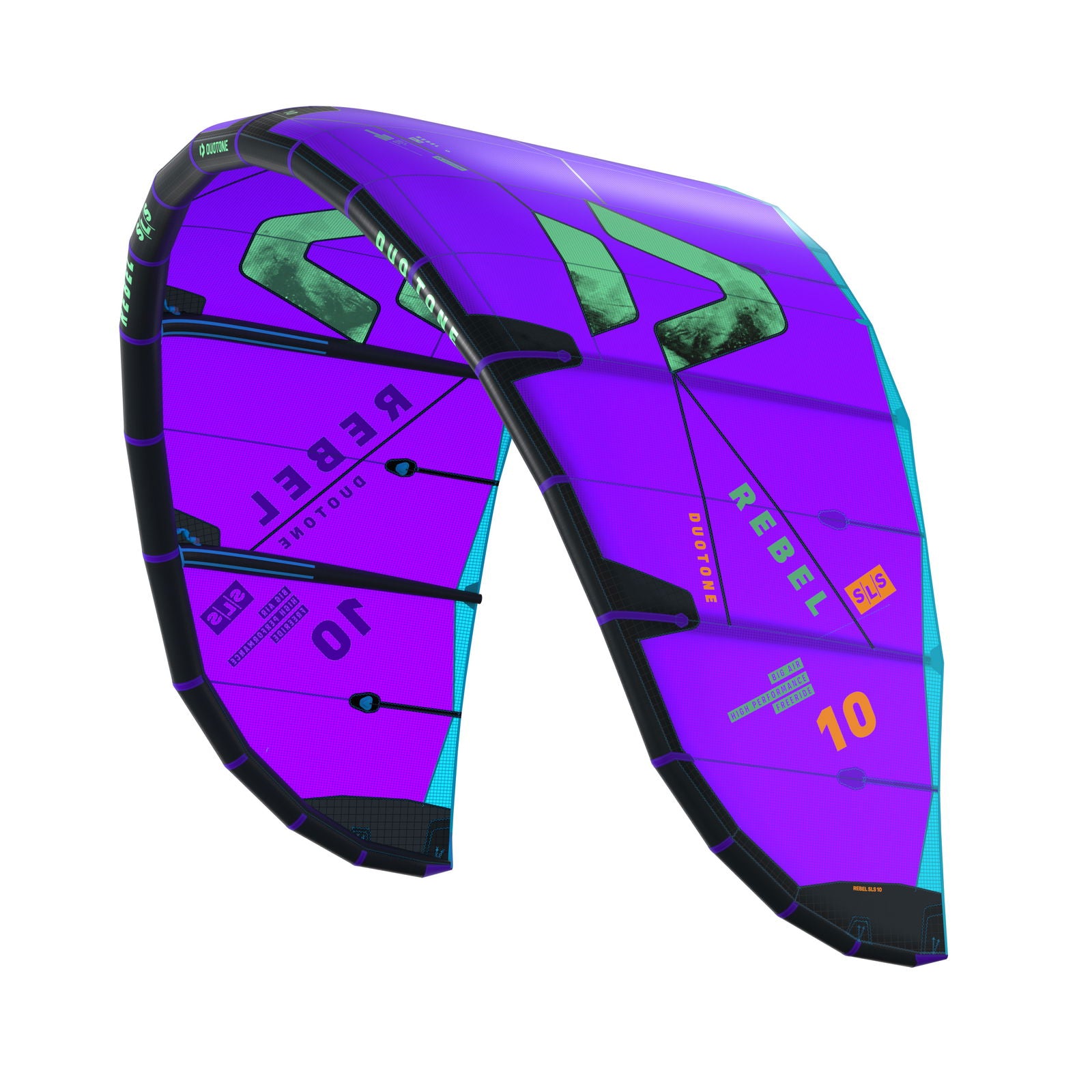
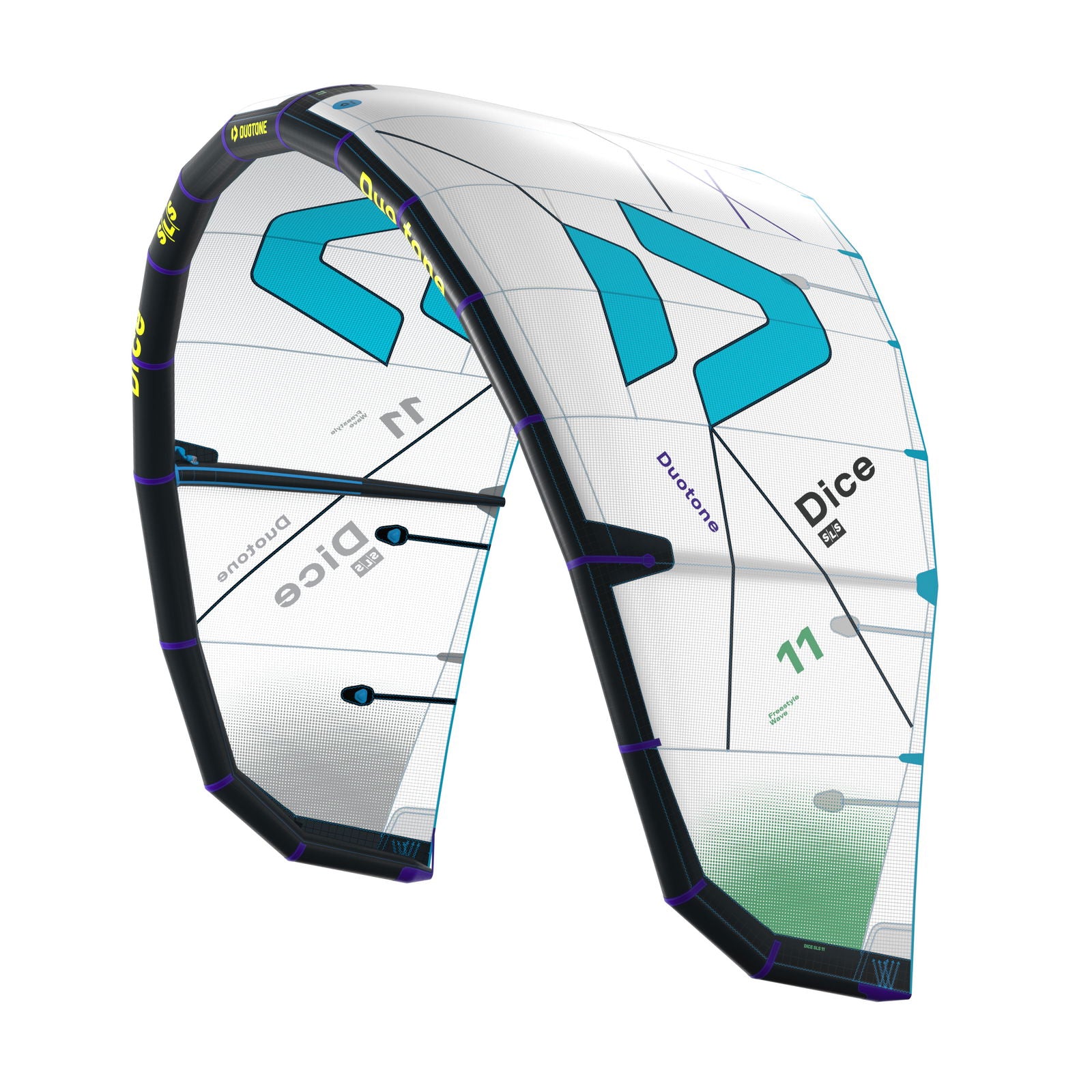
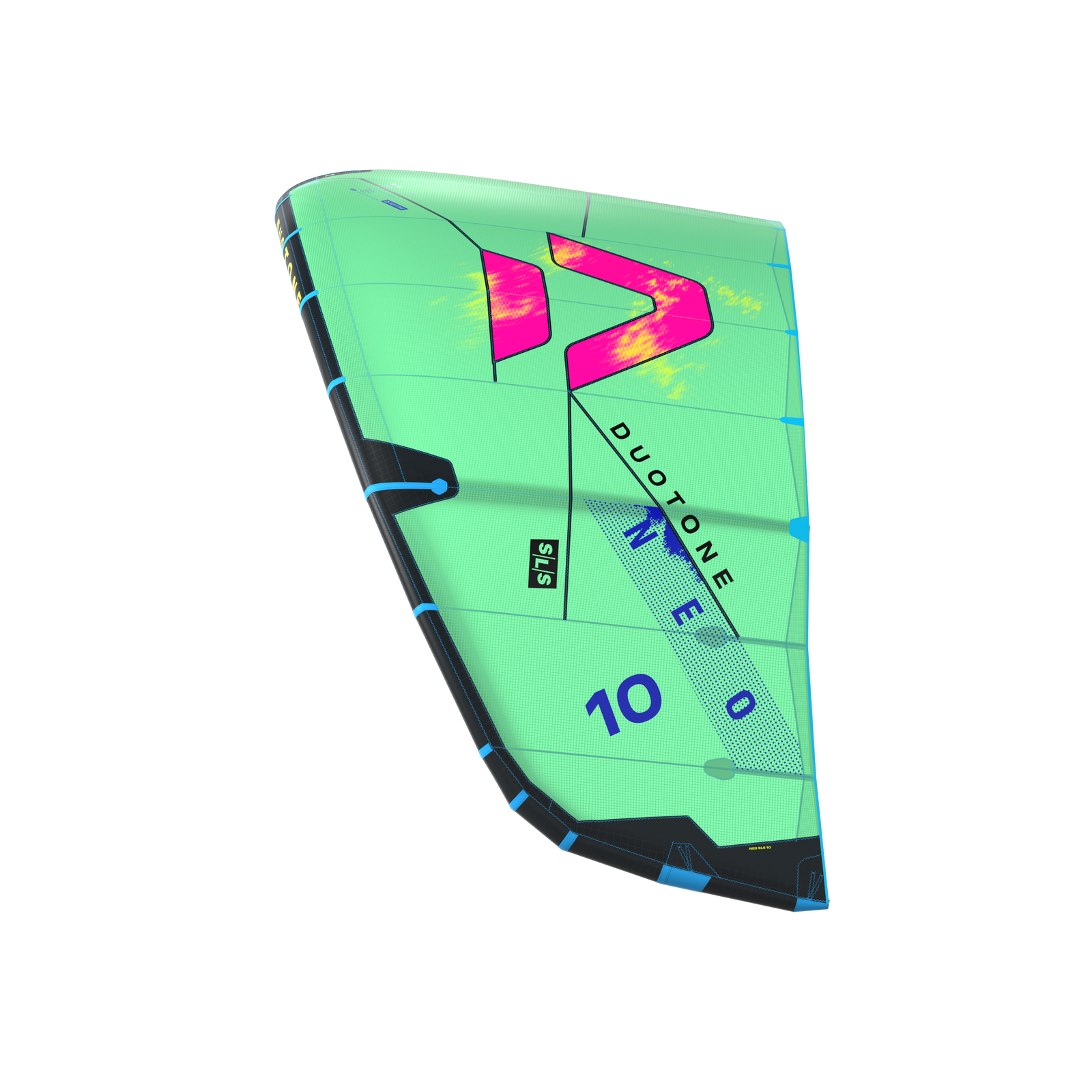
Prices and 2026 specs are pulled live from each product page. Confirm on the product page before checkout.
04 — MistakesThree mistakes we see every week
Ready to chase the Tramontane?
Browse our full Duotone, Cabrinha, and Gaastra kite range for the conditions you'll face.
Frequently asked
Start with 7 m² in sustained 30+ knots. In the 25–28 knot window, a 9 m² gives you more glide. Avoid 12 m² unless it's the tail end of the system and gusts stay under 40 knots.
Not ideal. The Tramontane demands wave awareness and instant edge response. A stiff wave or freestyle twin-tip keeps you upwind when the bar goes wide. Freeride boards will push you downwind in aggressive gusts.
Check the product page for your specific model. Generally, front-line bridle settings tighten the kite's response and reduce float in gusts. We recommend moving the bar depower line 5–10 cm forward from your normal sweet spot.
Late October through March, peaking November–February. Check Windy.com for 5-day forecasts. We often see 8–12 solid days per month, but they cluster unpredictably around pressure troughs.