
C-Kite vs Bow/Delta Kite — What's the Difference?
C-kites and bow kites look different because they're built for different riders and conditions. We'll break down the shape, feel, and which one suits your style.
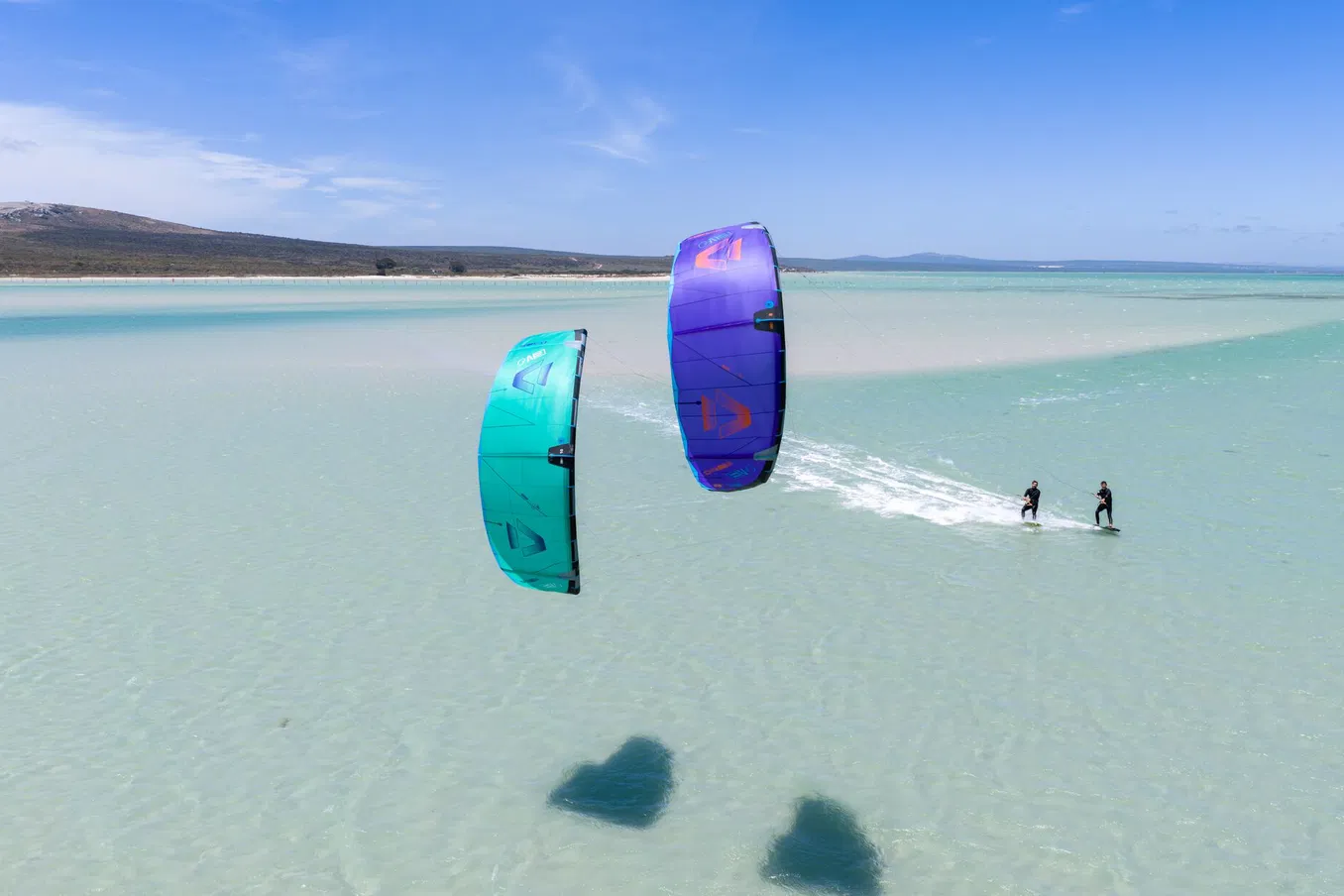
A C-kite has curved wingtips delivering direct, snappy turning and aggressive feedback—pick it for freeride and racing. A bow kite (or delta) has a flatter wing with centre deflection, offering stability and easy relaunches—better for learning and light wind. Your choice depends on whether you want precision or forgiveness.
01 — Geometry & FeelShape: Wing Design Is Everything
Look at a C-kite from above and you'll see the wingtips curve inward like a crescent. That shape creates edge pressure and aggressive lift—every bar movement feels direct and snappy. You're getting immediate feedback, which is why racers and aggressive freeriders love them.
A bow kite's wing is flatter, almost rectangular when viewed from above. The centre of the wing deflects more under load, absorbing impact and giving you a smoother, more forgiving ride. It's why beginners and lighter-wind riders gravitate toward bows—they're more stable and easier to relaunch if you mess up.
02 — Steering & ControlHow They Feel at the Bar
C-kites are twitchy. Roll them edge-to-edge and they respond instantly—no lag, no softness. That's brilliant for carving tight turns or popping tricks, but it demands precision from your hands. You can't be sloppy; the kite will punish slack bar input.
Bow kites are forgiving. You've got more room to experiment with bar input, and the kite won't snap at you for minor mistakes. The trade-off? Turning takes fractionally longer, and you won't get quite the pop or edge hold that a C-kite gives. Pick a bow if you want to relax and progress steadily. Pick a C-kite if you're chasing performance.
03 — Our picksOur 4 In-Stock Picks
We stock Duotone's full 2026 range—all are built to last and rigged for European wind. Pick based on your style and experience level below.
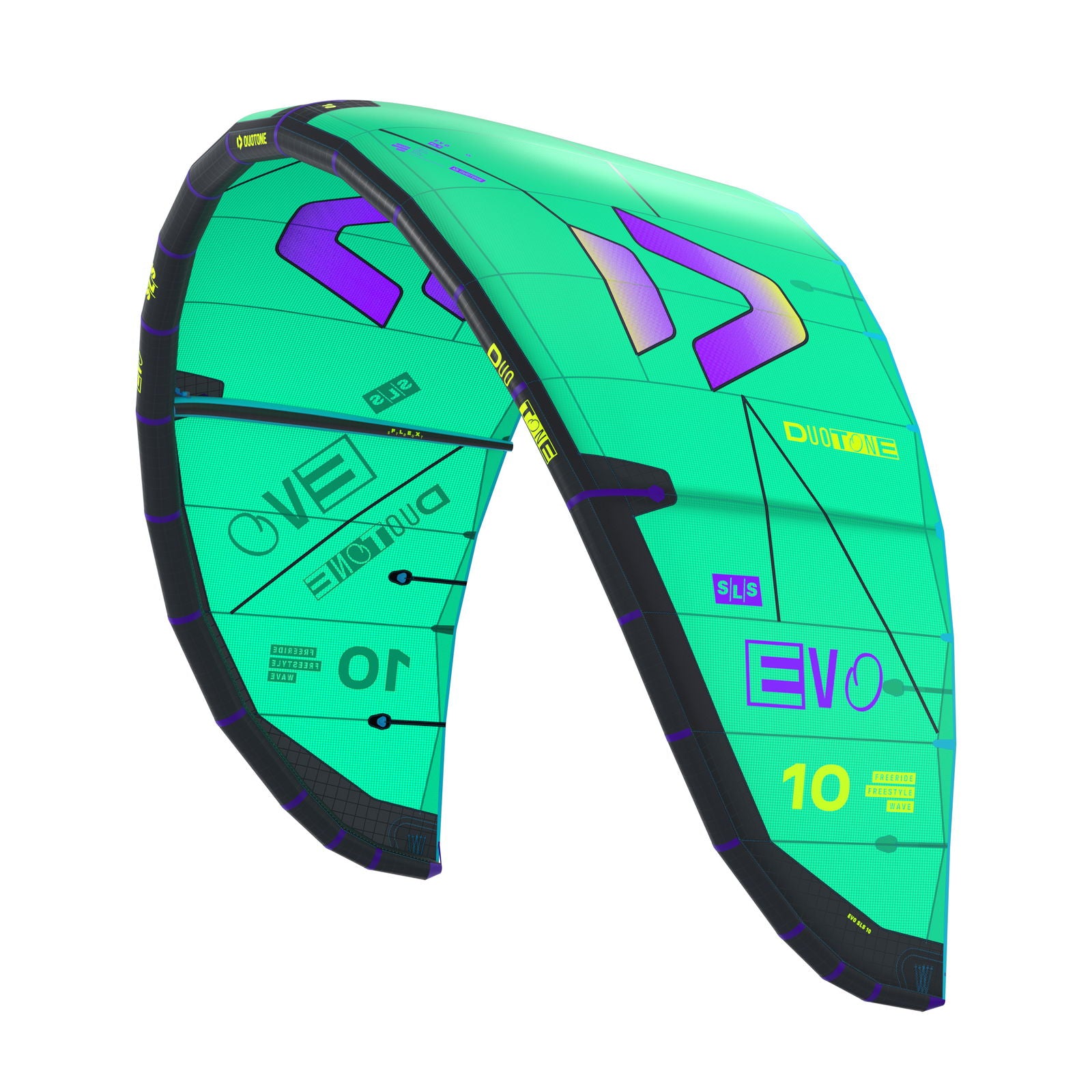
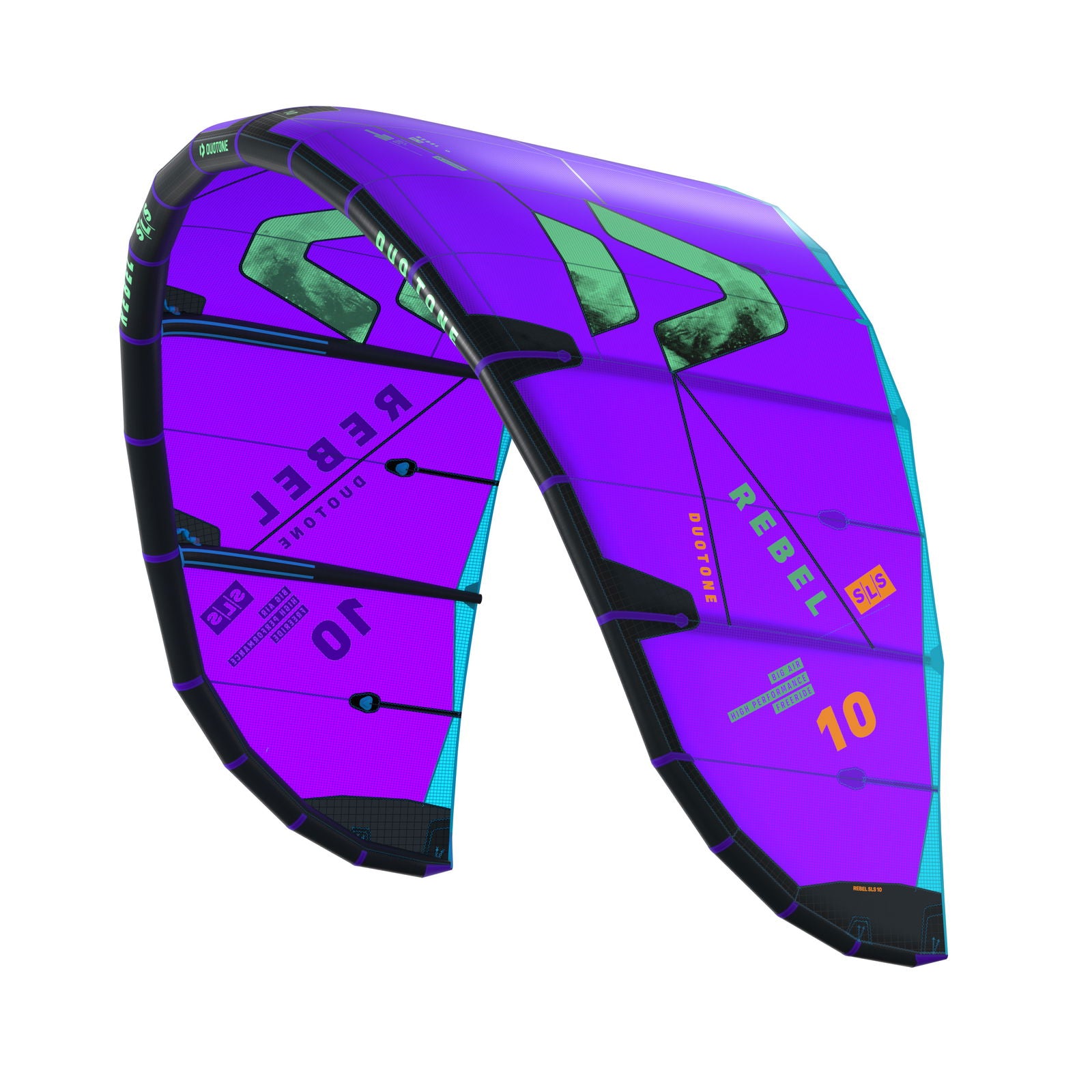
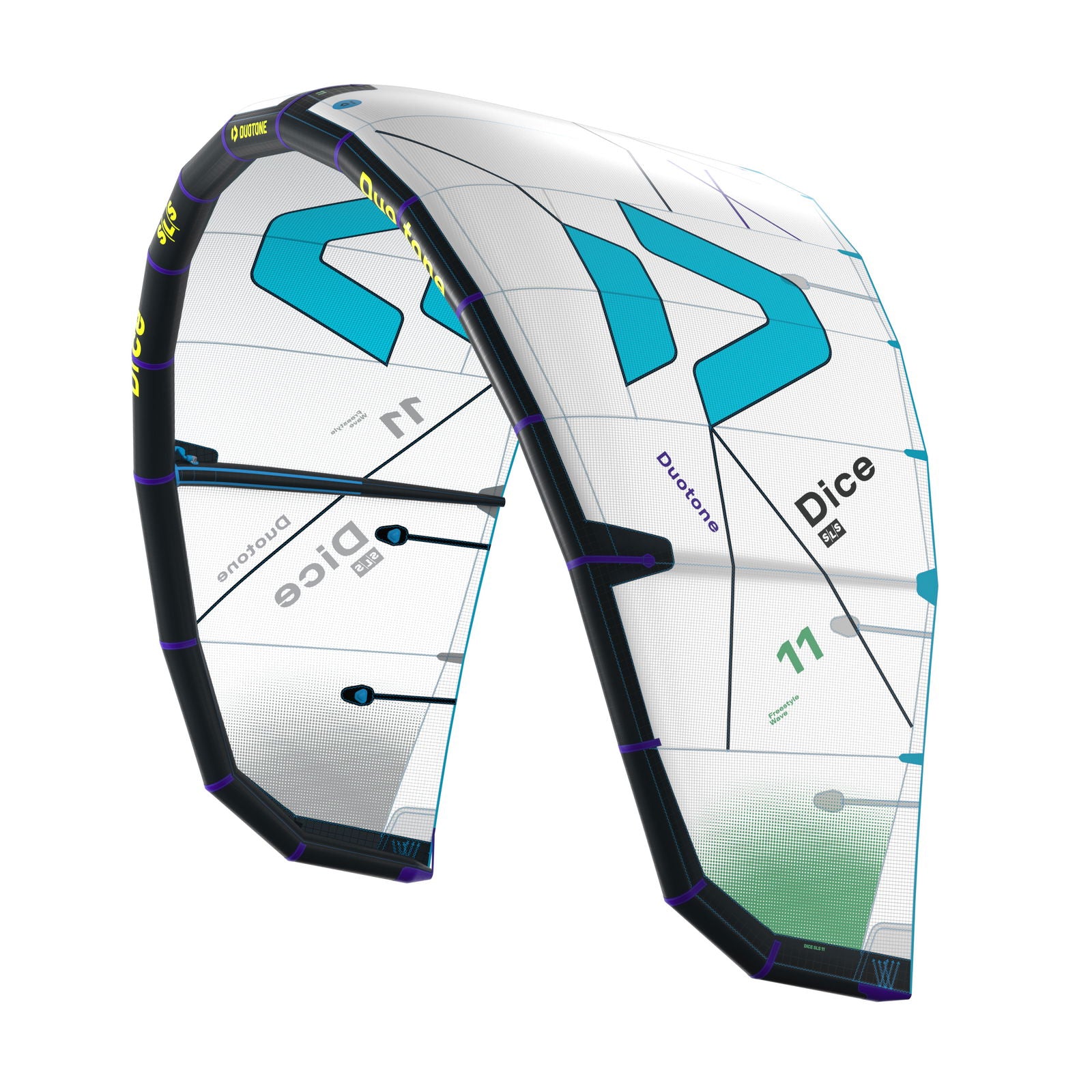
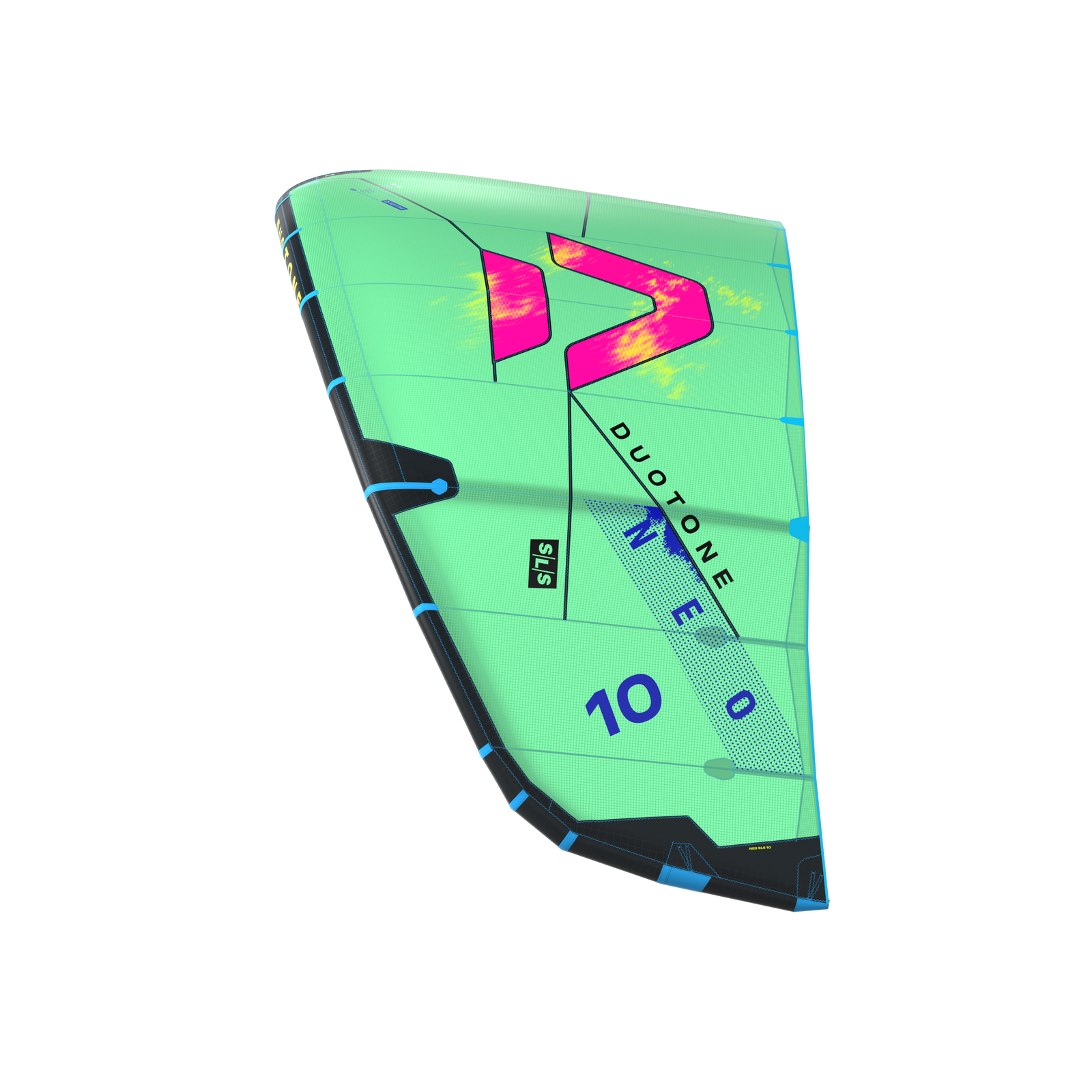
Prices and 2026 specs are pulled live from each product page. Confirm on the product page before checkout.
04 — MistakesThree mistakes we see every week
Ready to pick your first kite?
Browse our full Duotone and Cabrinha range in 7, 9, 12, and 14 m² sizes.
Frequently asked
Technically yes, but no. Bow kites teach you bar feel and confidence faster. Move to a C-kite once you're comfortable relaunching and holding edge.
Bow kites. They generate lift earlier and forgive slack bar input. Grab a 12 m² bow if your local spots see 12–15 knots regularly.
No—it's the opposite. Bow kites sit flatter on the water and relaunch with minimal bar pressure. C-kites need more aggression to get airborne again.
A 9 or 12 m² bow kite, depending on your weight and local wind. At 70 kg in 15 knots, a 12 m² is perfect. Lighter? Go 9 m². Heavier or lighter wind? Adjust up.