Kitesurfing the Bora — Croatia Adriatic Wind Guide
The Bora isn't just wind—it's a force that funnels down from the Alps, hits the Adriatic hard, and separates serious riders from tourists. We'll walk you through when it hits, what gear keeps you safe, and which spots along the Croatian coast reward the risk.
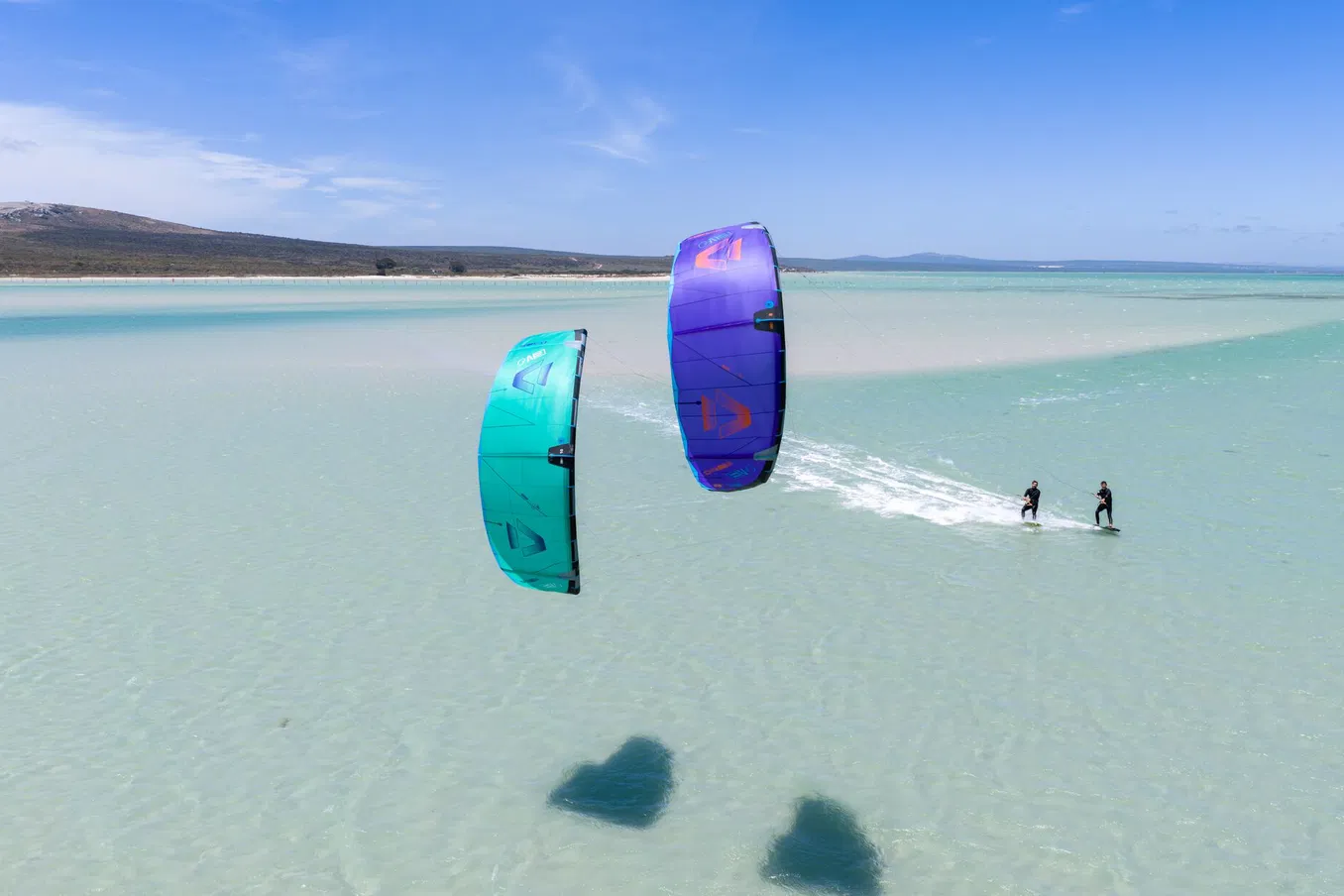
The Bora is a 15–35 knot thermal wind that peaks October to March along Croatia's Dalmatian and Istrian coasts. It's cold, gusty, and unforgiving—only for intermediate-to-advanced riders. Bring a light wave kite (like the Duotone Neo or Dice) for 15–20 knot sessions, and step up to a mid-size freestyle kite when it cranks past 25 knots.
01 — Wind mechanicsWhat Is the Bora, and Why Is It So Nasty?
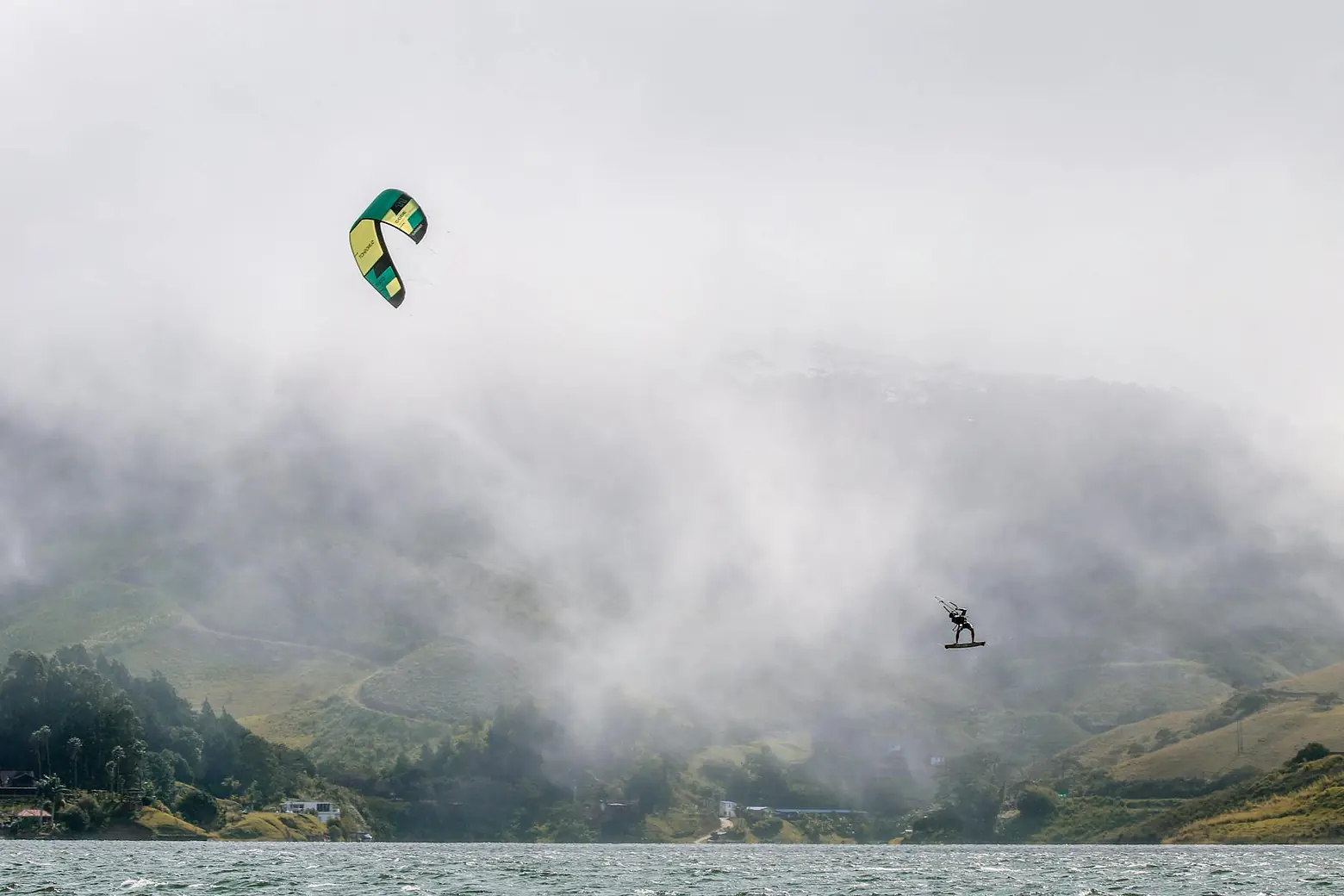
The Bora is a katabatic wind born in the mountains north of the Adriatic. Cold air from the Alps funnels down valleys, accelerates as it compresses, and hits the coast with nasty thermal force. You'll see gusts swing 10–15 knots in minutes. The peaks run October through March—winter on the coast, which means cold water and air temps that'll sting bare skin.
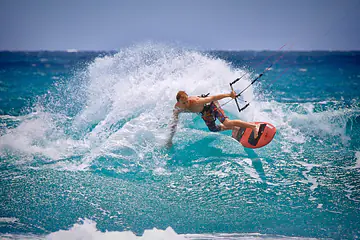
Dalmatia catches it hardest: Vrboska (Hvar), Bol (Brač), and the Istrian Peninsula near Rovinj all light up when the Bora's running. It's reliable, it's strong, but it's not beginner-friendly. The wind comes in hard and gusty, not smooth. If you're used to lake thermal or trade wind sessions, the Bora will humble you on your first day.
02 — Quiver planningKite Sizing and Gear Strategy for the Bora
You'll want a small, responsive quiver for Bora conditions. A 7 m² kite works in 25–35 knot blasts, but most riders bring a 9 m² or 12 m² for the gusty thermal range. In 12–18 knots, a 12 m² is your workhorse. When the wind hits 20+ knots and stays, drop to a 9 m² for control and safety. Never show up with just one size.
Wave kites matter here more than freestyle. The Bora's gusty nature demands a kite that responds fast and de-powers smoothly. The Duotone Neo (lighter, direct pop) and Duotone Dice (playful, quick drift) both suit 15–20 knot Bora sessions. For harder winds past 25 knots, the Duotone Evo or Rebel will handle the power and chop without overtaking you. Bring a 5 mm or 4/3 mm wetsuit—the water's cold, and the wind bites.
03 — Our picksOur 4 In-Stock Bora Picks
We've stocked Duotone kites since the 2026 range landed, and these four cover every Bora condition from marginal 15-knot mornings to 30+ knot blasts. Pick your size and wind range, then commit—the Bora won't wait.
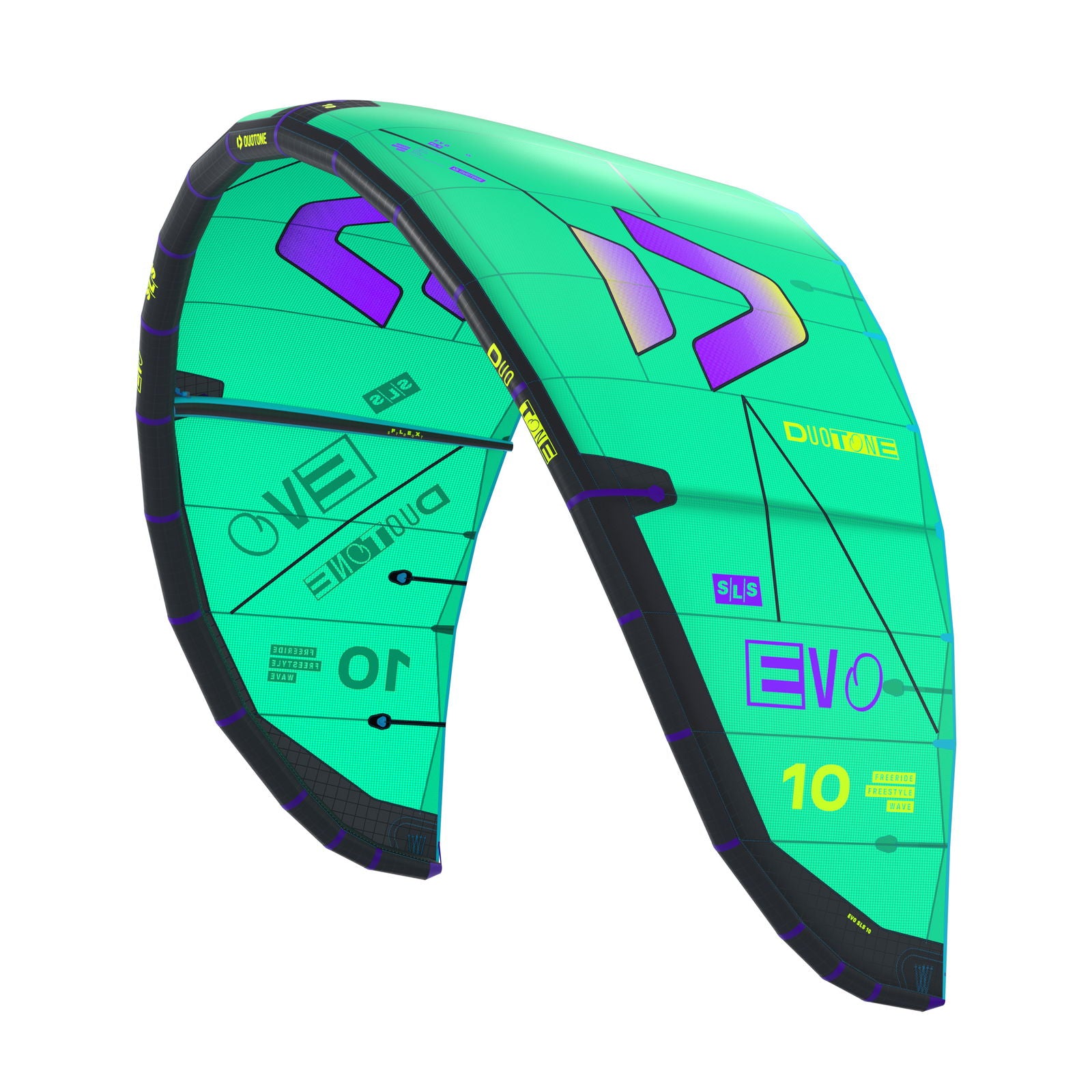
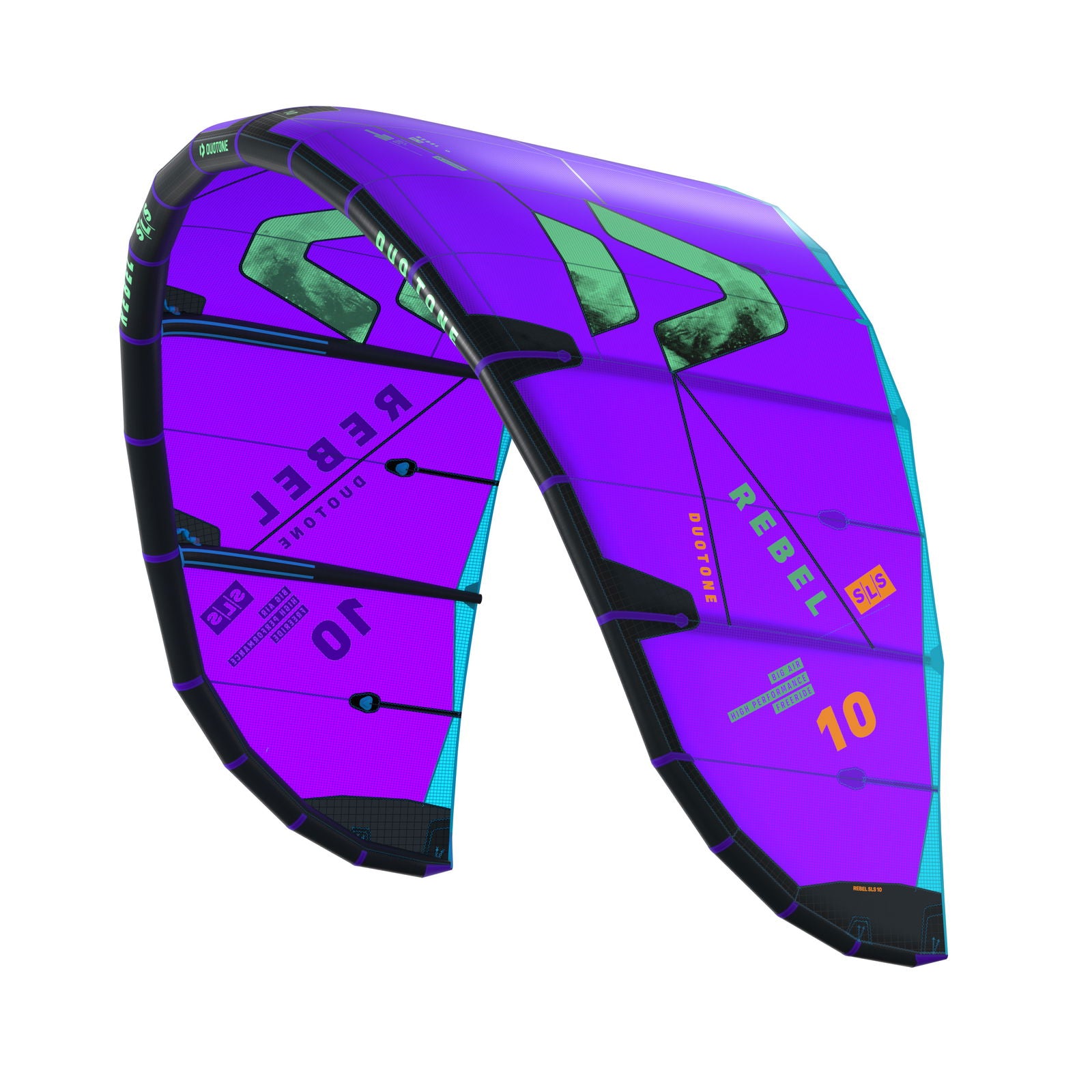
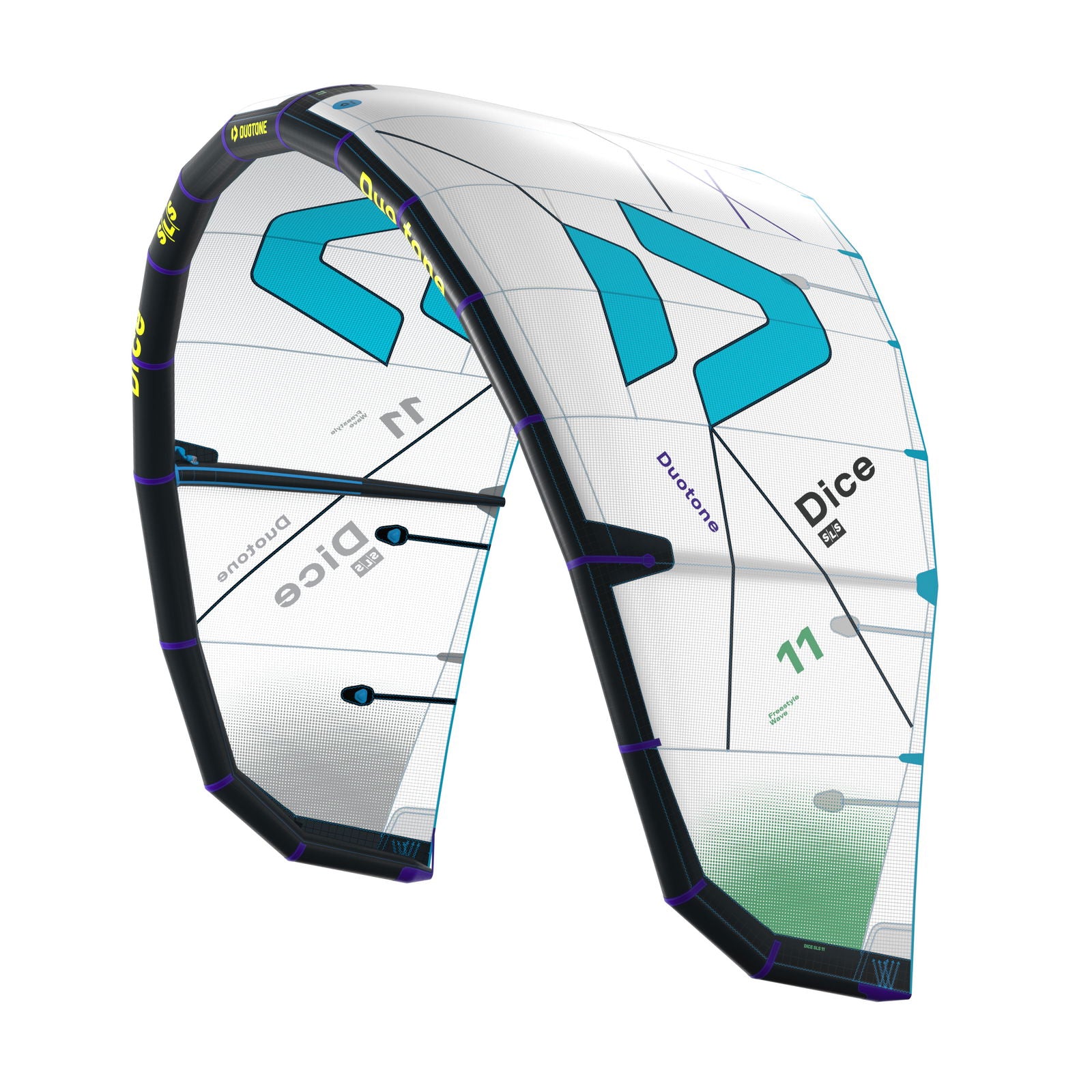
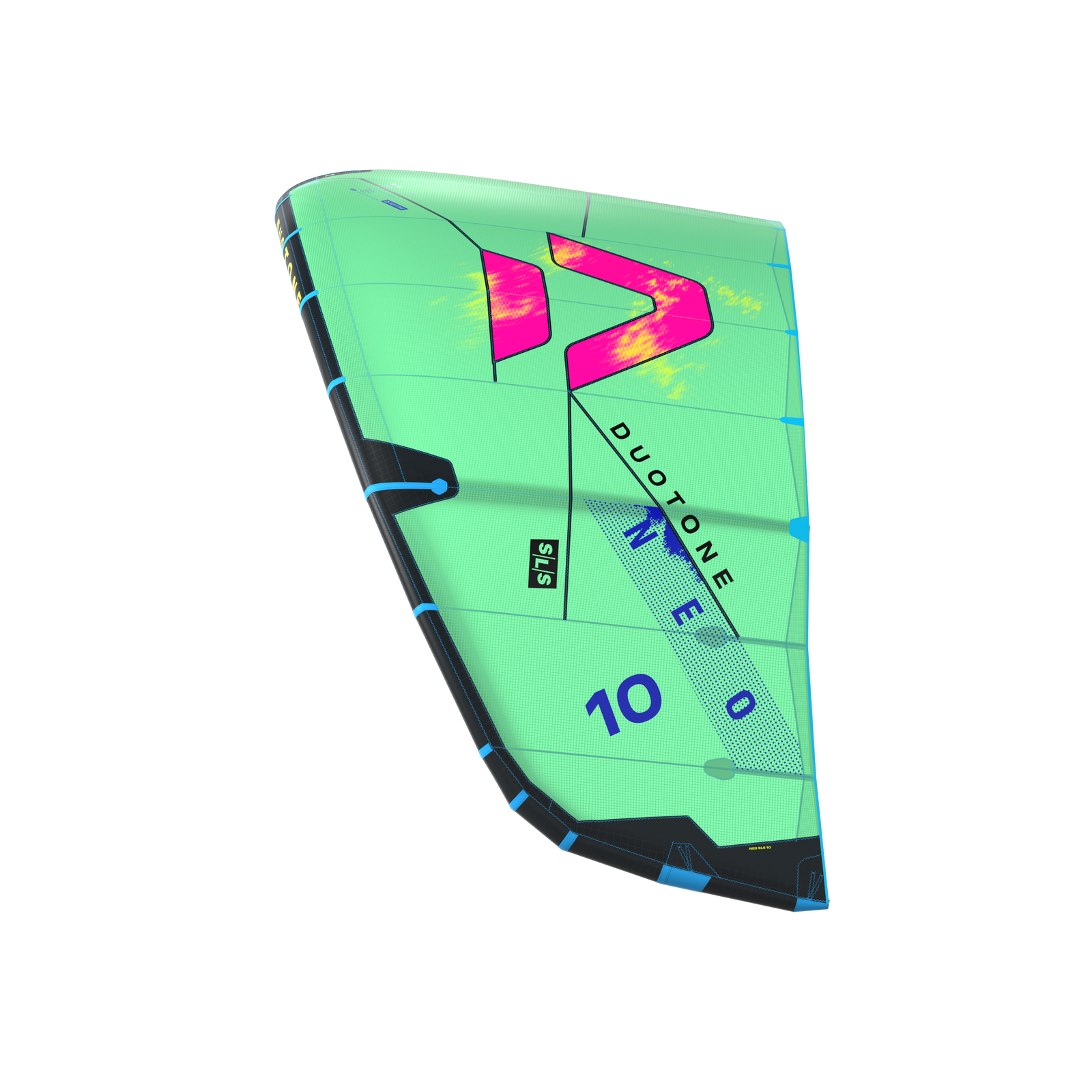
Prices and 2026 specs are pulled live from each product page. Confirm on the product page before checkout.
04 — MistakesThree mistakes we see every week
Ready for the Bora?
Browse our full range of Duotone, Cabrinha, and Gaastra kites—all in stock and shipped fast across Europe.
Frequently asked
Only on light-wind days (12–18 knots). The gusts and cold water demand respect. If you're new to strong winds, start with a lesson guide or a buddy who knows the coast.
January and February—consistent, strong, and cold. October and November can be lighter but more unpredictable. Avoid summer; Bora barely blows June to September.
No. Anything over 12 m² in Bora gusts is dangerous. Stay within 7–12 m² and size down as the wind builds. Respect the wind's power.
Vrboska on Hvar or Bol on Brač. Both have established rider communities, rental shops, and forgiving bays. Avoid exposed points until you've felt the wind twice.