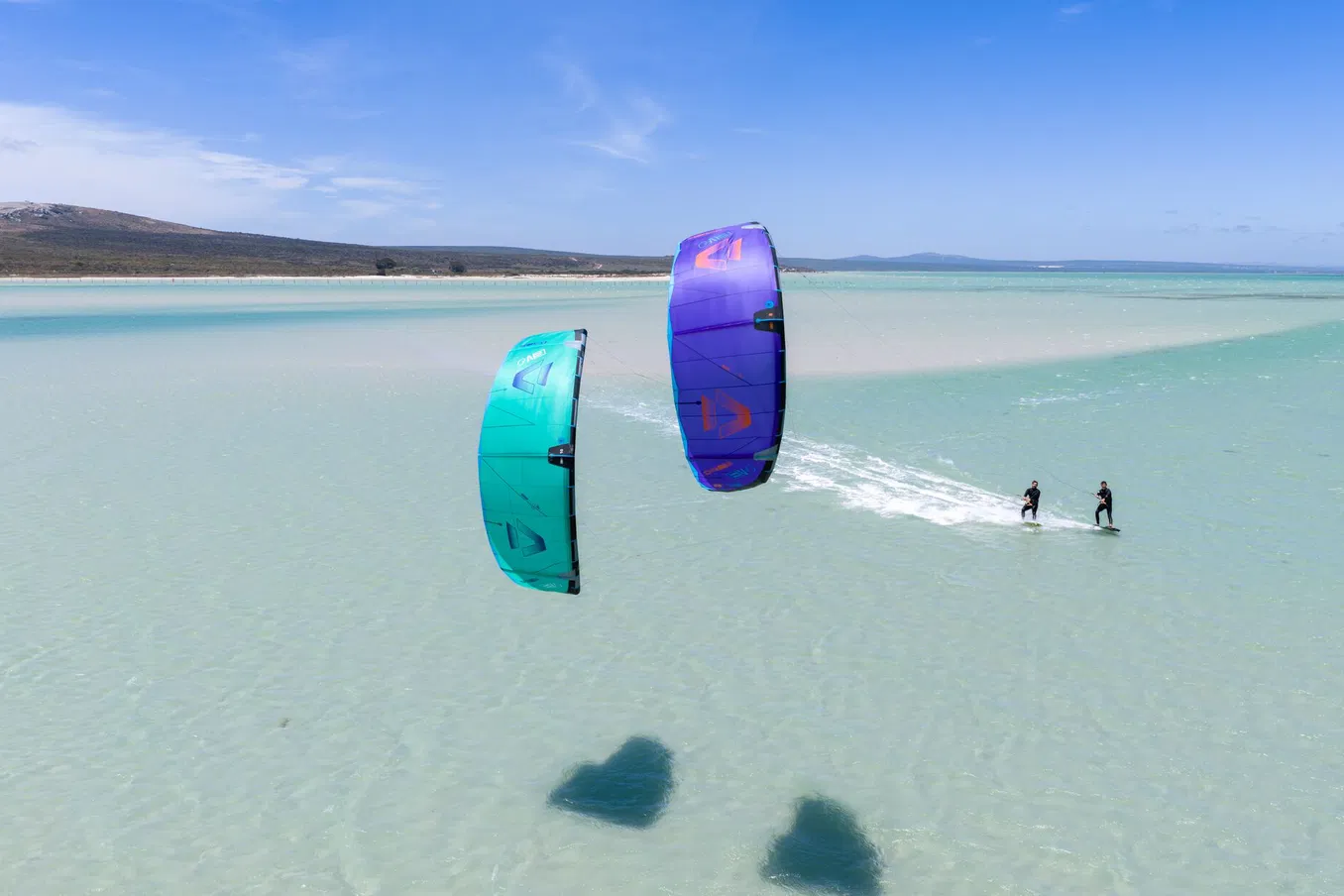
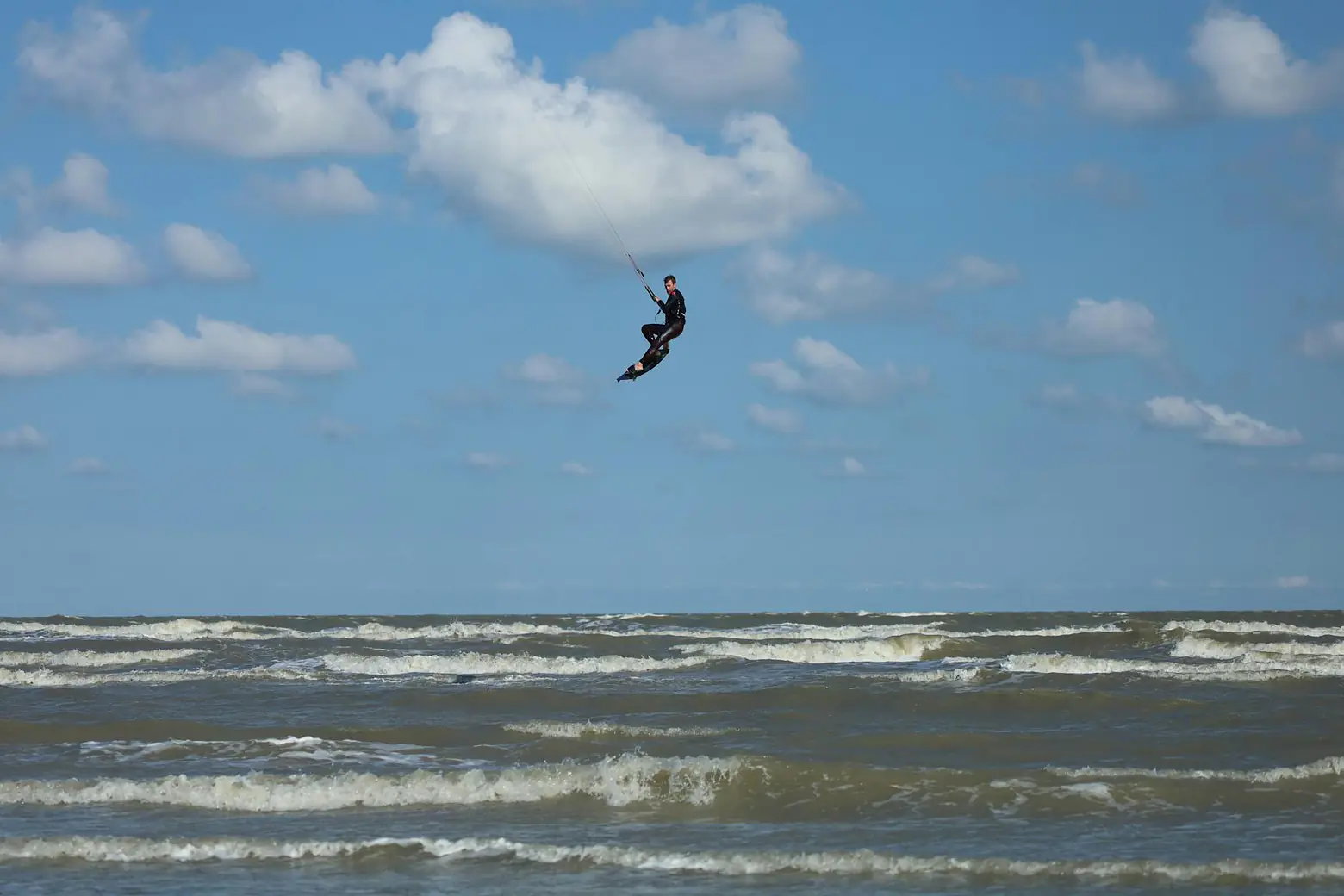
Directional vs Twin-Tip in Waves — Which Kiteboard to Choose?
Directional boards carve like surfboards. Twin-tips let you ride switch and handle chaos. We'll break down which fits your local break and riding style.
In clean swell and steady wind, directional boards give you drive and hold. For mixed conditions, learning tricks, and wind shifts, twin-tips win. Most riders we know keep both — pick based on your home break's consistency, local wind pattern, and whether you want wave performance or freestyle progression.
01 — Carving and holdDirectional Boards: Wave-Specific Performance
A directional kiteboard is shaped like a surfboard—narrow tail, wider nose, single fin or thruster setup. It cuts through broken water, holds an edge in organised swell, and gives you that planted, confident feeling when you're reading a proper wave face.
You'll feel the difference immediately in clean lines. The nose provides float and drive off the bottom; the tail rails bite hard on turns. Directional boards demand cleaner conditions to shine. Light wind and choppy water? You'll feel every disadvantage.
Best for: Riders chasing wave quality. Think Cabrinha Cab Spectrum if you want a forgiving entry point into directional riding — it's affordable and handles variable conditions better than pure wave guns.
02 — Freestyle and all-conditionsTwin-Tips: Versatility Over Perfection
Twin-tips are symmetrical. No defined nose, no tail. You ride them switch — either end forward. That symmetry means you can handle wind shifts without repositioning, and you'll land tricks and freestyle moves on both sides.
The trade-off: twin-tips don't carve like directional boards. They pivot and spray rather than hold a rail. In messy, onshore wind and choppy water, though, they're faster and more forgiving. Lighter wind and gusty patterns? Twin-tips keep you riding when directional boards feel sluggish.
Best for: Learning freestyle, variable wind spots, and riders who want one board for everything. The Duotone Select SLS 2026 and Duotone Soleil SLS 2026 are both built for progression and mixed conditions — solid all-rounders we ship across Europe.
03 — Our picksWhich Shape Matches Your Spot?
Check your local break. Consistent swell, light thermals, clean wind? Go directional. Variable swell, side-onshore, gusty patterns? Twin-tip wins. Here are our four in-stock picks for both styles.
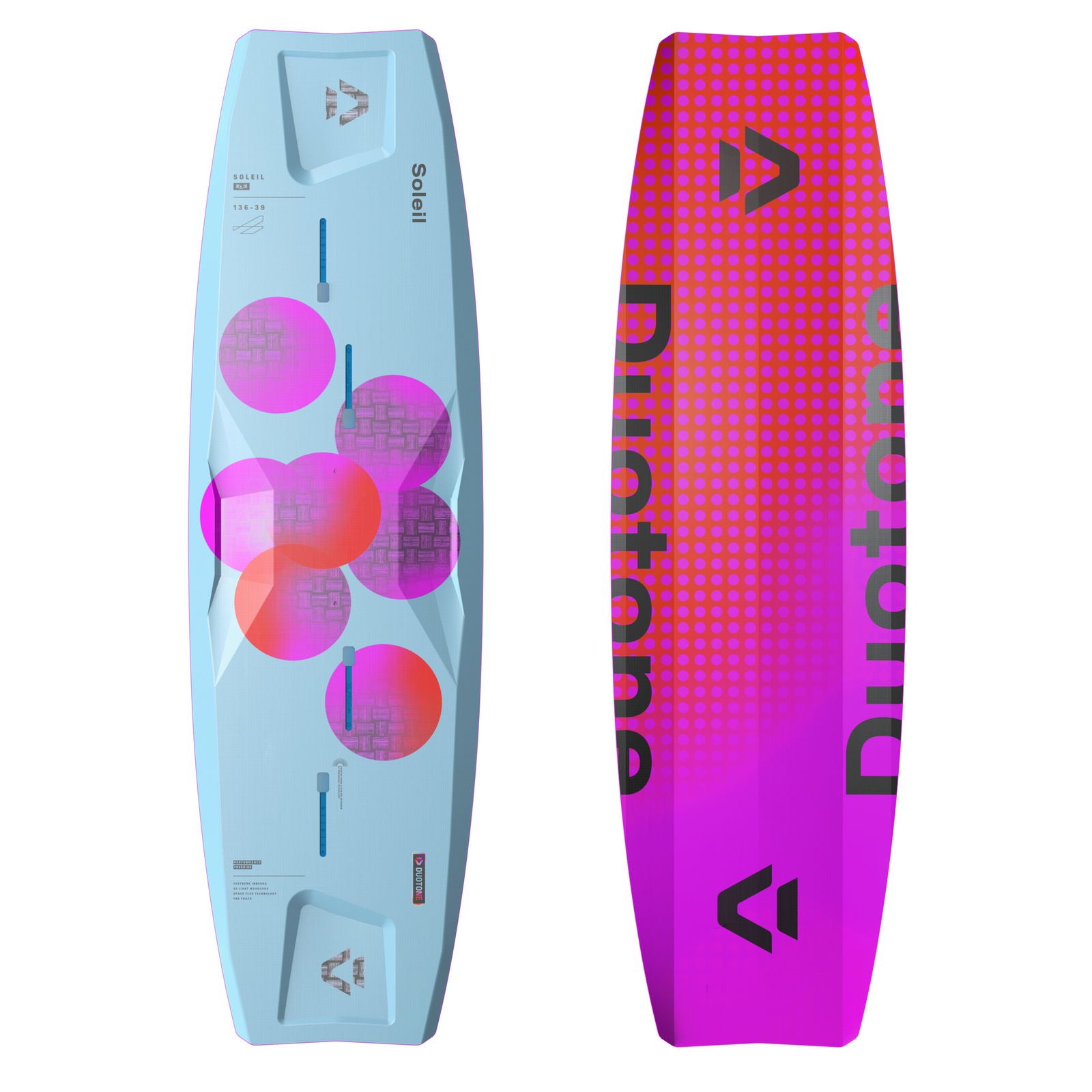
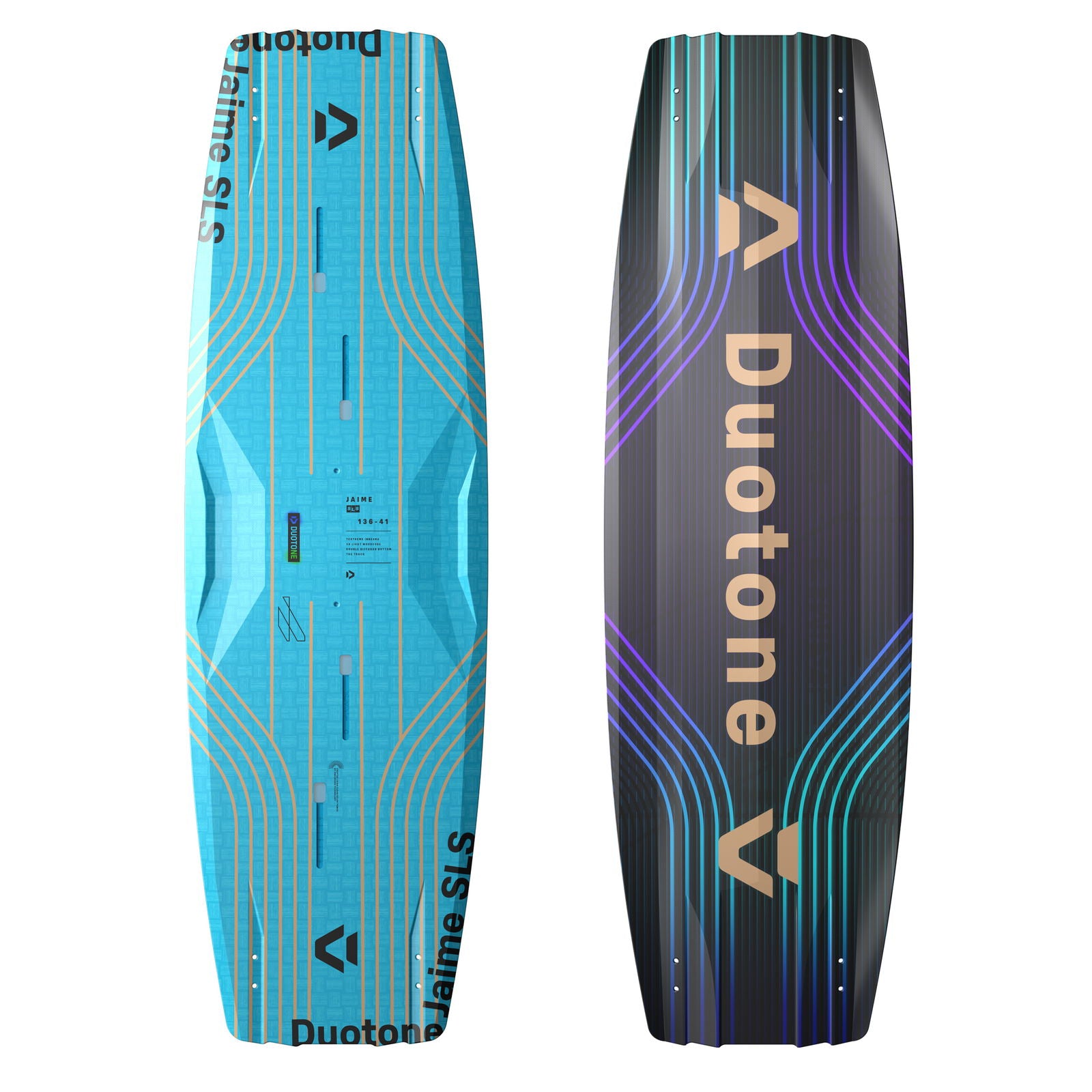
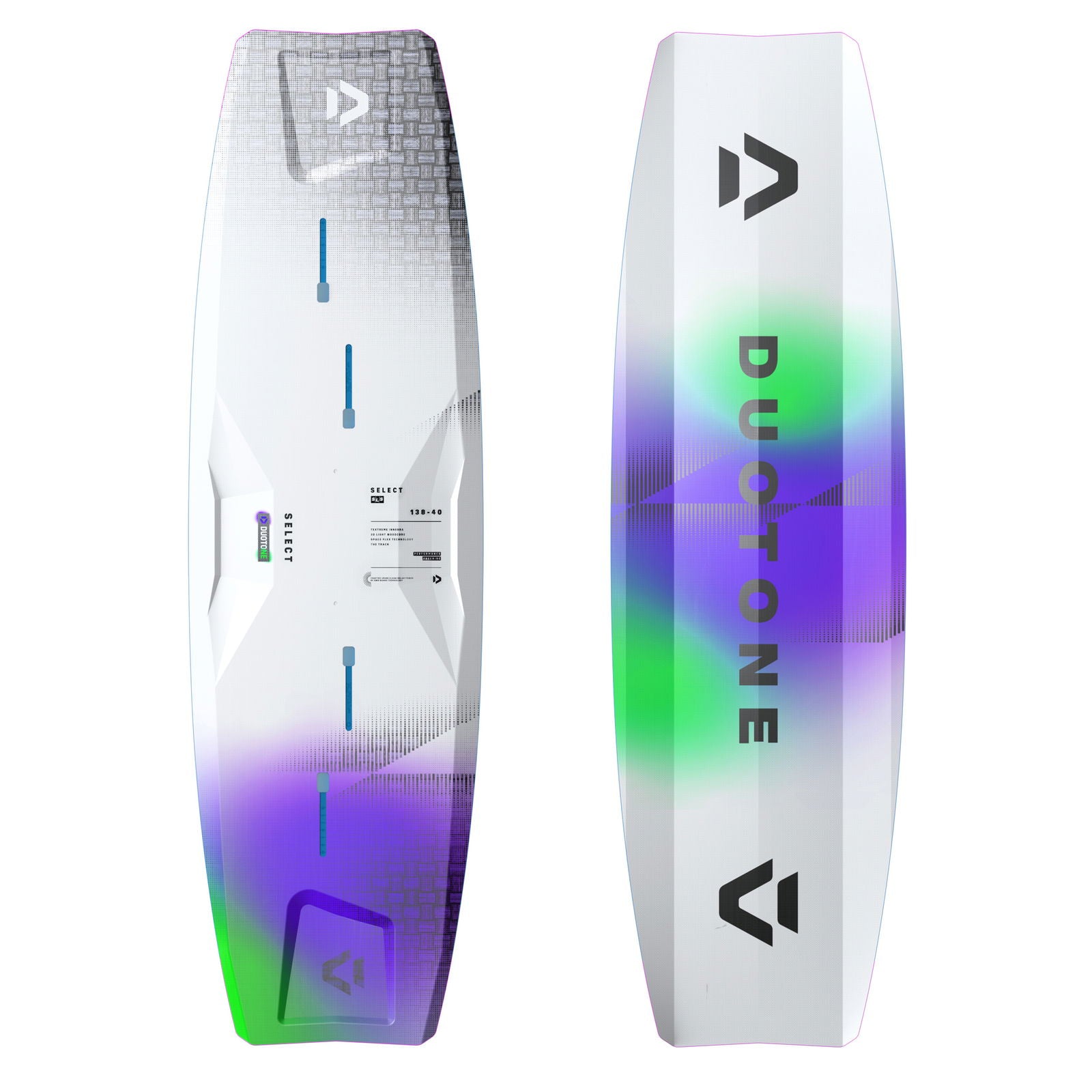
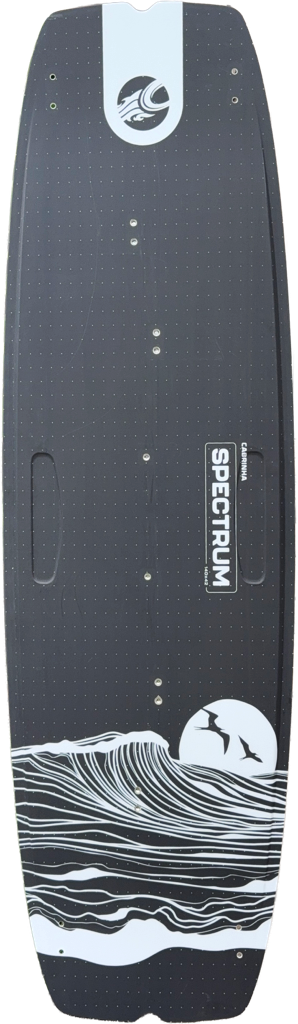
Prices and 2026 specs are pulled live from each product page. Confirm on the product page before checkout.
04 — MistakesThree mistakes we see every week
Ready to pick your next board?
Browse our full range of twin-tips and directionals — all in stock and ready to ship.
Frequently asked
Technically yes, but it's harder. Directionals are built for wave carving, not switch landings. Start on a twin-tip if tricks are your goal.
Twin-tips. Their symmetry and forgiving design work better in gusty, variable wind. Directional boards need consistent power to perform.
Check the product page for volume and length — typically 130–150 cm for twin-tips. Lighter riders suit smaller boards; heavier riders need more float.
A twin-tip will handle both, but you'll compromise on carving feel. Most riders dedicated to waves own a directional; freestyle riders stick with twin-tips.