Kitesurfing Alaçatı Turkey — Spot Guide 2026
Alaçatı isn't just another beach town—it's where thermal winds meet perfect progression flats and warm Aegean water. We've sent dozens of riders here since 2003, and they all come back asking when they can go again. Here's what you need to know to make the most of it.
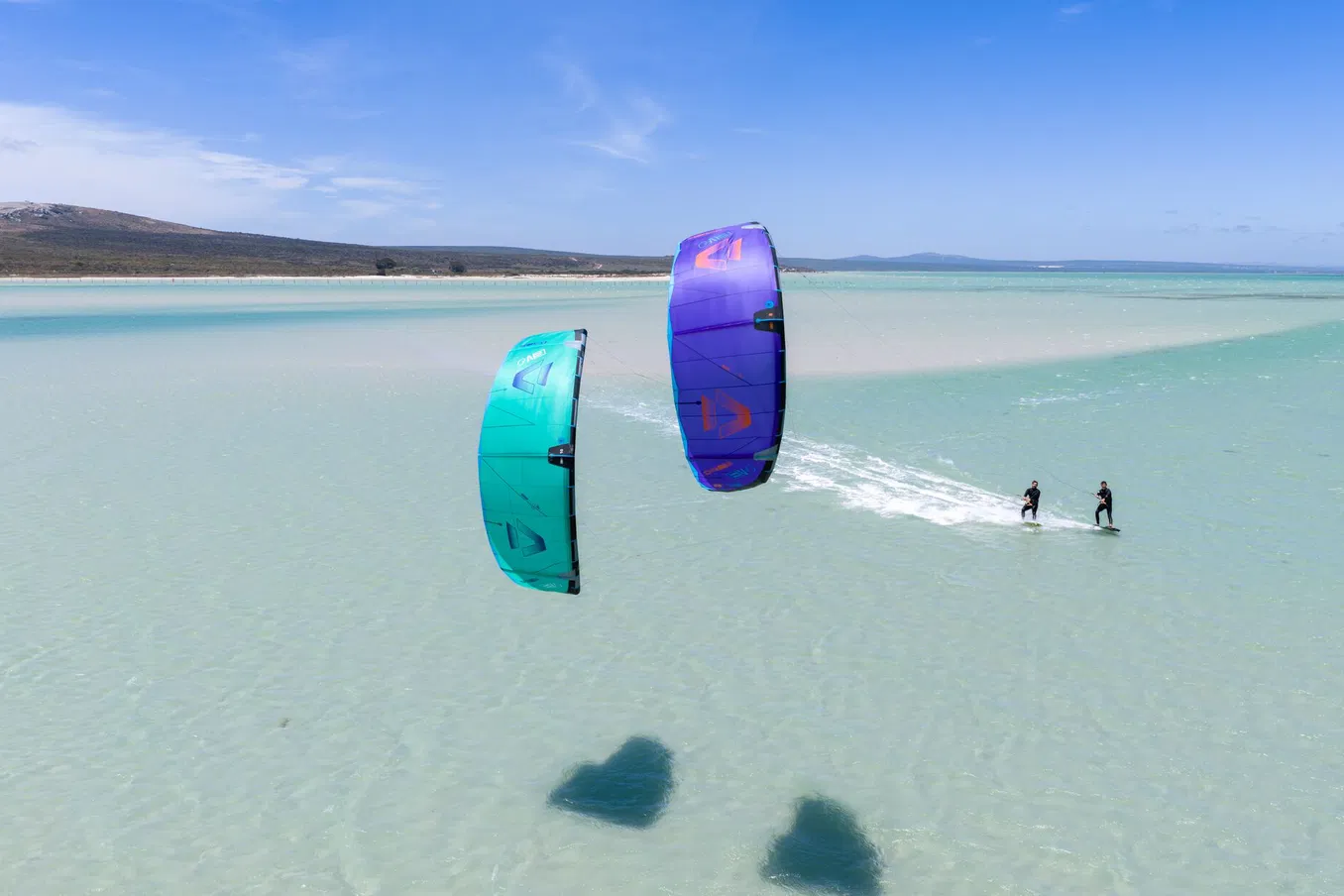
Alaçatı delivers 12–20 knot thermal winds May through October, warm water (20–26°C), and a split-personality bay: shallow sandy flats for freestyle and learning, plus open water for wave sessions. Bring a mid-range freestyle or all-round kite like the Duotone Evo SLS and plan 3–4 hour sessions.
01 — Timing & ConsistencyThe Wind: Thermal Afternoons You Can Set Your Watch By
Alaçatı's winds aren't random. The Etesian—a northerly thermal that funnels down the Aegean—kicks in around 11 a.m., peaks between 2 and 5 p.m., then drops like a stone at sunset. We've timed it so many times with riders from here to Tarifa: you can pack your gear and head out at 1 p.m., guaranteed 15+ knots. May through October is the window. Winter is dead flat.
The consistency means you can dial in one kite and trust it all season. A 9 m² works most days; a 12 m² when the thermals are lazy. Avoid 7 m²—you'll spend half the session frustrated in the lulls. Mornings are light and choppy; afternoons are your money.
02 — Flats vs. Open WaterThe Bay: Two Zones, Two Different Rides
Alaçatı's bay splits down the middle. The western flats—shallow, hard sand, practically zero chop—are where you learn and freestyle. The eastern side opens to the Aegean swell and deeper water; it's where wave riders live. Both are in the same session if you want them. Beginners and progressers stick west. Intermediate riders mix both.
Water temperature stays 20–26°C May to October, so a 3/2 mm wetsuit keeps you comfortable for 4+ hours. The beach faces northwest, so the thermal wind comes straight offshore into the bay—no weird pressure shadows, no backwash drama. Setup is easy: kite and board, walk to water. No rocks, no currents that'll surprise you.
03 — Our picksOur 4 In-Stock Picks for Alaçatı
We've matched each kite to a rider type and the Alaçatı forecast. All are in stock now and ship EU-wide. Pick based on your weight and style—not the price tag.
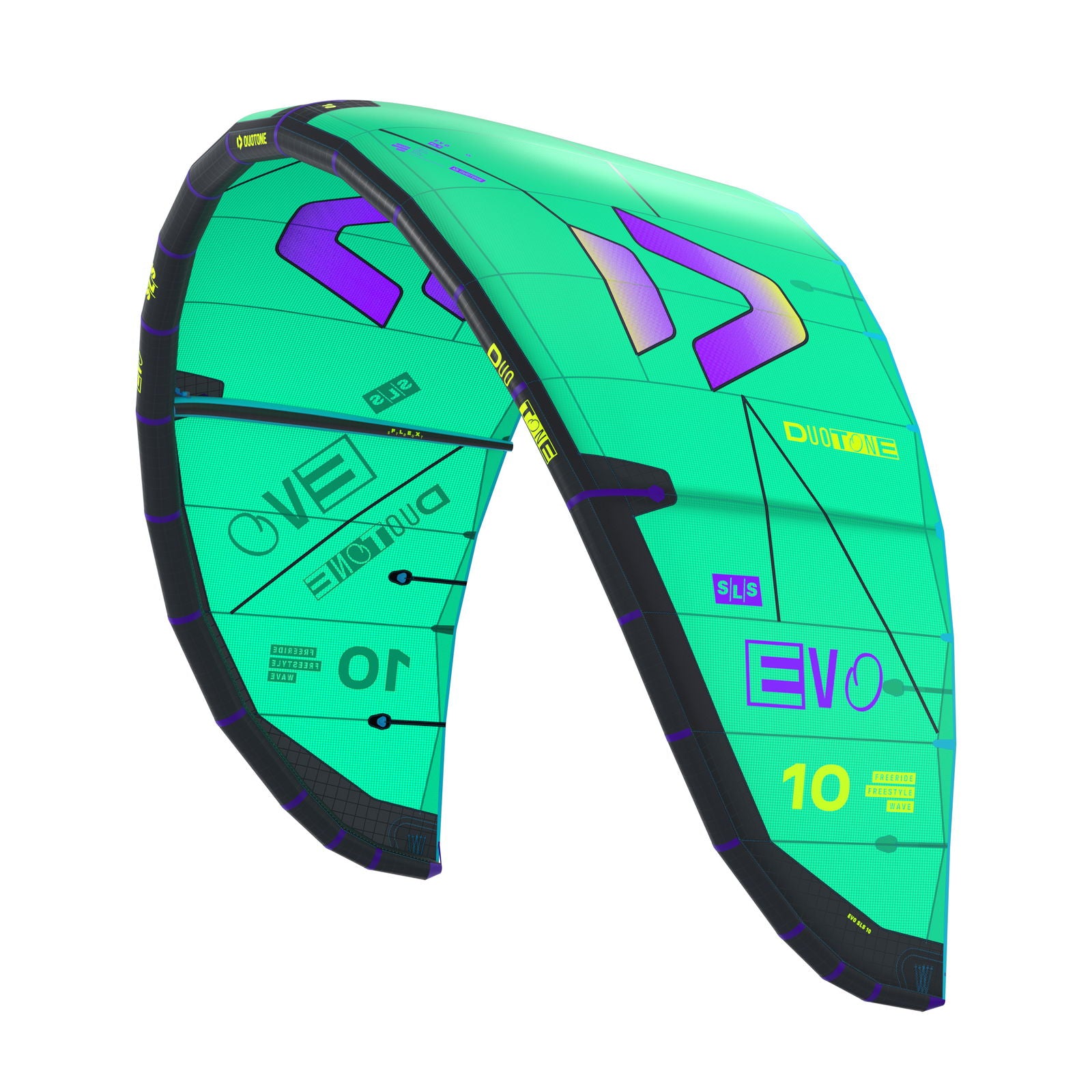
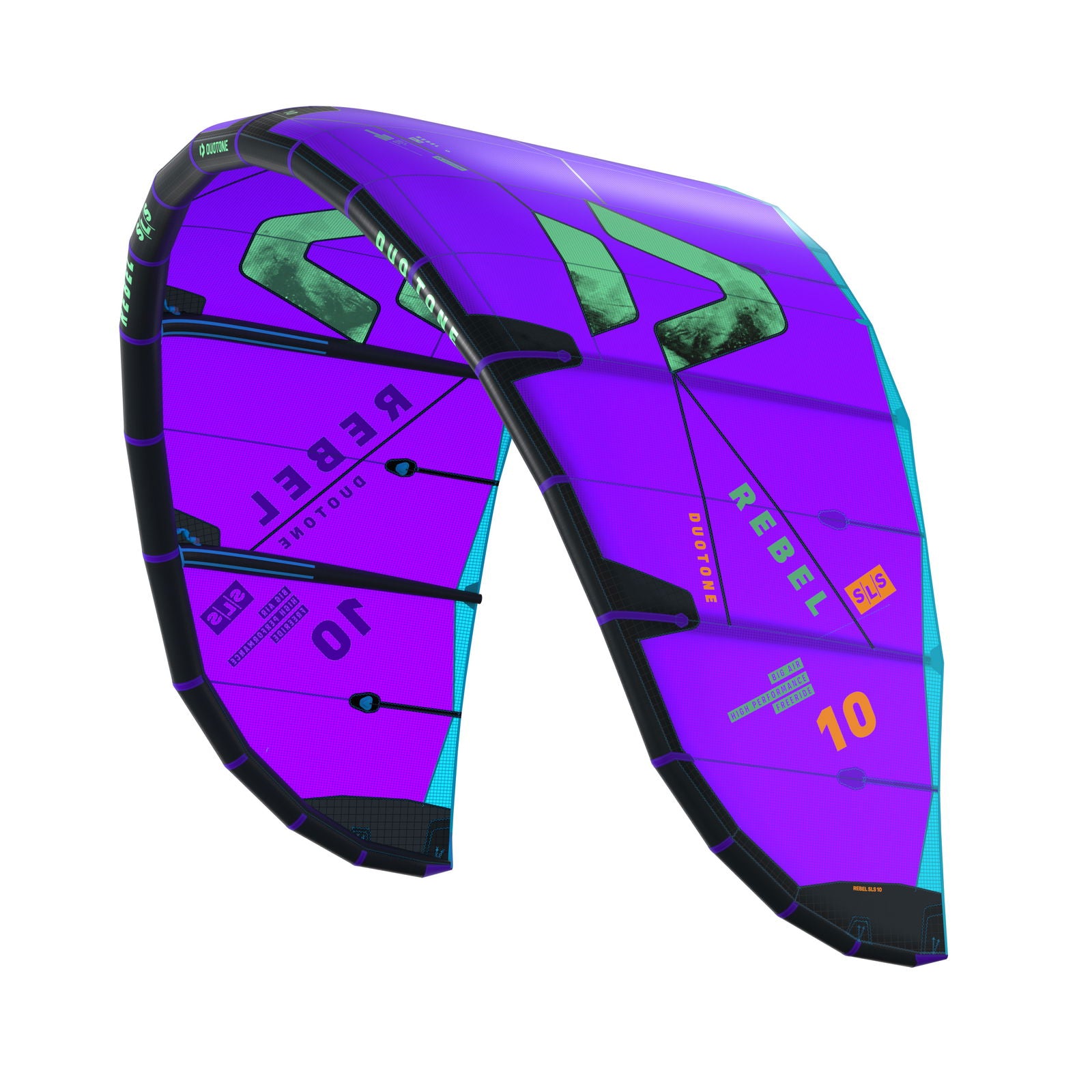
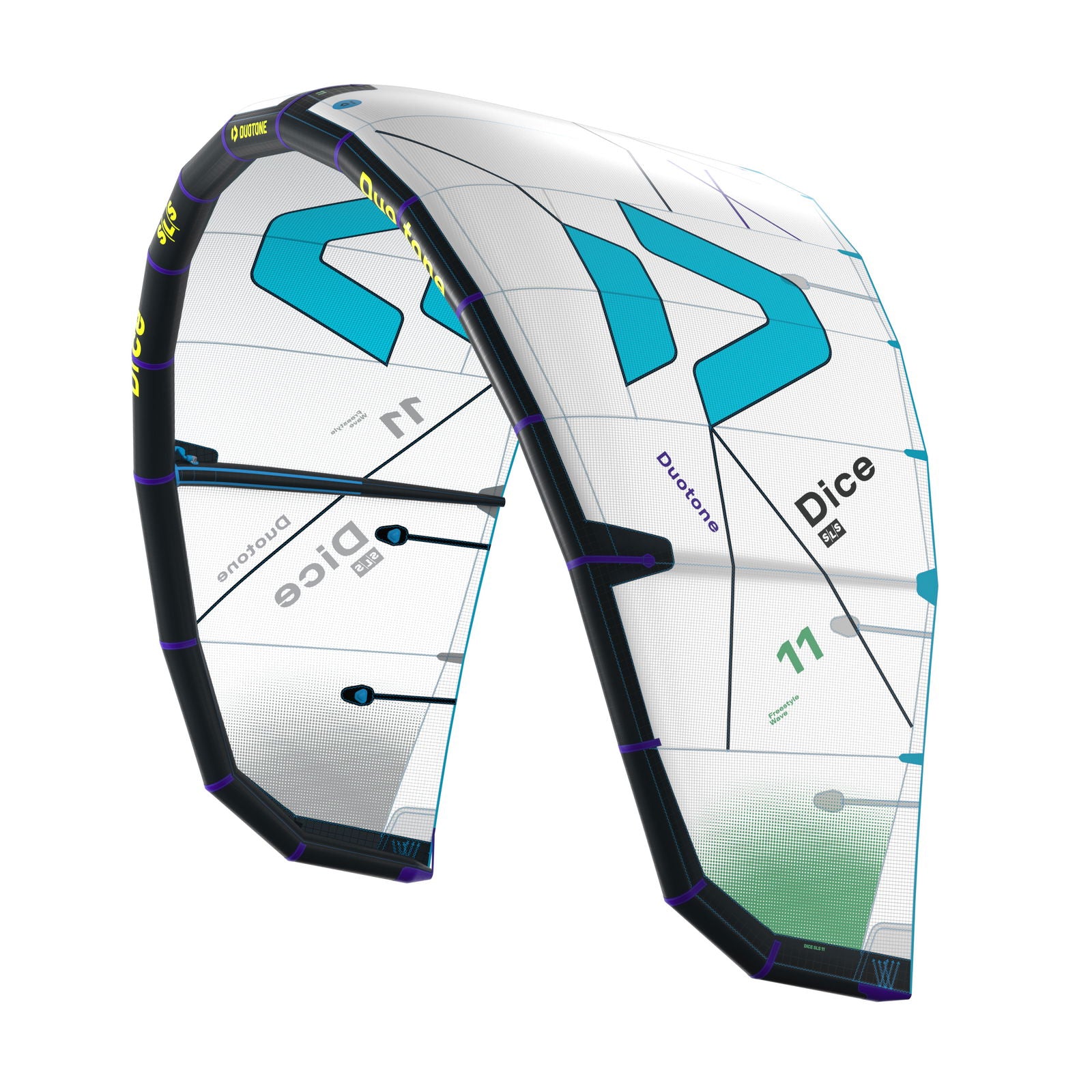
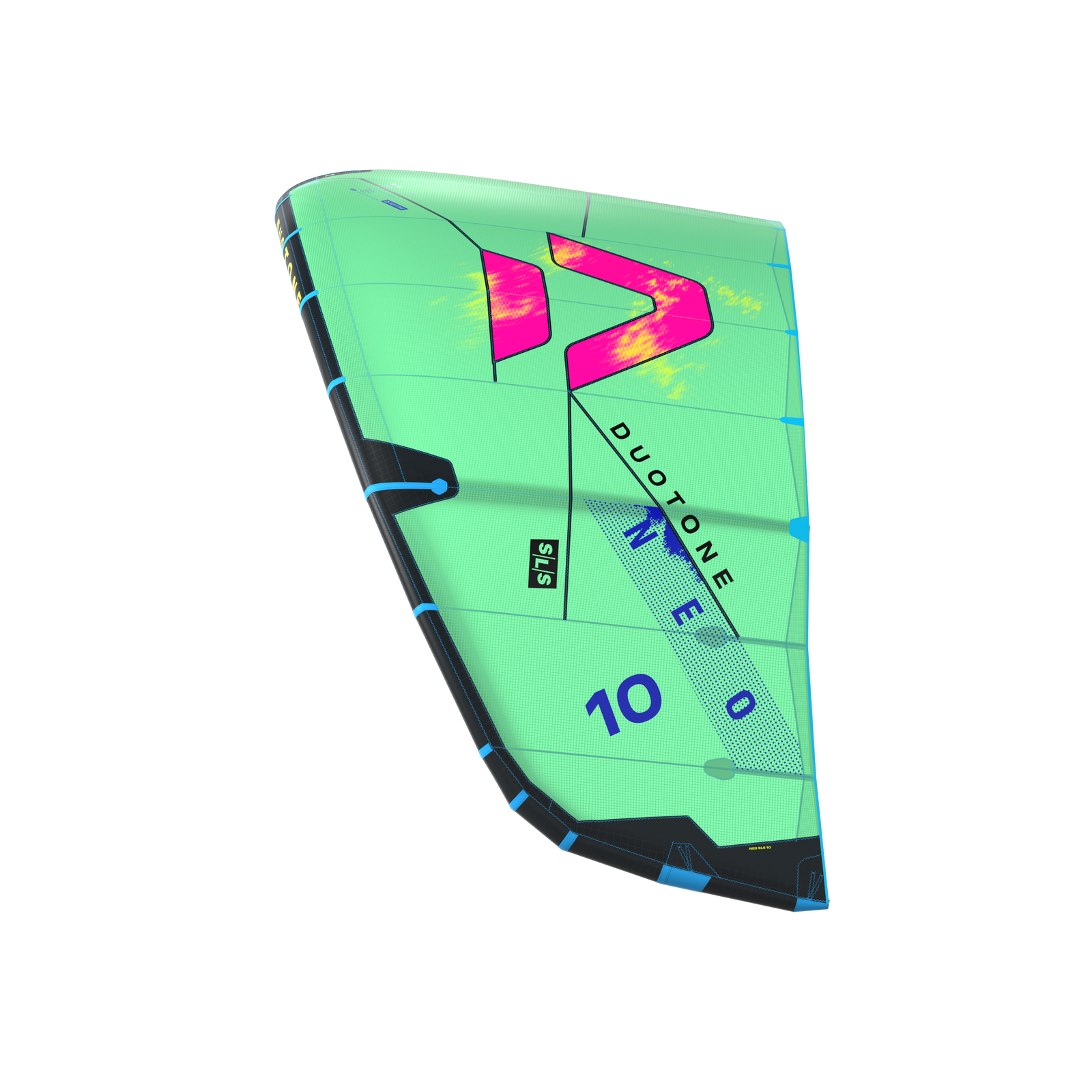
Prices and 2026 specs are pulled live from each product page. Confirm on the product page before checkout.
04 — MistakesThree mistakes we see every week
Ready to Gear Up for Alaçatı?
Browse our full kite range and find your perfect size for Turkish thermals.
Frequently asked
If you weigh 60–80 kg and ride in 12–18 knot thermals, a 9 m² is your baseline. Heavier? Go 12 m². Lighter? A 9 m² will still work most days. We recommend trying both if you can borrow a second kite.
Absolutely. Shallow flats, consistent thermals, warm water, and no currents make it one of Europe's safest spots to learn. Dozens of schools operate there, and you'll see riders of all levels. Progression is fast.
May through September are all solid. July–August are busiest (and warmest). June and September offer fewer tourists and equally reliable wind. October works too, but water temperature drops to 18–20°C.
Not essential. Most riders use a freestyle or all-round twin-tip on the flats and have a blast. If you want to explore the open eastern side for waves, a kitesurfboard (5'6" to 5'10") pairs nicely with your freestyle setup.