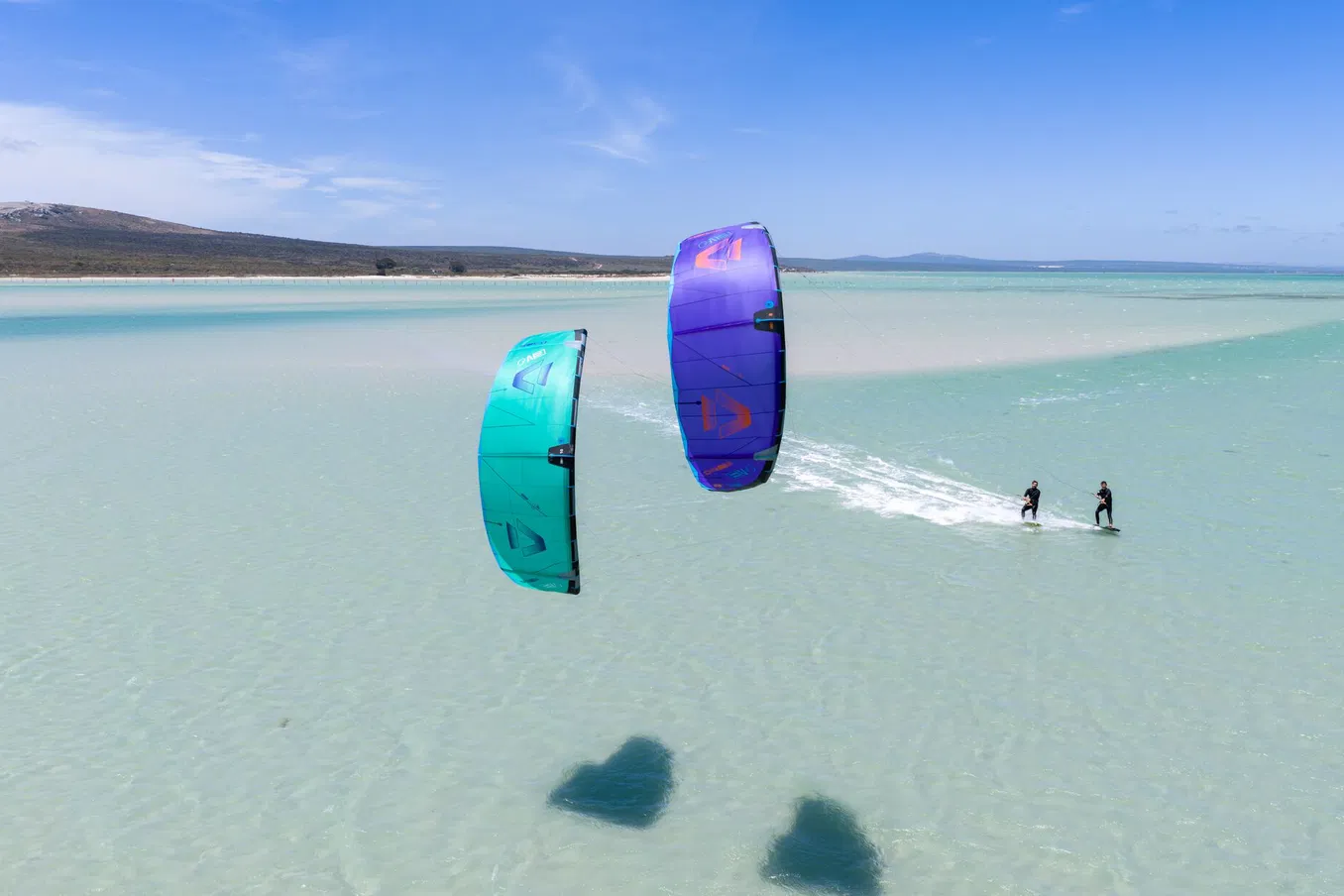
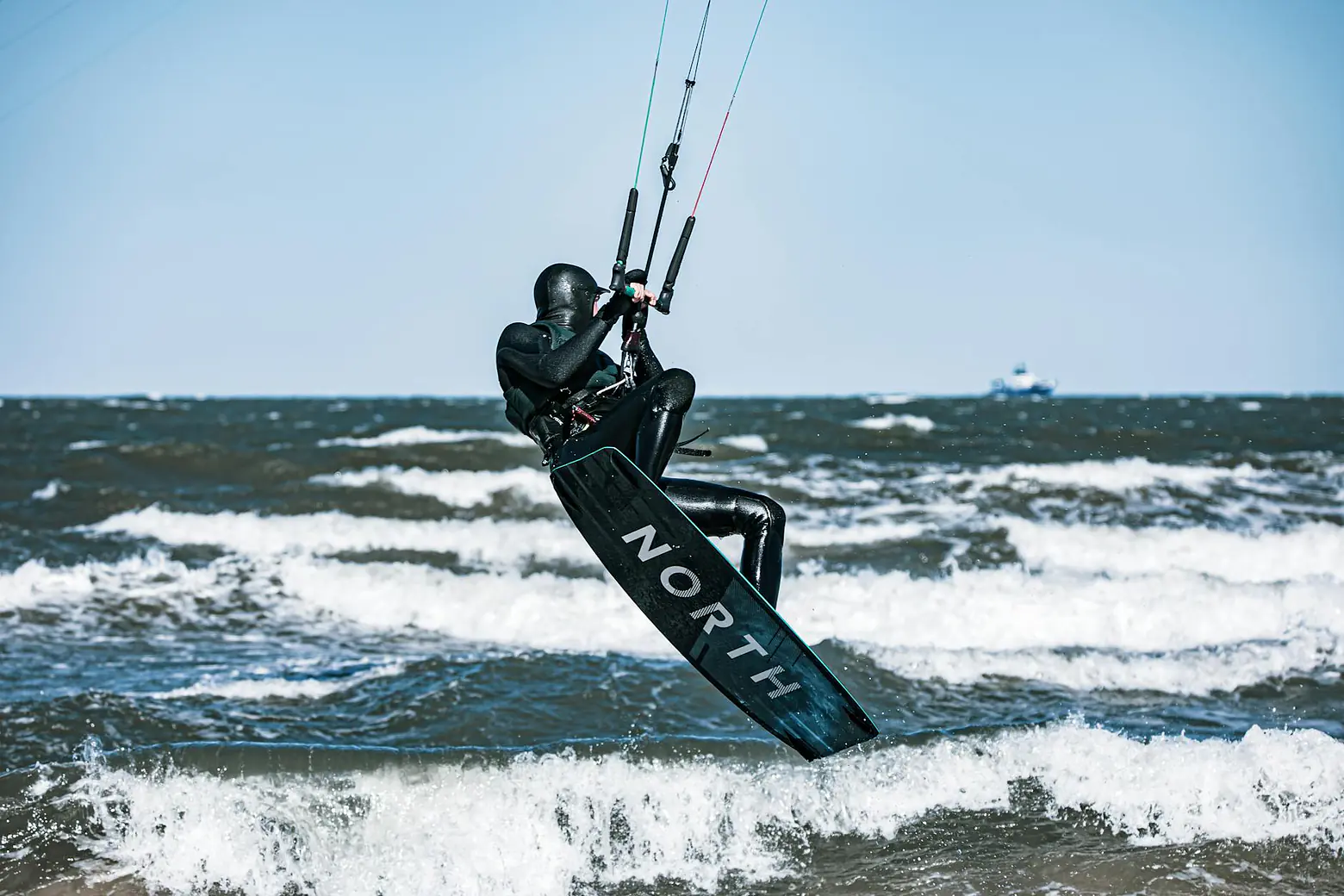
Best Kite for Kids & Youth 2026 — Junior Kitesurfing Guide
Teaching a kid to kite? The right kite makes all the difference between frustration and pure stoke. We'll walk you through sizing, shape, and the four models we stock that'll actually keep young riders progressing and smiling.
Junior riders aged 8–16 need small, forgiving kites in the 5–9 m² range with delta or hybrid shapes, wide wind tolerance, and predictable depower. Start with the Duotone Neo SLS 2026 for lighter kids or gusty spots — it's stable, relaunches cleanly, and won't scare beginners.
01 — FoundationSize & Weight Matching
Size isn't just a number — it's the difference between a kid riding happily for two hours and quitting after 20 minutes. Most children aged 8–12 and weighing under 45 kg will thrive on a 5–7 m² kite. Teenagers heavier than 50 kg or taller than 170 cm can usually handle 7–9 m², but always err smaller: a kid overpowered will lose confidence fast.
Wind strength matters too. In 12–16 knots, a 7 m² kite keeps young riders upright and progressing. If your spot gets gusty or light, drop to 5–6 m². Too big and they'll fight the kite; too small and they'll spend the session frustrated. Check local wind stats before you buy.
02 — ForgivenessShape & Handling
Kids need kites that forgive mistakes and relaunch easily from the water. Delta and hybrid shapes are your friends here — they're stable in gusts, predictable to fly, and won't catch a kid off-guard mid-turn. Avoid race-profile or aggressive kites; they demand precision a beginner doesn't have yet.
Depower range is critical. Young riders don't have the core strength to manage a kite with a narrow sweet spot. Look for kites with wide, forgiving depower so they can dial in power by feel, not by constant bar input. The Duotone Rebel and Evo models both nail this balance.
03 — Our picksOur 4 In-Stock Picks
We've been shipping junior kites since 2003 — here are the four Duotone models we stock and trust for kids and youth learning to kite. Each one delivers stability and progressive performance without the complexity of an adult quiver.
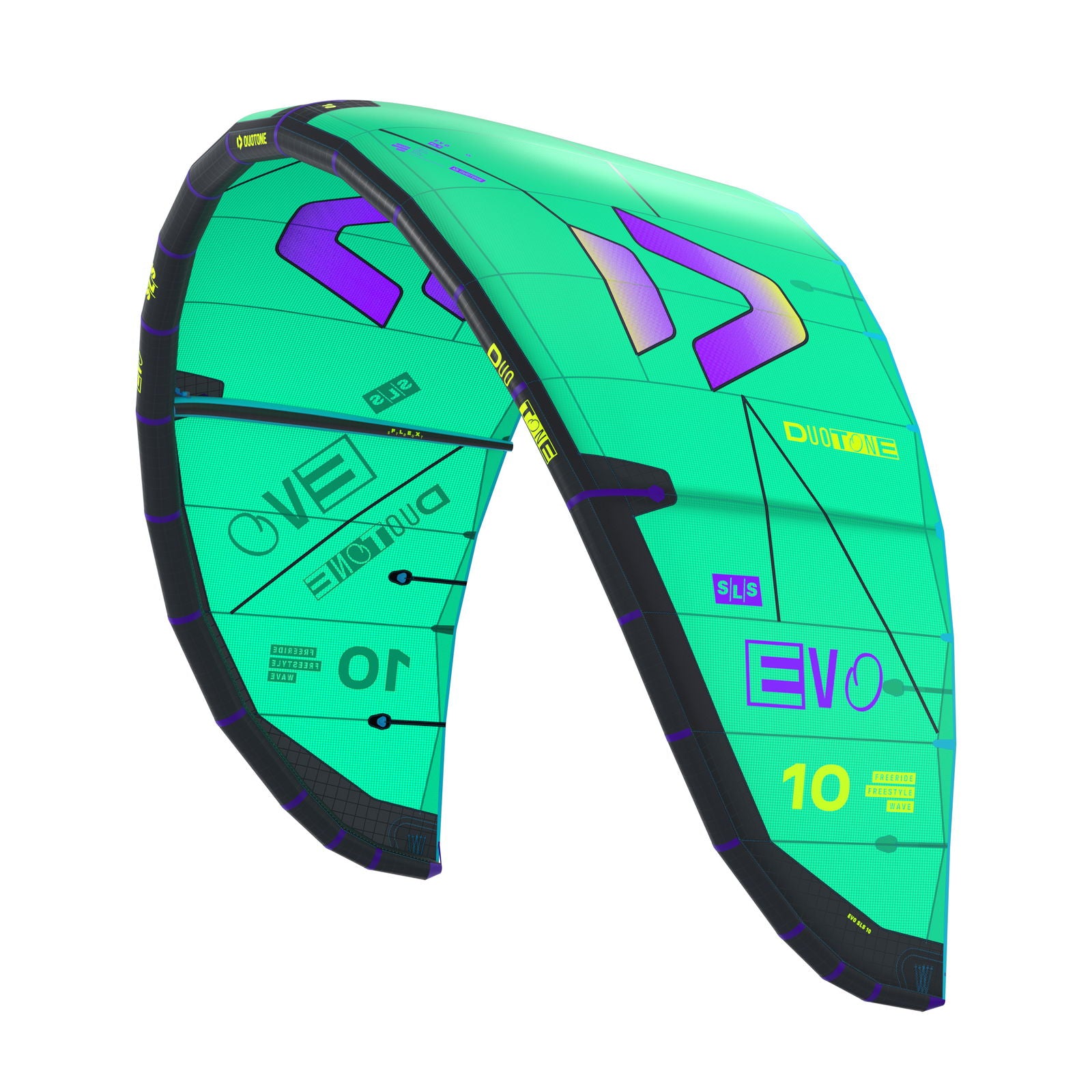
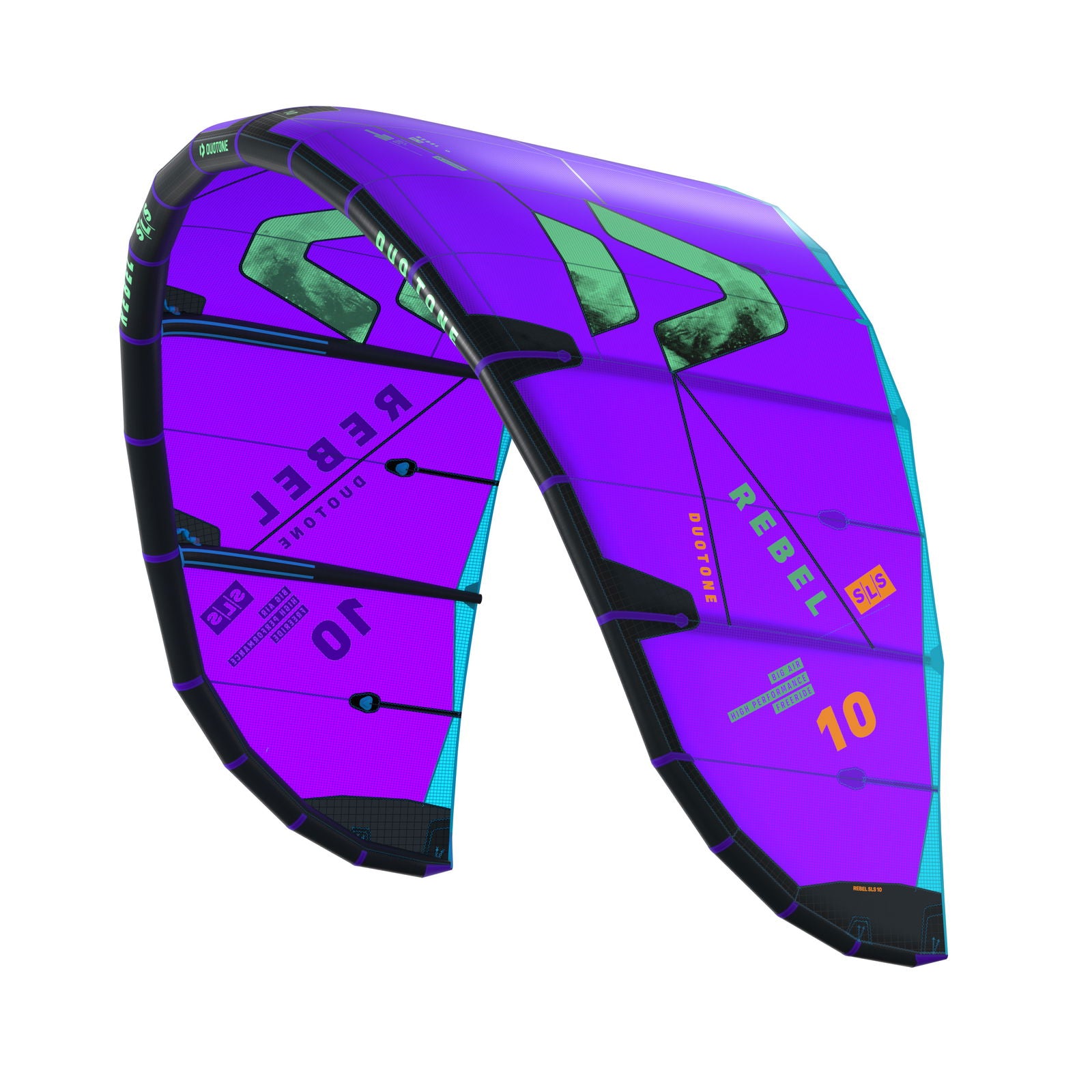
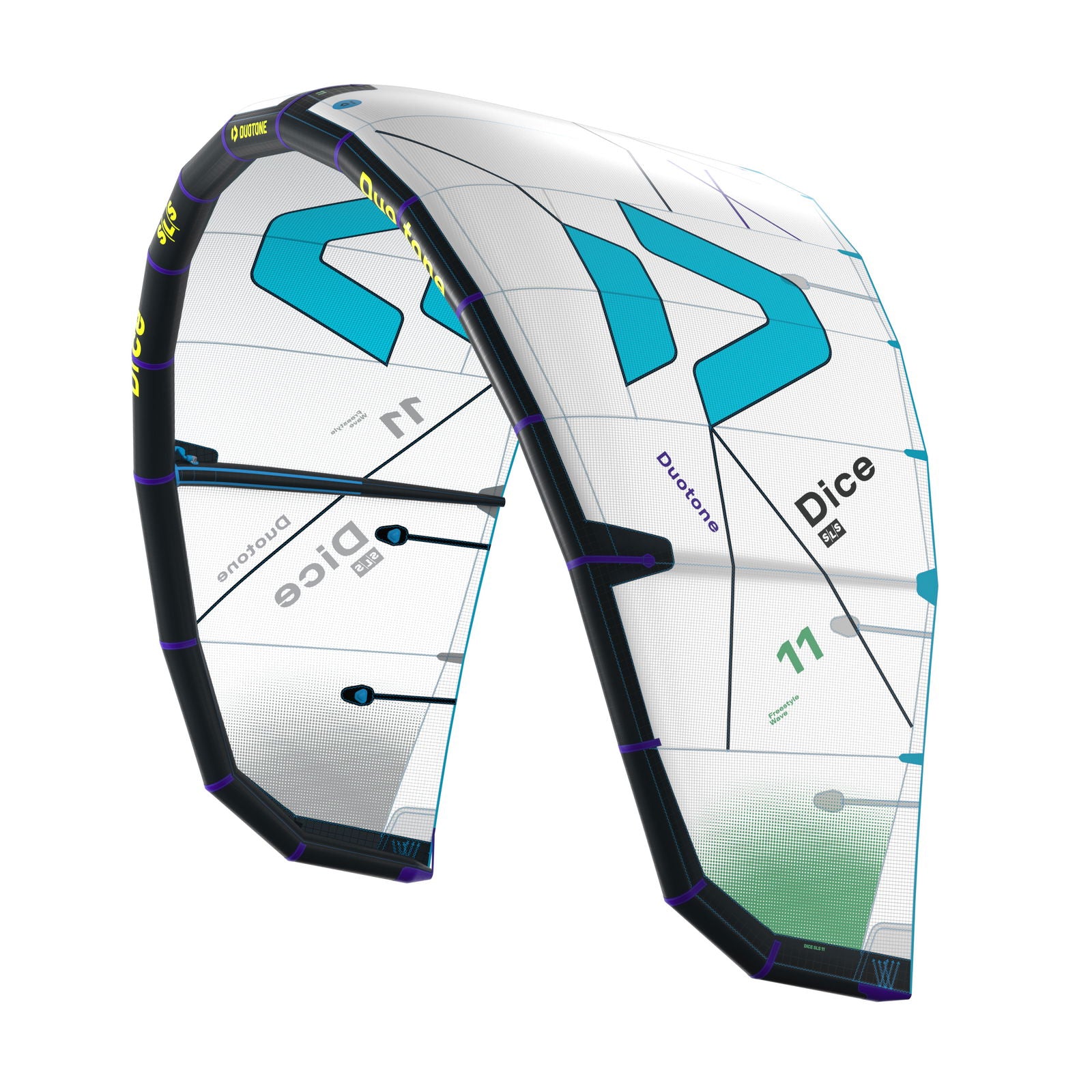
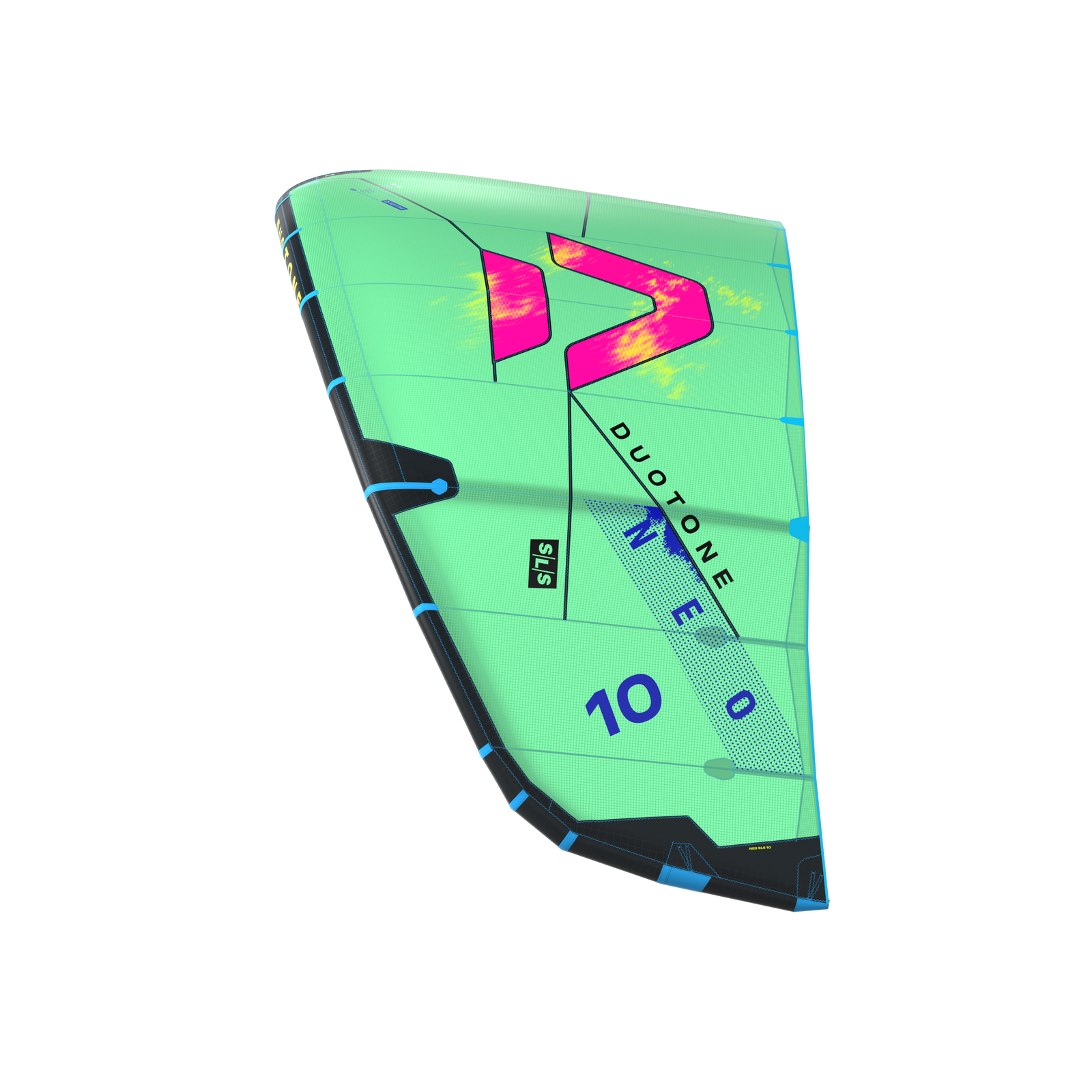
Prices and 2026 specs are pulled live from each product page. Confirm on the product page before checkout.
04 — MistakesThree mistakes we see every week
Ready to get them on the water?
Browse our junior kite range and find the size that fits your kid's weight, local wind, and ambition.
Frequently asked
Start with 5–7 m² in light to moderate wind (12–18 knots). If your spot runs lighter, go 7 m²; if it's gusty, 5–6 m² gives more control.
Only if it's small enough (5–7 m²). Most adult kites start at 9 m² and demand skills kids haven't yet — stick with junior-specific models for safety and progression.
Yes. It's forgiving, relaunches easily, and has a wide power band. We recommend it for kids aged 8–12 or anyone learning in variable wind.
When your kid has progressed for a season and gained 5+ kg, or when they're comfortable and the current kite feels too small in your local wind range.