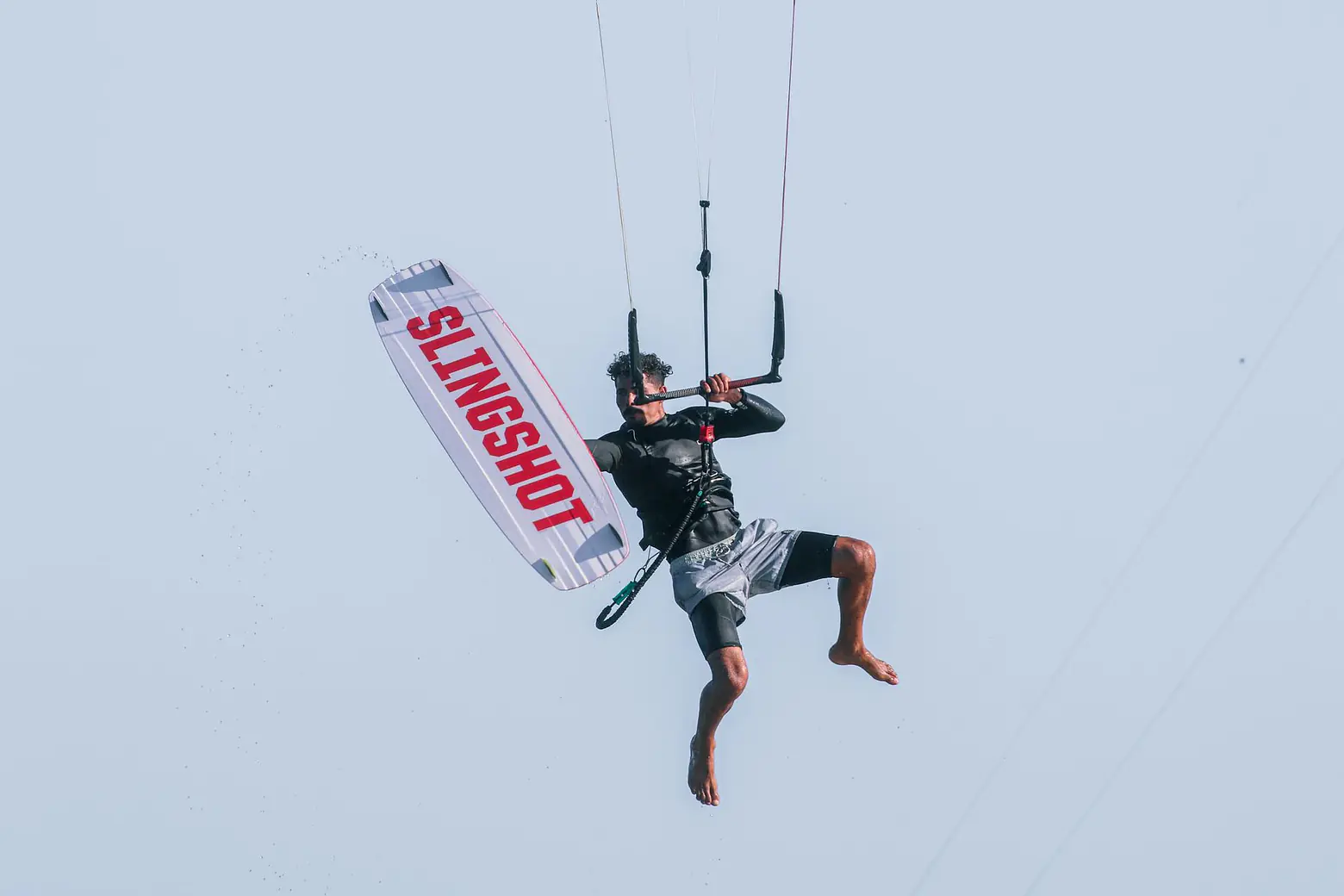
Best Wind Direction for Kitesurfing — Onshore vs Offshore Guide
Wind direction shapes every ride—more than speed ever will. Sideshore keeps you locked in, onshore keeps you safe, and offshore? That's a no-go unless you're tethered and prepared. Here's exactly what to chase and what to avoid.
Pick sideshore wind (parallel to shore) for the cleanest, most consistent riding. Onshore (toward beach) keeps you safe if things go wrong—ideal for beginners learning on 9–12 m² kites. Never chase offshore (away from land) unless you're advanced, tethered, and have a full rescue plan. Most European spots shift between onshore and sideshore; sideshore days are when you'll find the fastest riders.
01 — Consistency over knotsWhy Wind Direction Matters More Than Wind Speed
You can have 15 knots of messy, gusty wind or 12 knots of clean, laminar flow—pick the 12 every time. Wind direction is the difference between a ride you remember and a session you regret. We've shipped thousands of kites since 2003, and the one pattern we see across Tarifa, Cape Town, and the Danish coast is this: riders on sideshore days progress twice as fast as those battling wind shear and chop.
The reason? Wind moving parallel to the shore—sideshore—flows unobstructed over flat water. Your kite sits stable in the window, your board tracks true, and your transitions don't fight invisible currents. Onshore and offshore winds bend, gust, and collapse unpredictably because they hit obstacles: cliffs, dunes, trees, or the horizon itself. Clean wind is everything.
02 — Where to ride, where to avoidOnshore vs Sideshore vs Offshore: The Three Types Explained
Onshore (toward the beach): Wind blows from sea to shore. You can't go far downwind—the beach stops you fast. But this is your safety net. If something breaks, the wind pushes you toward help. Beginners learning on 9–12 m² kites should hunt onshore wind in 12–18 knots. It's forgiving and keeps you close to shore.
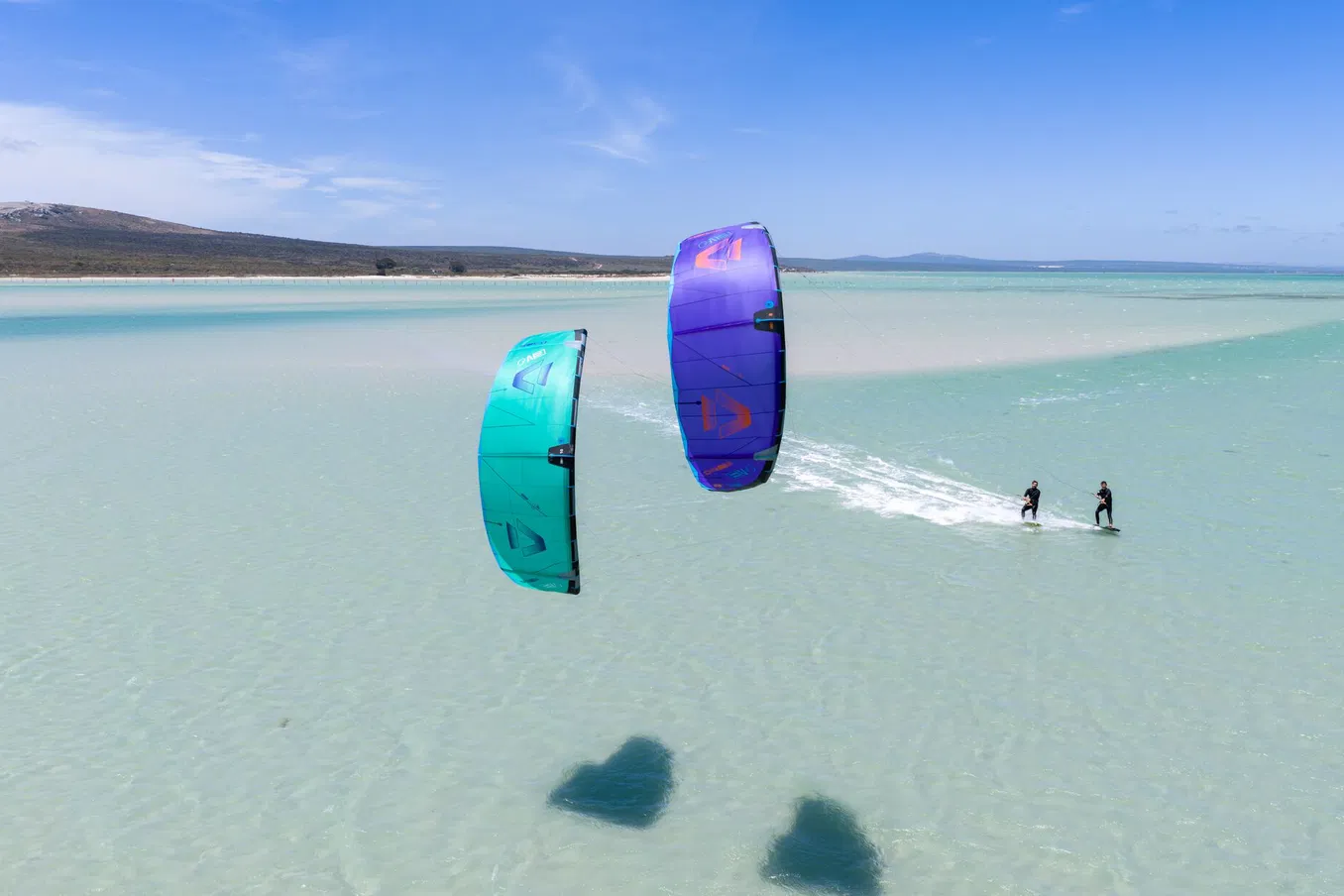
Sideshore (parallel to the beach): Wind runs left-right along the coast. You've got the whole bay to work with, the water's clean, and your kite sits rock-solid in the window. This is where you'll find our fastest riders—Duotone Evo and Rebel pilots hunt these days. Sideshore in 14–22 knots is where progression happens.
Offshore (away from land): Wind blows from shore to sea. DO NOT chase this unless you're advanced, tethered with a safety release, and have a rescue boat standing by. Offshore wind is deceptive—it feels consistent at the beach but dies or reverses 100 metres out. You drift downwind faster than you can ride back in. Not worth it.
03 — Our picksOur 4 In-Stock Picks for Any Wind Direction
We've stocked Duotone since the brand started shipping to Europe. These four are built for the wind directions you'll actually find—onshore chop, sideshore glass, and the gusty in-between. Pick your size by weight and wind range, not hype.
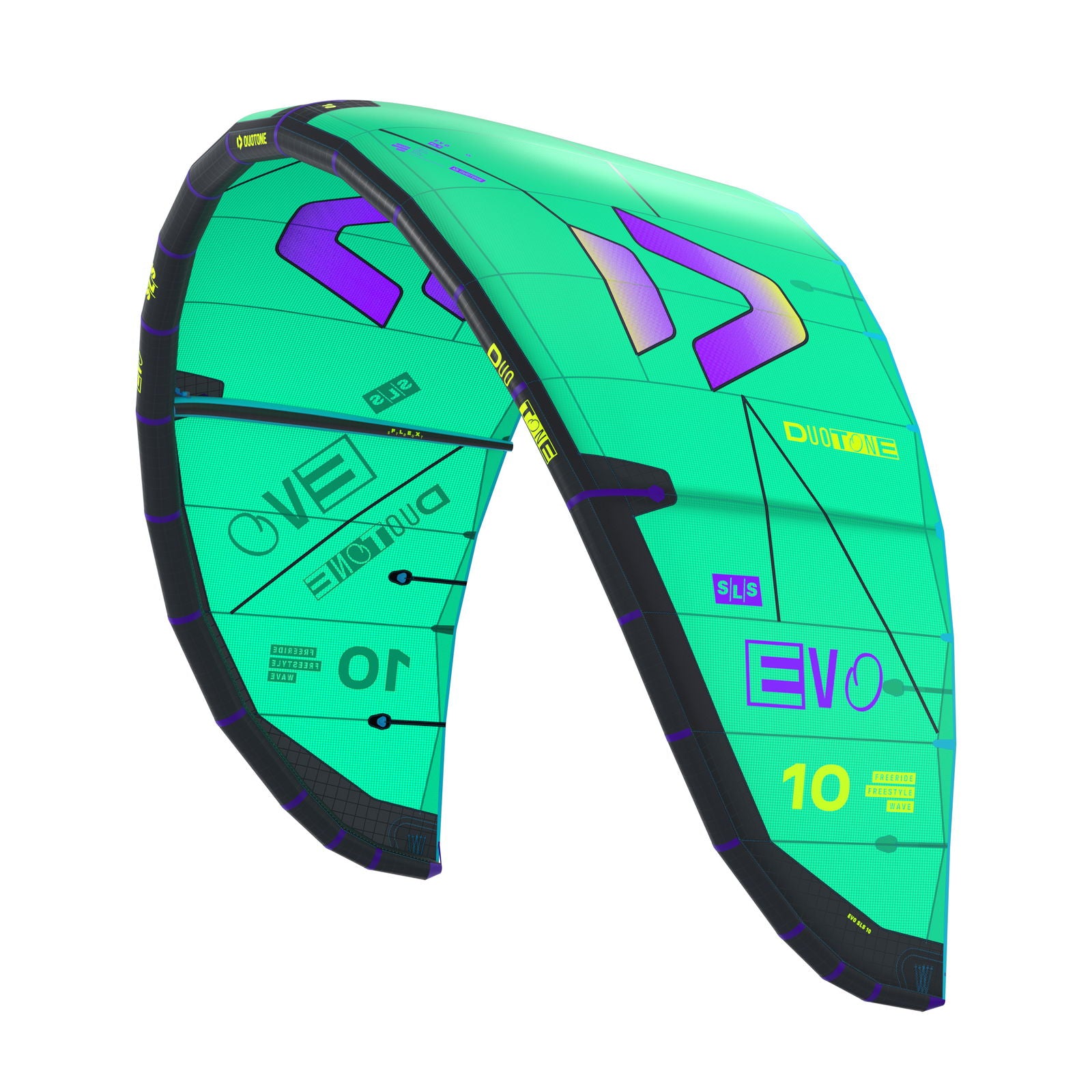
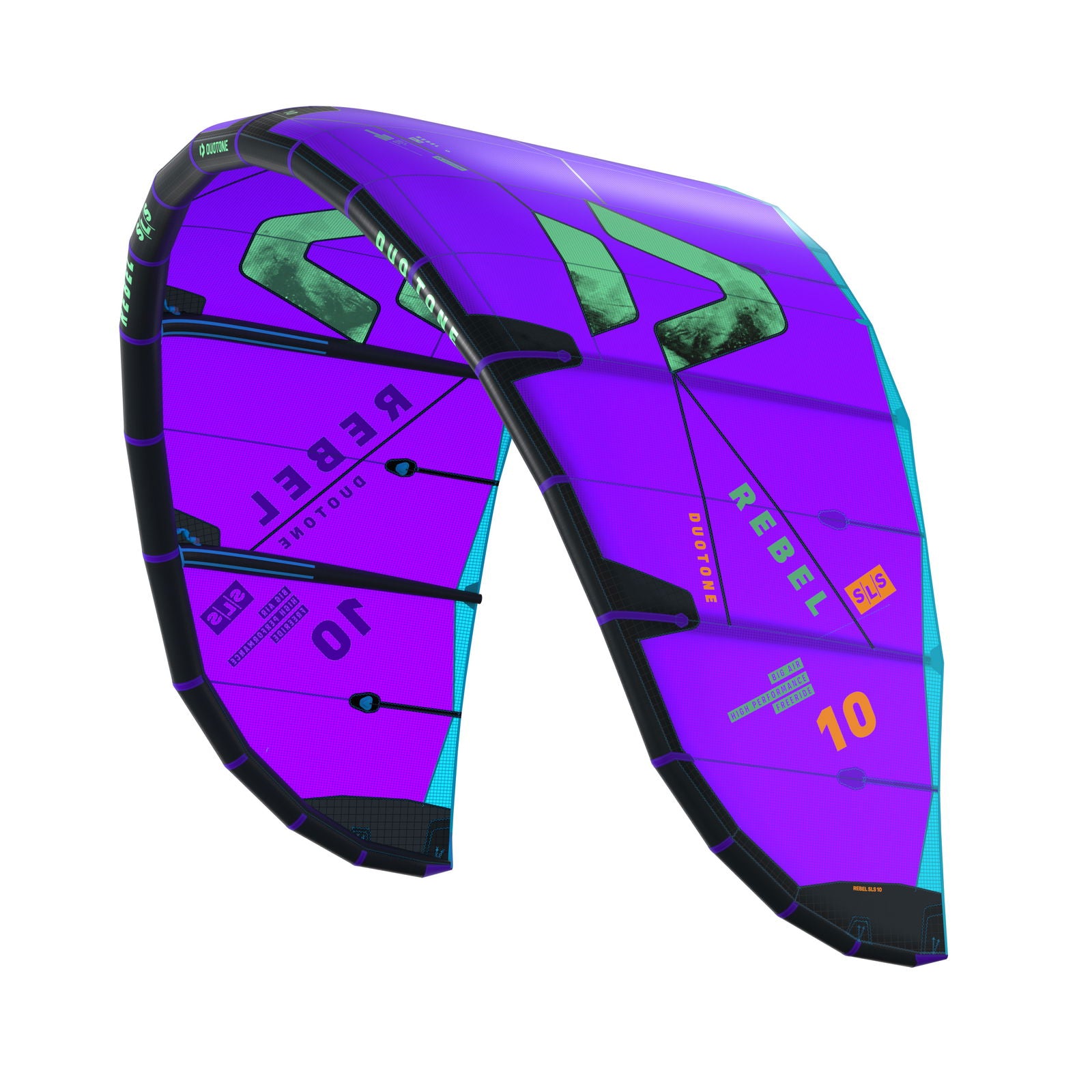
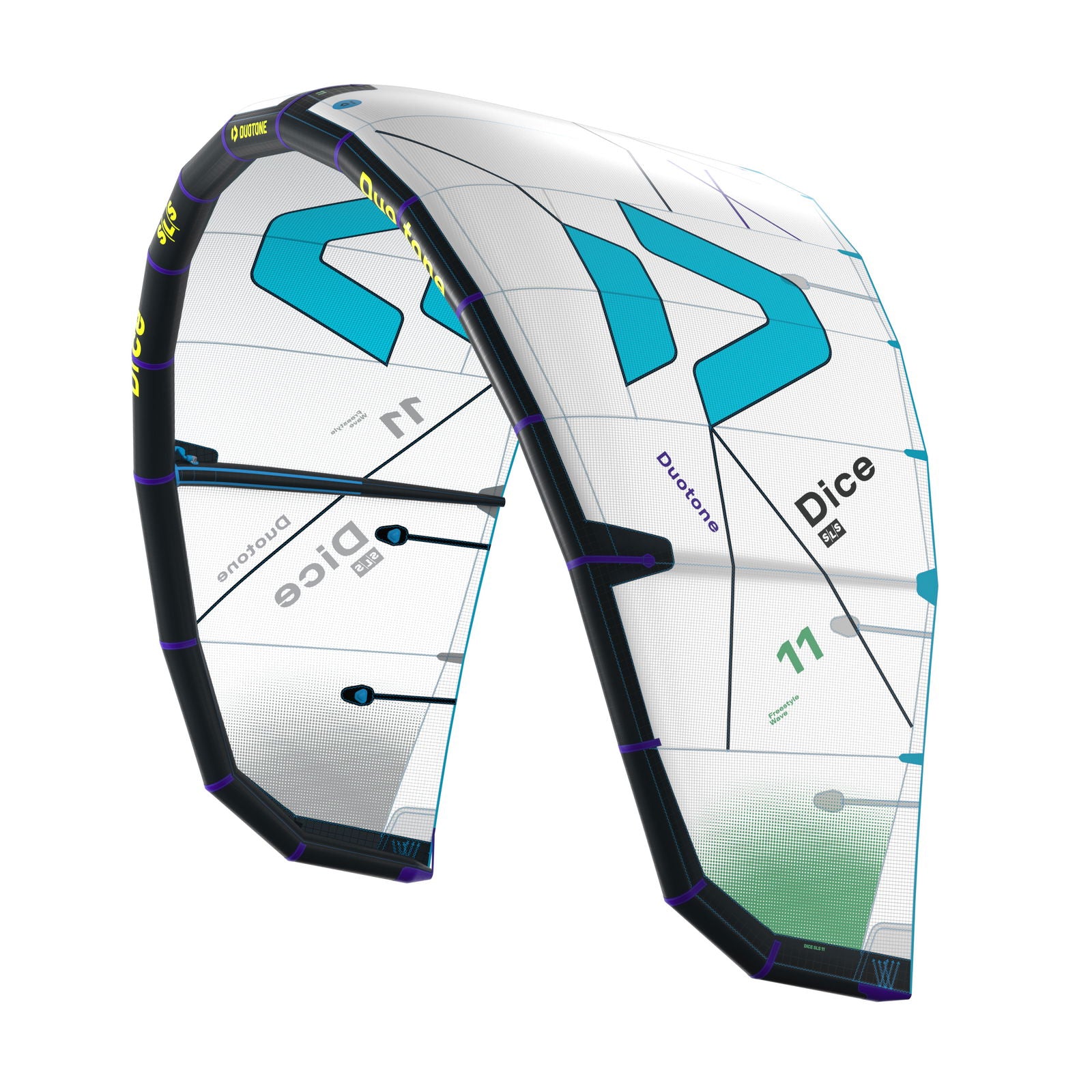
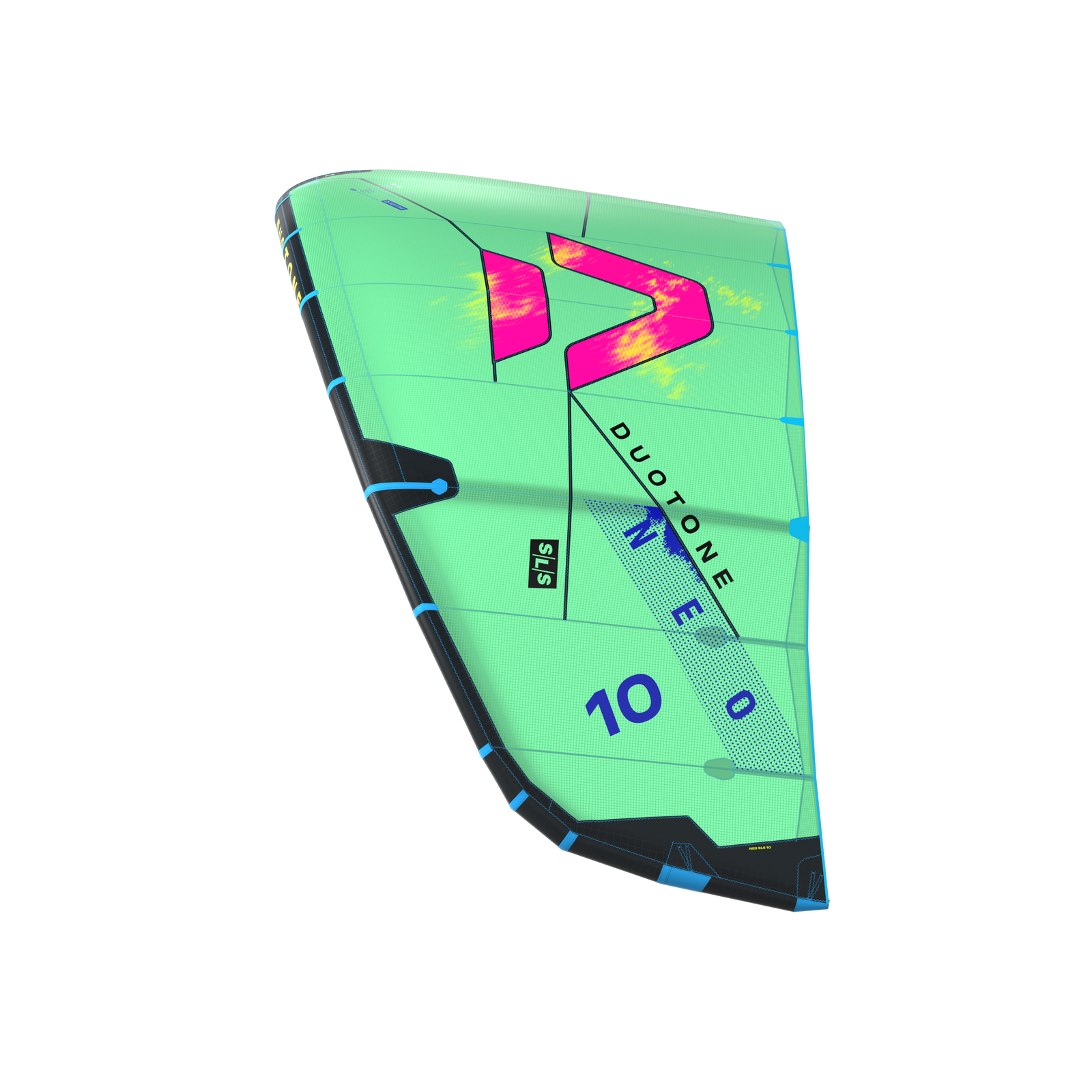
Prices and 2026 specs are pulled live from each product page. Confirm on the product page before checkout.
04 — MistakesThree mistakes we see every week
Ready to dial in your quiver?
Browse our full range of Duotone, Cabrinha, and Gaastra kites—sized for onshore learning and sideshore charge.
Frequently asked
Onshore in 12–18 knots on a 9–12 m² kite. You stay close to shore, wind's constant (if rough), and rescue is simple. Sideshore is faster progression once you're comfortable.
Not safely, unless you're advanced, tethered, and have a boat. Offshore looks clean at the beach but you'll drift away and lose wind fast. Skip it.
Ask locals. If the wind runs parallel to the beach and you can ride left-right without drifting toward shore or sea, it's sideshore. Watch the flags or trees at the beach—wind should run along them, not toward or away.
No. Onshore wind is already chaotic. Stick to your normal size (or go smaller) and hunt sideshore days instead. A 9 m² Duotone Evo in clean sideshore outperforms a 12 m² in messy onshore.