Wing Foiling Minimum Wind — Can You Fly in 12 Knots?
Twelve knots is tight, but it's where wing foiling actually works. We'll show you what's possible at minimum wind—and what gear makes the difference.
Yes, you can fly in 12 knots. You'll need a 5–7 m² wing, a light foil setup (1600+ cm² front wing), solid technique, and calm water. At this threshold, consistent upwind gliding becomes real. Wind below 12 knots gets hard; above 14, most riders find their rhythm.
01 — PhysicsWhy 12 Knots Is the Real Minimum
Below 12 knots, the wing struggles to generate lift fast enough to keep you and your board airborne. You'll pump, you'll fight gravity, and you'll spend half your session swimming. At 12–14 knots, the foil finally catches enough pressure to hold you steady. Upwind gliding stops feeling like a dream.
The sweet spot sits right here because water isn't forgiving. Wind pressure on the wing needs to translate into board speed, and board speed feeds the foil. Drop below 12, and you're chasing physics you can't beat.
02 — Kit essentialsGear That Actually Works at Minimum Wind
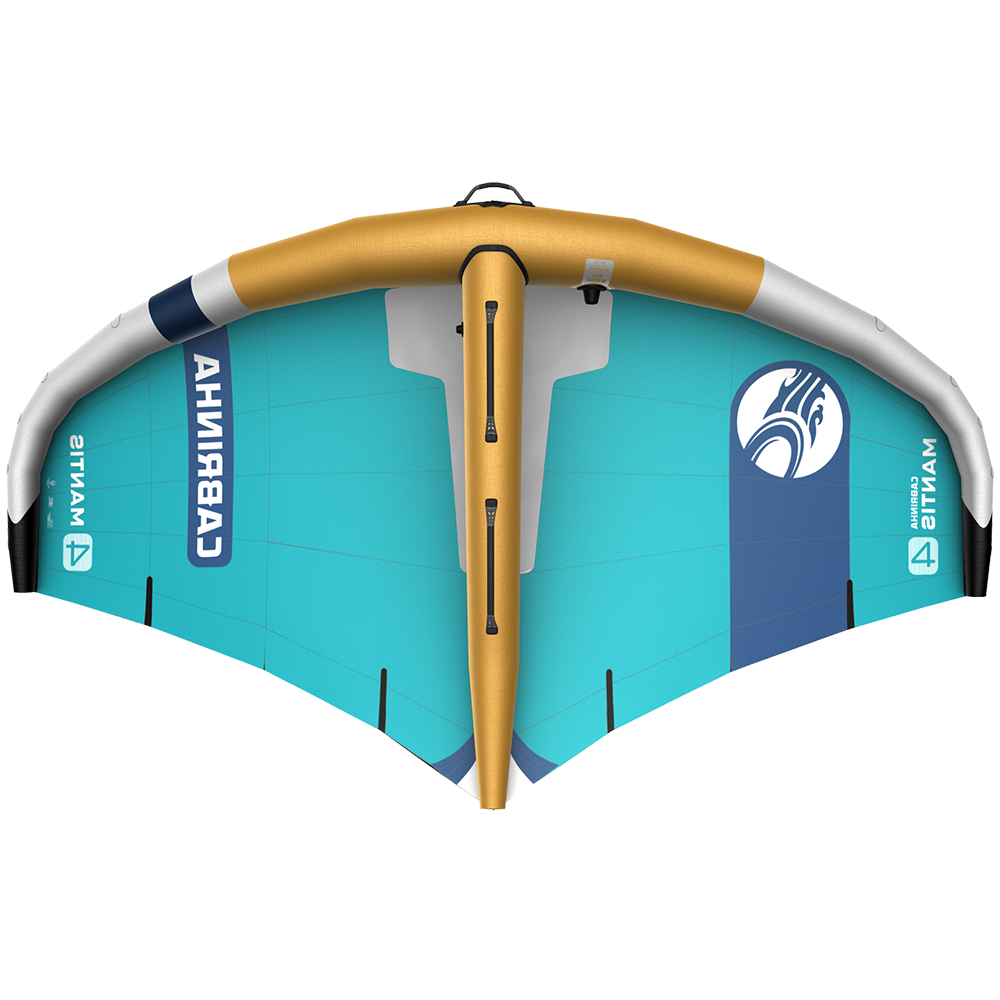
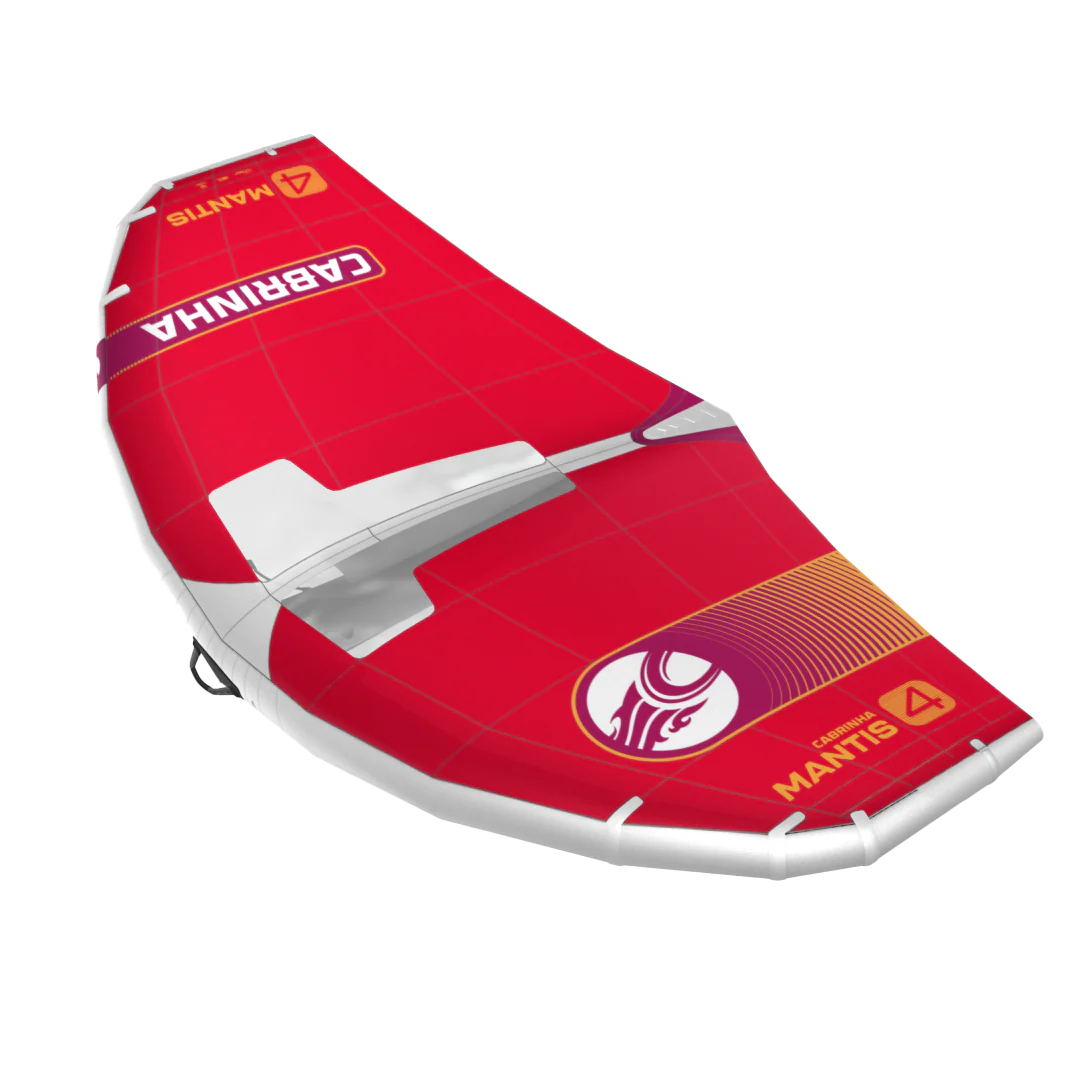
Your wing size matters most. At 12 knots, you're riding a 5–7 m² wing—bigger than you'd expect. The Duotone Unit SLS 2026 and Cabrinha Mantis 2026 are built for this exact window. Larger wings catch light breezes better and demand less effort to keep flying.
Foil setup is second. Pick a mast around 65–70 cm with a front wing in the 1600–2200 cm² range. Heavy riders lean toward 2000+ cm²; lighter riders (under 70 kg) can get away with 1600–1800 cm². The bigger front wing lifts earlier.
Your board needs volume too. A 100–120 L beginner board keeps you floating until the foil engages. Anything smaller and you're fighting to catch waves.
03 — Our picksOur 4 In-Stock Picks for 12-Knot Sessions
We've picked four wings that riders from our team and beyond trust in light wind. Two Cabrinha options give you budget and premium, two Duotone builds cover raw wing and all-in-one setup.


Prices and 2026 specs are pulled live from each product page. Confirm on the product page before checkout.
04 — MistakesThree mistakes we see every week
Ready to fly in light wind?
Browse our full wing foil range and find the setup that works for your local conditions.
Frequently asked
Technically, yes—but you'll spend most of your time pumping and swimming. 12 knots is where foiling stops being a workout and starts being fun. Save 10-knot attempts for when you're really comfortable.
12–25 knots for most riders. Below 12, you're chasing minimum thresholds. Above 25, you're wrestling control and sizing down constantly. The sweet spot is 15–20 knots.
Yes. At 12 knots, fly a 5–7 m². At 20 knots, drop to 4–5 m². Light wind = bigger wing. More wind = smaller wing. It's the opposite of kitesurfing.
If you've got solid balance and foil control, yes. Pick a 100–120 L board, a 6–7 m² wing, and a big front wing (1800+ cm²). Flat water helps. Choppy conditions will frustrate you fast.