How to Jump Kitesurfing — First Jump Guide for Beginners
Your first jump feels impossible until it isn't. Once you've got board control and basic riding locked, jumping is just three things in sync: kite position, edge pressure, and leg power.
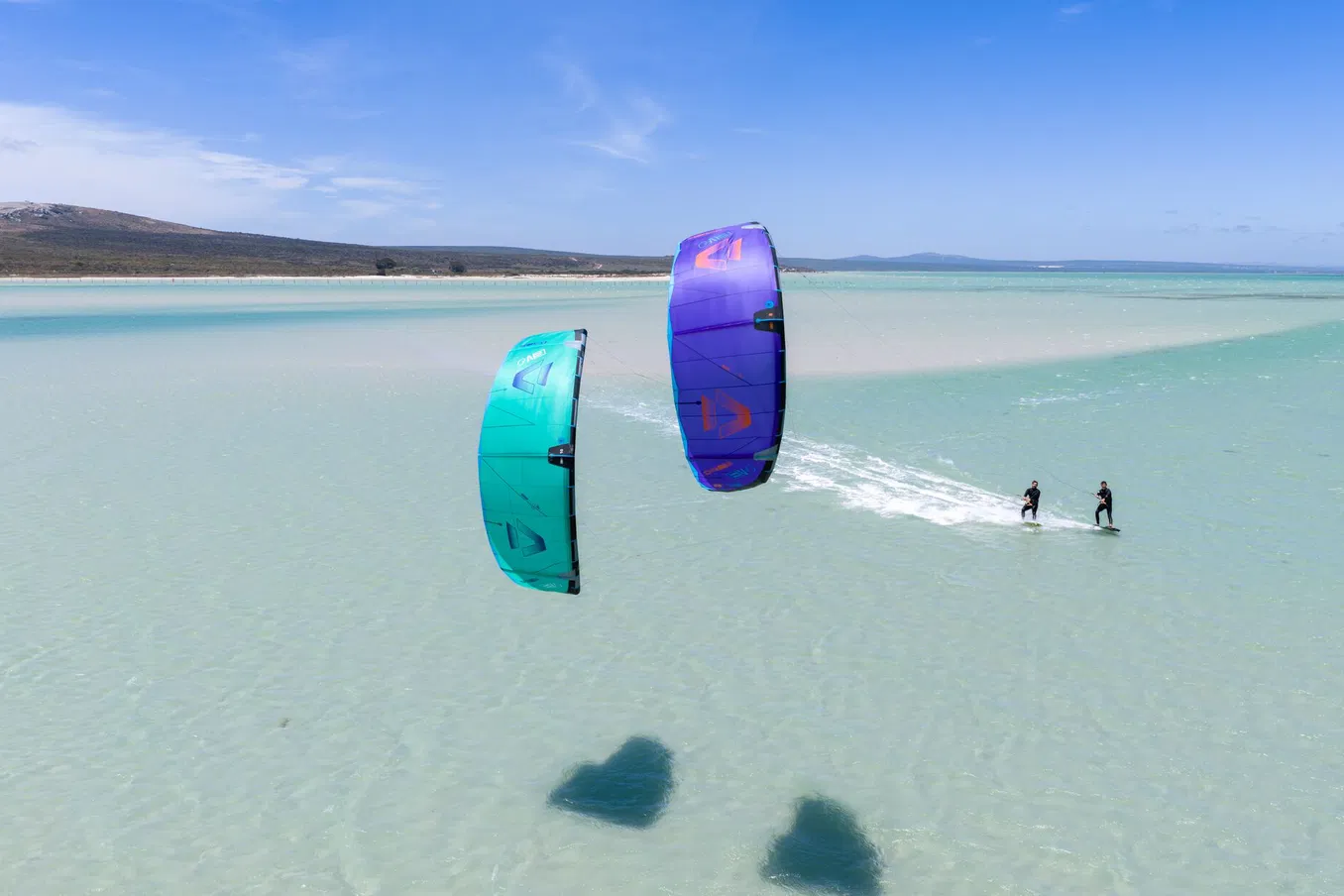
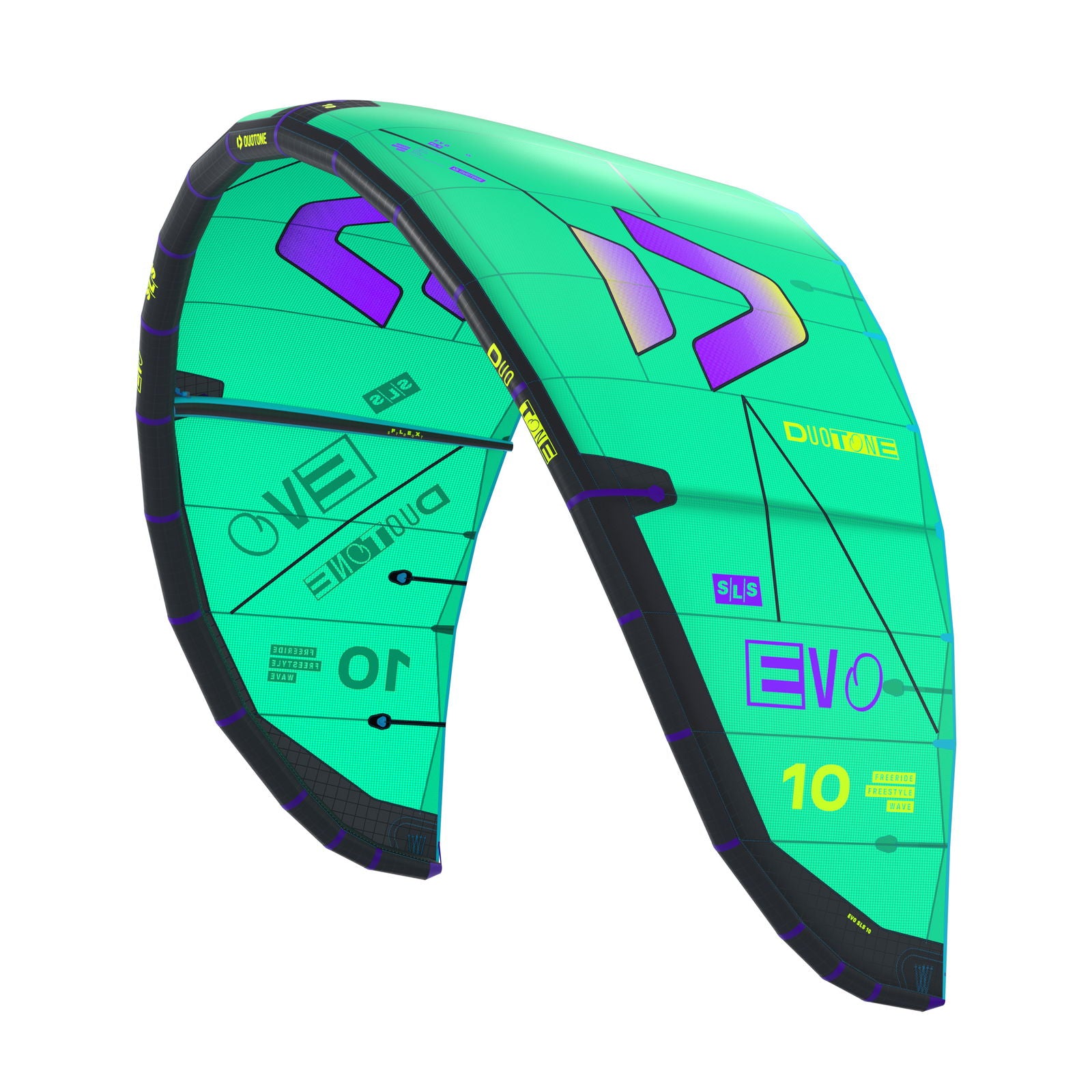
A jump needs three elements: kite swing to 45°, hard edge pressure, and explosive leg pop. Jump in 14–18 knots, not struggling wind. Most riders get airborne on attempt three or four once they stop fighting the kite. The Duotone Evo SLS 2026 is forgiving enough for this phase.
01 — TechniqueThe Three-Part Jump Formula
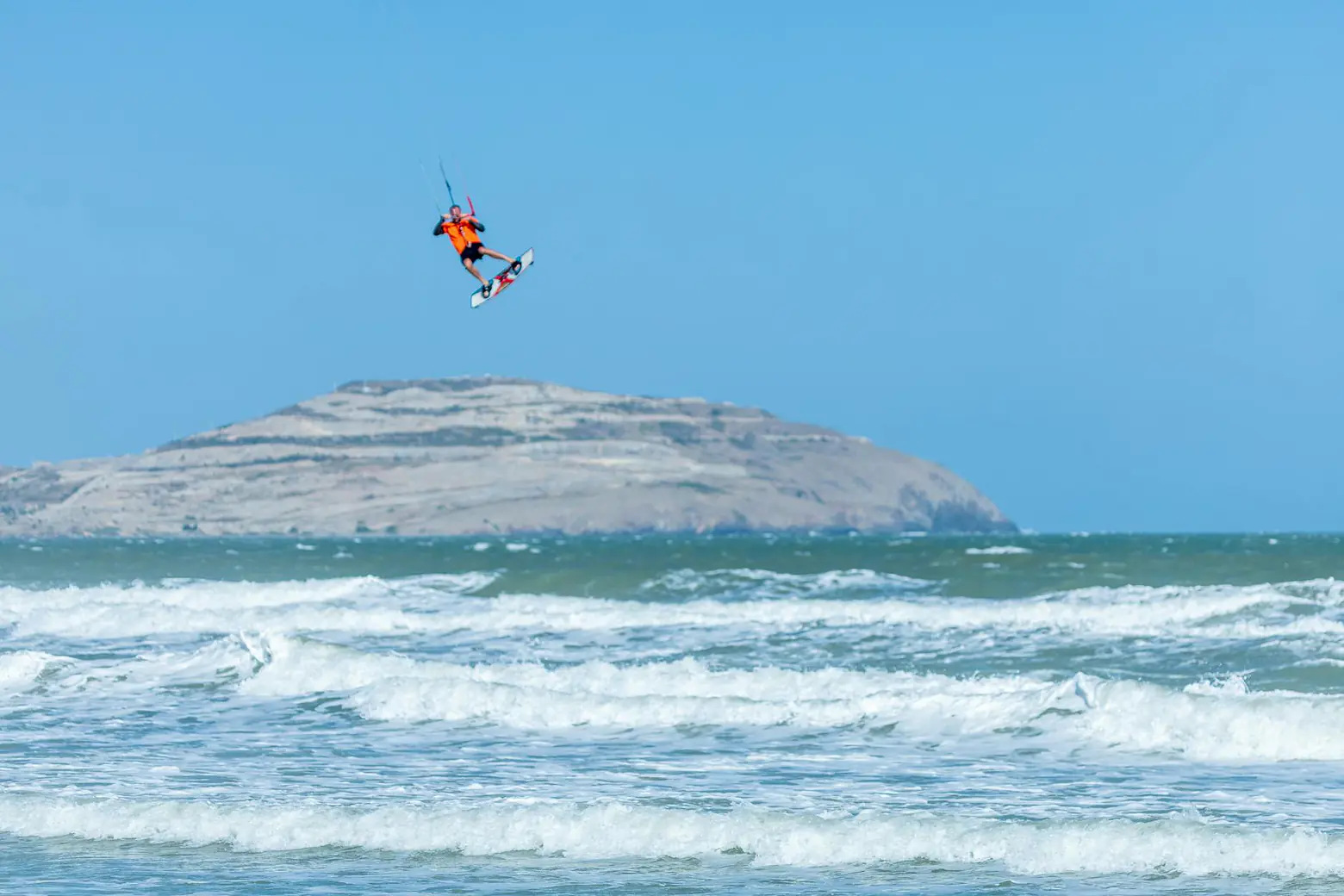
A jump isn't a trick—it's physics. Your kite swings down from 12 o'clock (where it loses lift), then back up to 45°, where it generates maximum upward force. That's your window. While the kite climbs, you edge hard, load your legs, then pop.
The mistake most beginners make: they wait too long for the kite to reach the top. Wrong angle, weak lift, no air. Swing it from 12 to 45, commit immediately. Your legs do the work—the kite just gives permission.
Practice on the beach first. Swing your arms like the kite, pop at 45°. Sounds daft, but it's muscle memory. Once you feel the timing in your body, the water feels obvious.
02 — Kite SizeChoosing the Right Kite for Learning Jumps
You need 9–12 m² in 14–18 knots. A 12 m² is more forgiving because it holds power longer through the swing. A 9 m² needs cleaner technique. If you're learning, start with 12 m²—it'll respond to sloppy timing. Duotone and Cabrinha both stock that range.
Avoid jumping in light wind (under 14 knots) or too much wind (over 20 knots). Light wind means weak kite response; heavy wind means you're fighting for control instead of focus. Pick a day when the kite feels effortless to fly straight and level—that's your sweet spot.
Board matters too. A smaller, stiffer twin-tip locks your edge better. You're not going for style yet, just height and control.
03 — Our picksOur 4 In-Stock Picks
All four of these 2026 Duotone models will get you airborne. They're all available now, and each suits a slightly different rider feel.
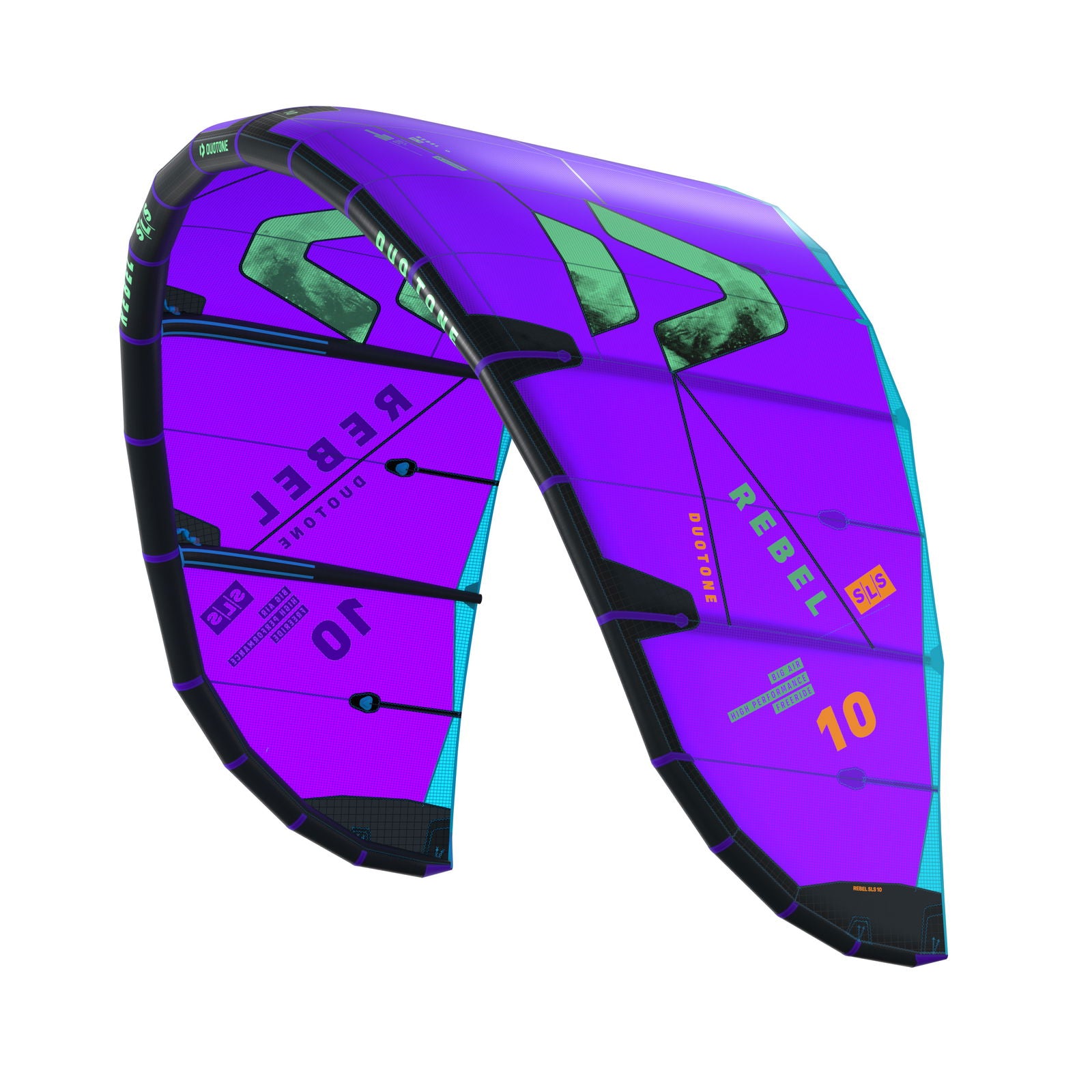
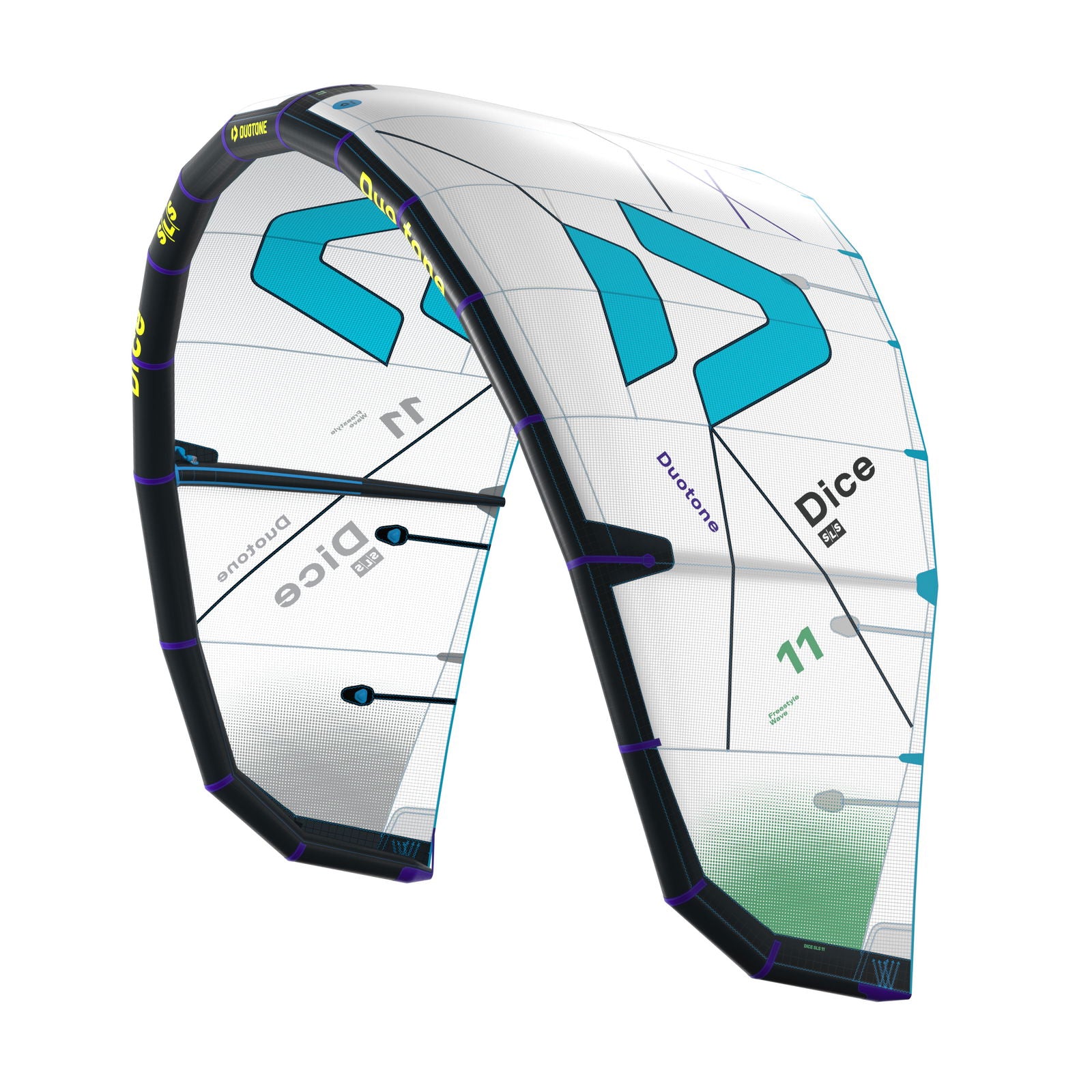
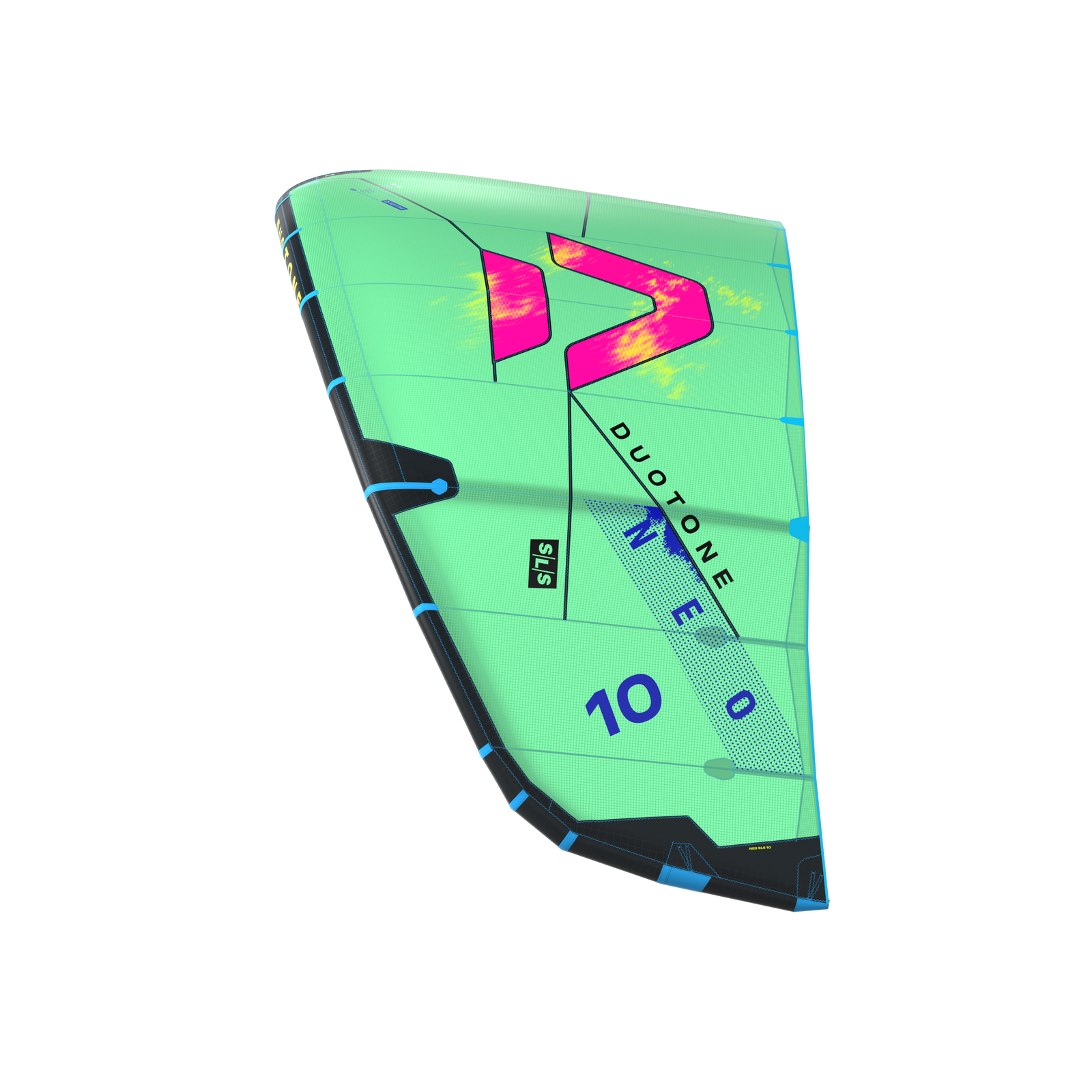
Prices and 2026 specs are pulled live from each product page. Confirm on the product page before checkout.
04 — MistakesThree mistakes we see every week
Ready to nail your first jump?
Browse our full range of beginner and intermediate kites—all in stock, all tested by our team.
Frequently asked
14–18 knots is ideal. You want enough power to feel the kite respond without fighting it. Light wind is frustrating; strong wind masks your mistakes and kills focus.
Start with 12 m² if you're new to jumping. It holds power longer and forgives sloppy technique. Move to 9 m² once you're consistent.
Three or four, once the timing clicks. It feels impossible, then suddenly your muscle memory takes over. Don't quit after one session.
Not if your current kite is 9–12 m² and in good shape. What matters more is smooth flying conditions and clean technique. If you're on a 7 m² or older gear, an upgrade helps.