How Long Does It Take to Learn Wing Foiling? — Realistic Timeline
Most people go from zero to gliding in 20–30 hours of water time. But the real variable isn't the calendar — it's consistent wind, the right coach, and whether you've ridden before.
Complete beginners need 25–40 hours, ex-kitesurfers or windsurfers need 15–25 hours, and consistent 12–16 knot wind matters more than clock time. You'll get your first glide in session one. Real independence takes 4–8 weeks of regular practice. A week daily in Tarifa beats three months of weekend gusts.
01 — ProgressionHour by Hour: What Actually Happens
Hours 0–3 (first session): You learn dry-land wing technique, board stance, and foil control on shore before touching water. You'll glide for a few seconds in that first session. That's the hook.
Hours 3–15 (sessions 2–5): You're linking glides together, getting comfortable with foil pressure, and starting to figure out how the wing steers. Your arms still ache. Falling's constant — that's normal.
Hours 15–30 (weeks 2–4): You can ride upwind now. You're not thinking about every movement. Sessions feel shorter because you're locked in. This is where most riders find their rhythm.
Hours 30+: You're riding style, playing with wave riding, jumping, or going faster. You're no longer fighting the equipment.
02 — ExperienceYour Background Changes Everything
Kitesurfers: You'll feel at home on the board and understand wind window instinct. Your learning curve is 15–25 hours because balance transfers. The wing is different — lighter, faster to respond — but your brain's already wired for water awareness.
Windsurfers: Same story. You know board control and sail trim. Wing foiling clicks faster for you.
Complete beginners: You need 25–40 hours because you're learning three things at once: board feel, wing control, and foil management. There's nothing wrong with this — you're building from zero, and that's actually freeing. You won't have bad habits to unlearn.
03 — Our picksOur 4 In-Stock Wing Picks
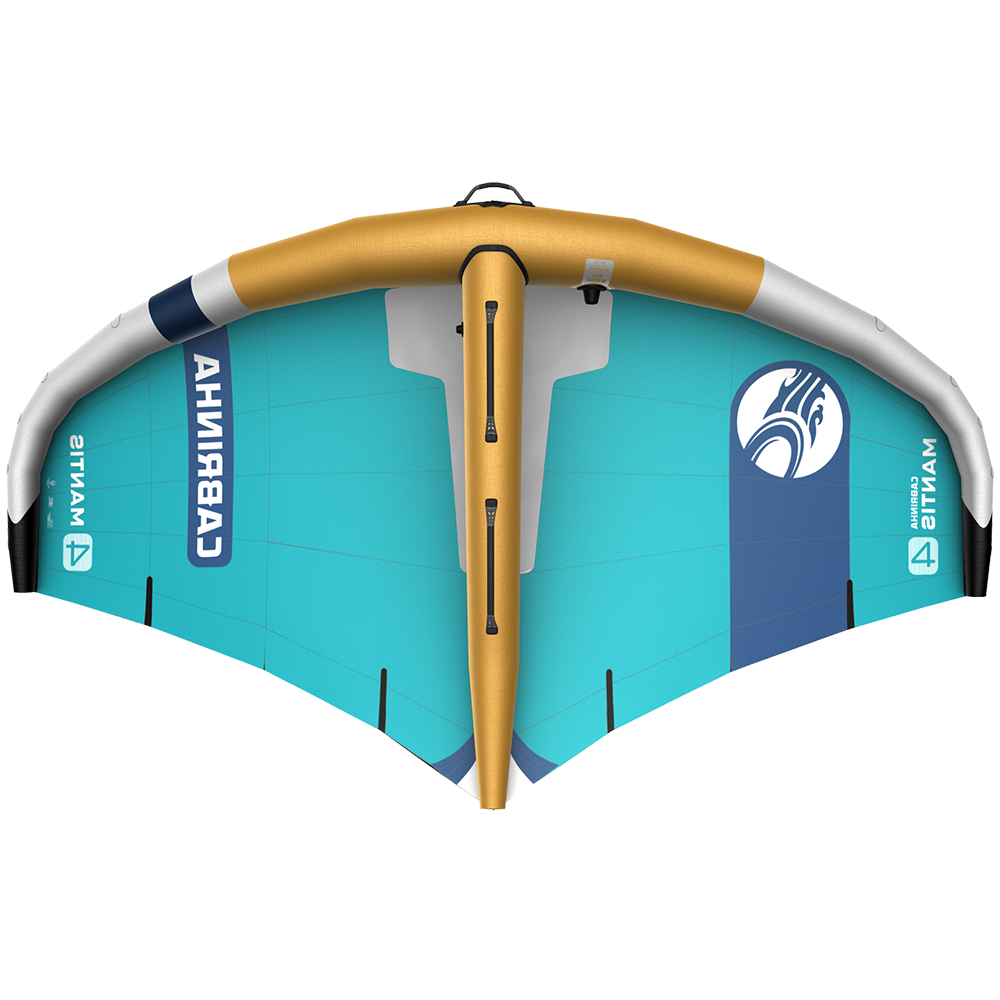
We've shipped wings since 2003, and these four are in our racks right now because beginners and early-intermediate riders keep coming back for them. Pick based on your budget and whether you've foiled before.


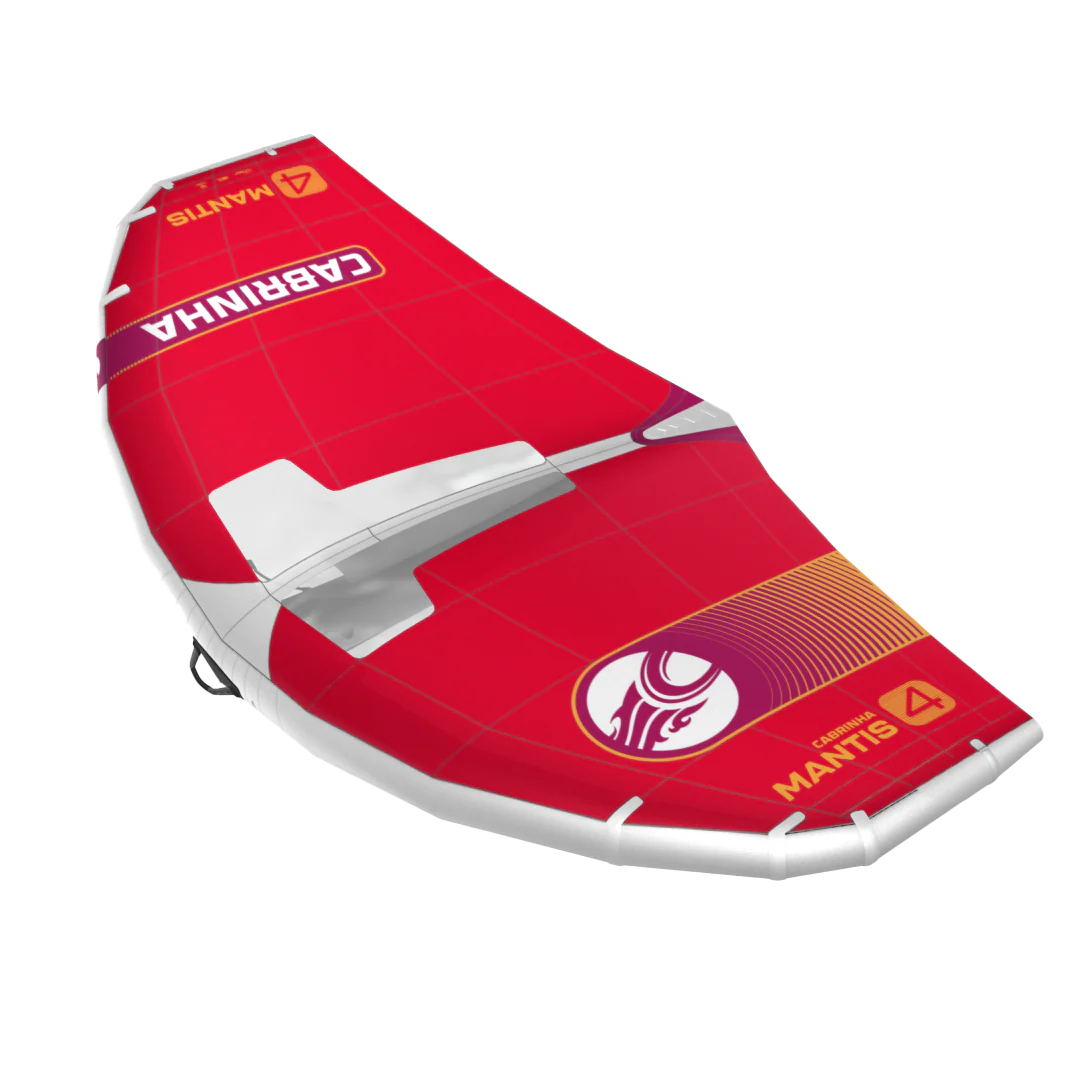
Prices and 2026 specs are pulled live from each product page. Confirm on the product page before checkout.
04 — MistakesThree mistakes we see every week
Ready to get on the foil?
Check our full wing foil range — wings, boards, and foils stocked, shipped, and backed by 20 years of know-how.
Frequently asked
Yes, but you'll progress slower. Flat water teaches wing control and balance. Moving water teaches timing and weight management. A mix is ideal — start flat, move to small waves or chop after hour 10.
Not essential, but it cuts your timeline by 30%. A coach spots foot position, wing angle, and weight shift mistakes in real time. Two or three sessions with someone good is worth the investment.
A 5 m² wing suits most riders (50–85 kg) in 12–16 knot wind. If you're smaller or lighter wind is common at your spot, a 4.5 m² works. Avoid going below 4.5 m² unless you're racing or very advanced.
Beginner wings like the Cabrinha Mantis or Duotone Unit SLS run 1,000–1,600 €. You'll want to budget for a foil board too (usually 600–1,200 € depending on your level). Check our in-stock range for current pricing.