Kitesurfing vs Wing Foiling 2026 — Which Is Easier?
Wing foiling and kitesurfing look the same from the beach, but they're totally different animals. We'll tell you which one you'll actually progress faster on, what each costs, and which winds suit your ambitions.
Wing foiling gets you airborne in 1–2 sessions. Kitesurfing takes longer but delivers stronger wind range (10–35 knots vs. 12–20). Pick wing foiling for quick wins in light winds; pick kitesurfing if you want power and patience. Budget €1,800–2,500 for wing gear, €1,200–2,000 for kite gear. Start wing on a Duotone Unit or Cabrinha Mantis.
01 — Learning CurveSpeed to Flight: Why Wing Foiling Feels Easier at First
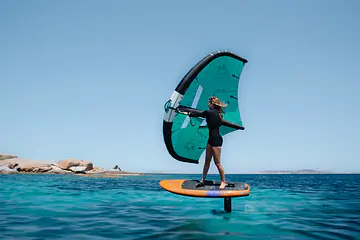
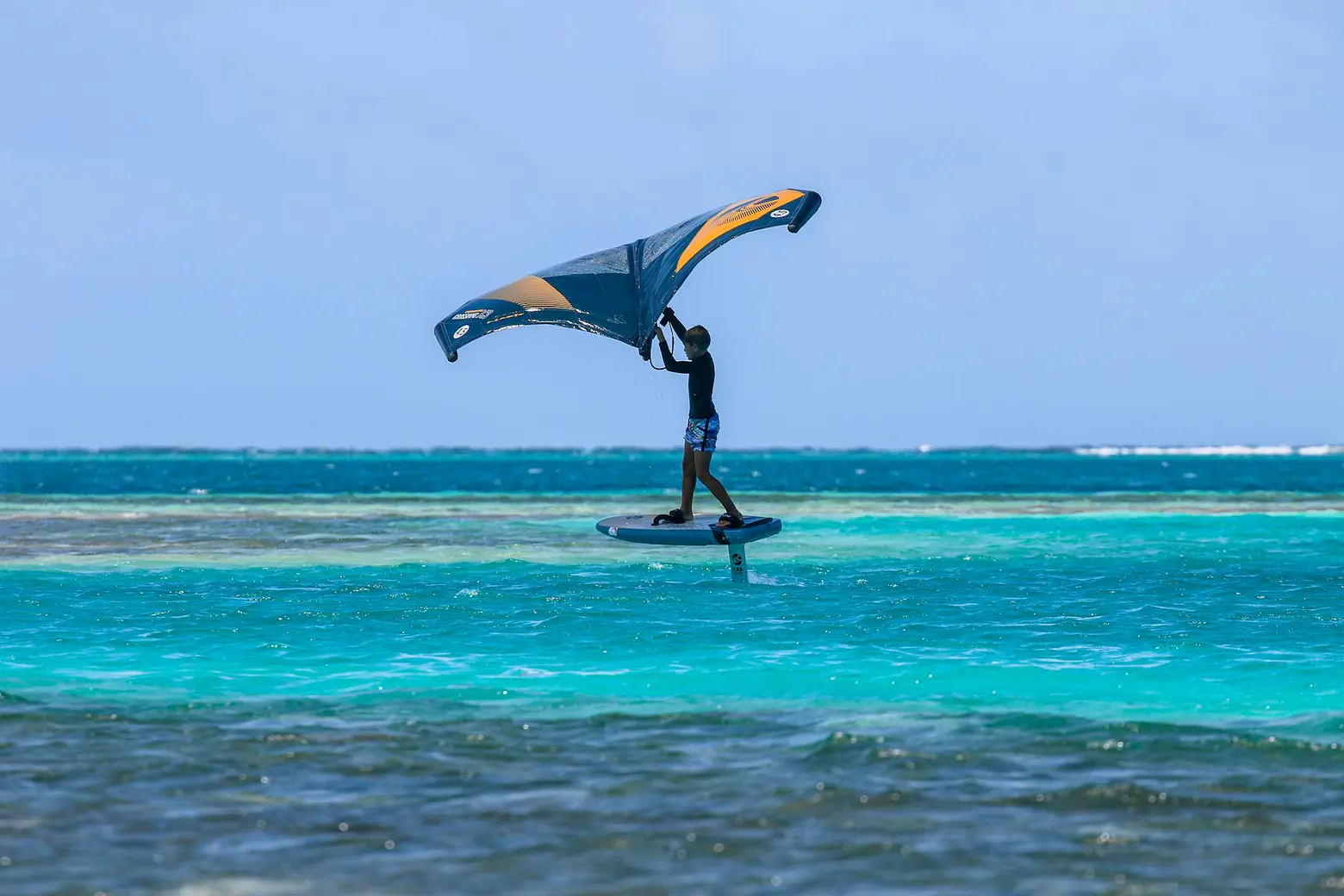
You'll get airborne on a wing faster than you ever will on a kite. Most riders we've coached into the foil manage sustained flight within their first or second session. No relaunch panic, no bar management—you're holding a wing with both hands, feeding power directly into the board. The foil does the work.
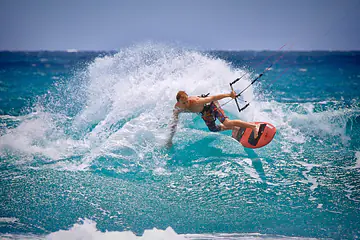
Kitesurfing? You're managing a bar, relaunching from the water, reading wind window geometry, and keeping tension on lines that'll wrap around your neck if you're not sharp. It's not impossible, but it's messier. Riders typically need 3–5 sessions before they're comfortable, and another 2–3 before they're confident in choppy water.
If you want to feel that 'I did it' moment fast, wing foiling wins every time. That said, kitesurfing teaches you wind awareness and kite control that transfers to basically every other sport on a board.
02 — Real ConditionsWind Range and Power: Where Kitesurfing Still Dominates
Wing foiling thrives in light, consistent winds between 12 and 20 knots. That's the sweet spot. Drop below 12 knots and you're scratching for power. Above 25 knots and you're overpowered unless you're running a smaller wing—but wings max out at 7 m², so your options narrow.
Kitesurfing lives in the range where wing foiling struggles. 10–35 knots: you just size your kite and go. Gusty beach breaks, thermal afternoon wind at Tarifa, solid ocean swells—kitesurfing handles all of it because a 7 m² or 9 m² kite adjusts to what the wind gives you. You're not hunting a narrow wind band.
Love flat-water light-wind sessions? Wing foiling. Want to ride anything from 10 knots to full-on beach gusts? Kitesurfing.
03 — Our picksOur 4 In-Stock Picks for Starting Wing
If you're sold on wing foiling, we've stocked these four Duotone wings since they landed. Each handles different budgets and progression speeds. Pick based on how much you're willing to spend upfront and whether you want the safety of a learner-friendly design or something that'll grow with you.


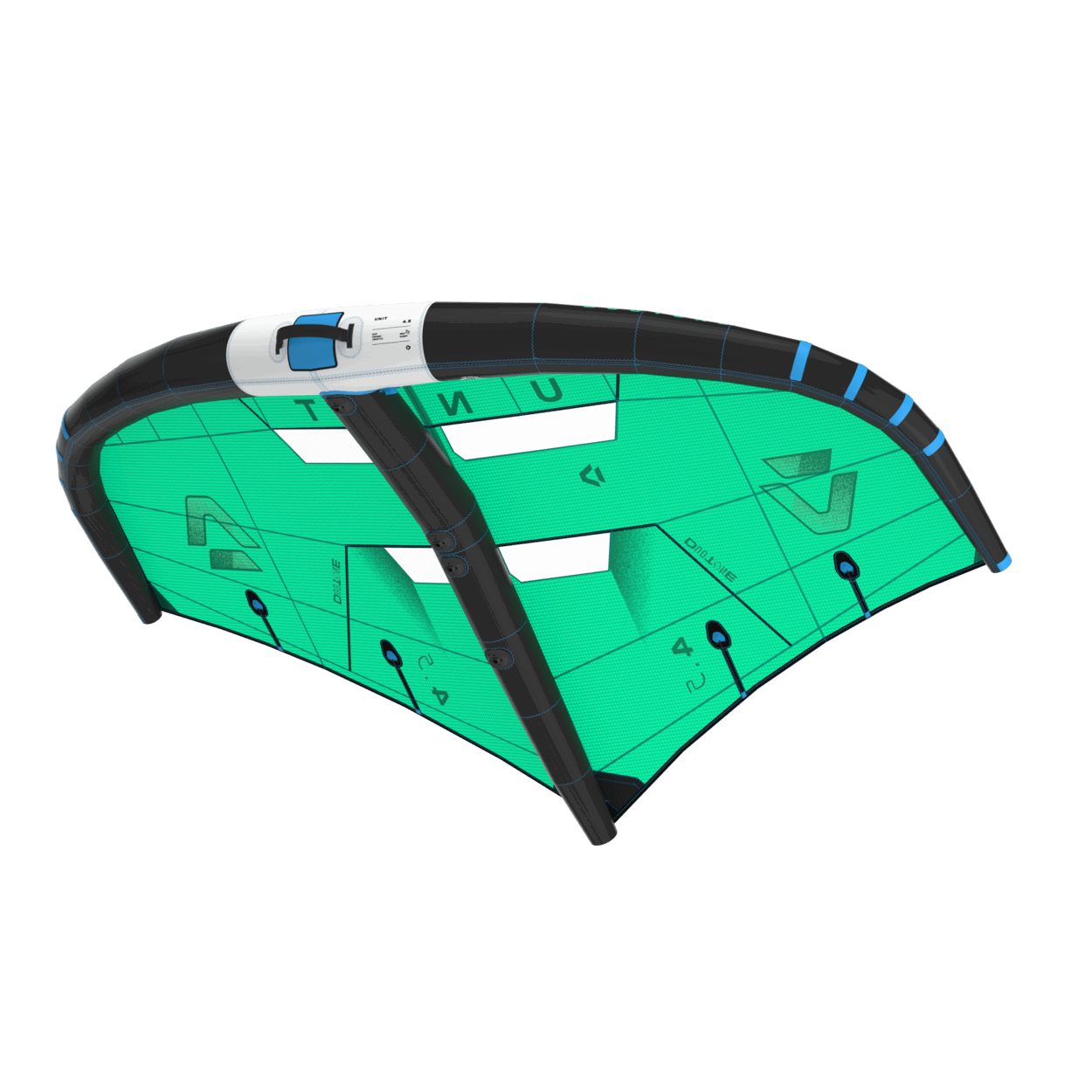
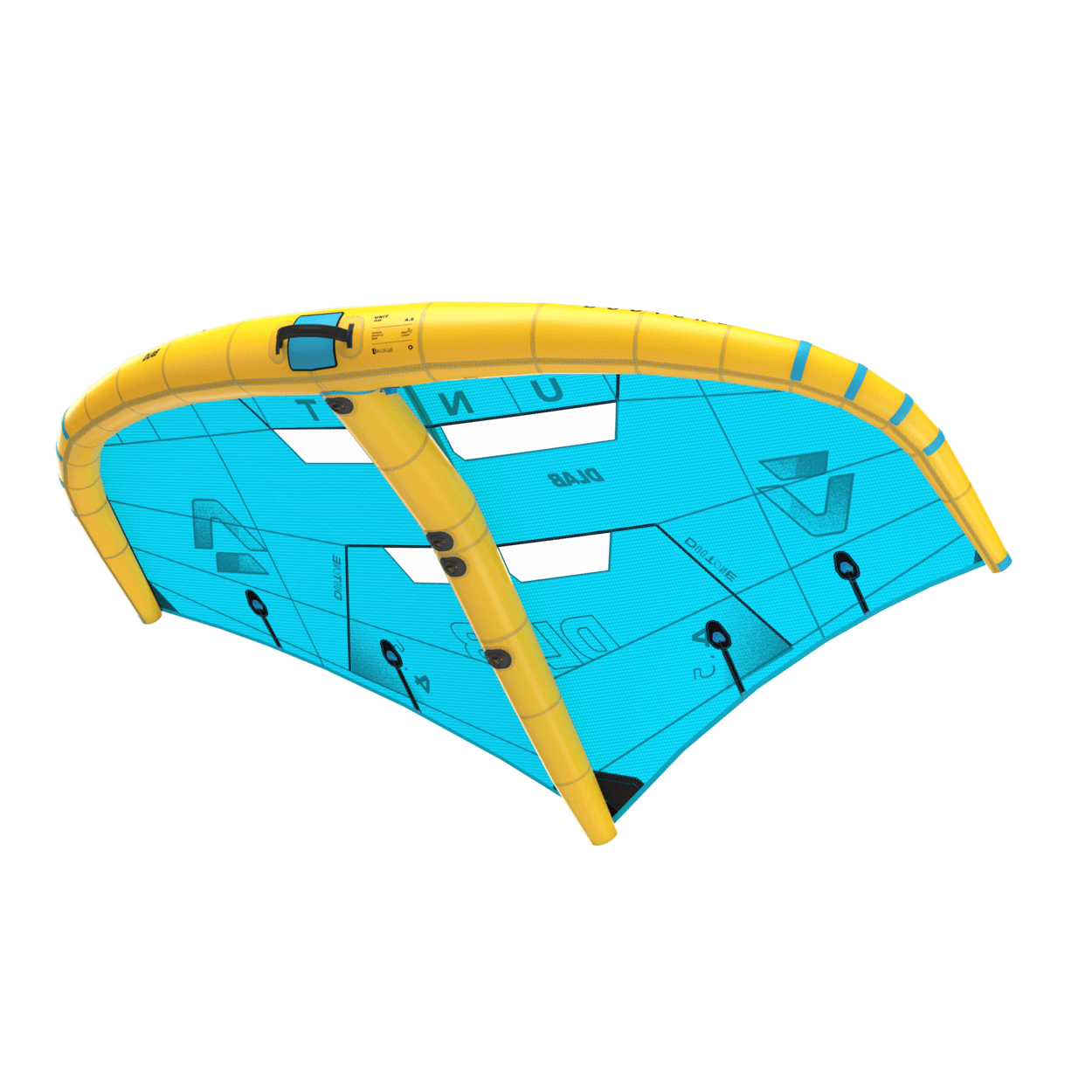
Prices and 2026 specs are pulled live from each product page. Confirm on the product page before checkout.
04 — MistakesThree mistakes we see every week
Ready to start wing foiling?
Browse our full wing range and beginner-friendly Duotone and Cabrinha gear to find your perfect setup.
Frequently asked
You can, but don't. Master one first—wing foiling's faster, so start there, then kit out for kites if you want stronger winds later.
Similar ballpark: €1,200–2,000 for beginner kite gear, €1,800–2,500 for wing. Kites last longer before upgrade itch hits.
For riders 60–80 kg, start on a 5 m² wing. Lighter? Try 4.5 m². Heavier? Stick 5 m² or 5.5 m² depending on your usual wind window.
Yes. Wing foil boards are smaller (80–120 L), kite boards bigger (130–150 cm twin-tip). Don't mix them up.