
Kite Bag Guide 2026 — Best Travel Bags for Kitesurfers
A proper kite bag isn't just convenience—it's insurance for gear that costs thousands. We've seen too many riders arrive at the beach with creased battens and punctured bladders because they stuffed their quiver into whatever was handy. This guide covers what actually matters when you're traveling with kites.
Look for 10mm+ closed-cell foam padding, internal dividers to separate kites, and water-resistant nylon or PVC that shrugs off salt spray. For multi-kite travel, you'll want a bag that holds 2–5 kites and weighs under 5 kg empty. We stock Duotone bags built for this—the Duotone Neo SLS 2026 is the workhorse; upgrade to the Duotone Rebel SLS 2026 if you're flying hard or shipping internationally.
01 — Padding, Dividers, and MaterialsCore Protection
Padding is everything. Your 12 m² kite costs between €1,500 and €2,000—treat it like your phone never gets treated. We recommend 10mm or thicker closed-cell foam that won't compress flat after a season. Open-cell foam absorbs water and degrades fast. Closed-cell keeps its shape and actually repels moisture.
Internal dividers are non-negotiable if you're traveling with multiple sizes. A 7 m² and a 12 m² banging against each other will crease battens and stress the bladder seams. Most quality bags come with 2–3 fixed dividers; some add removable segments so you can adjust for a 2-kite quiver or a full 4-kite setup.
Material matters too. Water-resistant nylon (Cordura-grade) or PVC-coated fabrics shed salt spray and sand. Avoid pure cotton canvas—it soaks up brine and becomes a bacteria farm. You'll notice the difference the moment you pull your kites out: no corrosion, no smell.
02 — Capacity and WeightSize Your Bag to Your Quiver, Not Your Dreams
Riders always overestimate how many kites they'll actually fly on any trip. If you travel with 2–3 kites (7, 9, 12 m²), you don't need a 150-liter expedition bag. Most of our regulars fly a 9 m² and 12 m² quiver; a solid 80–120 liter bag handles that easily.
Weight matters more than you'd think. If your bag weighs 8 kg empty, add two kites and you're lugging 20+ kg through the airport. We've seen riders grab bags under 5 kg empty—the Duotone Neo SLS 2026 hits that sweet spot. Larger bags like the Duotone Rebel SLS 2026 are built tougher for frequent flyers and rough international routes, but they weigh slightly more for the durability trade-off.
Check whether the bag has a luggage handle cutout. You'll want to thread it over your rolling case, not hand-carry it separately. It saves your shoulder and keeps the bag stable during transport.
03 — Our picksOur 4 In-Stock Picks
We've tested these bags with rider feedback since 2003. Pick by trip length and quiver size: grab the Neo for domestic trips, the Rebel if you fly hard or ship internationally, and the Evo or Dice if you want premium materials on a tighter budget.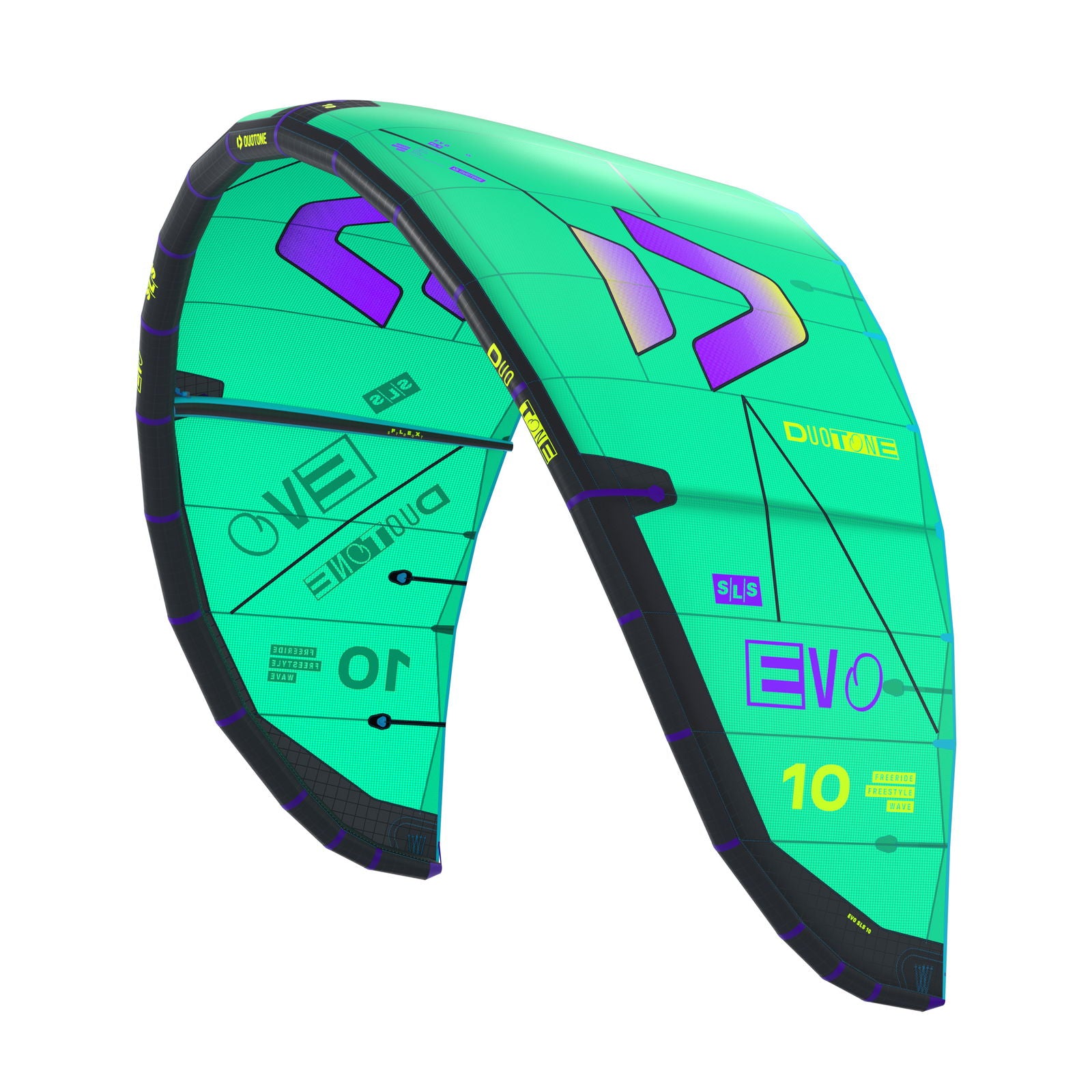
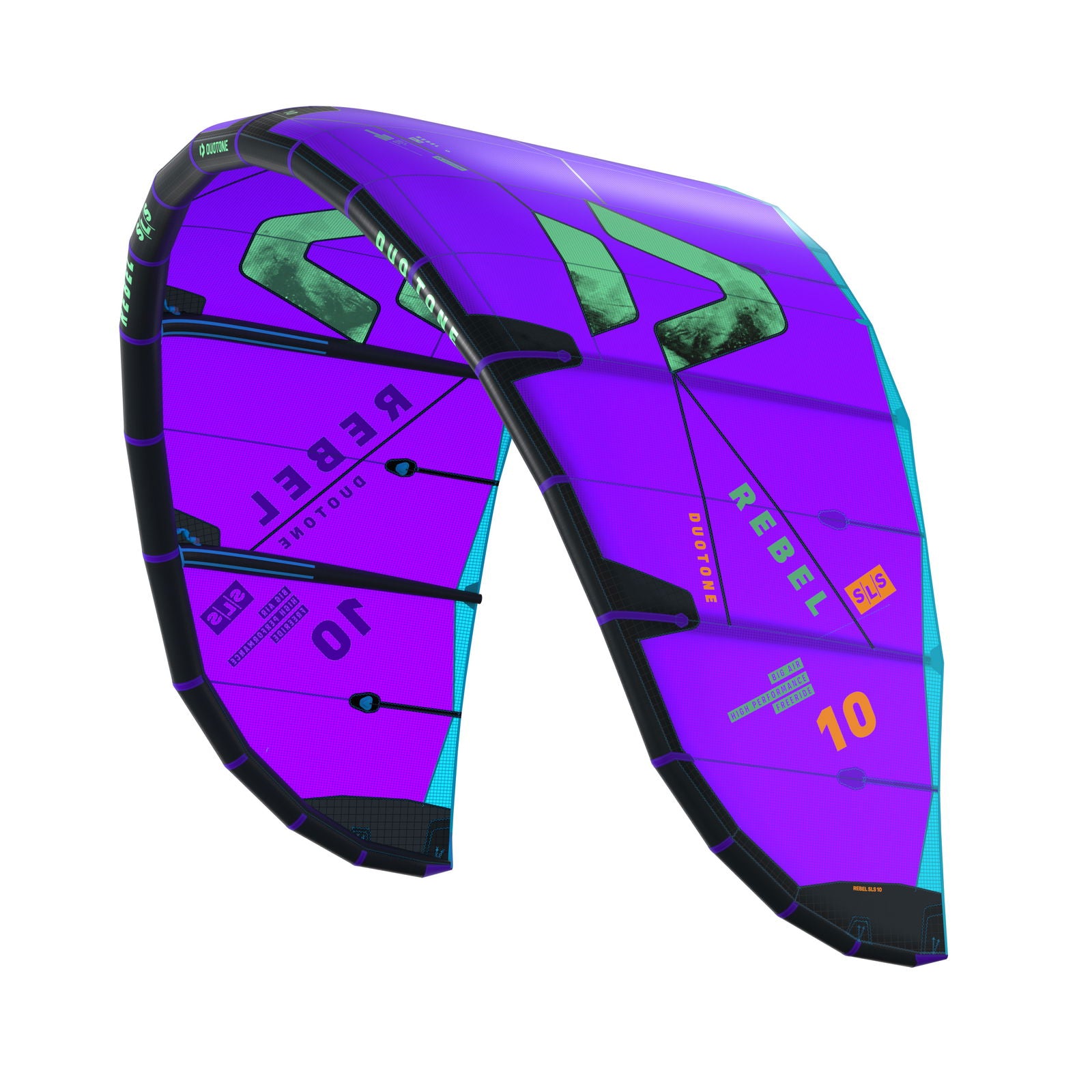
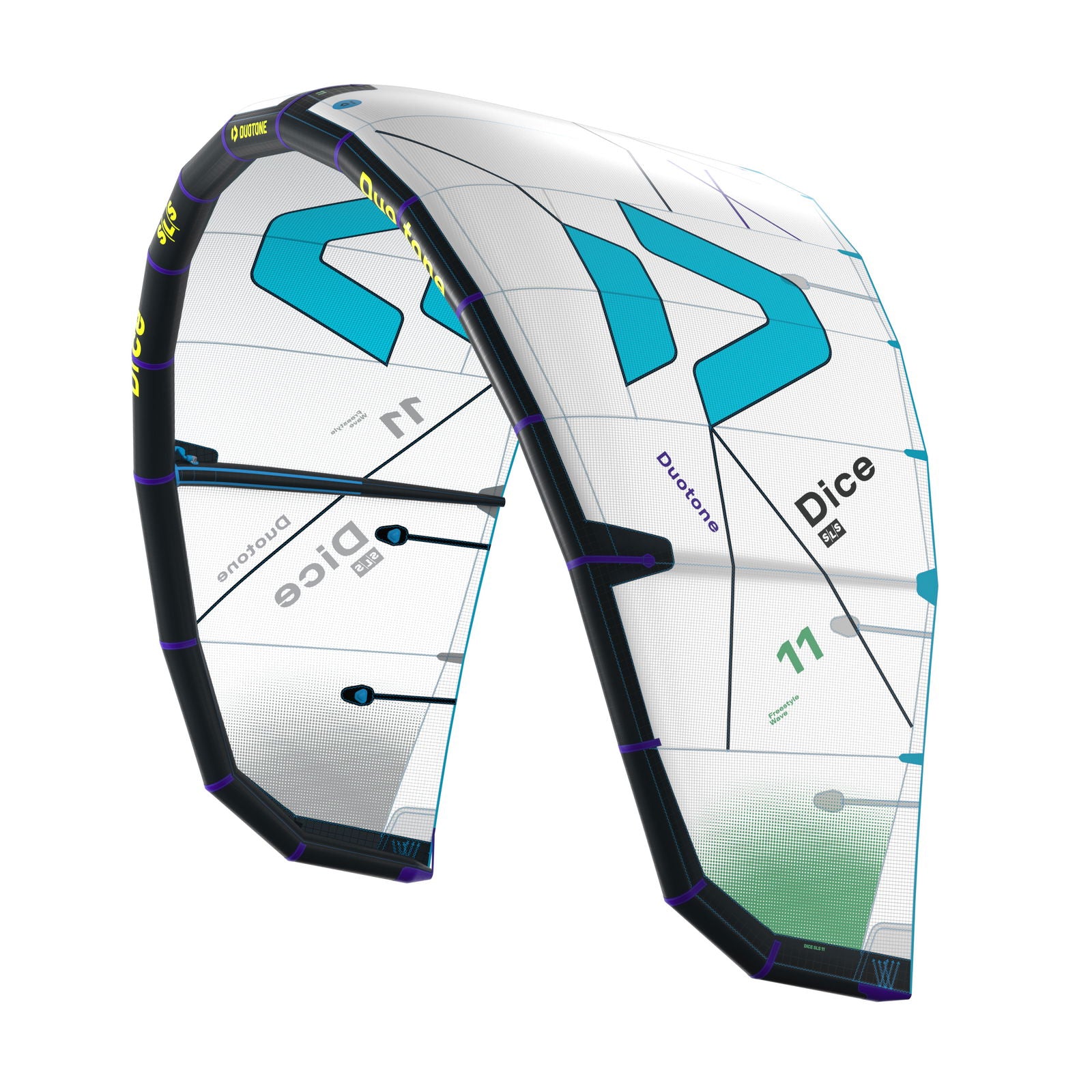
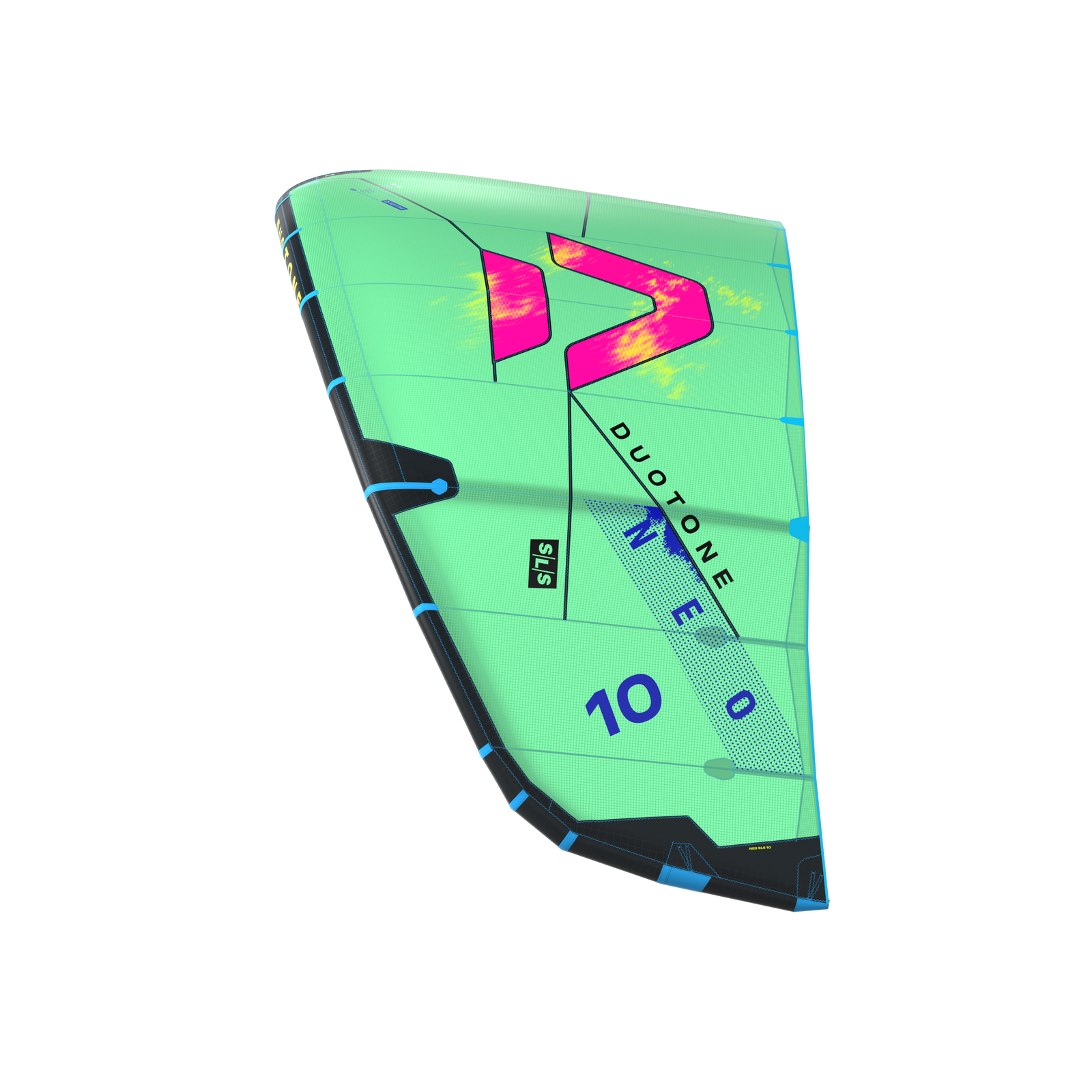
Prices and 2026 specs are pulled live from each product page. Confirm on the product page before checkout.
04 — MistakesThree mistakes we see every week
Ready to protect your quiver?
Browse our full range of kite bags and find the right fit for your travels.
Frequently asked
Not if you value your kites. Regular bags lack padding and dividers—your battens will crease and bladders will puncture. A proper kite bag costs €150–300 and pays for itself in one saved repair.
The Neo is lighter and perfect for 2–3 kites on domestic trips. The Rebel is tougher, with extra padding and reinforcement—pick it if you fly hard or ship kites internationally.
Most travel bags hold 2–4 kites comfortably. If you're flying a 7/9/12 m² quiver, a 100-liter bag with 3 dividers is ideal. Check the product page for exact capacity.
Not essential, but helpful for airport terminals. Most riders prefer a slim bag that threads over rolling luggage. Wheels add weight and take up space in your car.