Buying Second-Hand Kitesurfing Gear — What to Check
Second-hand kites and boards can save you serious cash—but only if you know what actually breaks and what lasts. We've bought stock from retiring riders since 2003, so we'll show you the exact checks that separate a safe deal from a liability.
Buying used kitesurfing gear is safe if you inspect structural integrity, verify seam and repair history, confirm component age, and match equipment to your skill level. Kites hold up well if unstressed; boards and bars have finite lifespans. Always ask for honest provenance—transparency makes the difference.
01 — Lifespan & degradationThe Safety Reality: What Actually Fails in Used Gear
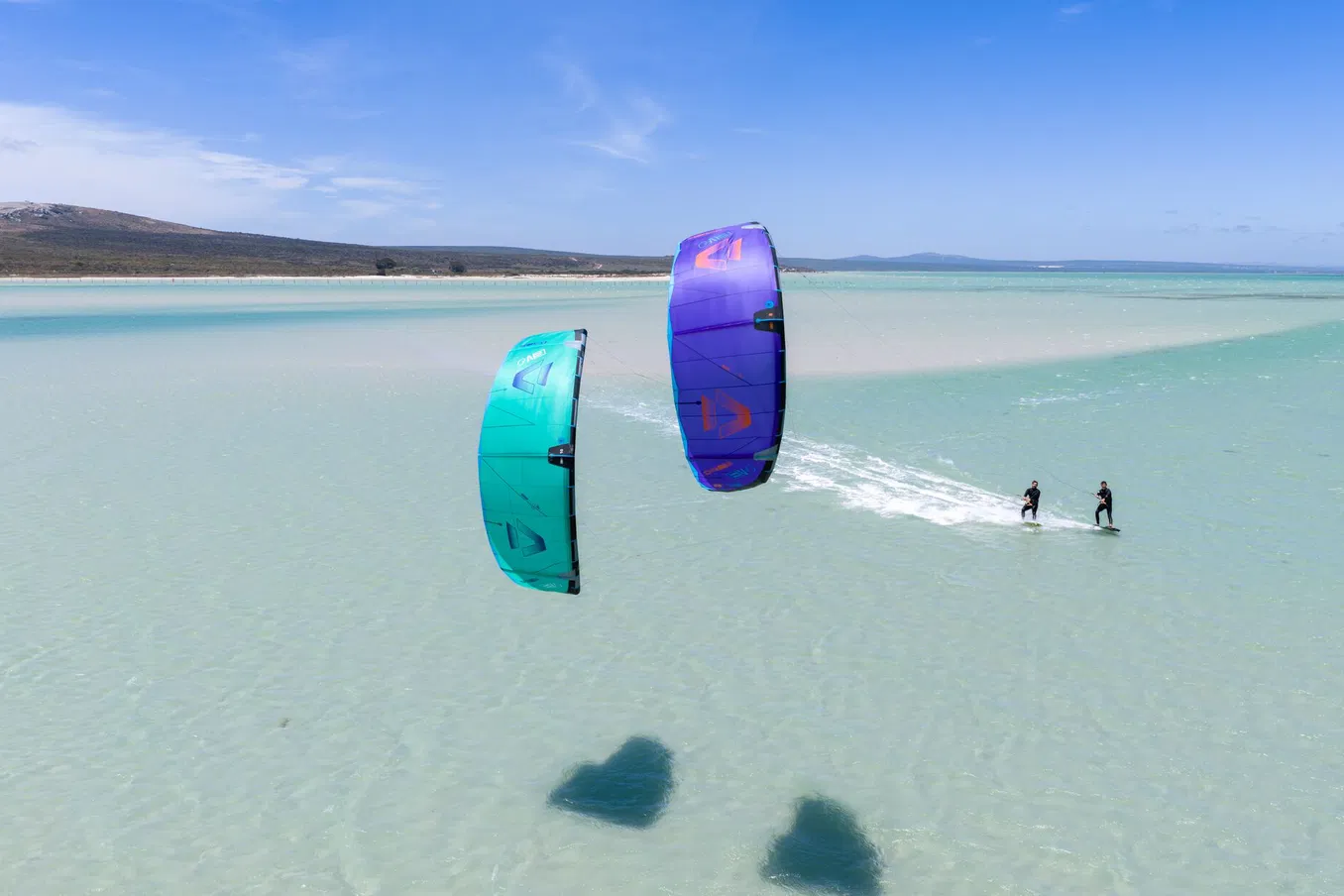
Kites are forgiving. A well-maintained Duotone Evo SLS or Cabrinha kite with zero impact damage will fly as predictably at year five as it did at year one. The fabric doesn't degrade like a wetsuit. What kills kites: UV exposure left in the sun, salt creep into seams, and punctures you can't see until mid-flight.
Boards and bars tell a different story. Bars lose responsiveness after 5–7 years of hard use—the lines fray, the depower mechanism stiffens, and the safety system becomes unreliable. Boards develop soft spots in the core if they've taken repeated impacts. If the seller won't let you press the board's surface, walk away.
Ask directly: "Has this kite ever been struck by the bar?" "Has the board ever had a pressure ding?" Honest sellers will tell you. The ones who dodge the question are the ones to avoid.
02 — What to verifyThe Inspection Checklist: Exactly What You're Looking For
For kites: Inflate it and look for any creases, wrinkles, or discoloration on the leading edge and struts. Spin it slowly—any asymmetry means internal damage. Check the bridle lines for fraying or UV damage (they'll look chalky and brittle). Fly it for ten minutes if the seller allows it. A kite that's honest to trim will feel lighter and more responsive than one with hidden stress fractures.
For boards: Press your thumb into the deck and rails. Soft spots mean water ingress or impact damage. Look under the foot pads—salt staining is normal, but dark discoloration suggests delamination. Check the fin box for cracks. On twin-tips, both rails should respond the same way to pressure.
For bars: Test the depower mechanism by hand. It should move smoothly, not grinding. Check the safety system fires cleanly. Ask when the lines were last replaced—if it's been more than three seasons, budget €150–300 for new ones.
03 — Our picksOur 4 In-Stock Picks for First-Time Buyers
If you find a second-hand deal that feels sketchy, our 2026 Duotone range gives you a safer entry point with full warranty and known provenance. We stock the Duotone Neo SLS, Duotone Dice SLS, Duotone Evo SLS, and Duotone Rebel SLS—each designed for different styles and conditions.
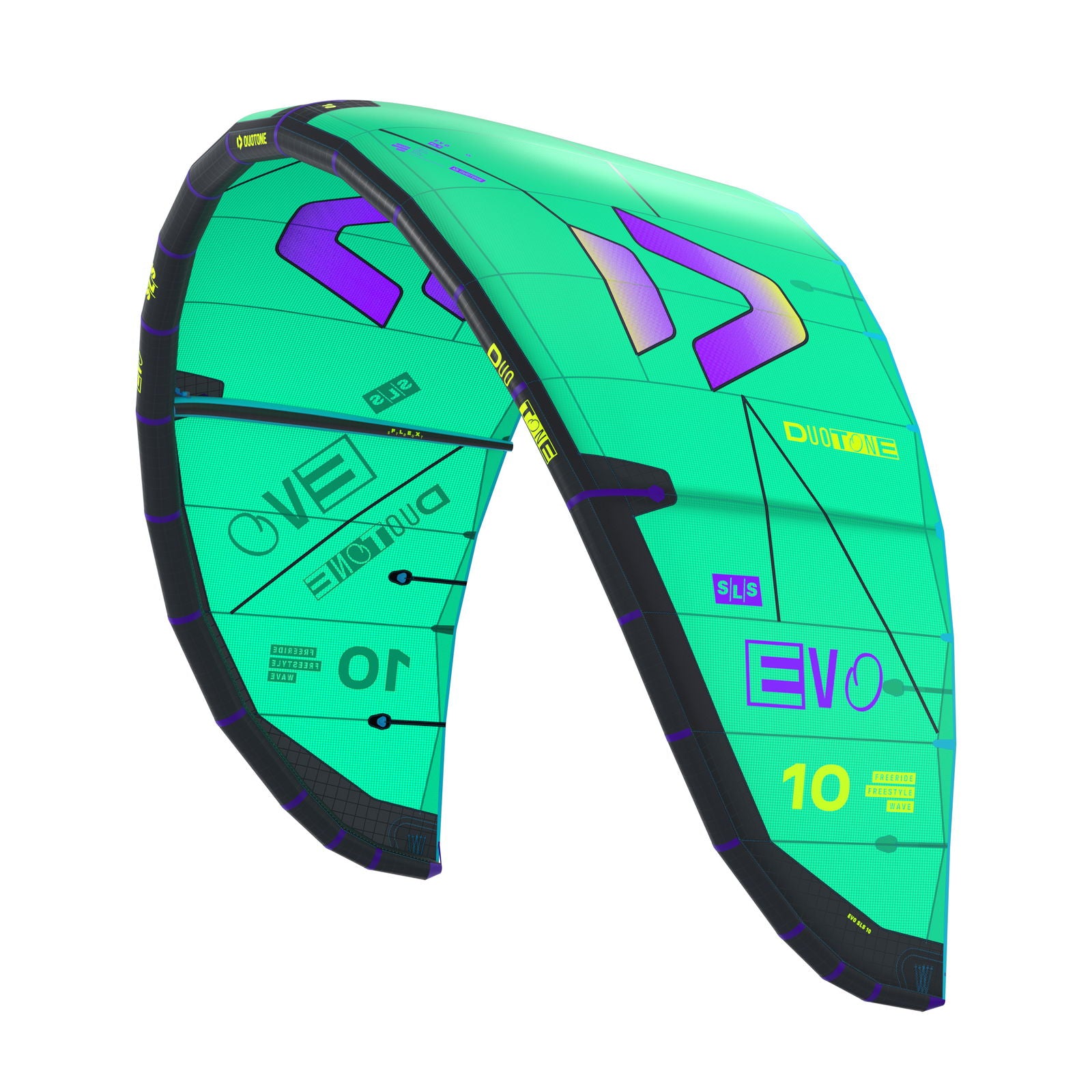
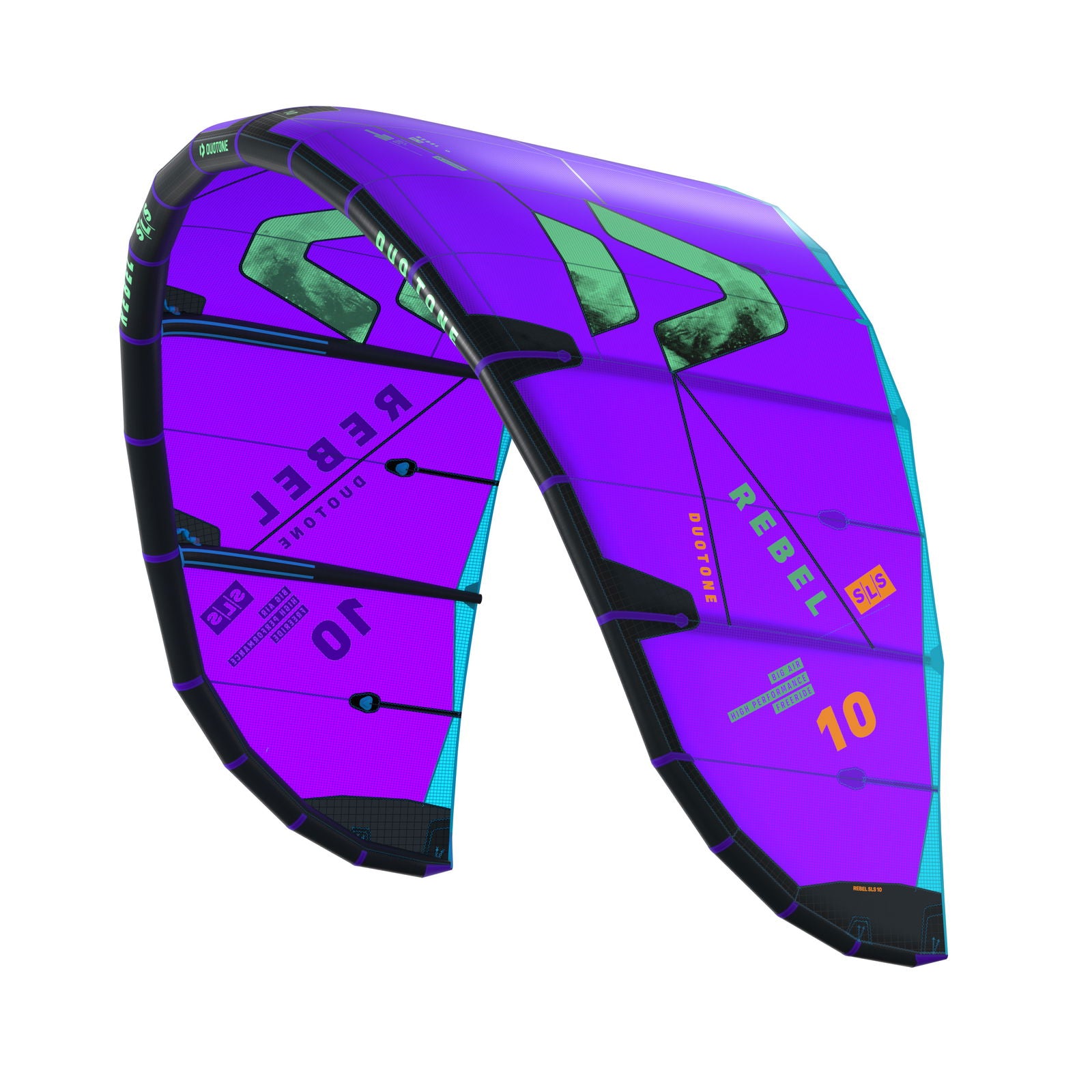
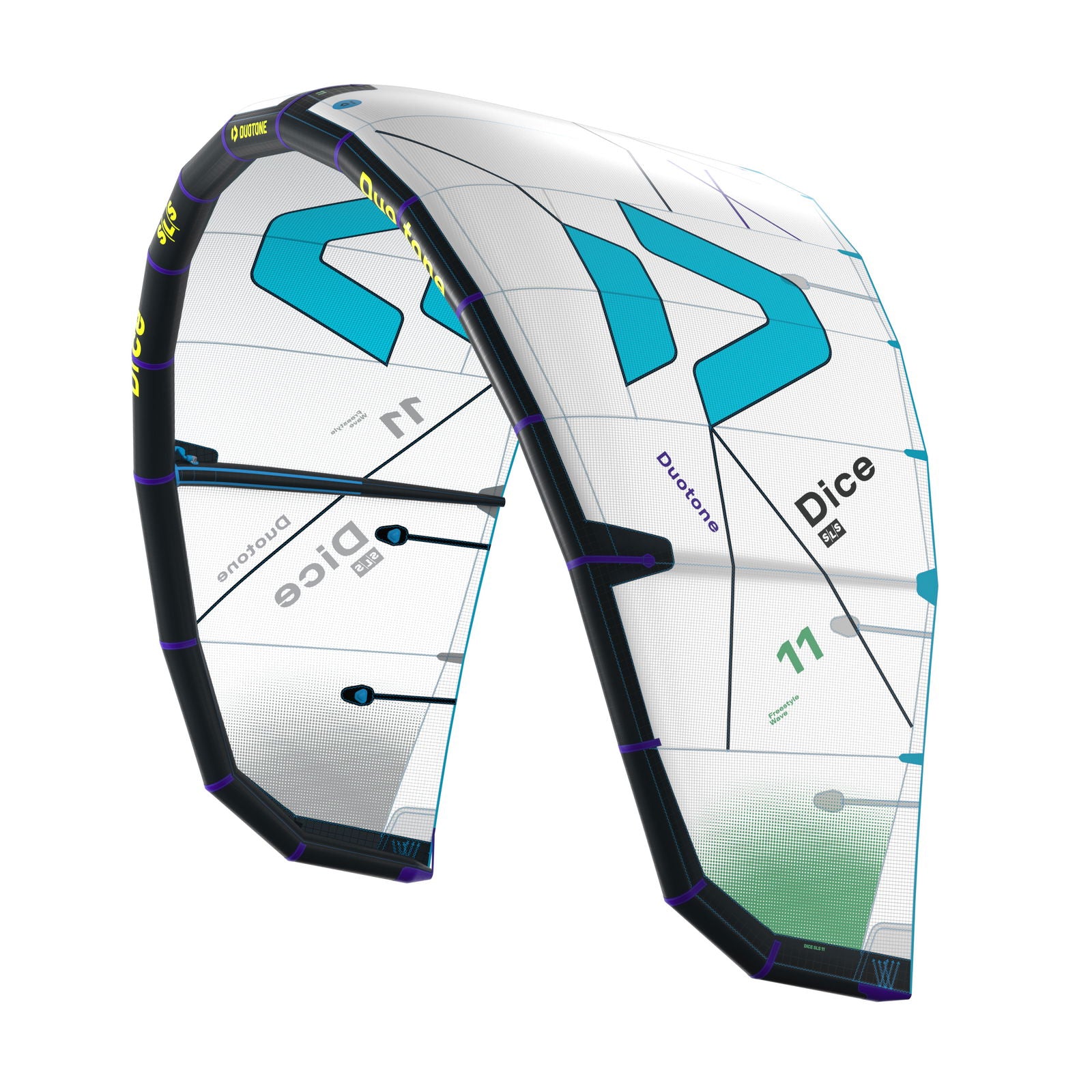
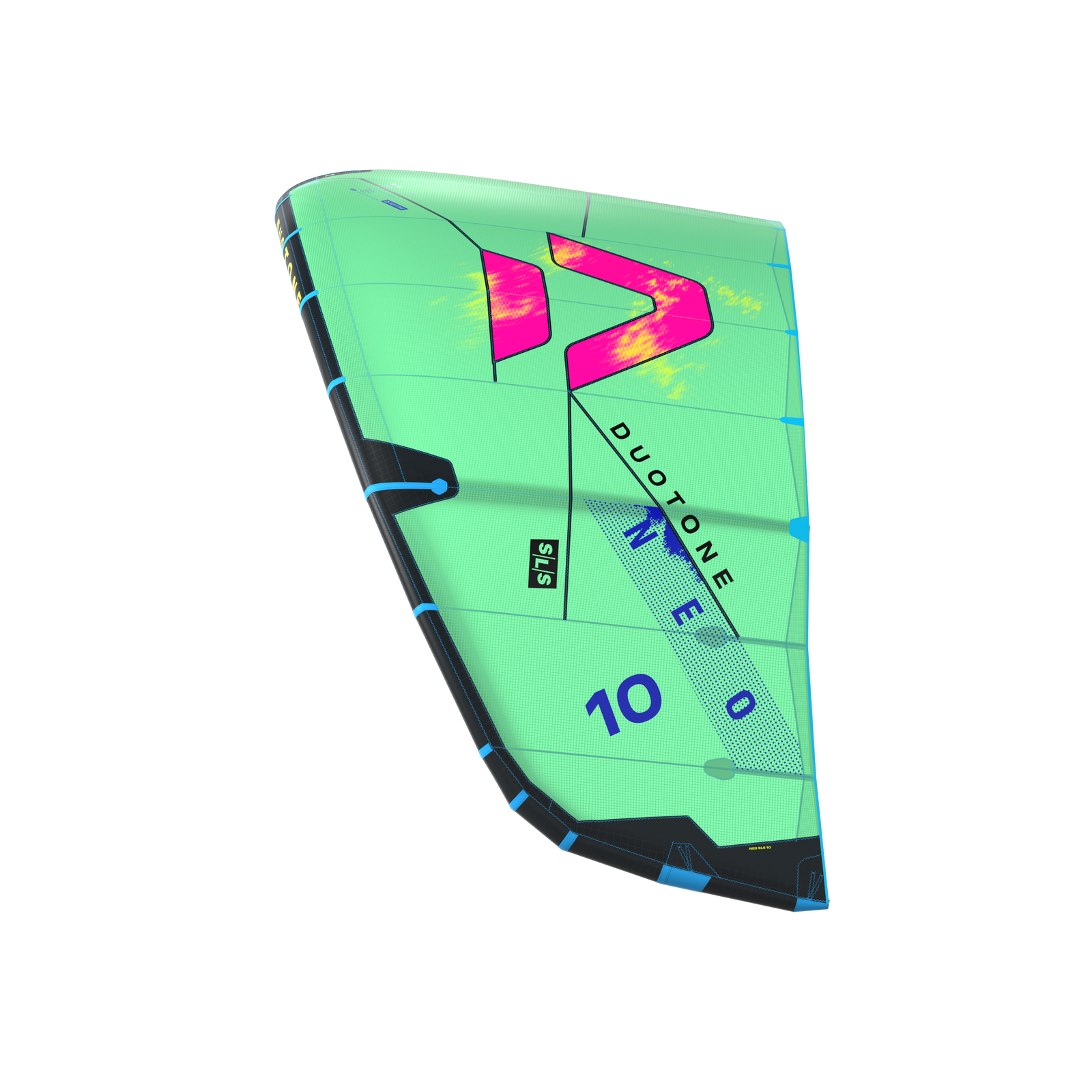
Prices and 2026 specs are pulled live from each product page. Confirm on the product page before checkout.
04 — MistakesThree mistakes we see every week
Ready to make the right call?
Browse our verified second-hand stock and new 2026 kites—all checked by riders who know what they're looking at.
Frequently asked
A 10-year-old kite with zero sun damage and honest repair history flies fine. A 3-year-old kite left in the sun every day is closer to end-of-life. Age is secondary to usage and storage.
If the seller is local and confident, ask to fly it in a safe spot first. If they refuse, that's your answer. We can help arrange test flights on request.
Buy used only for sizes you know you'll ride hard (usually the 9 m² or 12 m² in your wind range). Your first and last kites—often the 7 m² and 17 m²—are worth buying new with warranty because you'll keep them longer.
None, unless the seller explicitly offers one. Always ask. We back our own second-hand stock; private sellers rarely do. Check the product page for condition details.