Kitesurfing with Tidal Current — Safety & Planning Guide
Tidal currents push you 1–3 knots sideways, invisible and relentless. We'll show you how to read them, plan safe exits, and pick the right kite to fight back.
Tidal currents move you independently of wind—check tide times and current direction before launch. Pick a kite with solid upwind performance and reliable relaunch like the Duotone Evo SLS or Duotone Rebel SLS. Always ride in buddy pairs and plan your exit route.
01 — Drift & PowerWhat Tidal Current Actually Does to Your Ride
Tidal current isn't wind. It's a silent, horizontal push created by moon and Earth's rotation. While you're riding, the current carries you and your board in one direction—usually parallel to shore or seaward—whether you want to go there or not.
In spots like the Straits of Gibraltar or Cape Town's Table Bay, currents run 2–3 knots. That doesn't sound fast until you're fighting it upwind. A 2-knot current can push a beginner 300 metres downstream in a 20-minute session. You won't notice it happening. You'll just find yourself further from your entry point, fighting harder than usual, and burning out faster.
The kite doesn't care about current. It only reads wind. So your effective ground speed into a headwind drops sharply, and your relaunch window shrinks if you fall in the push zone.
02 — Reading & TimingHow to Plan Your Session Around the Tide
Check the tide table for your spot the night before. Look for slack water (when current pauses between flood and ebb) or times when the current runs parallel to shore, not seaward. In most European spots—Tarifa, Essaouira, Denmark's spots—the current runs hardest 2–3 hours after slack.
On launch day, watch the water. Surface chop running perpendicular to wind direction usually signals current flow. Ask locals or other riders. We've shipped gear to spots across Europe for 20+ years; riders from the North Sea to the Mediterranean always tell us: current timing is everything.
If current runs seaward, launch from the windward shore and work downwind. Never fight both wind and current in your first lap—you'll gas out fast.
03 — Our picksPicking the Right Kite for Current Conditions
In tidal current, you need a kite that powers upwind reliably and relaunches instantly if you fall. The Duotone Evo SLS, Duotone Rebel SLS, Duotone Dice SLS, and Duotone Neo SLS all deliver that. Here are our four picks for current riding:
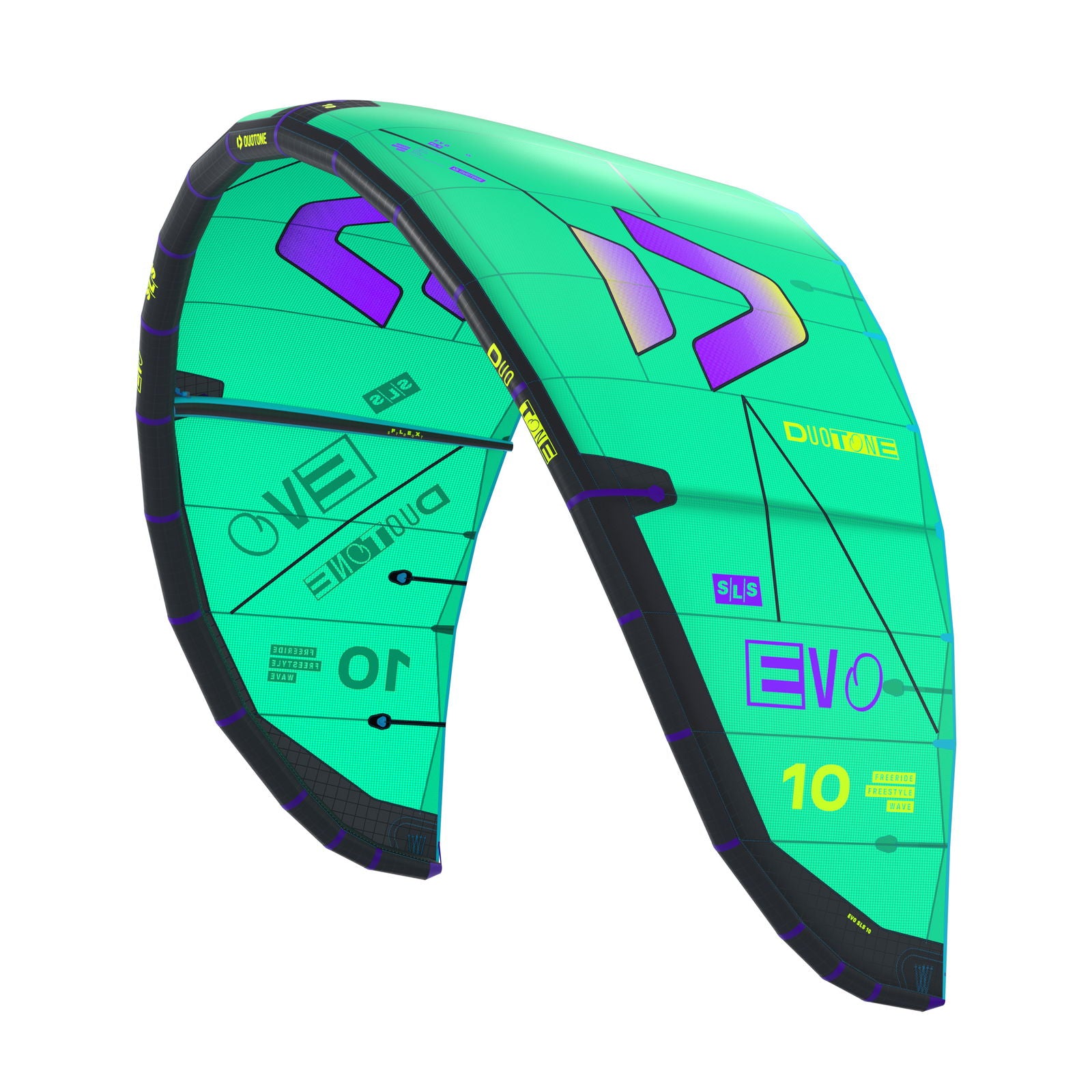
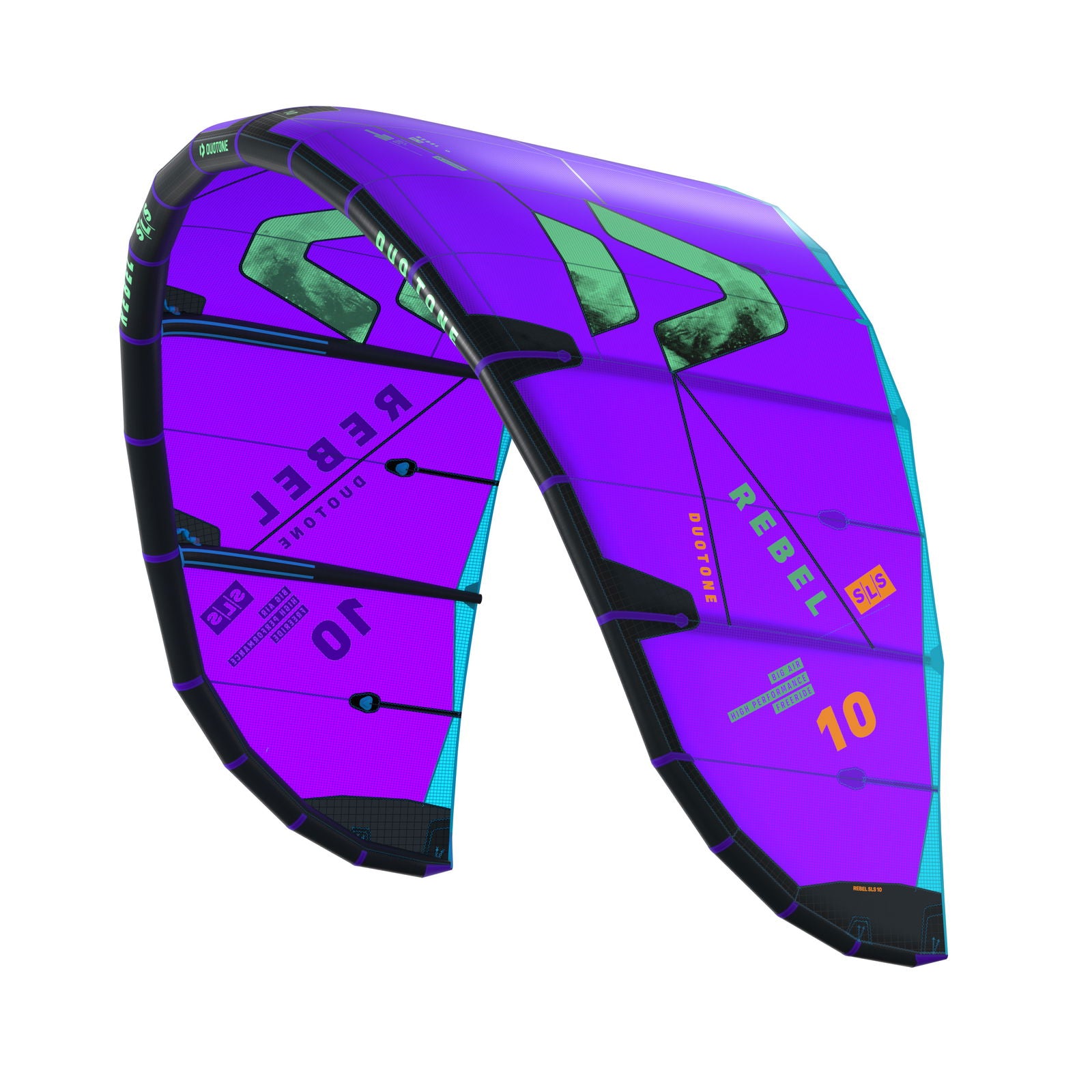
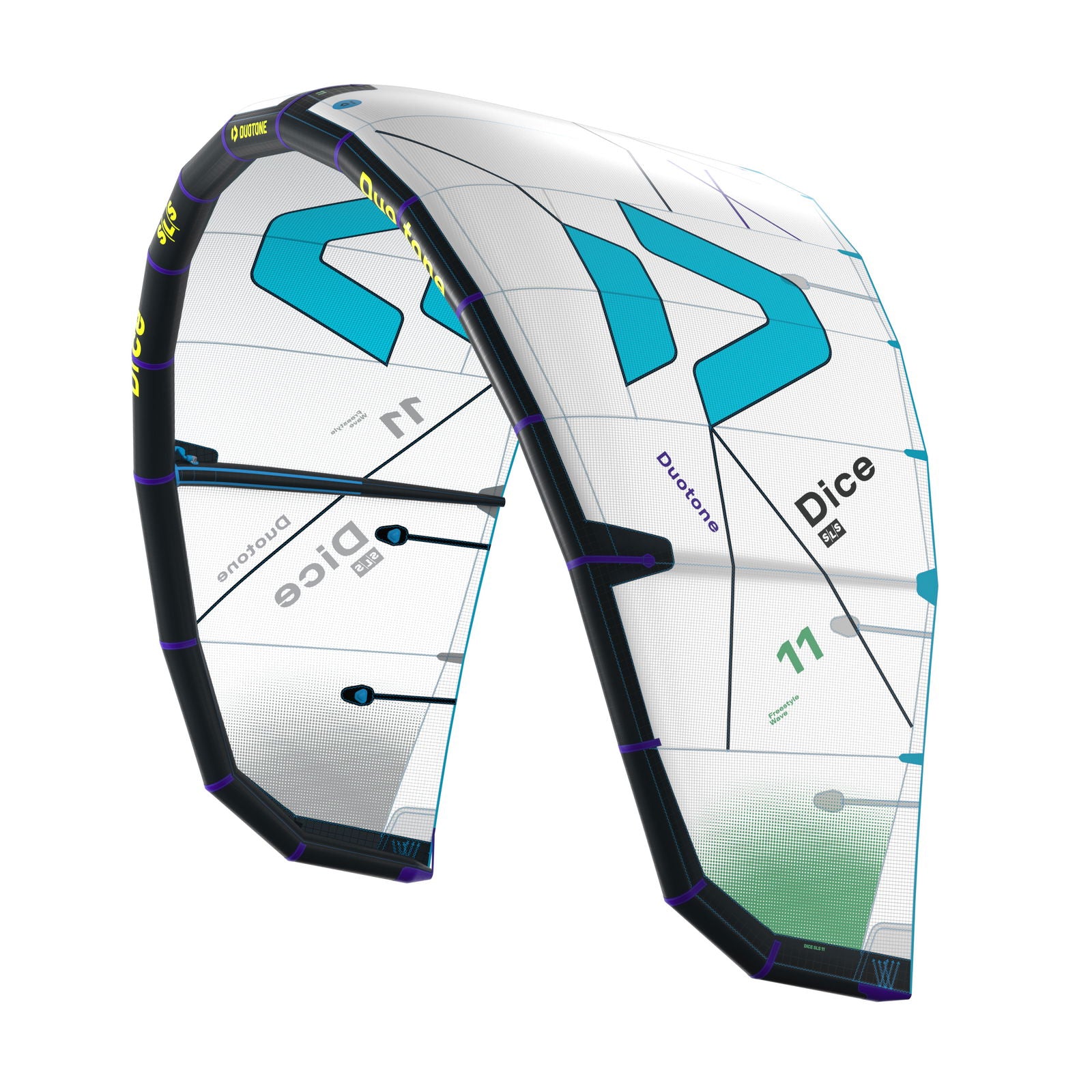
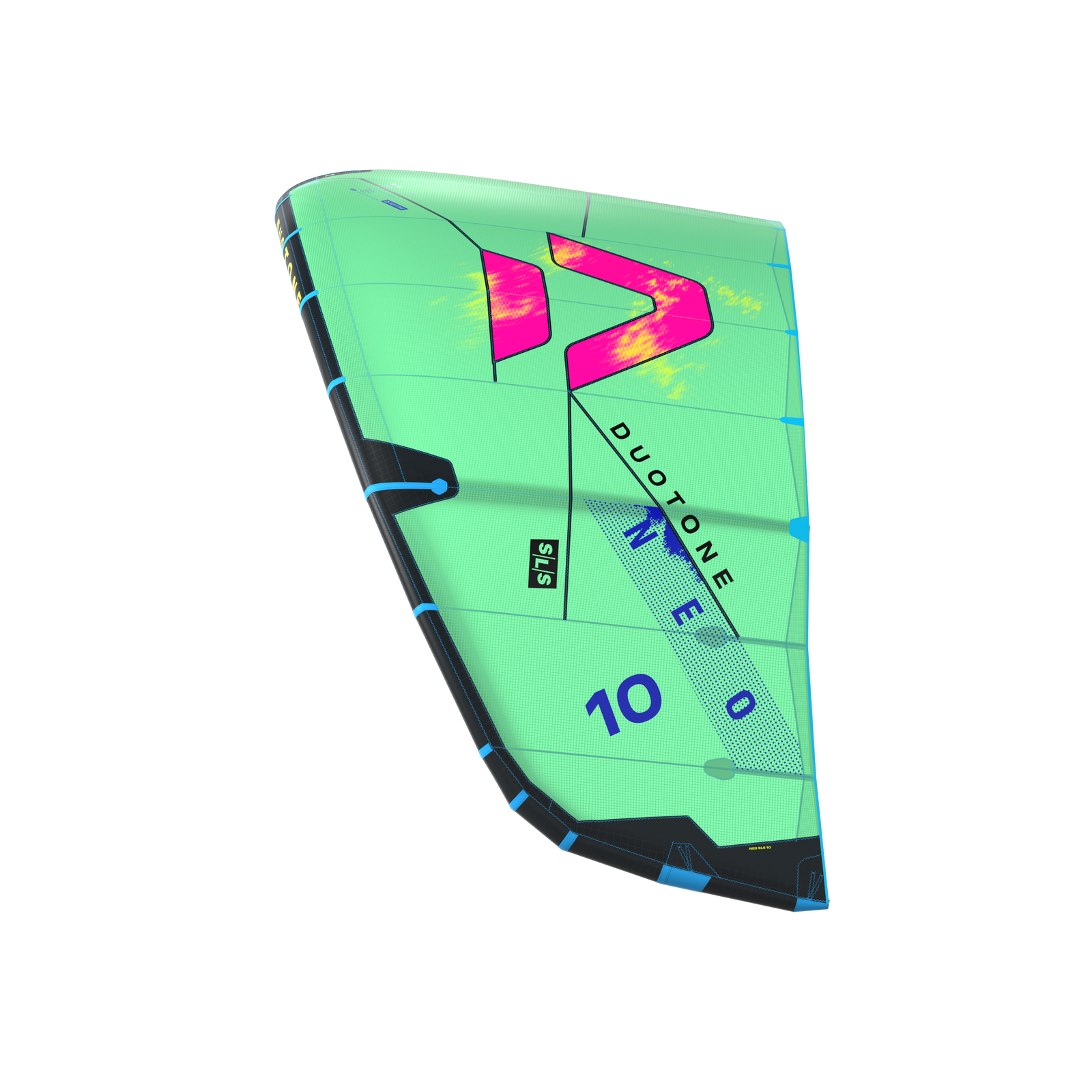
Prices and 2026 specs are pulled live from each product page. Confirm on the product page before checkout.
04 — MistakesThree mistakes we see every week
Ready to ride current safely?
Browse our Duotone kite range—all in stock and sized for European conditions.
Frequently asked
You'll drift sideways even when riding straight upwind. Check a tide app for your spot, and ask locals. Chop running across the wind direction usually signals current flow.
Stick to 9–12 m² in typical 12–20 knot winds with current. A slightly larger kite gives you power margin and better relaunch when conditions feel sluggish.
Not if you plan right. Launch during slack water, ride in buddy pairs, and pick a spot where current runs parallel to shore. The Duotone Evo SLS or Neo SLS are forgiving enough for current spots once you've got fundamentals locked.
No. Your regular twin-tip works fine. Focus on kite choice and session timing instead. Current affects your sideways drift, not how the board floats.