Best Harness for Kitesurfing 2026 — Waist vs Seat
Your harness sits between you and the bar—get the fit wrong and you're fighting discomfort instead of riding. We've fitted riders from the Baltic to the Med since 2003, and the biggest question isn't brand, it's waist or seat.
Pick a waist harness if you're learning, doing tricks, or want lightweight performance. Choose a seat harness for raw power, gusty-wind comfort, and longer sessions where back support matters. Fit trumps everything—measure your waist and hips, check the sizing chart, and try one on if you can. The ION Spectre handles both styles in one.
01 — Core differencesWaist vs Seat: What Actually Changes
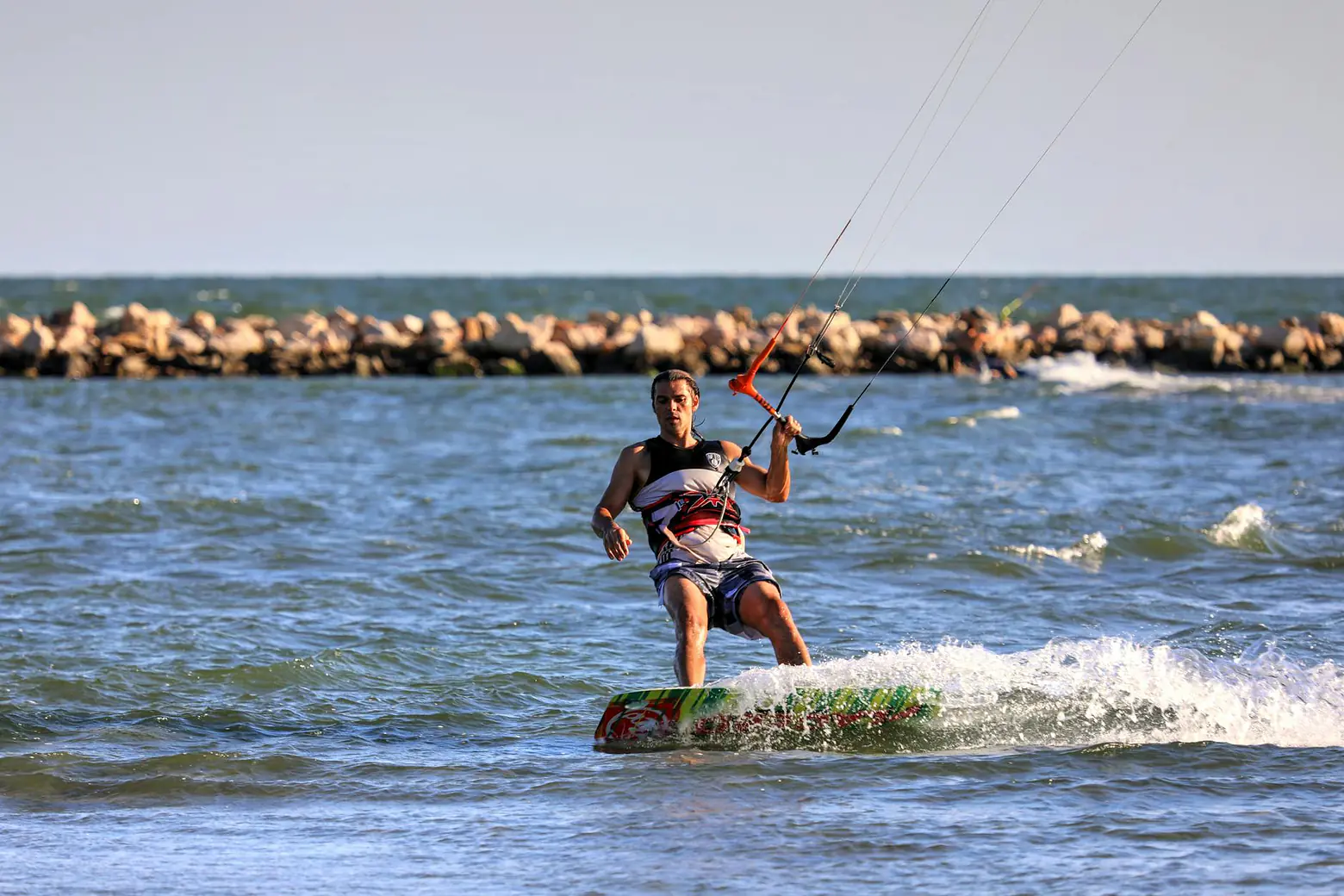
A waist harness wraps around your lower abdomen. You feel every bar movement, weight shift, and gust. You're mobile—easier to carve, easier to maneuver, easier to bail. Most learners start here because the feedback is instant.
A seat harness cups your hips and lower back. It distributes force across a larger surface, so your back and glutes do more work. Longer sessions feel easier. In gusty, choppy wind at spots like Tarifa or Cape Town, riders tell us the seat's stability is worth the extra bulk.
Weight matters too. Waist harnesses run lighter and tighter to your body. Seat harnesses are beefier, with more padding and wider spreader bars (usually 16–18 cm vs 14–16 cm on waist models).
02 — Support and durabilityPadding and Hook Systems Affect Comfort
Padding density changes everything. ION's entry-level harnesses use lighter foam that breathes better in warm water. Premium models like the ION Spectre pack denser, multi-layer foam that keeps its shape after 200+ sessions. In cold Atlantic water (say, 10–12°C), you'll want that structure.
Hook placement and spreader-bar design matter more than you'd think. A forward-biased hook pulls you into the bar and keeps you locked in during tricks. A centered hook (common on seat harnesses) lets you lean back. Check your spreader bar width too—narrower bars suit lightweight riders under 70 kg; wider spreads work better at 75+ kg.
03 — Our picksOur 4 in-stock picks
We've narrowed it down. Here's what we stock and why each one earns space on the wall.

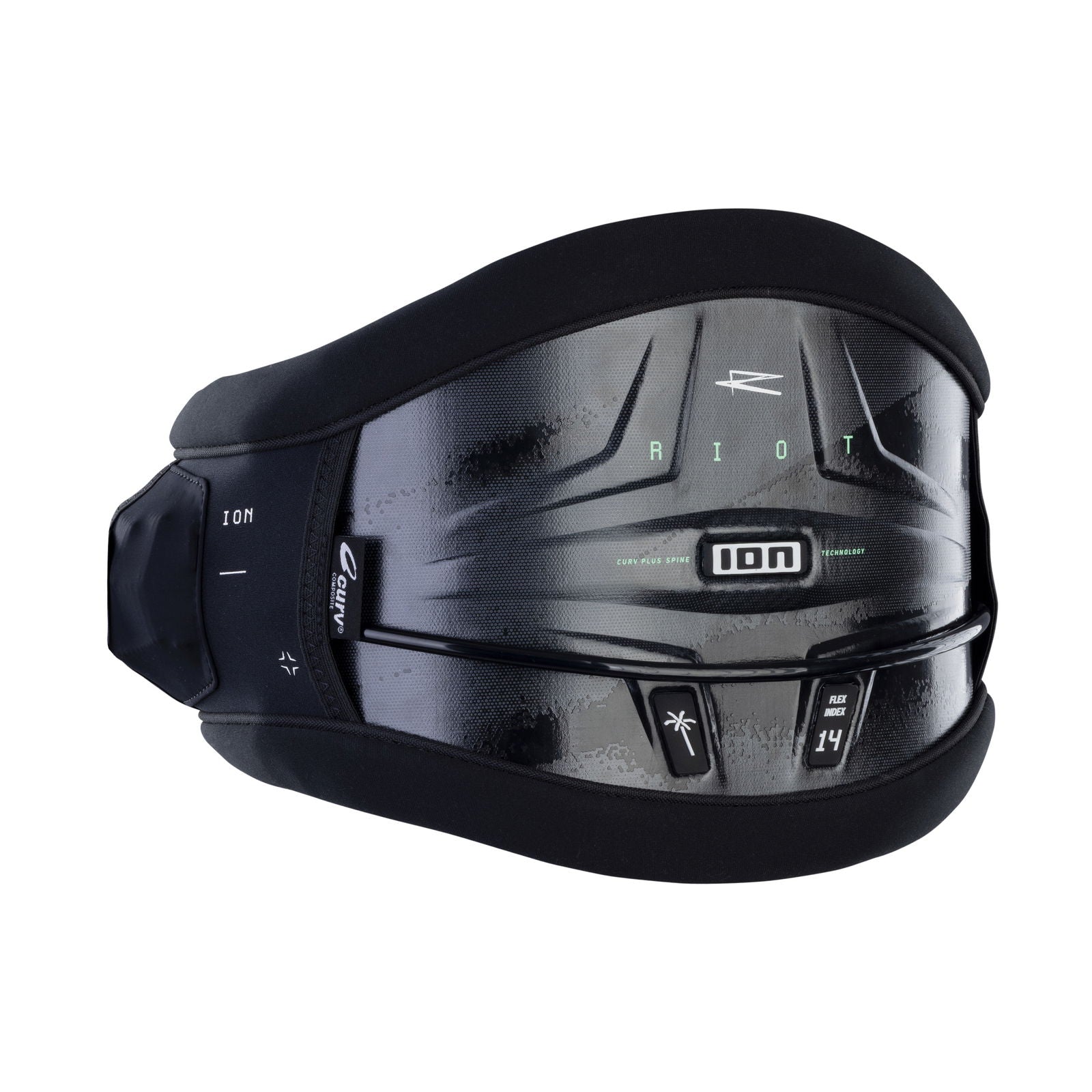
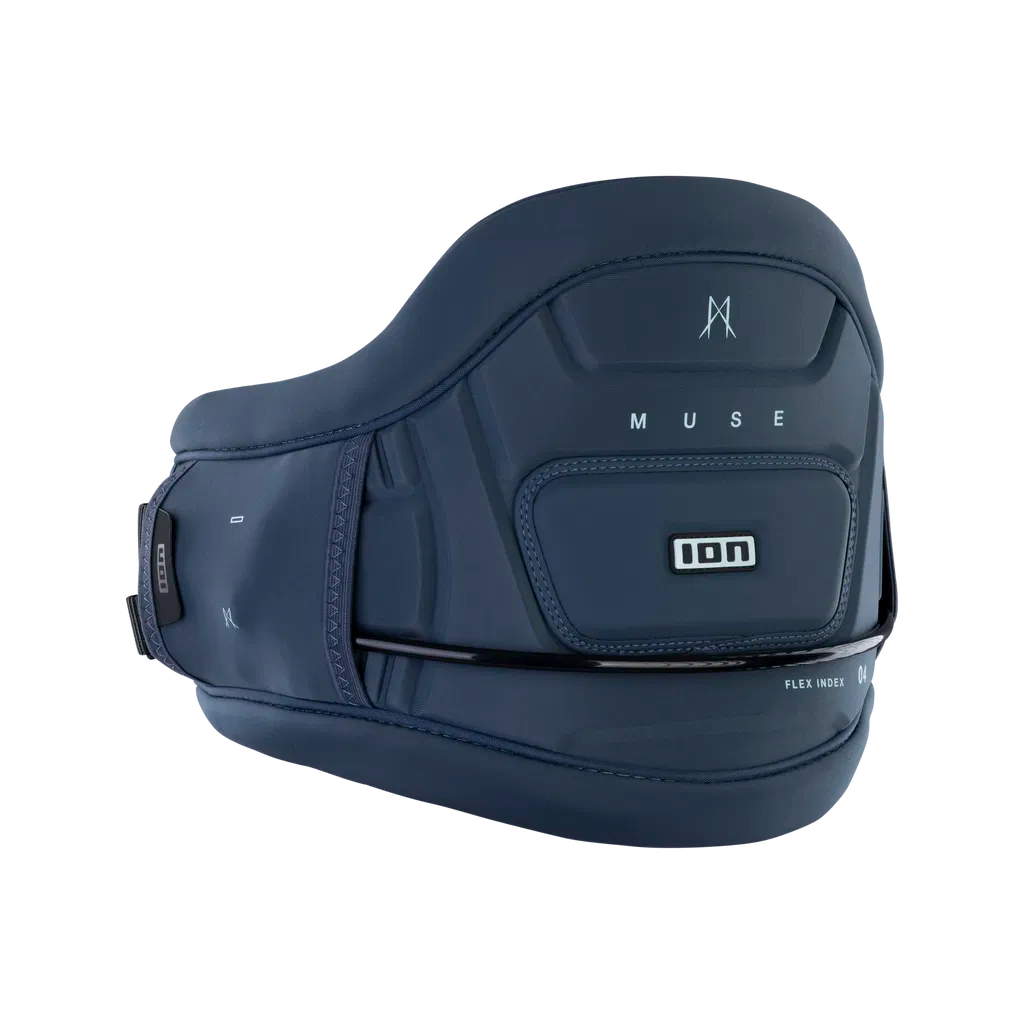
Prices and 2026 specs are pulled live from each product page. Confirm on the product page before checkout.
04 — MistakesThree mistakes we see every week
Ready to gear up?
Browse our full harness range, filter by size and type, and get fitted right—just like you would in the shop.
Frequently asked
Measure your natural waist (no breathing room) and check our sizing chart against your height. A 32-inch waist usually maps to a Medium, but frame matters—taller riders sometimes size up.
Yes. Most riders own both. A waist harness stays in your car for light days; the seat harness lives in your bag for marathon sessions and heavy wind.
Women's harnesses (like the ION Muse) taper at the waist and cup differently. If you're a woman, start with a women's cut—the fit will be noticeably more comfortable.
With care, 300–400 sessions. Rinse in fresh water after each salt-water use, dry flat, store away from direct sun. Foam eventually compresses, but padding is replaceable on most premium models.