How to Gybe in Kitesurfing — Step-by-Step Technique Guide
A gybe is a downwind turn that keeps your kite powered and your speed up—way smoother than a tack, and the gateway to tricks. We'll walk you through the three phases that make it work.
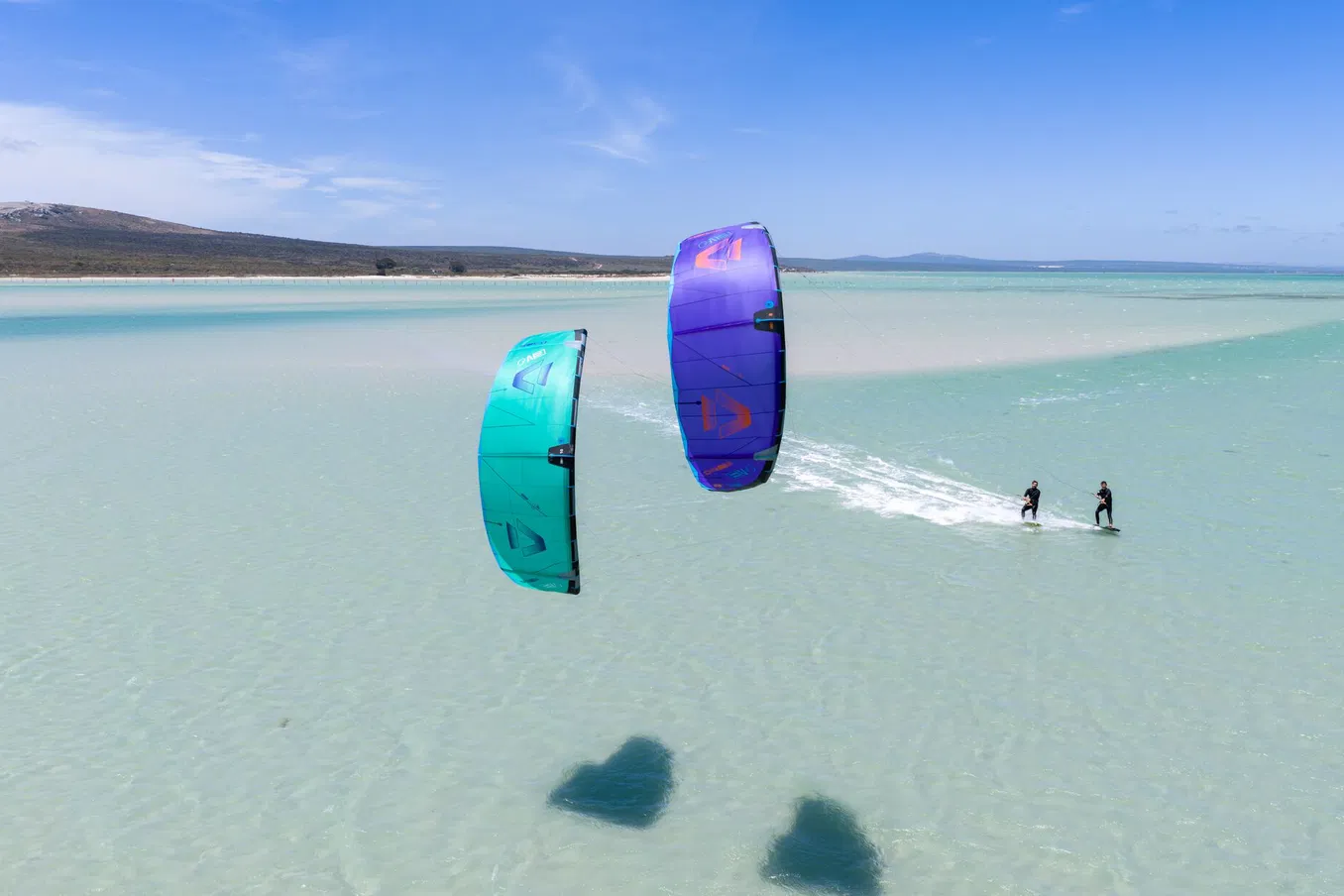
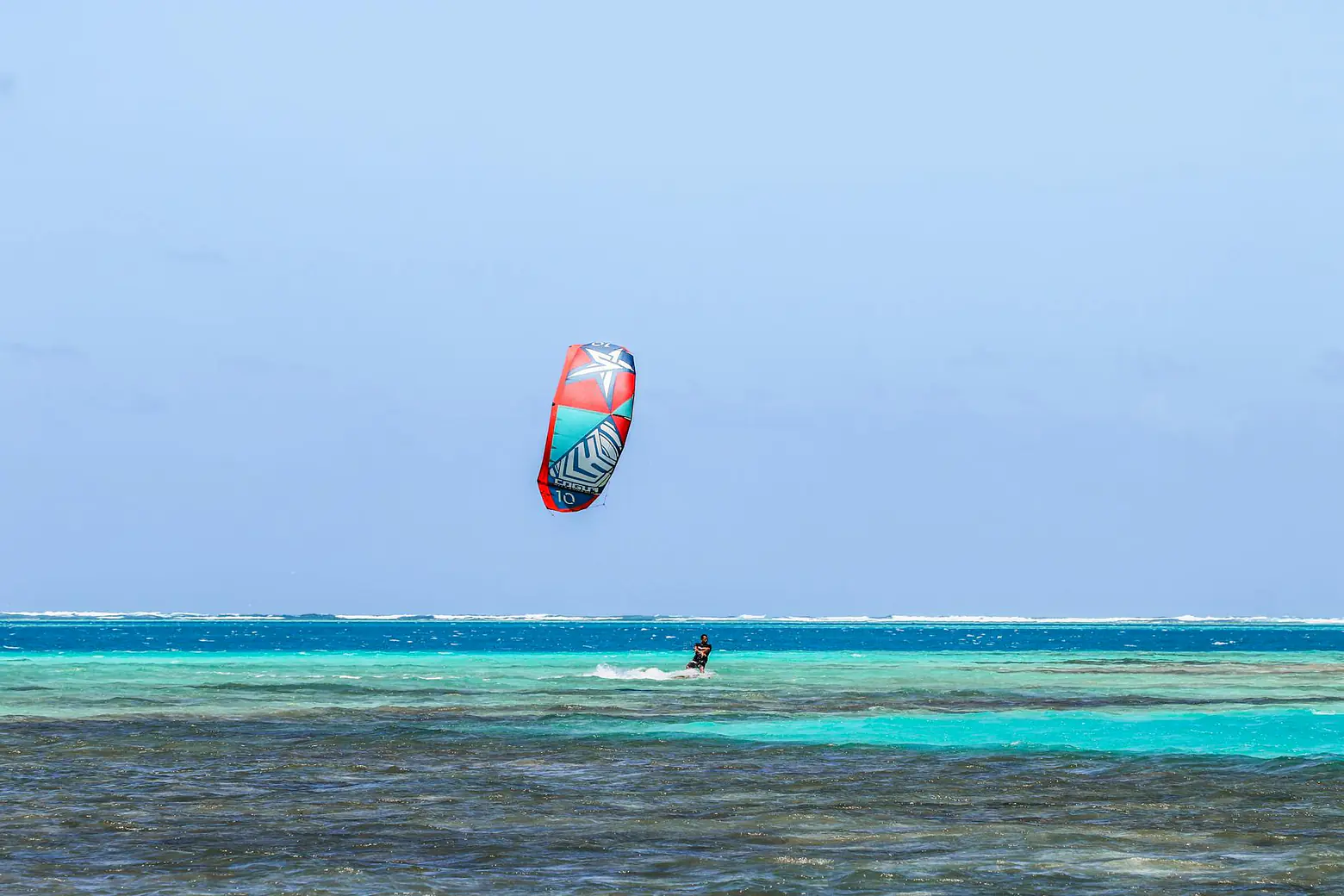
Gybing means steering your board through the wind while your kite stays powered overhead. The move splits into three parts: approach (build speed), the turn (steer and manage kite pressure), and exit (land clean on your new line). A responsive freestyle kite like the Duotone Rebel SLS 2026 makes learning way faster because it answers your input instantly.
01 — SetupPhase One: The Approach — Build Speed and Board Control
Before you turn, you need momentum. Ride upwind at a steady angle—roughly 45 degrees to the wind—and keep your kite powered in the power zone (around 12 o'clock to 1 o'clock). Don't slack off the bar yet. You're building speed for the turn.
Stay edged into the wind. Your board should feel solid underfoot, and your weight should be centred. Your eyes ahead, not down—spot where you're turning before you commit. Most riders rush this part. Don't. A solid approach means the gybe does half the work for you.
02 — ExecutionPhase Two: The Turn — Steer, Redirect, and Land
As you build speed, steer your shoulders downwind and pull the bar toward your hip. Your kite will swing across the window—this is where timing matters. Don't stall it. Keep tension on the bar. The kite needs to stay loaded as it moves.
Your board follows your shoulders. Pop your back foot slightly as you pivot, then land on your opposite edge. The moment your new edge catches, your kite should be moving to the opposite side of the window. If your kite goes slack, you've either steered too hard or lost your edge. Either way, you'll wash out. A kite with responsive bar feel—like the Duotone Evo SLS 2026—lets you feel exactly when the kite's about to fade, so you can catch it before it dies.
03 — Our picksOur 4 In-Stock Picks
All four of these Duotone 2026 kites are built for smooth bar feel and responsive turning—exactly what you need to nail gybes consistently. Pick the size that matches your wind and weight.
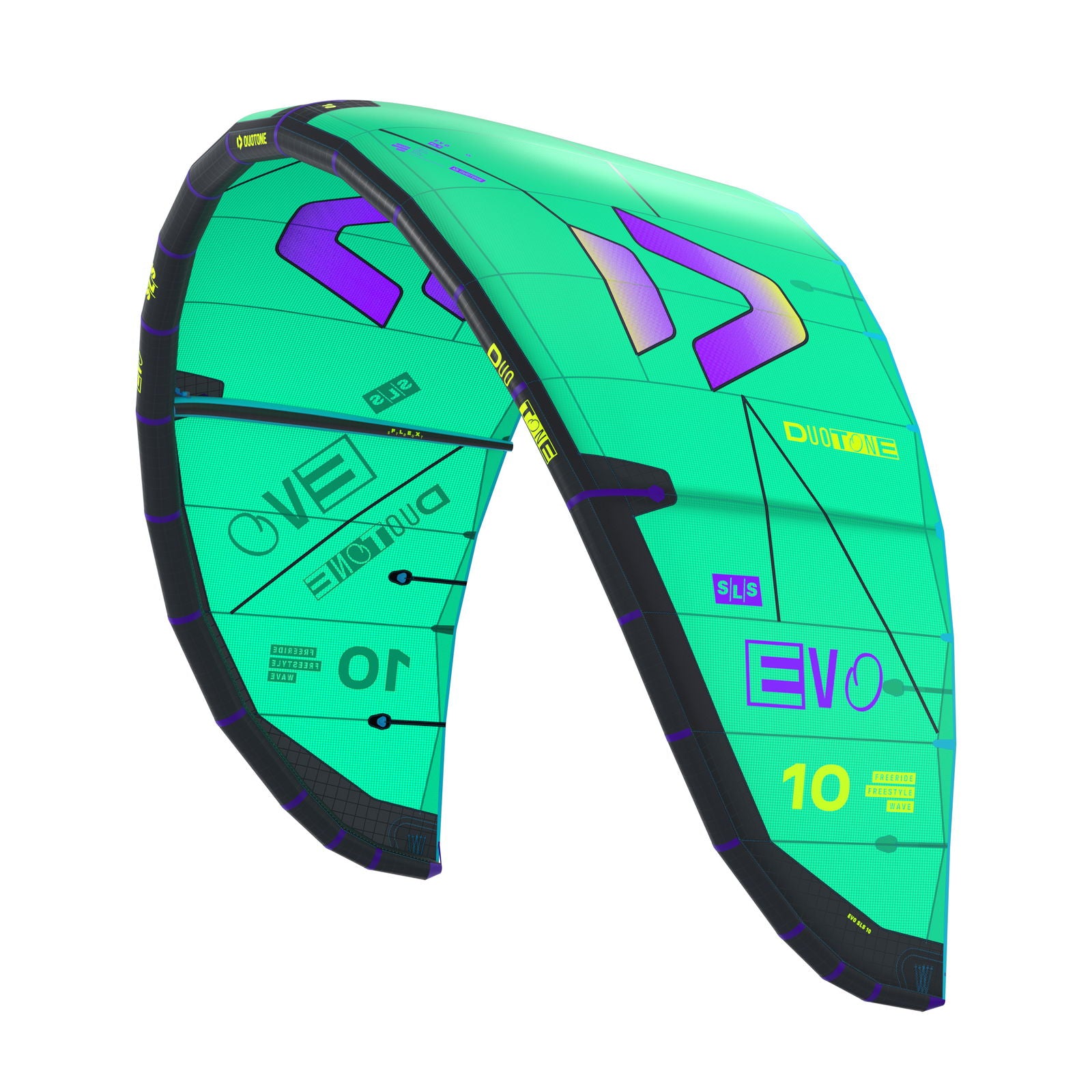
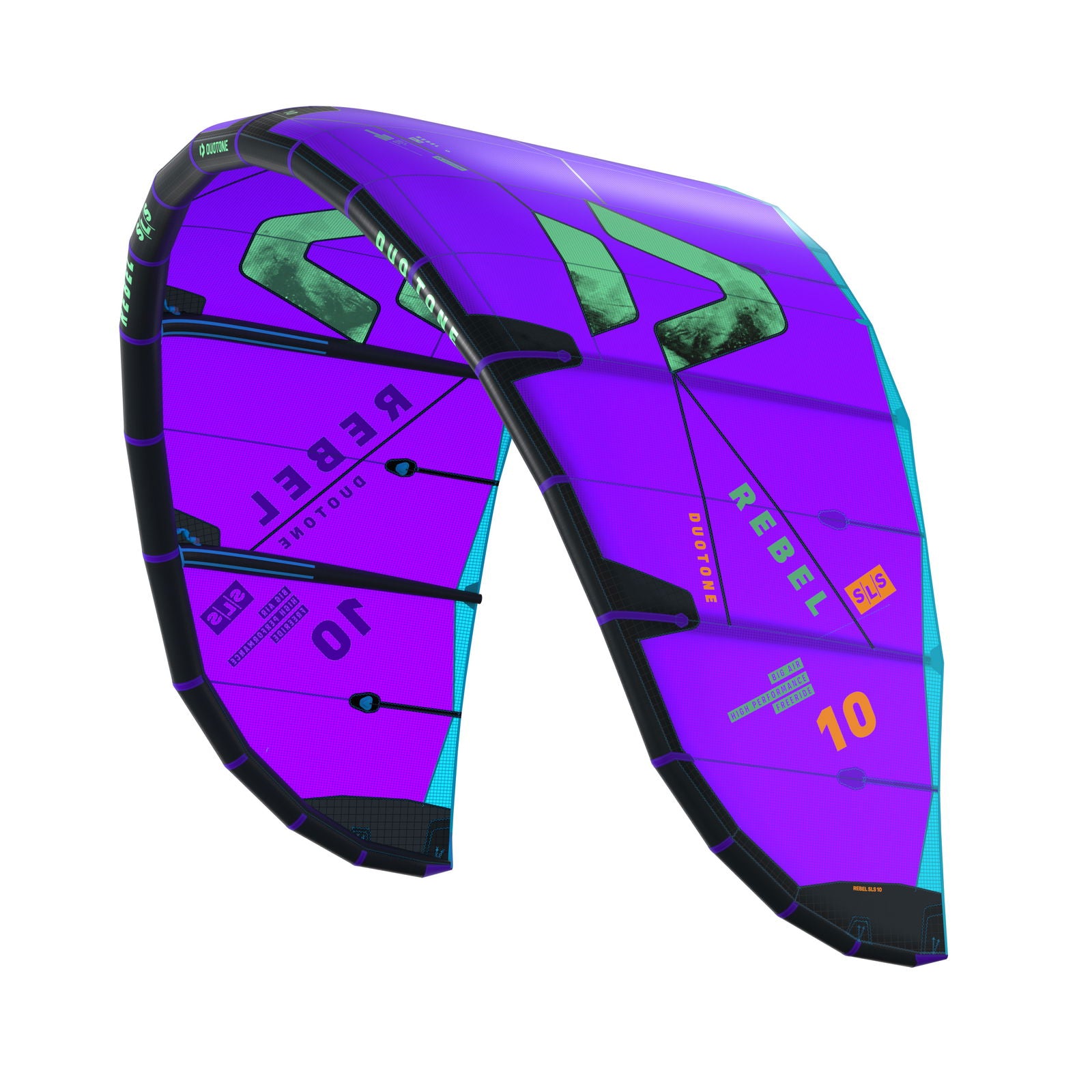
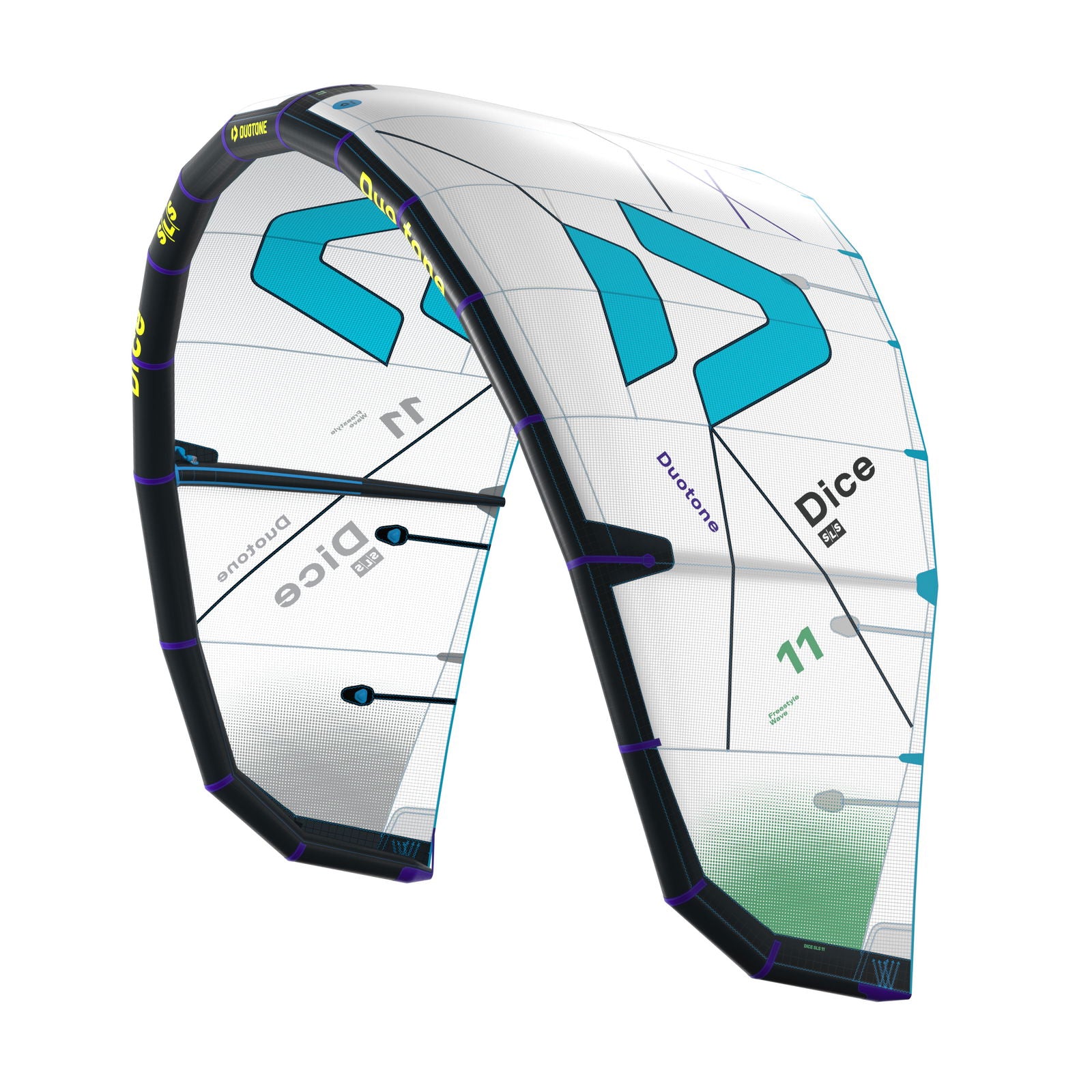
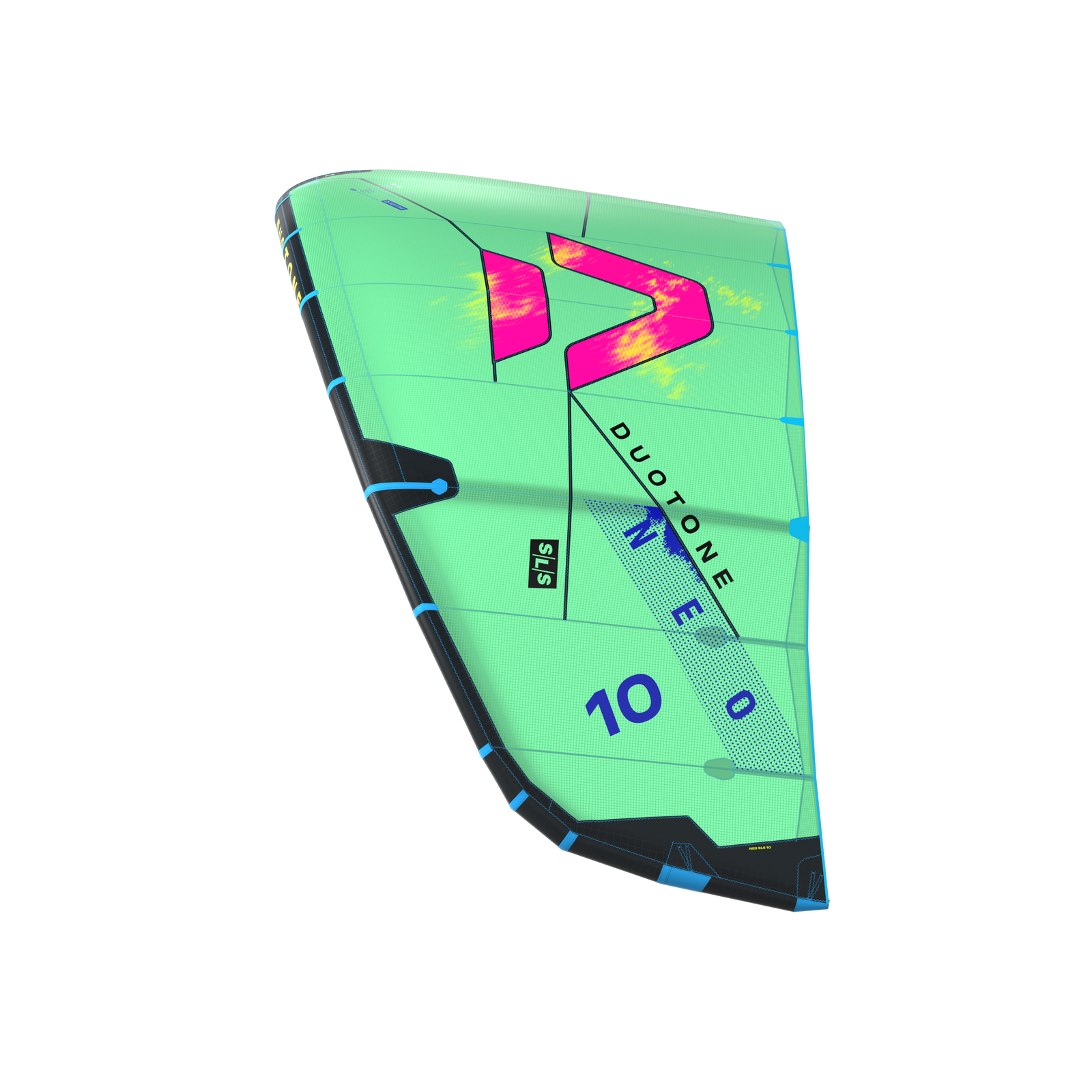
Prices and 2026 specs are pulled live from each product page. Confirm on the product page before checkout.
04 — MistakesThree mistakes we see every week
Ready to dial in your gybe?
Our kitesurfing kite range stocks Duotone, Cabrinha, and Gaastra—all sized for learning and progression.
Frequently asked
A 9 m² or 12 m² in 12–18 knots is ideal. You want enough power to hold speed through the turn without fighting the kite. Check conditions at your spot and pick accordingly.
No. Any modern kite will gybe. But freestyle kites like the Duotone Rebel SLS 2026 and Evo SLS 2026 have snappy bar response, which makes timing the turn way easier when you're learning.
You're either steering too hard, losing bar tension, or turning too slowly. Keep the bar loaded, steer smoothly, and build speed on your approach.
Yes, but you'll need a bigger kite (12 m² or more) and good speed. Below 12 knots, gybes get inconsistent because the kite loses power mid-turn. Light wind? Focus on your approach speed.