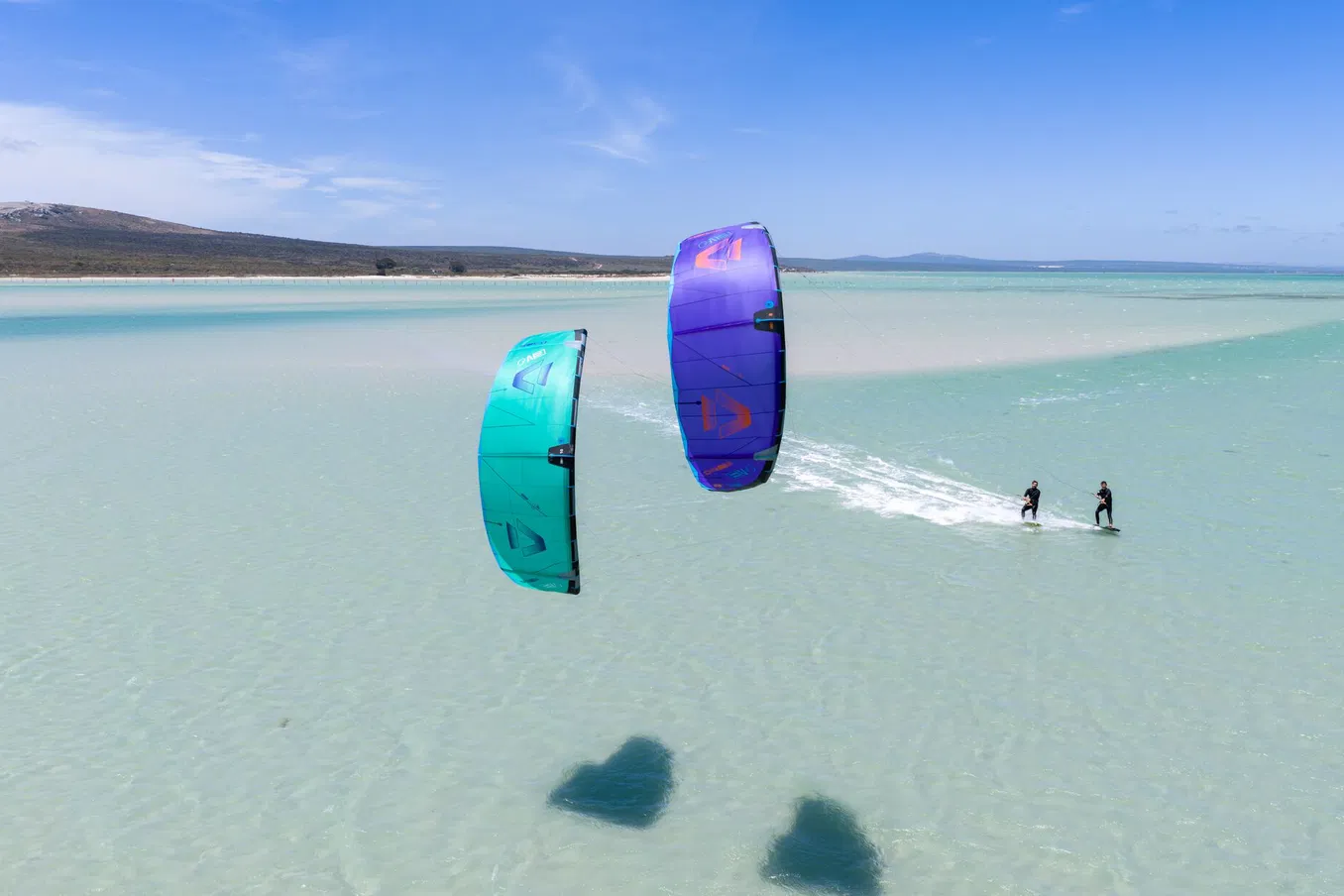
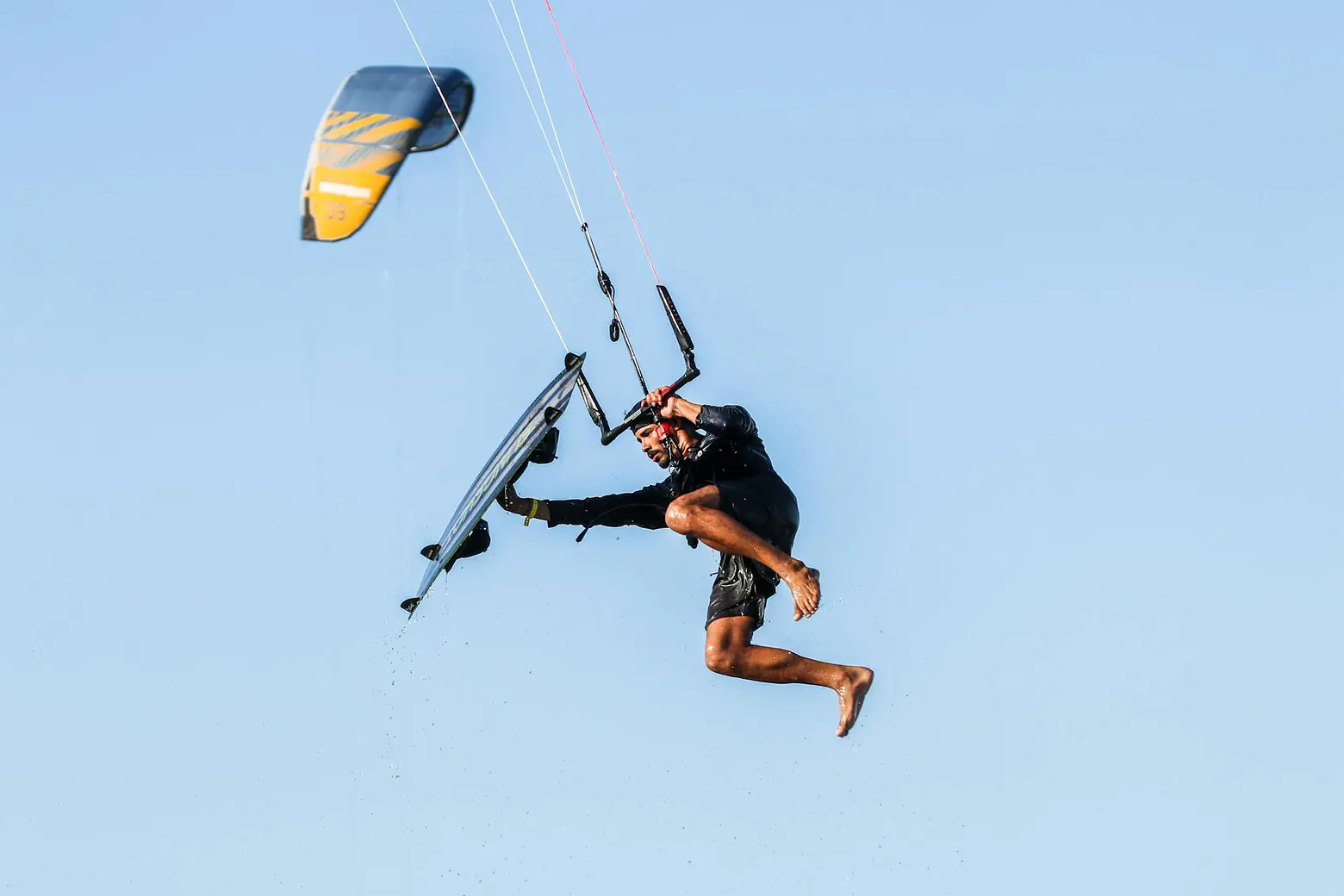
Advanced Kiteboarding Gear Guide 2026
Advanced kiteboarding in 2026 isn't about bigger sizes—it's matching specialist kit to your spot, style, and what you're trying to nail. We'll walk you through picking the right freeride, freestyle, or wave kite, reading bar feedback like a pro, and dodging the gear mistakes we see every week.
Advanced kite gear splits into three lanes: freeride kites (high wind range, responsive turning), freestyle kites (explosive pop, sustained hang time), and wave kites (direct steering, compact). The jump from intermediate to advanced comes down to bar feedback, depower range, and kite loading under tricks. Pick a Duotone kite built for your primary discipline—not the one that looks coolest.
01 — All-conditions performanceFreeride Kites: Wind Range and Turning Precision
Freeride is the workhorse discipline. You're chasing consistent upwind performance, smooth power delivery across a wide wind window, and bar feel that tells you exactly what the kite's doing. That's where Duotone's 2026 lineup shines—the Evo SLS handles 12 to 25 knots with barely a hiccup, while the Neo SLS punches higher into stronger offshore wind without getting squirrelly.
The difference between intermediate and advanced freeride is responsiveness. You want a kite that turns on a dime when you edge hard, loads instantly when you sheet in, and doesn't drift back when you're low on power. Look for low aspect-ratio designs—they forgive slight mistakes and keep you flying clean even when the wind chops.
If you're splitting time between light and heavy conditions, we recommend a 9 m² and 12 m² quiver. Most riders from Tarifa to Cape Town carry exactly that. One kite covers your 10–18 knot sweet spot; the other gets you out when it's cooking or barely breathing.
02 — Discipline-specific designFreestyle and Wave Kites: Purpose-Built for Tricks and Tight Spaces
Freestyle demands explosive pop and sustained hang time. The Rebel SLS is built for that—tighter turning radius, instant-response bar, and weight distribution that locks you into tricks without waffling. You're flying 9 m² or 10 m² in steady 14–22 knot wind, and you need a kite that listens to every micro-adjustment on the bar.
Wave kites are a different beast entirely. You're in gusty, choppy water, close to the shore, sometimes with obstacles. Smaller aspect ratio, faster turning speed, and minimal drift mean you can drive into a wave face and carve like you're on a real board. The Dice SLS suits wave work perfectly—tight control, forgiving in chop, and lively enough to keep you pumped.
Choose your discipline first, then kite size. Don't buy a 12 m² wave kite hoping it'll do freestyle tricks—it won't. Buy the tool designed for the job.
03 — Our picksOur 4 in-stock picks
We stock four Duotone 2026 models built for advanced riders across all three lanes. Each one's designed to perform in specific wind ranges and styles—pick the one that matches where you ride most.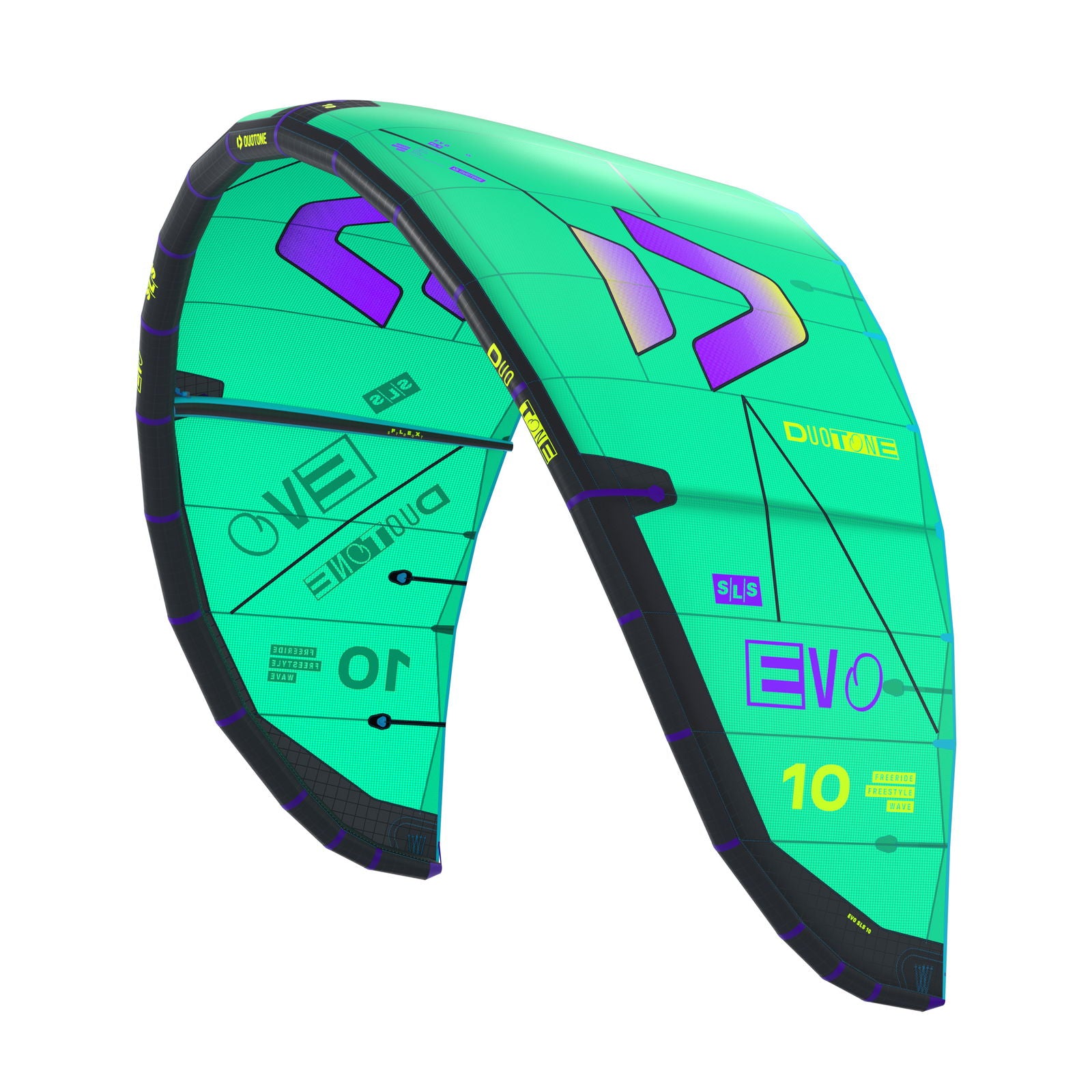
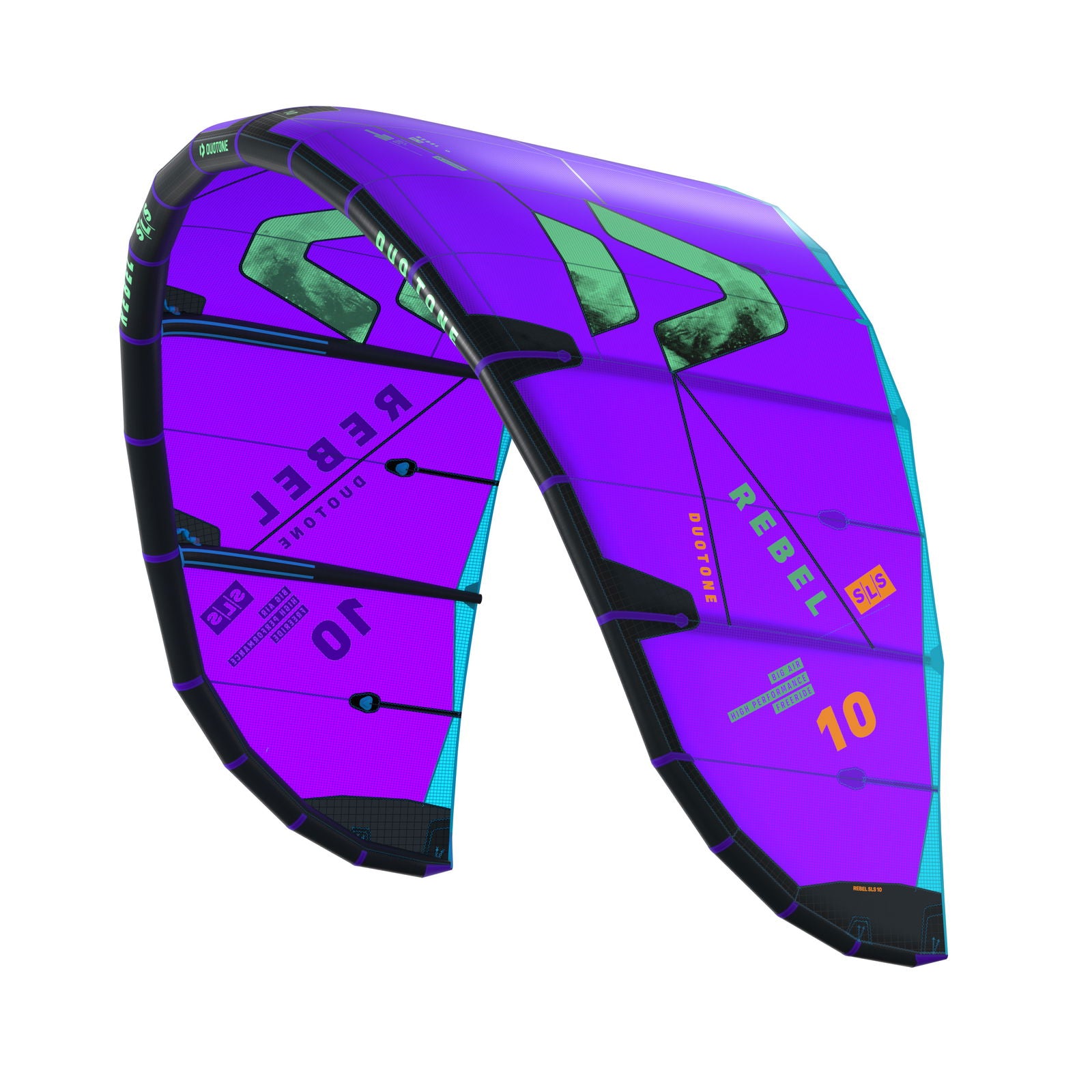
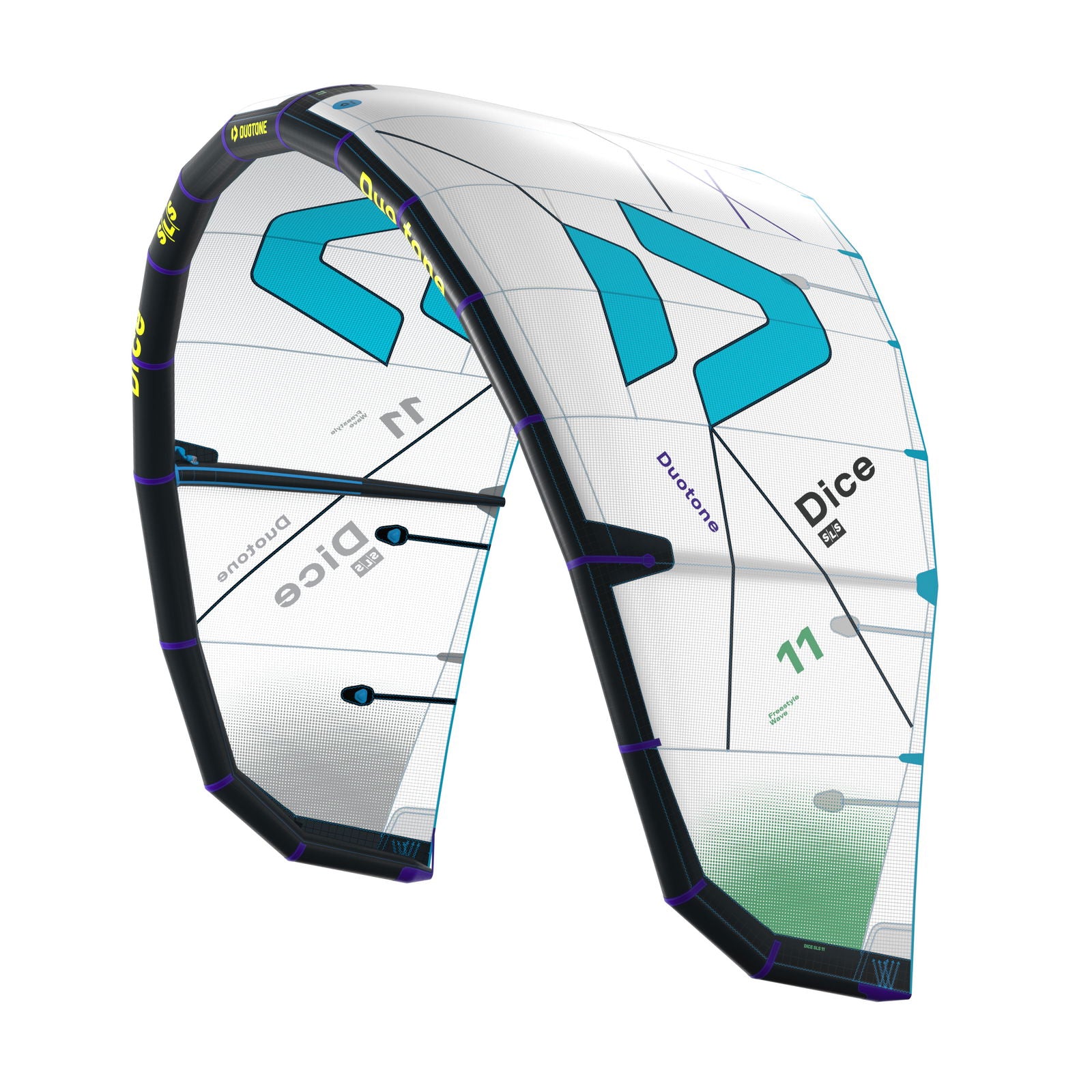
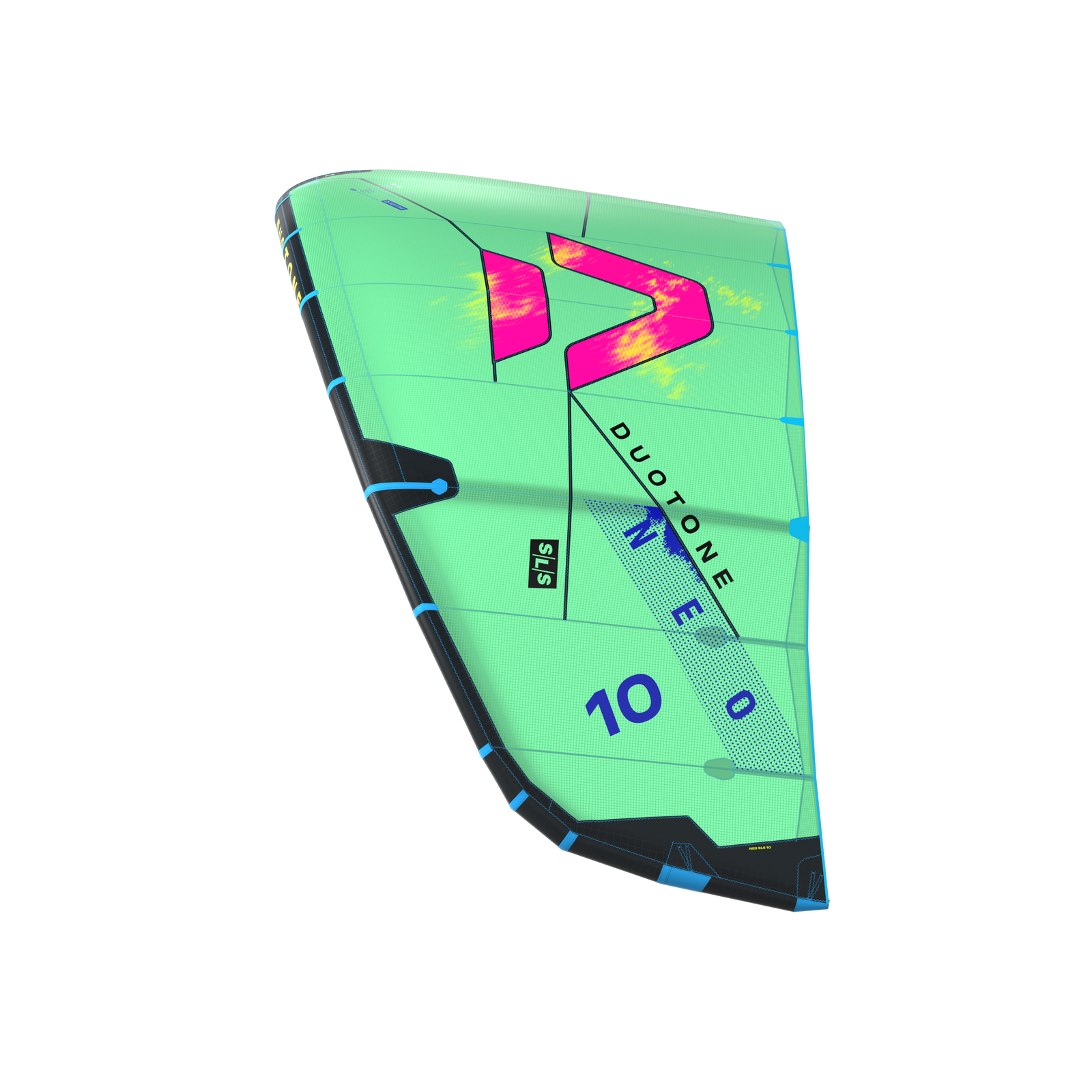
Prices and 2026 specs are pulled live from each product page. Confirm on the product page before checkout.
04 — MistakesThree mistakes we see every week
Ready to upgrade your quiver?
Browse our full range of 2026 Duotone, Cabrinha, and Gaastra kites—all tested by our team since 2003.
Frequently asked
Most freeride kites work well from 12 to 25 knots. A 9 m² peaks around 20 knots; a 12 m² sits happy in 14–22. Check your spot's typical wind and pick accordingly.
Not ideally. Freestyle kites are tuned for response and pop; freeride kites prioritize smooth power. You'll land tricks, but you'll work harder. Buy a freestyle kite if tricks are your focus.
If your current kite still flies straight and your bar responds, keep it. Upgrade when you've maxed out its performance window or when your skills demand a specialist tool. Most of our riders upgrade every 2–3 years.
Only if you're chasing very strong wind—25+ knots consistently. Start with 9 and 12 m². If you regularly push into 30-knot days, a 7 m² makes sense as your third quiver slot.