Wing Foiling Gear Guide 2026 — Everything You Need
Wing foiling in 2026 is easier to learn than it's ever been — but only if you pick the right gear. We'll walk you through foils, boards, wings, and masts so you start on something forgiving, not frustrating.
You need four things: a forgiving aluminium foil, a floaty board (90–120 L for beginners), a wing sized to your weight (3.5–5 m²), and a mast (72–75 cm). We recommend the Duotone Unit SLS or Cabrinha Mantis as entry points — both built to handle mistakes.
01 — DurabilityFoil Type: Aluminium Beats Carbon When You're Learning
Aluminium foils are tough. They bend, they forgive, and they don't crack when you crash — which you will. Carbon is lighter and faster, but it punishes poor technique and kills your bank balance. Start with aluminium.
We've shipped hundreds of beginner setups since 2003, and every rider who switched too early to carbon came back frustrated. Aluminium lets you focus on technique instead of nursing a shattered front wing.
02 — SizingBoard Size and Foil Front Wing: The Real Starter Rules
A 90–120 L board is your sweet spot if you weigh 50–85 kg. Bigger boards = easier pop-ups. Smaller boards = you'll fight for every metre of drift. Don't obsess over exact litres; just pick something in that range with a wide, forgiving shape.
Your foil front wing matters more. Start with 1600–2200 cm² (yes, centimetres, not metres — wing sizes are tiny). Lighter riders (50–65 kg) go 1600–1800 cm². Heavier riders (75–85 kg) go 1900–2200 cm². A bigger front wing forgives sloppy technique and keeps you afloat longer during the learning phase.
03 — Our picksOur 4 In-Stock Picks
Here are the four setups we stock that match what beginners actually need. All are built to forgive mistakes and all have been tested by our team on the water.


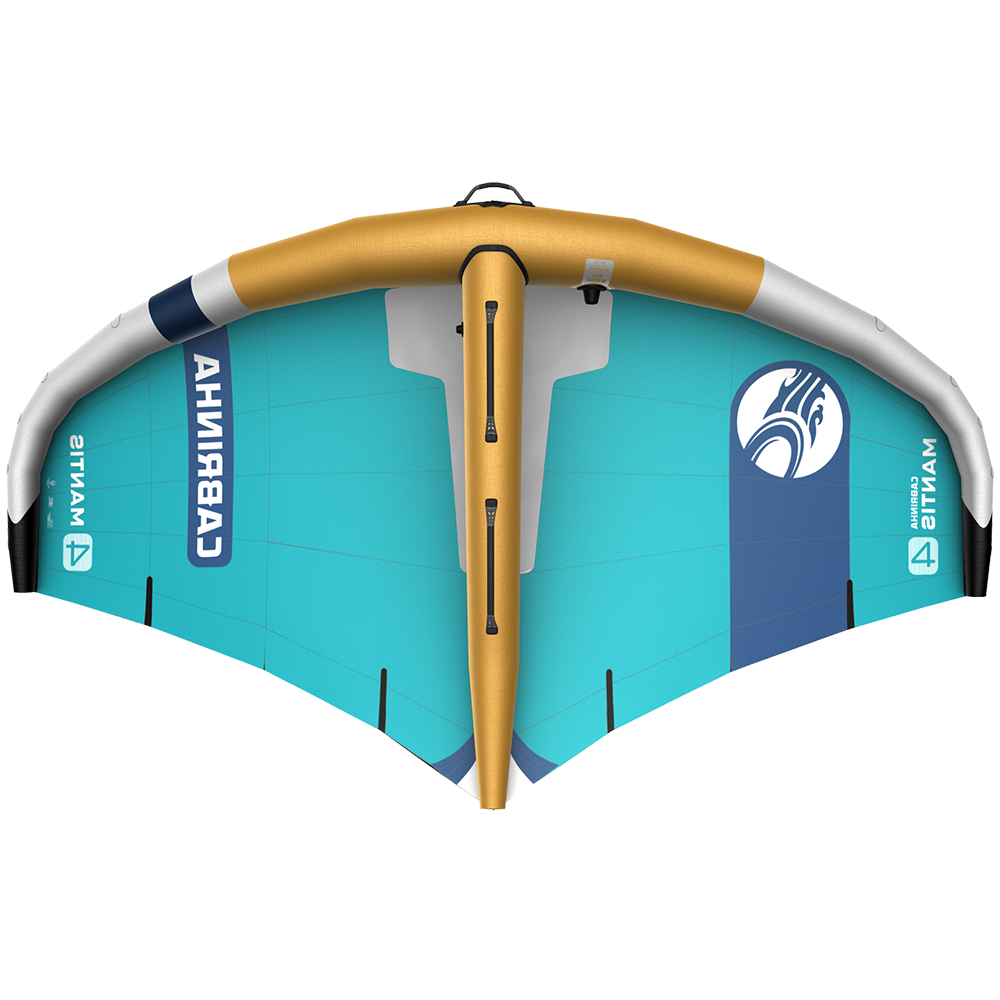
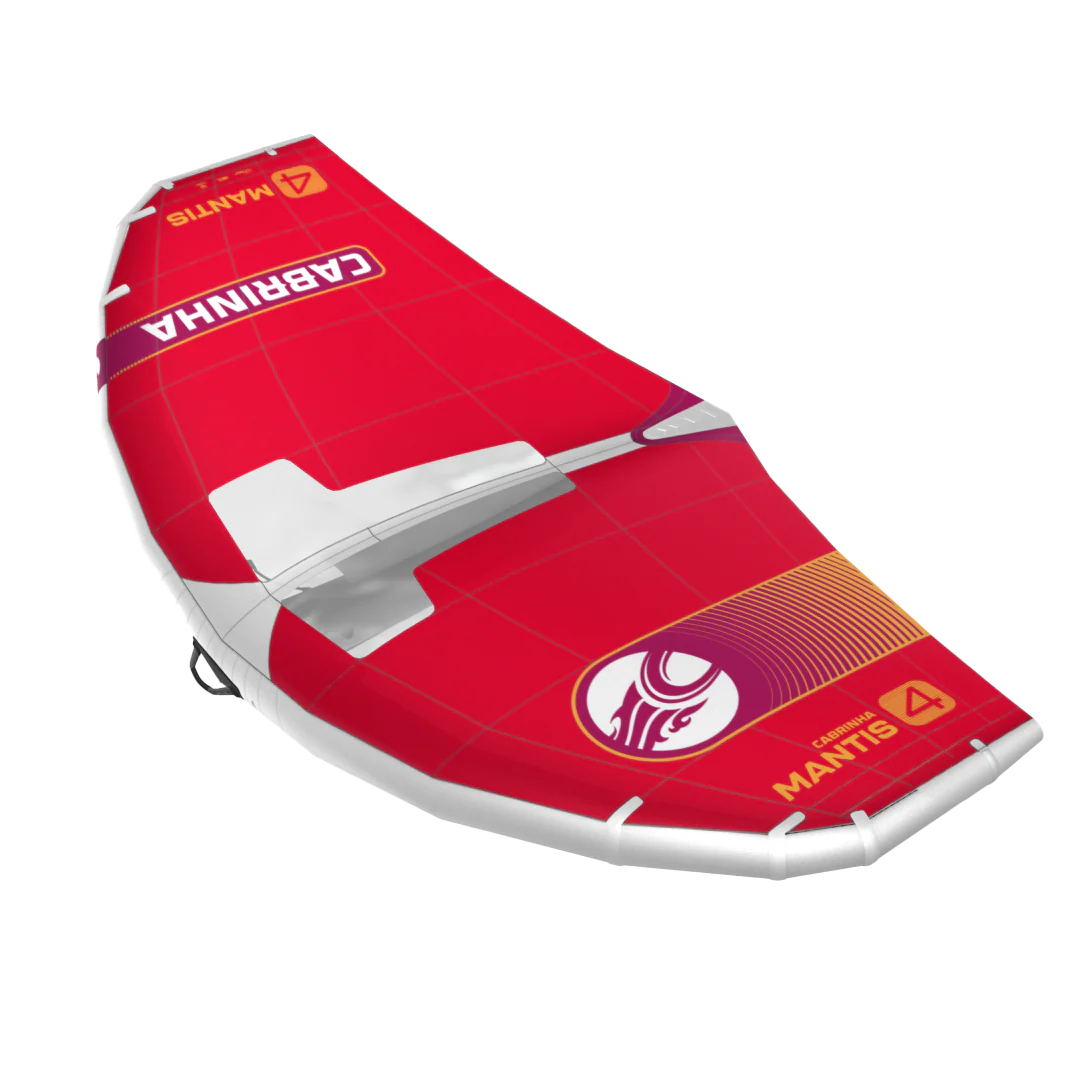
Prices and 2026 specs are pulled live from each product page. Confirm on the product page before checkout.
04 — MistakesThree mistakes we see every week
Ready to get in the air?
Browse our full wing foil range — boards, foils, wings, and masts — all tested and in stock.
Frequently asked
Wing foiling starts at 12 knots and works up to about 30 knots in flat water. Below 12 knots you won't generate enough lift; above 30 knots things get sketchy unless you're very light or very skilled.
No. Kite boards are too narrow and designed for a different centre of pressure. Wing boards are wider, more forgiving, and built for handheld flight. Don't cross over.
You can mix boards, foils, and wings from different makers — they're standardised. Stick with one trusted brand (Duotone, Cabrinha, NeilPryde) if you're new; it keeps support simple.
Budget around 1,200–1,650 € for a full setup: wing (400–600 €), board (300–500 €), foil (500–700 €), mast (80–120 €). Start here, upgrade later.