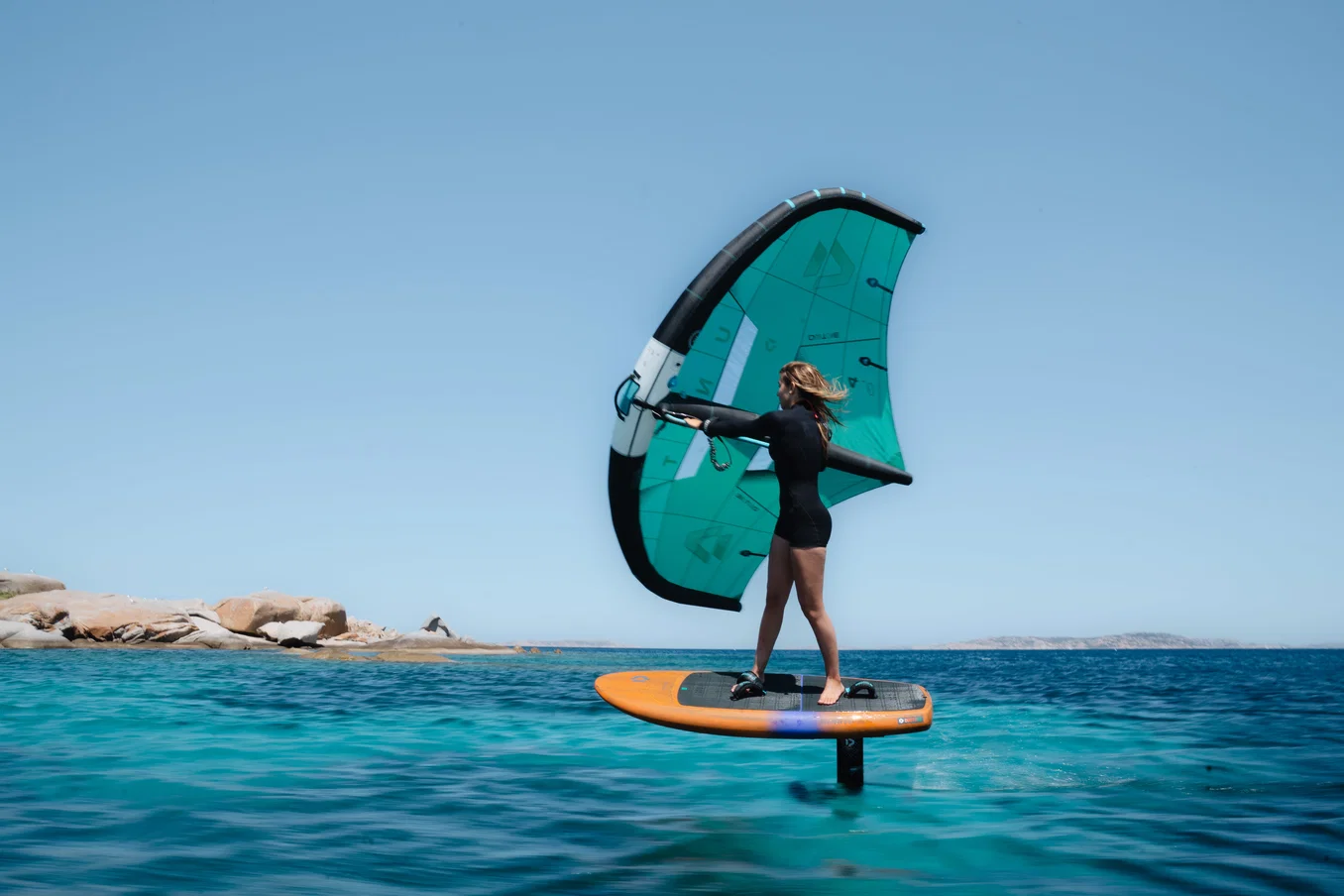
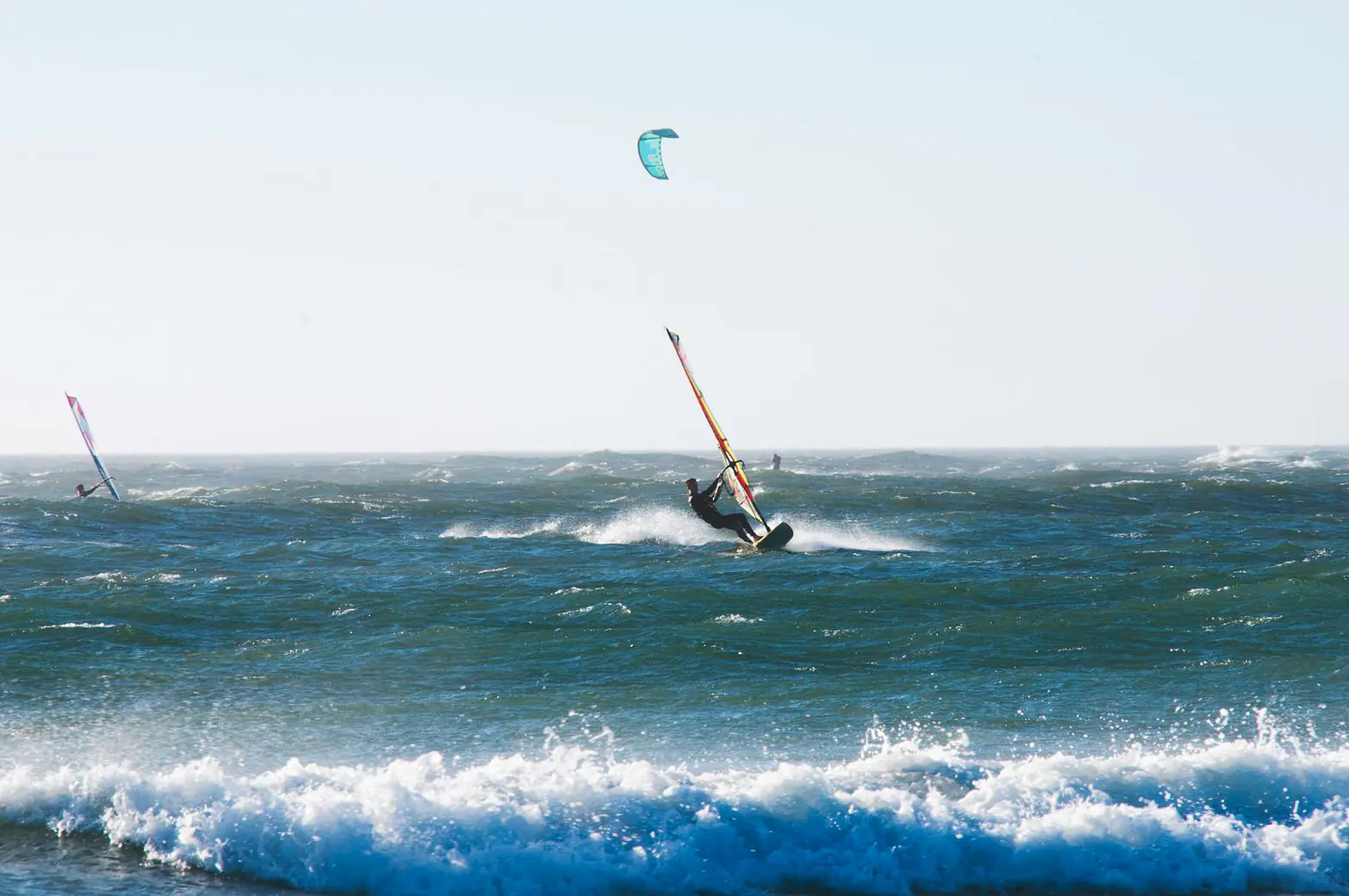
Windsurfing Lefkada — Vassiliki Spot Guide 2026
Vassiliki isn't just another Greek spot—it's the thermal wind factory that's been delivering reliable 12–25 knot afternoons since the 1990s. We've sent dozens of riders there over the years, and they all come back saying the same thing: glass-flat water in the morning, steady building wind by 2pm, and enough space to actually progress. This guide tells you exactly what to bring and how to make the most of it.
Vassiliki works because of geography—mountains trap warm air and create predictable thermal winds that build from midday onward. The flat water lets you focus on technique, while May to October offers consistent 18–22 knot afternoons. Bring a quiver strategy: light gear for morning glass, mid-range sails for the main event.
01 — Thermal mechanicsGeography & Wind—Why Vassiliki Works
Vassiliki Bay sits in a perfect pocket. Mountains to the west trap warm air rising off the Ionian Sea, and by 2pm every afternoon in summer, you've got a reliable thermal that builds until sunset. We've tracked riders' sessions there for two decades—the pattern is consistent. Morning is dead flat, perfect for technique work if you've got a 5.5 or 6.5 m² sail and a learner board. By lunchtime, wind picks up to 12–15 knots. By 3pm, you're looking at 18–22 knots.
The water stays flat because the bay is sheltered from swell and chop. That's not wave riding—it's pure freestyle and progression space. You won't find dramatic conditions here; you'll find repeatable ones. That's why coaches bring students to Vassiliki, and why you see the same faces every summer.
02 — Sail sizingWhat to Bring—Quiver Strategy for Lefkada
You need three sails minimum. A 4.5 m² for the 20+ knot afternoon blasts—light, responsive, and honest in the pressure. A 5.5 m² for the 15–18 knot transition window, which is where you'll spend most mornings and early afternoons. A 6.5 m² for the calm days and light builds, so you're not wrestling with a small sail in marginal wind.
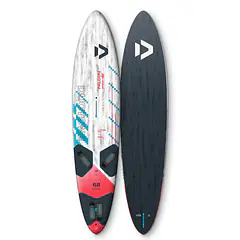
Boards: bring something between 100–140 L for the flat-water work. A freeride or wave board in that range gives you control and forgiveness. Avoid heavy race boards—you don't need them, and the flat water punishes dead weight. NeilPryde sails are solid all-purpose performers, and Fanatic boards are built for exactly this kind of reliable, everyday sailing.
03 — Our picksOur 4 In-Stock Picks
We've matched these boards to Vassiliki's flat-water conditions and the thermal wind pattern. Each one is built for technique-first riding, not heroics.
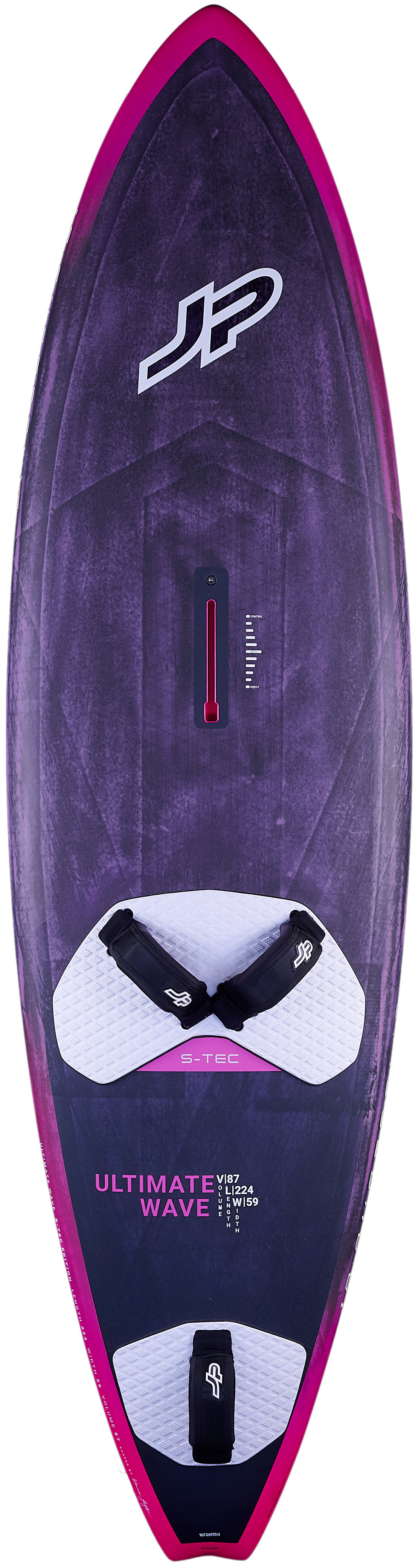
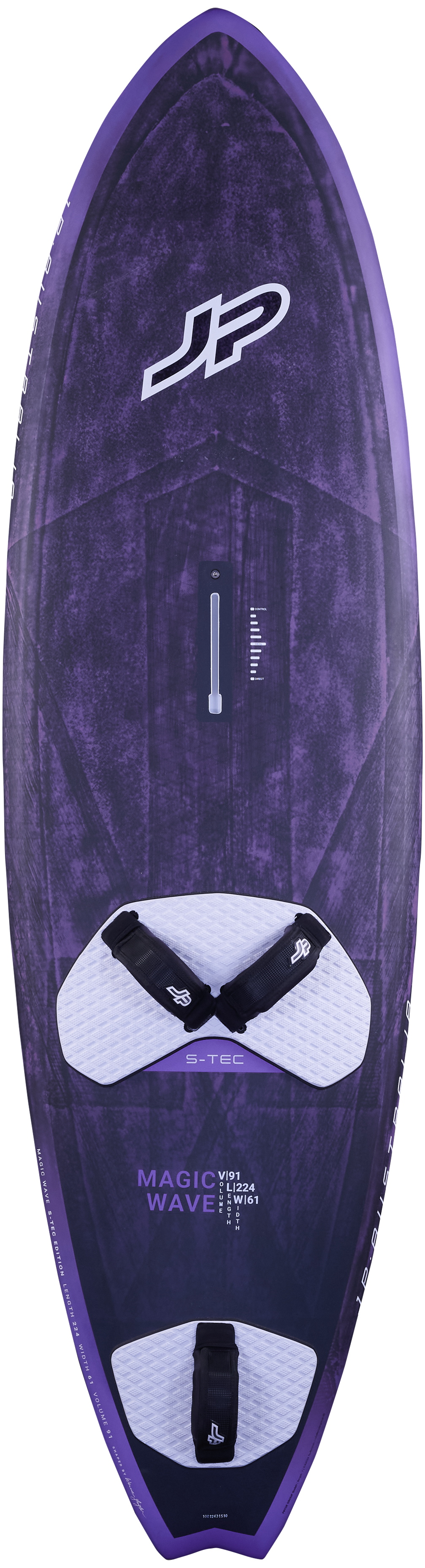
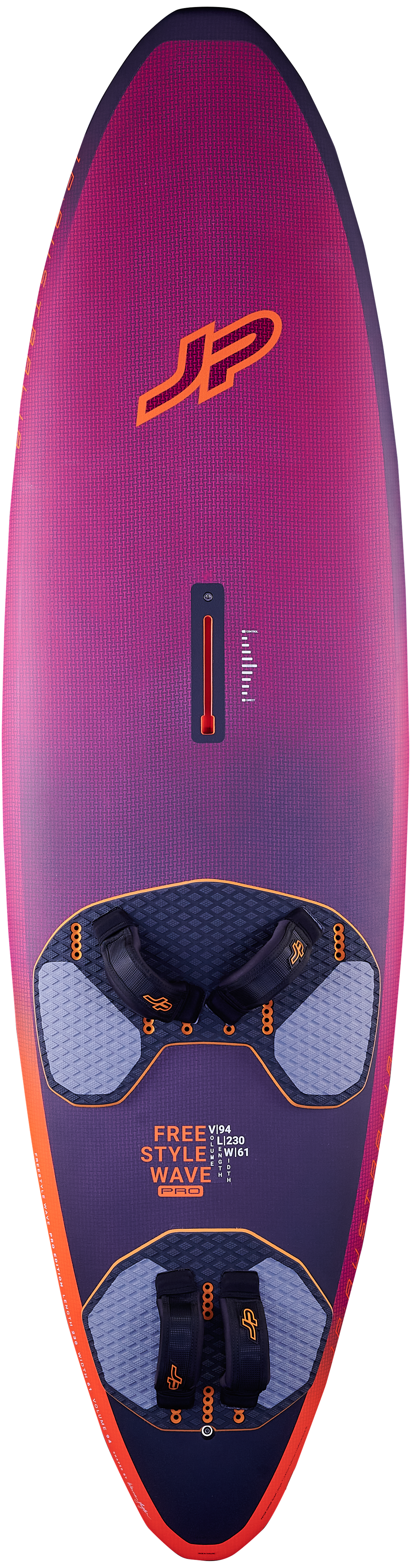
Prices and 2026 specs are pulled live from each product page. Confirm on the product page before checkout.
04 — MistakesThree mistakes we see every week
Ready to rig up for Vassiliki?
Check our windsurf boards and sails—we stock JP Australia and Fanatic, both proven at thermal spots like this.
Frequently asked
May to October. June through August is peak thermal season—consistent 18–22 knots, warm water, and zero swell. September and October still deliver 15–20 knots, though conditions get slightly more variable.
Absolutely. The flat water and predictable afternoon wind make it beginner-friendly. Mornings are forgiving for technique, afternoons are steady enough to build confidence. Just bring a 6.5 m² sail and a board over 120 L.
Water's 24–26°C June through September, so a 2/2 mm is plenty if you burn easily. Most riders go just boardshorts. Bring one anyway—air temperature drops at sunset, and you'll be grateful.
Rentals exist, but they're heavy and outdated. We've heard from dozens of riders who packed their own quiver—JP, Tabou, Fanatic—and regretted nothing. A carry-on quiver (3 sails, 1 board) weighs less than you'd think.