Lake vs Ocean Windsurfing — Key Differences & What to Expect
Lake and ocean windsurfing are completely different sports. We'll walk you through the core differences so you know exactly what gear and skills you'll need.
Lakes offer flat water, consistent wind, and predictable conditions—ideal for learning and freestyle. Oceans bring swell, variable wind, and currents that reward wave riding and fitness. Your board size, sail choice, and safety approach change dramatically between the two.
01 — Flat water masteryLake Windsurfing: Consistency and Control
Lakes are where windsurfing makes sense for beginners. Wind typically builds gently through the morning, holds steady, and dies predictably at dusk. Water stays flat—no waves, no swell texture, no currents pulling you downwind. You can dial in your technique, experiment with foot placement, and learn transitions without getting worked by shore break.
You'll ride smaller boards here—100 to 140 L, light and responsive—because the water isn't moving beneath you. Sails stay in the 4.5 to 6.5 m² range for most riders. A lake session is about precision: where you place your feet, how you weight the boom, when you pop the sail. It's quiet. It's forgiving.
The catch? No swell means no waves to ride, and wind consistency varies wildly by season and geography. Alpine lakes (Neusiedl, Garda) have thermal winds that peak mid-afternoon. Coastal lakes near Tarifa can get Atlantic swell wrapping in, but that's rare.
02 — Swell and variable conditionsOcean Windsurfing: Waves, Wind Shifts, and Fitness
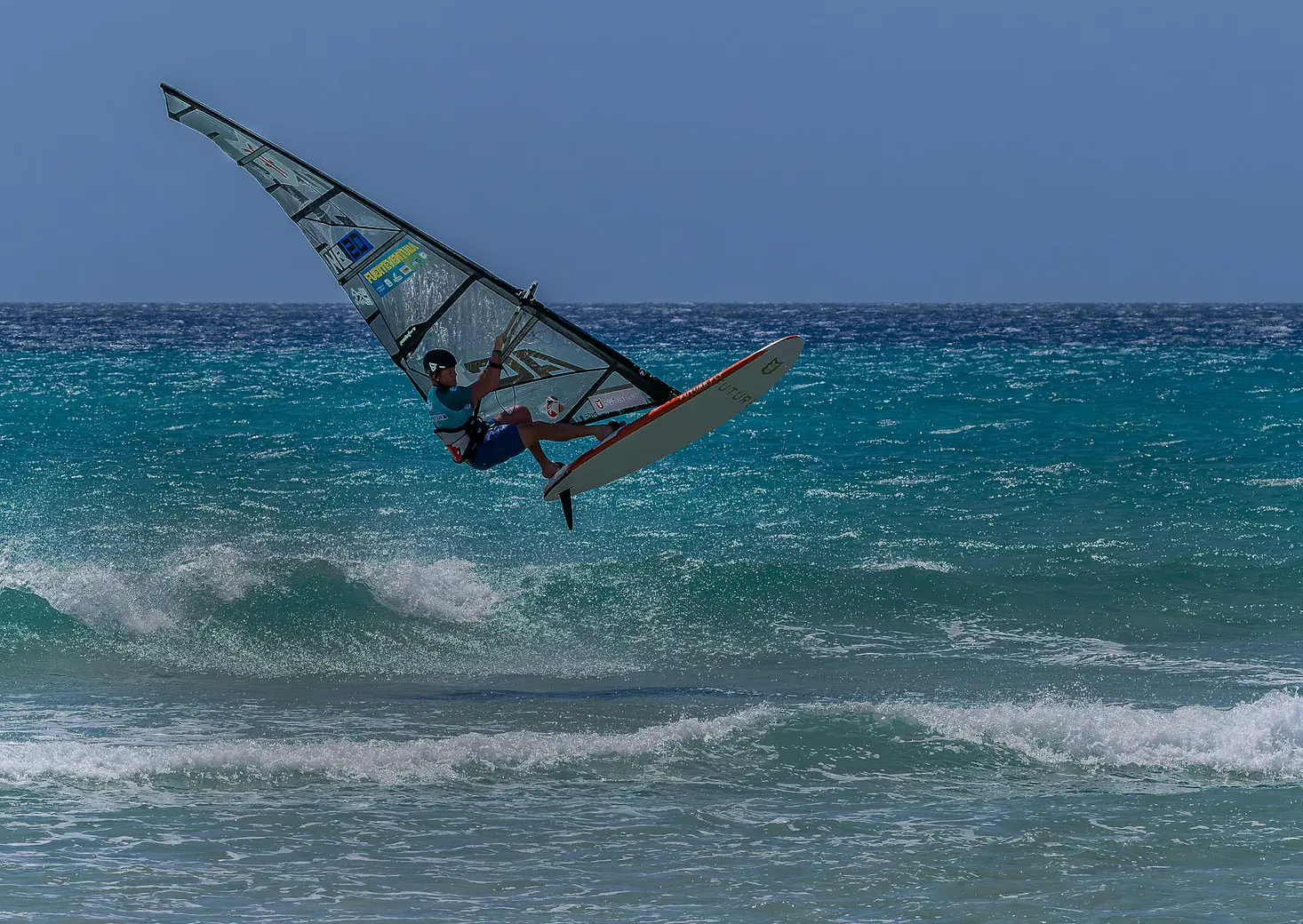
The ocean is not flat. Swell moves beneath you constantly—2 to 3 meters on a good day at Cabarete, 4+ meters on the Canary Islands in winter. Wind shifts every few minutes. Currents push you sideways. You need fitness, spatial awareness, and the ability to make fast decisions while being tossed around.
Your board gets bigger and thicker: 140 to 180 L for wave riding, 160 to 200+ L if you're freeride-leaning. Sails shrink to 3.5 to 5.5 m² because power comes from swell, not wind pressure alone. You'll spend 40% of your session paddling back out, fighting whitewater, and reading the next set.
The upside? Every session is different. Riding a proper wave—carving down the face, turning in the pocket—is why most of us started windsurfing. The ocean rewards aggression, timing, and technique under pressure.
03 — Our picksOur 4 in-stock picks
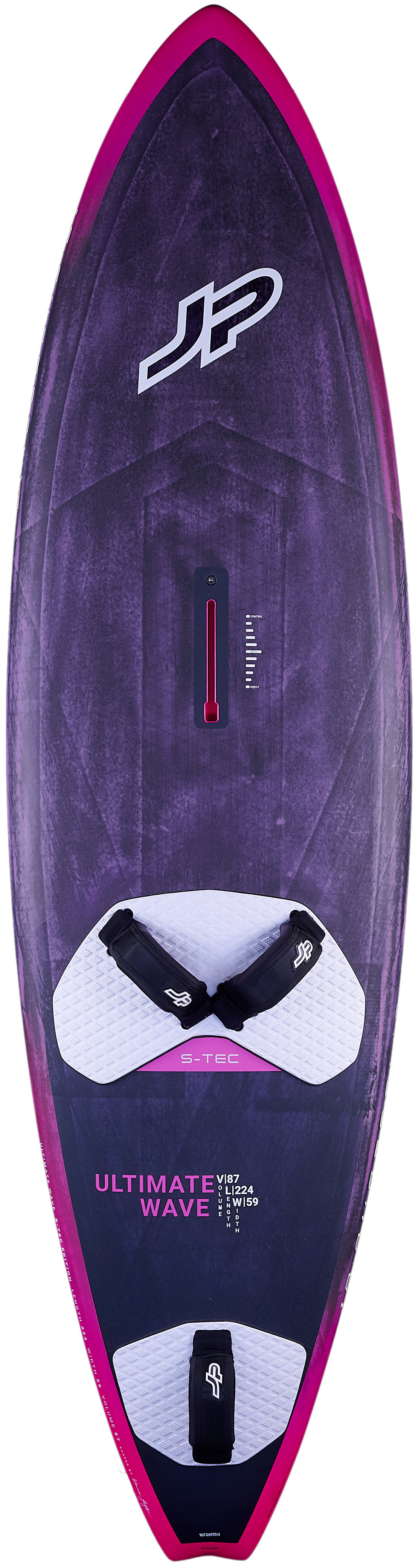
We've listed four JP boards below—all S-TEC construction, all built for either lake freestyle or ocean waves. Pick based on where you live and what you want to progress into.
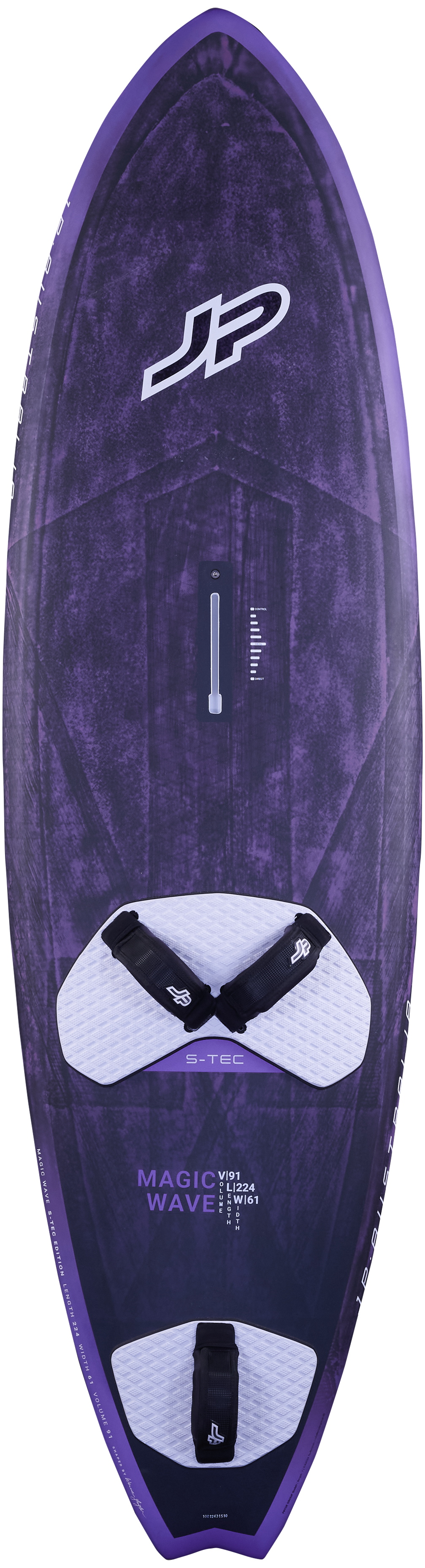
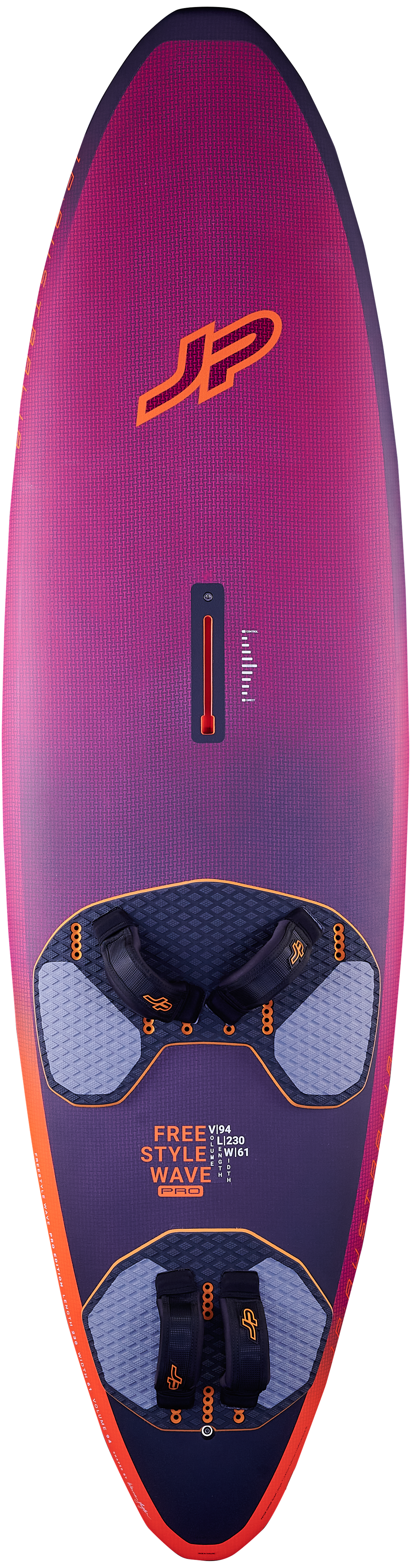
Prices and 2026 specs are pulled live from each product page. Confirm on the product page before checkout.
04 — MistakesThree mistakes we see every week
Ready to pick your board?
Browse our full windsurf board range to find the right float for your home water.
Frequently asked
Lakes: 4.5–6.5 m² in thermal winds. Ocean: 3.5–5.5 m² in variable, shifty conditions. Go smaller on the ocean—power comes from swell, not wind alone.
Not really. Lake boards (100–140 L) are light and responsive. Ocean boards are 140–200+ L and built tougher. If you must choose one, pick 130–150 L and accept compromise.
Yes. Swell, currents, and variable wind demand fitness and quick thinking. Lakes are where you learn basics. Ocean is where you test them under pressure.
Look for thermal patterns (wind peaks mid-afternoon), check local forecasts, and ask at a nearby club. Alpine lakes and coastal lagoons are usually best. Sheltered inland reservoirs often lack consistent wind.