Windsurfing in 20 Knots — Sail Size & Technique Guide
Twenty knots is the sweet spot for windsurfing—enough power to plane early without being dragged around. We'll walk you through the exact sail sizes, board volumes, and technique calls that work at this wind speed.
At 20 knots, pair a 4.5–5.5 m² sail with a 90–120 L board for early planing and clean gybes. A freewave or freeride setup lets you carve without fighting the rig. Riders we've shipped to since 2003 consistently nail 20-knot sessions on JP Australia or Tabou boards in that range.
01 — Sail Size & AreaGetting Powered Right
Twenty knots sits in fresh-breeze territory. You want enough sail to plane early and keep momentum through chop, but not so much you're getting dragged around. A 4.5 m² is your baseline—it'll get you going without overpowering you in gusts.
If the wind's steady and you're chasing more lift, a 5.0 or 5.5 m² opens up harder turns and better gybe control. But if you're riding lumpier conditions or you're still building your footwork, stick with 4.5 m². You'll feel more solid, and you won't waste energy fighting the rig.
02 — Planing & CarvingChoosing the Right Board Volume & Shape
For 20-knot sessions, aim for 90–120 L. That range sits perfect between early planing and maneuverability. A 100 L freewave board—think JP Ultimate Wave or JP Magic Wave—gives you enough float to get going without feeling sluggish in the turn.
Lighter riders (50–65 kg) can drop to 85–95 L and still catch waves cleanly. Heavier riders (75–90 kg) benefit from 110–120 L to keep momentum and nail your launches. If you're learning gybes, lean toward the bigger end: extra volume = more float = longer window to practice the move without sinking.
03 — Our picksOur 4 In-Stock Picks for 20-Knot Riding
These four boards are built for 20-knot sessions. Each one comes ready to pair with a 4.5–5.5 m² sail and deliver the early planing, carving response, and gybe forgiveness that make this wind speed so fun.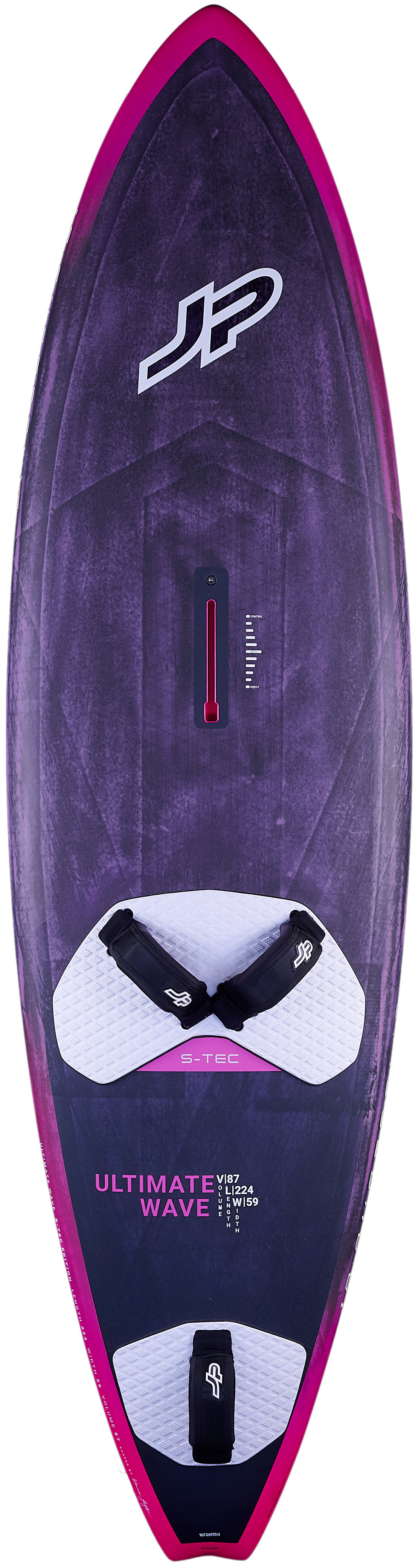
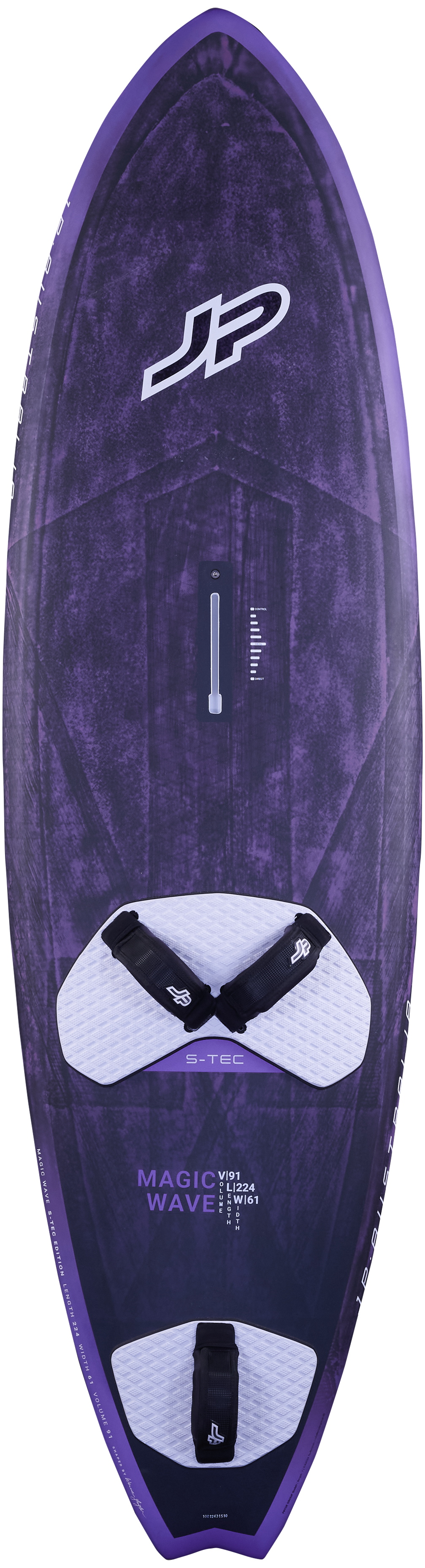
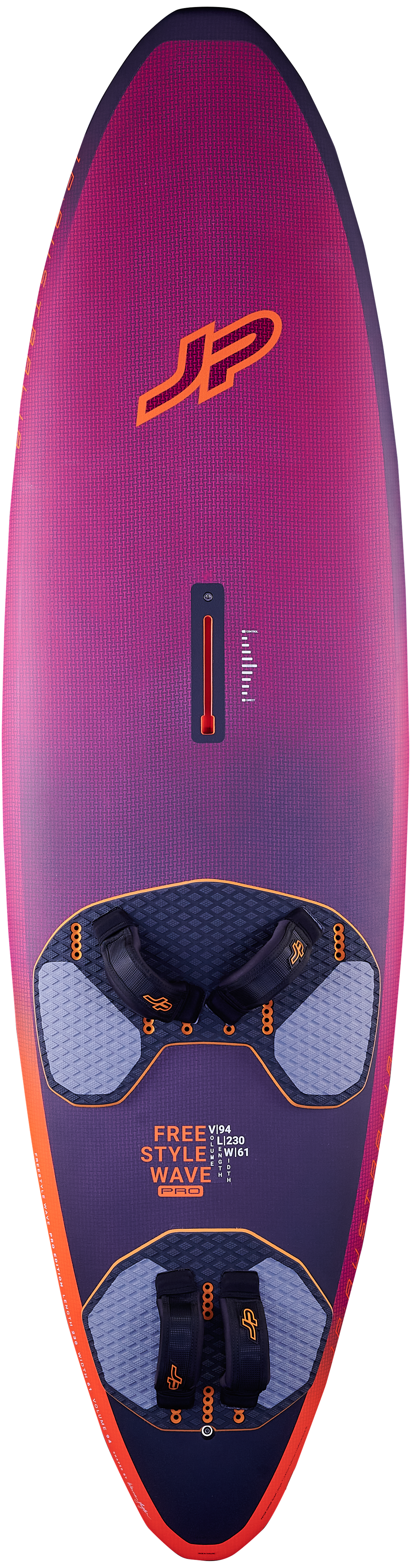
Prices and 2026 specs are pulled live from each product page. Confirm on the product page before checkout.
04 — MistakesThree mistakes we see every week
Ready to dial in your 20-knot setup?
Browse our full windsurf board range and find the volume, shape, and brand that match your riding style.
Frequently asked
You can, but it'll feel oversized. You'll fight overpowering moments and struggle with clean gybes. A 5.0–5.5 m² will give you way more control and learning space.
Eighty-five litres if you're light (50–60 kg) and confident. Most riders nail consistent planing and gybes at 100–110 L. Go smaller and you risk sinking on your gybe attempts.
Freewave. You get the float and planing speed of freeride with the carving response of a wave board. It's the sweet spot for this wind speed.
Both nail this wind speed. JP boards tend to pivot tighter; Tabou boards give you more drive downwind. Ride both if you can—personal fit matters more than brand.