Windsurfing Harness Guide 2026 — Waist vs Seat Harness
A waist harness keeps you light and responsive. A seat harness locks you in and saves your arms when the wind builds. Pick wrong, and you'll be wrecked after thirty minutes—pick right, and you'll ride all day.
Choose waist harness for light wind, freestyle, and mobility. Pick seat harness for strong wind, wave sessions, and arm endurance. Spreader bar length and padding thickness matter as much as harness type—poor fit bruises you in an hour. We stock ION and Duotone harnesses sized by waist measurement (cm/inches), not volume.
01 — Fit & FeelWaist vs Seat Harness—Which Suits You
A waist harness wraps tight around your middle, right above your hips. You stay mobile, feel the board moving under your feet, and can shift your weight without fighting the harness. Light wind sessions, freestyle tricks, and days when you're learning your stance—waist is your friend.
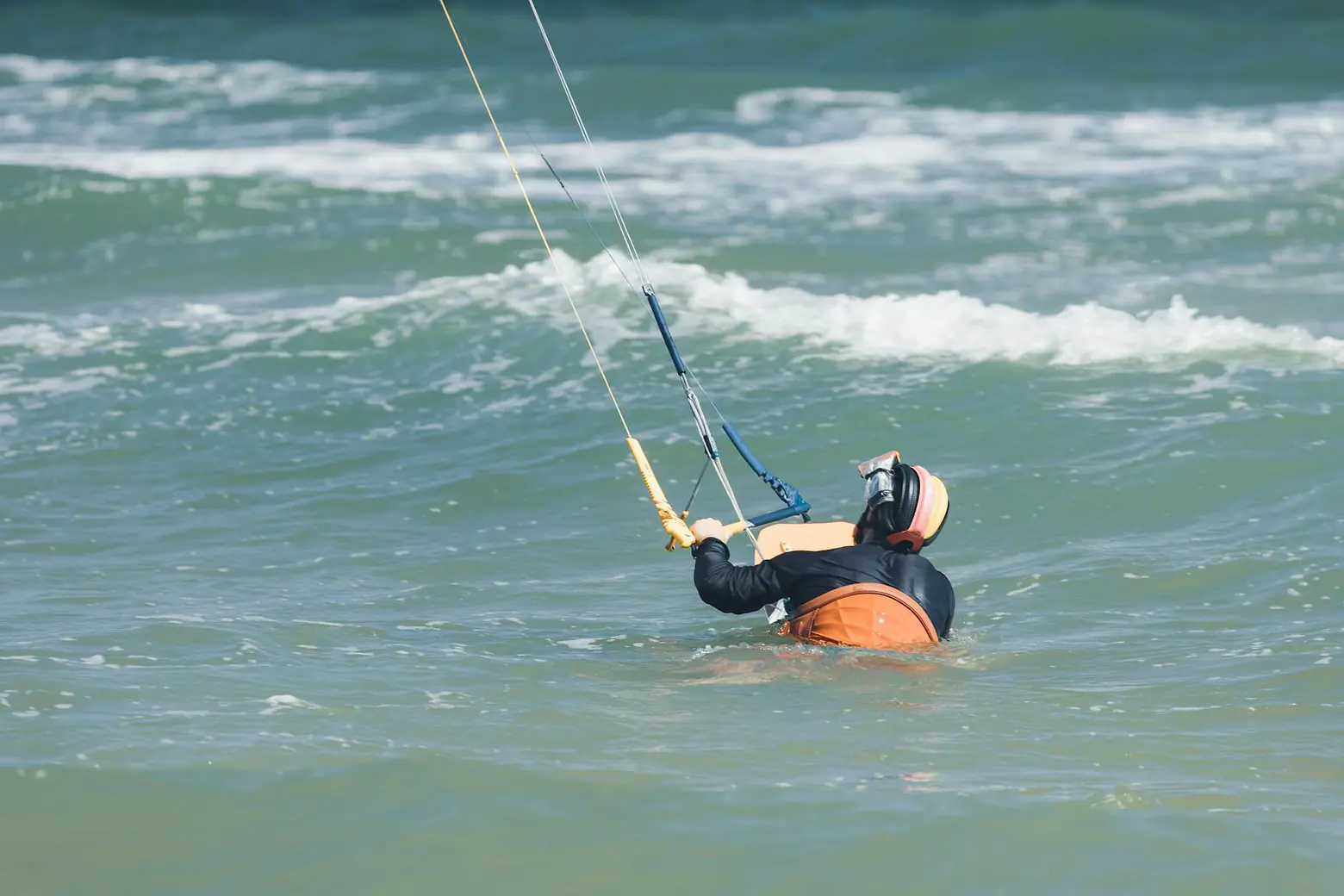
A seat harness cups your backside and lower back. It spreads the load across a bigger area, which means less arm fatigue when you're powered up in 25+ knots. Wave riders and marathon windsurfers swear by seat harnesses because your legs do the work, not your shoulders.
The trade-off? Seat harnesses are bulkier and feel restrictive in light winds. You can't shift your weight as freely. So pick waist if you're in 8–20 knots and value mobility. Pick seat if the forecast shows 20+ knots and you want to ride for hours without your forearms screaming.
02 — Comfort & SupportPadding and Spreader Bar—The Details That Hurt or Help
Padding thickness matters. A thin harness feels nimble but bruises your ribs in bumpy water. A thick harness (4–5 mm is common) spreads pressure and keeps you comfortable all day—but you lose some feel for the board in light wind.
Spreader bar length is equally important. The bar holds the boom attachment away from your body. Too short (under 20 cm) and you'll get compressed ribs. Too long (over 25 cm) and you're wrestling the boom like it's trying to escape. Most riders sit comfortably between 20–24 cm, but your boom diameter and stance matter.
Try before you buy if you can. Every body is different—what fits our buyer Marko might pinch you. If you're ordering blind, go for medium padding and a 22–23 cm bar, then adjust next time.
03 — Our picksOur 4 In-Stock Picks
We stock ION and Neilpryde harnesses in every size from kids through large adults. Here are the ones we reach for most—whether you're light wind or powered up.
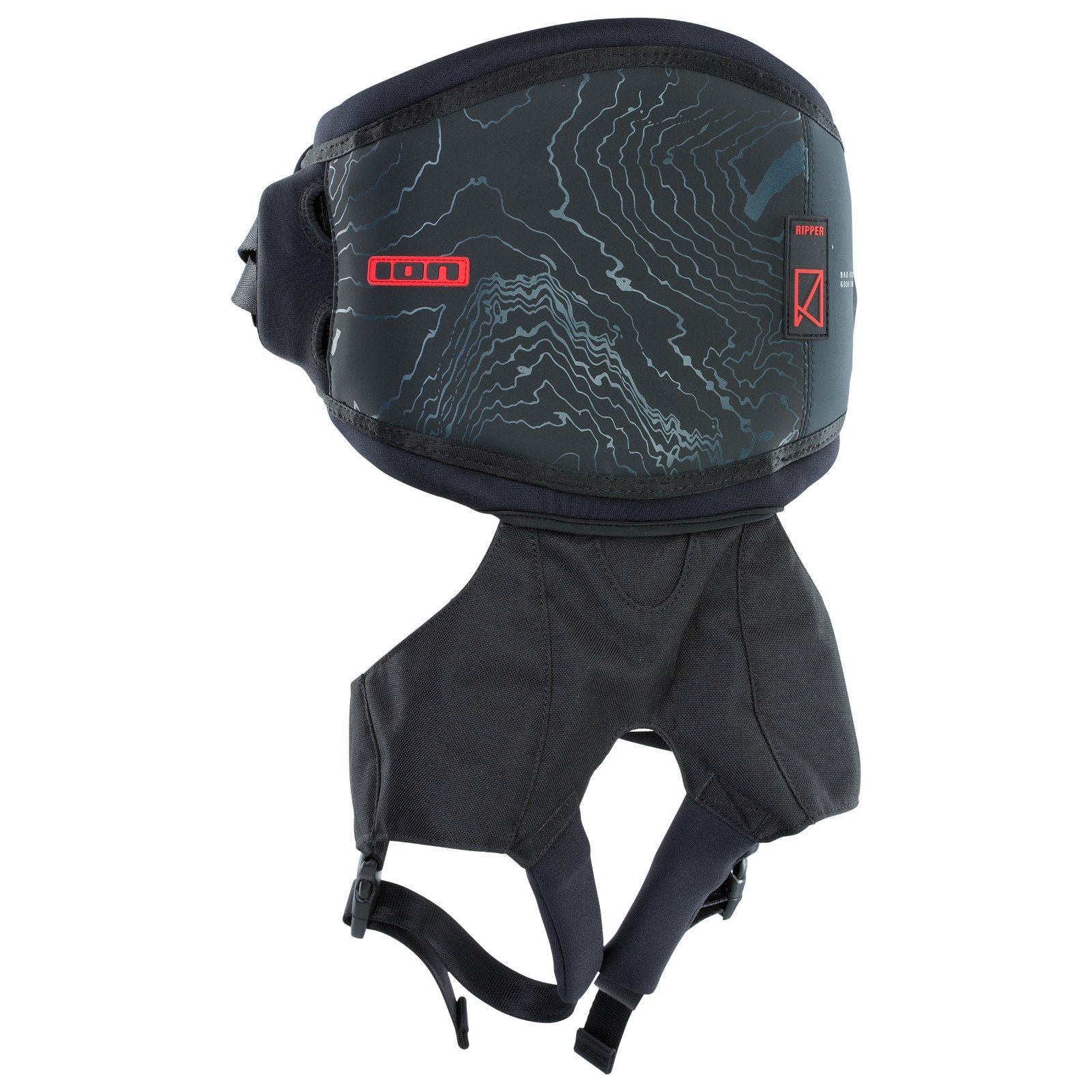
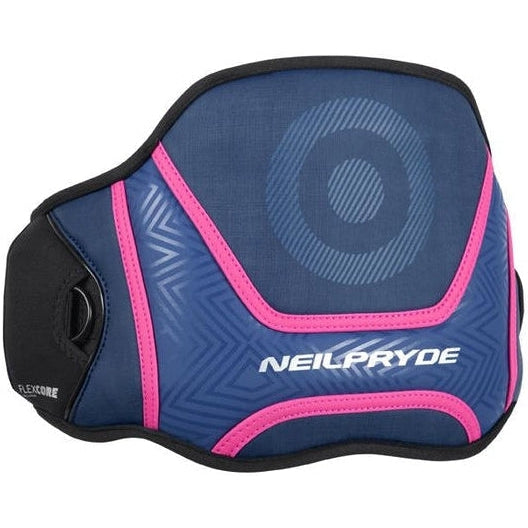
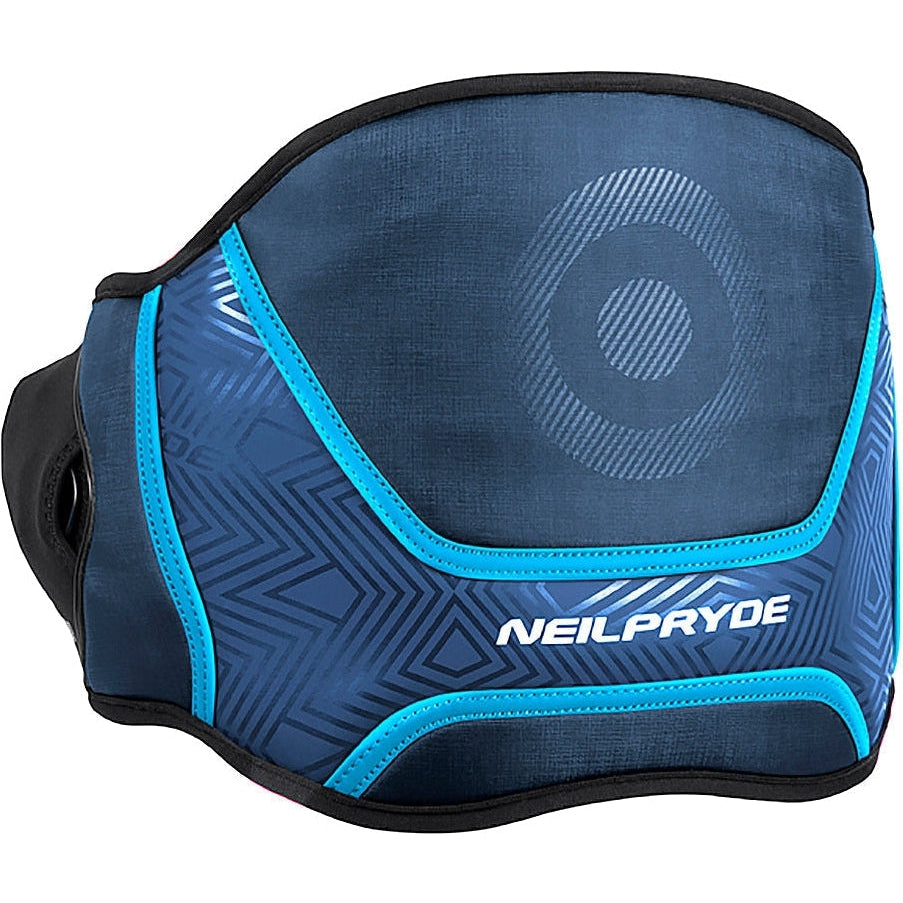
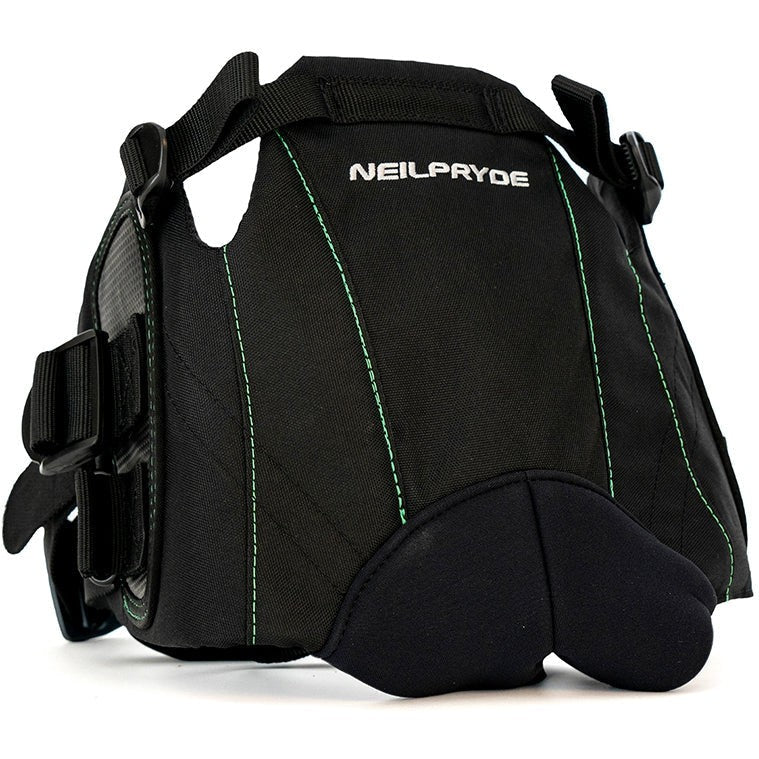
Prices and 2026 specs are pulled live from each product page. Confirm on the product page before checkout.
04 — MistakesThree mistakes we see every week
Ready to gear up?
Browse our full range of windsurf harnesses sized by waist measurement, stocked and ready to ship across Europe.
Frequently asked
Technically yes, but you'll burn out fast. Waist harnesses aren't padded for sustained high-wind sessions. If you're sailing 20+ knots regularly, a seat harness saves your arms and back.
Use a soft tape measure around your natural waist (where your pants sit), not your belly. Measure in the morning before eating or drinking. Write the number down in centimetres.
Start with 22–23 cm if you're unsure. Your boom diameter and stance affect the feel, so if it feels pinched or distant, ask us about bar swaps—they're cheap and quick to change.
Most do, yes. Check the product page before you order. If it doesn't, you'll need to buy a bar separately—we stock spares at a few euros each.