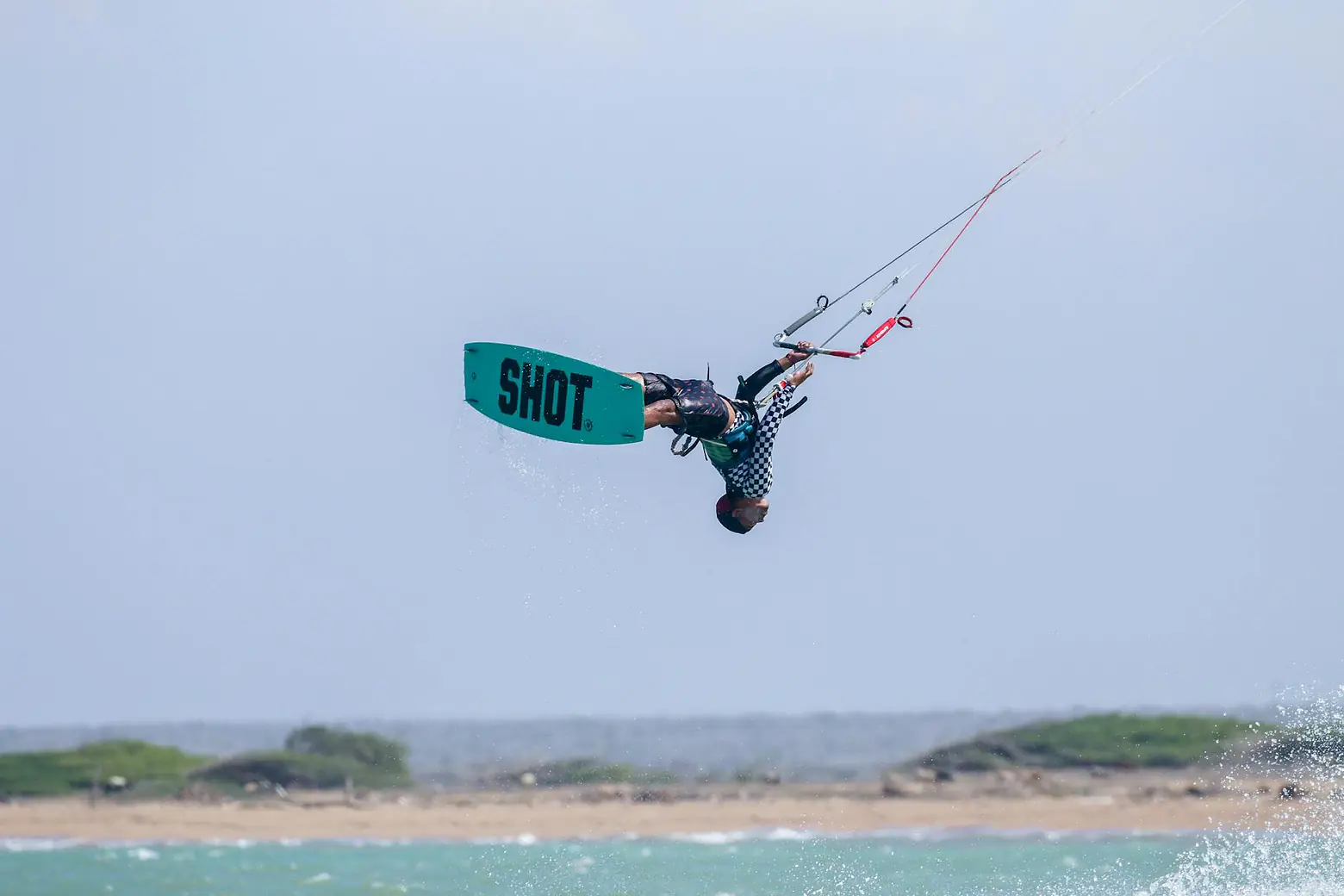
What Is Wave Kitesurfing? — Surfing with a Kite Explained
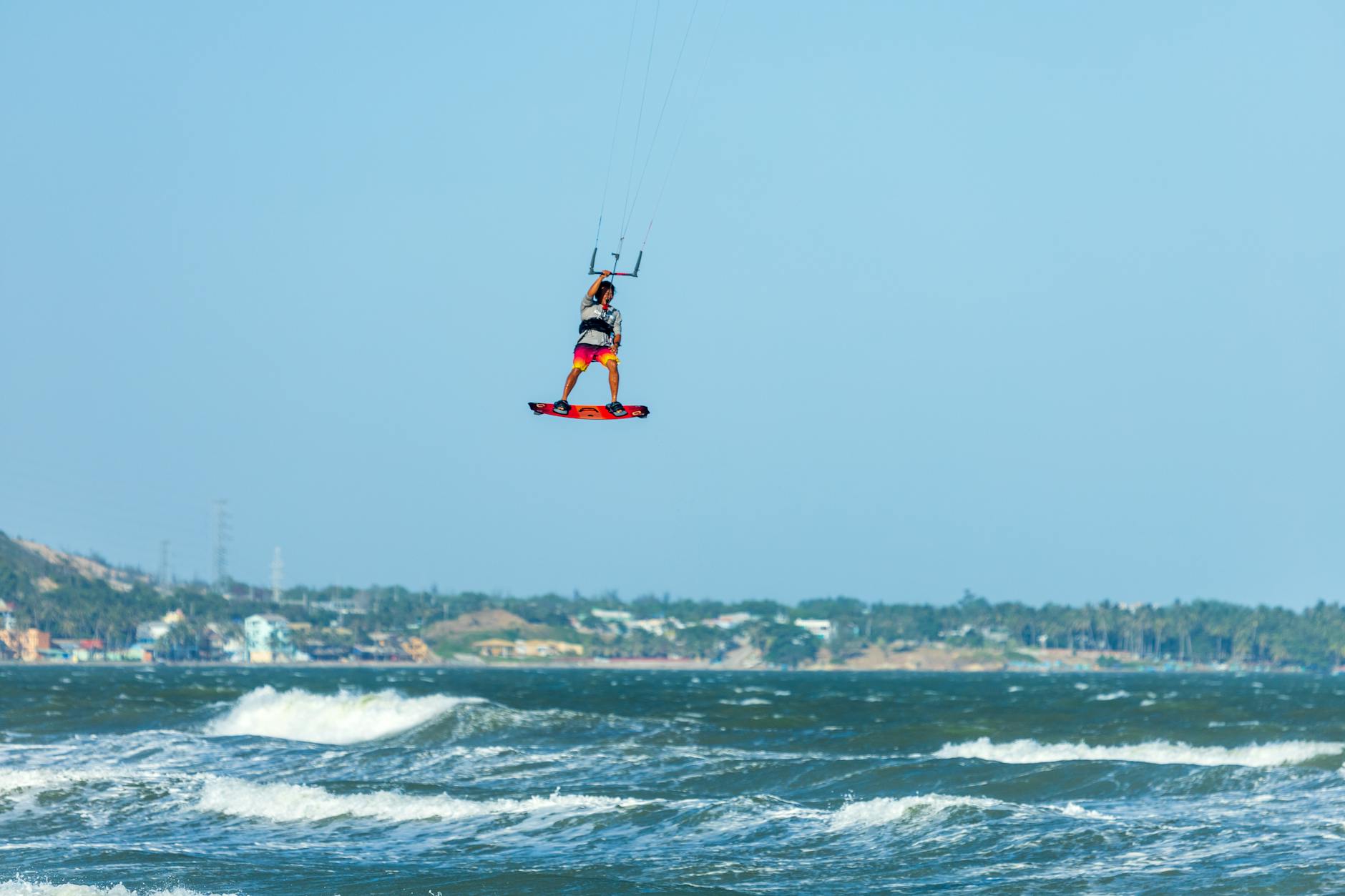
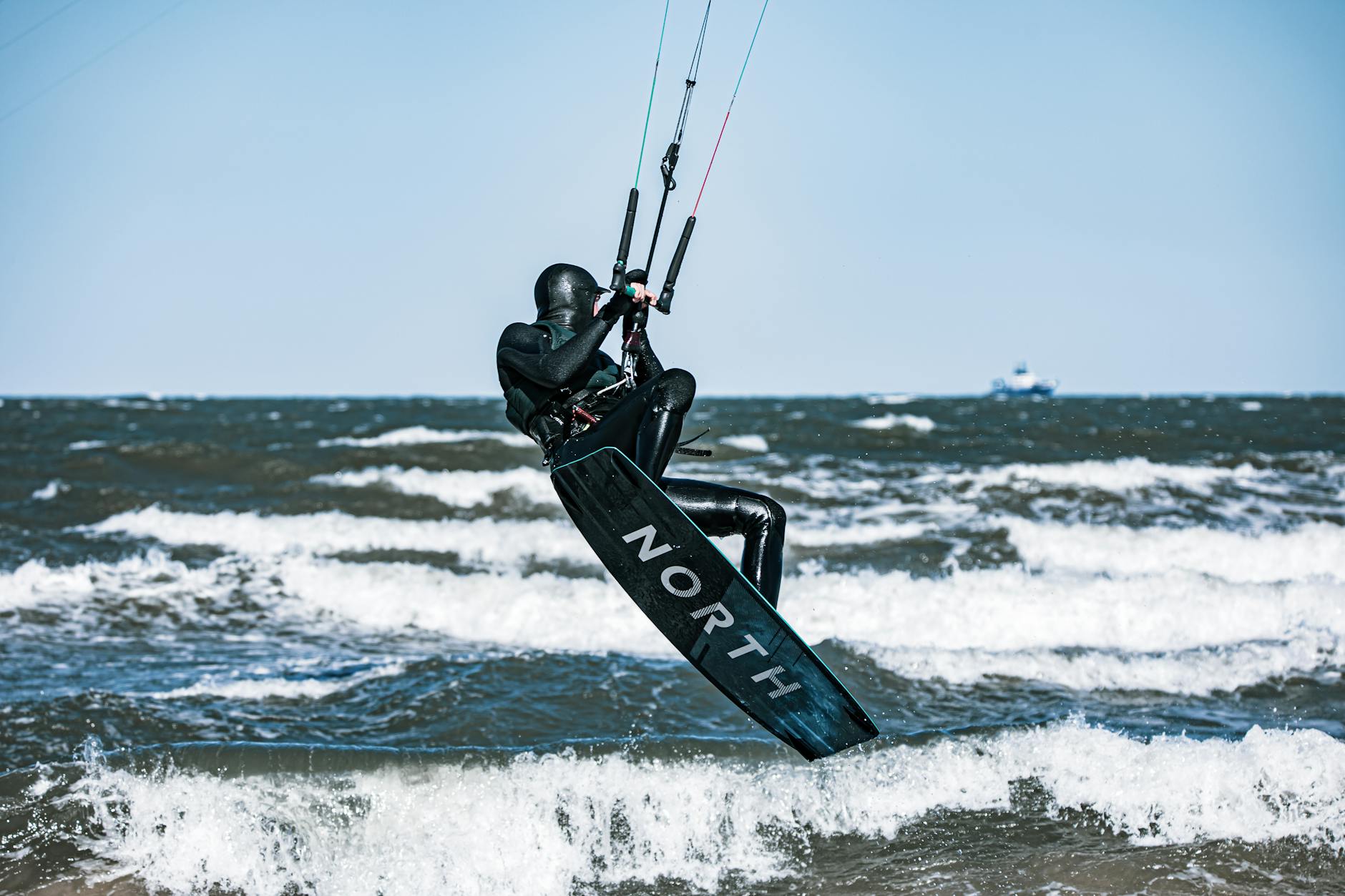
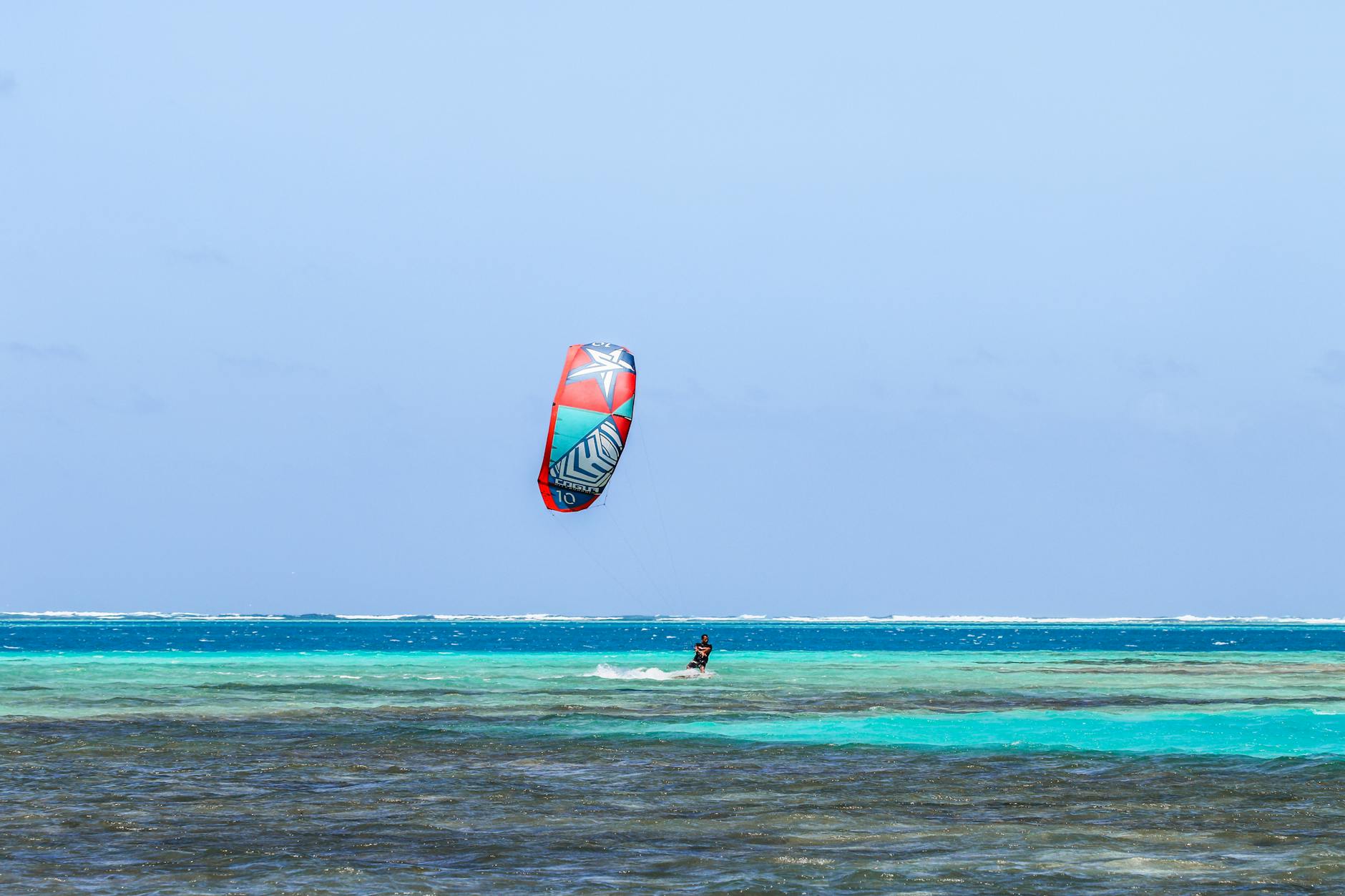
Wave kitesurfing merges traditional surfing with kite power—you're carving real ocean swells, not hunting tricks on flat water. We'll show you what makes it different, where to ride it, and which kite actually belongs in your quiver.
Wave kitesurfing means riding ocean swells while a power kite gives you speed, lift, and control. Unlike flat-water freestyle, you're reading swell direction, wind, and tide like any surfer. The kite lets you generate pop, stay powered in light wind, and pull moves a traditional surfer can't. Start with a wave-specific kite in the 9–12 m² range.
01 — Two disciplinesThe Core Difference: Wave Kitesurfing vs. Flat-Water Kitesurfing
Flat-water freestyle is about speed and technical tricks on glassy conditions with zero swell. You're launching aerials, doing handle passes, maybe landing a moobe. Wave kitesurfing flips that entirely. The ocean swell is your stage—you're reading wind direction, tide timing, and swell angle like you would on a regular surfboard.
In waves, the kite isn't your primary engine. It's your power amplifier. The swell does the work; the kite lets you generate pop on smaller days, stay upwind in light wind, and layer tricks into turns that a traditional surfer can't execute. You're still reading the wave line, choosing your takeoff angle, and carving off the bottom. The kite just makes it possible when the wind's marginal or the swell's rolling smaller than you'd want on a regular board.
02 — The wind advantageWhy Wave Kitesurfing Works in Light Wind
A traditional surfer waits for swell AND good wind. A wave kite rider just needs swell. In 10–15 knots, when a flat-water rider is sitting it out, you're already powered and carving. That's the magic. You're not bouncing between breaks hunting better wind; you're committed to one spot and riding the entire session.
You'll also stay upwind easier. A kite generates continuous lift; a surfboard doesn't. On a smaller swell day, that extra power means you can hit more sections of the wave and recover after a wipeout without paddling back to the lineup. The kite also lets you get up and back to the break faster if you're blown inside or caught in a rip—two situations that'd drain a traditional surfer's arms.
03 — Our picksWhat Gear You Need
You'll need a wave-specific kite (9–12 m² to start), a kitesurfing board (not a regular surfboard—the footpads and footstraps matter), a harness, and a control bar. We've stocked these four kites since 2003 and riders from Tarifa to Cape Town trust them in waves.
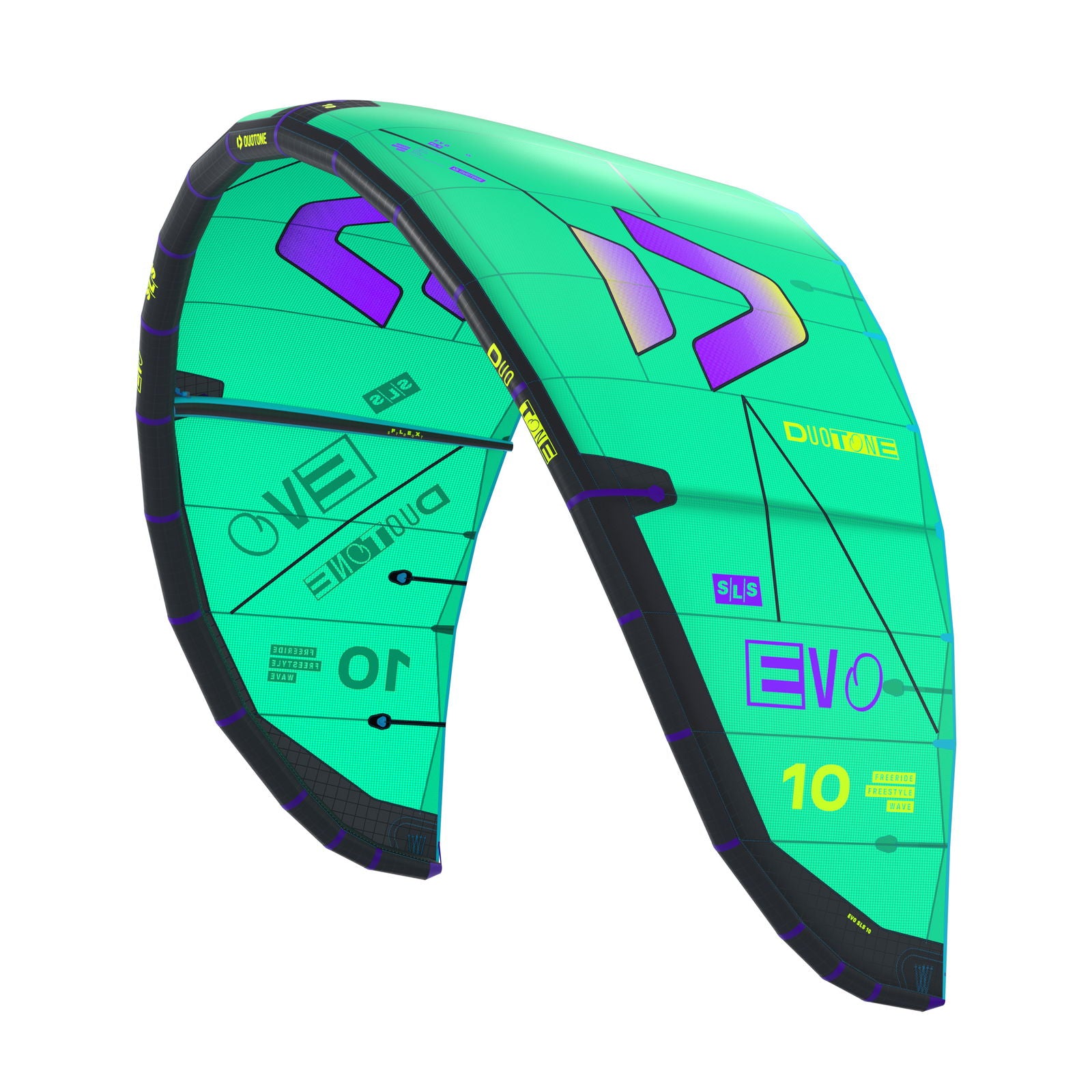
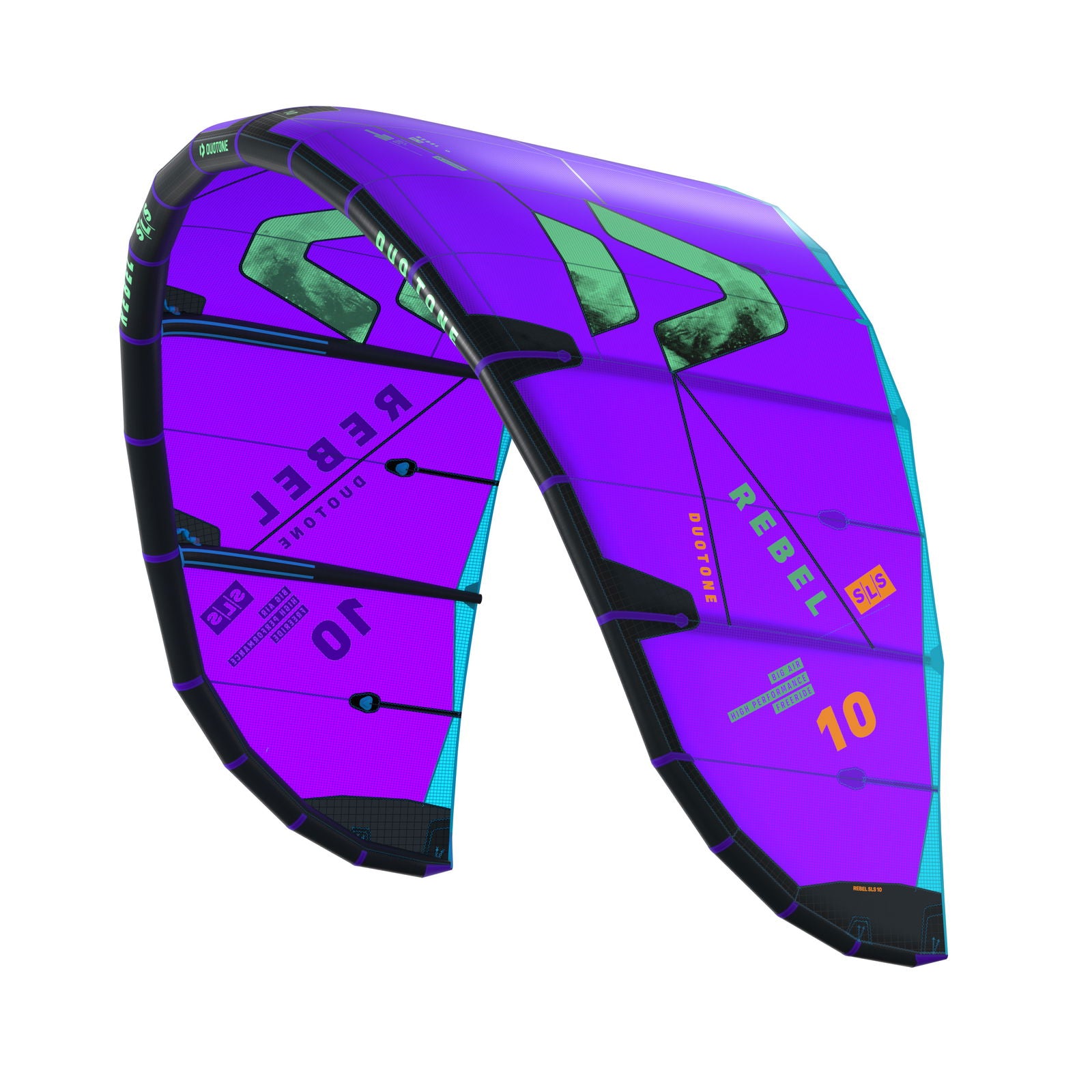
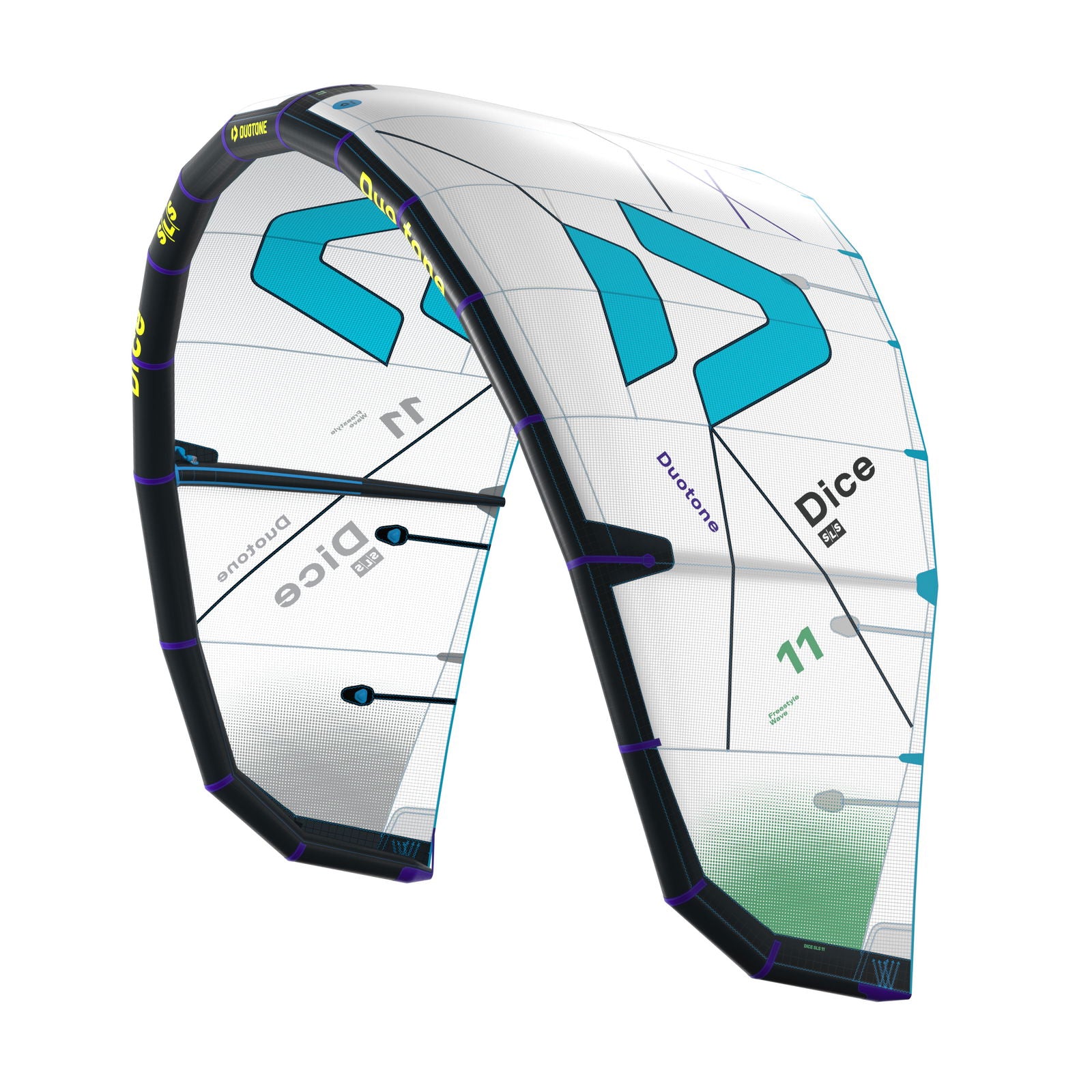
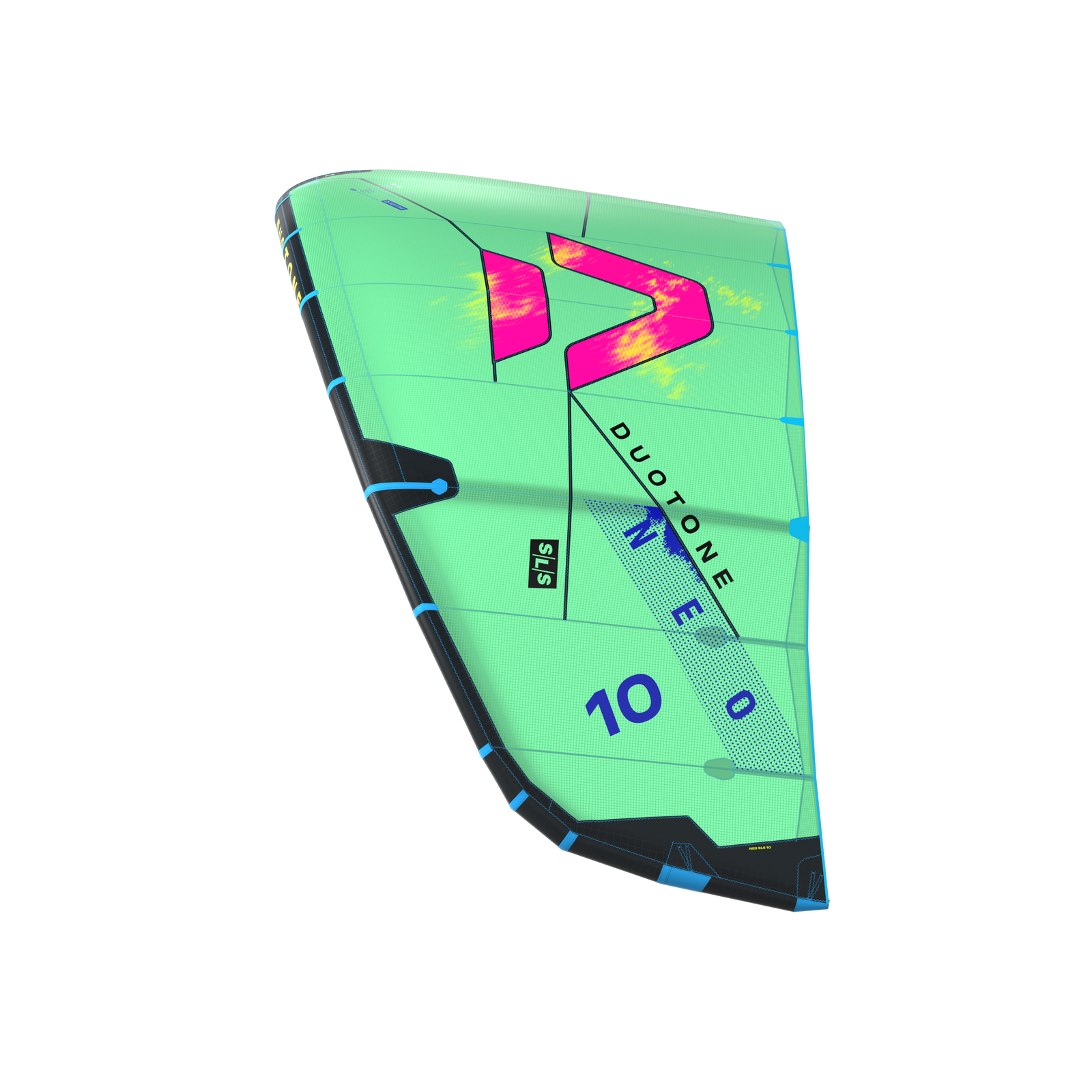
Prices and 2026 specs are pulled live from each product page. Confirm on the product page before checkout.
04 — MistakesThree mistakes we see every week
Ready to find your first wave kite?
Browse our full kitesurfing kite collection—all tested in European swell and stocked year-round.
Frequently asked
Not really. Wave boards are shorter and wider than surfboards, with footpads for kite control. A surfboard's narrower rail will feel sluggish. Go wave-specific.
Most wave kites shine between 10–25 knots. Below 10, you'll struggle to generate power. Above 25, you're better off grabbing a smaller kite (7 m²) or sitting it out in very strong wind.
You should be comfortable with flat-water kitesurfing—body dragging, edge control, and basic tricks. Then spend a session in small waves (2–3 ft) to learn how the swell changes your balance.
Yes. A typical quiver is 7, 9, and 12 m². Start with 9 or 12 m² depending on your weight and local conditions, then build from there.