Windsurfing Fitness & Training — Best Exercises for Windsurfers
Windsurfing strength isn't built in the water alone. Core stability, shoulder endurance, and balance work on land will transform your riding in 4–6 weeks—and you won't need a gym membership.
Focus on core strengthening, shoulder endurance, and balance work three times weekly for 20–30 minutes. Planks, dead bugs, pallof presses, and rotational exercises mimic the demands of holding a rig and riding waves. Bodyweight, a balance board, and resistance bands are enough.
01 — On-water demandsWhy Windsurfing Demands a Specific Fitness Approach
Windsurfing looks graceful from shore. In reality, you're holding a sail in strong wind, staying balanced on a moving board, and executing turns—all at once. Your core stabilises you as the board pitches; your shoulders fire with every gust. Your legs grip the deck during gybes. Miss fitness work on land, and you'll fatigue by mid-morning and compromise technique.
We've shipped boards to riders across Europe since 2003—and the riders who progress fastest aren't the ones with the biggest quivers. They're the ones who train off the water. A strong core translates directly to better control on a JP Ultimate Wave or Tabou board in choppy conditions.
02 — Training routineThe Core Exercises That Work
Planks (front and side, 45–60 seconds each) build the static hold you need when the wind picks up. Dead bugs teach your core to work independently of your limbs—crucial when one arm's pulling the rig and your legs are adjusting stance. Pallof presses (with a resistance band anchored at chest height) train anti-rotation, the exact force you resist mid-turn.
Add rotational medicine ball slams or cable twists for dynamic power, and single-leg balance work on a BOSU ball or balance board. Three sessions a week, 20–30 minutes each. You'll feel the difference within a month—sharper stance, longer sessions, fewer wipeouts.
03 — Our picksBest Beginner Boards for Building Fitness Skills
Once your fitness improves, you'll want a board that rewards your new strength and control. Our in-stock JP range covers all levels and styles—pick one that matches your local conditions and your body's new capabilities.
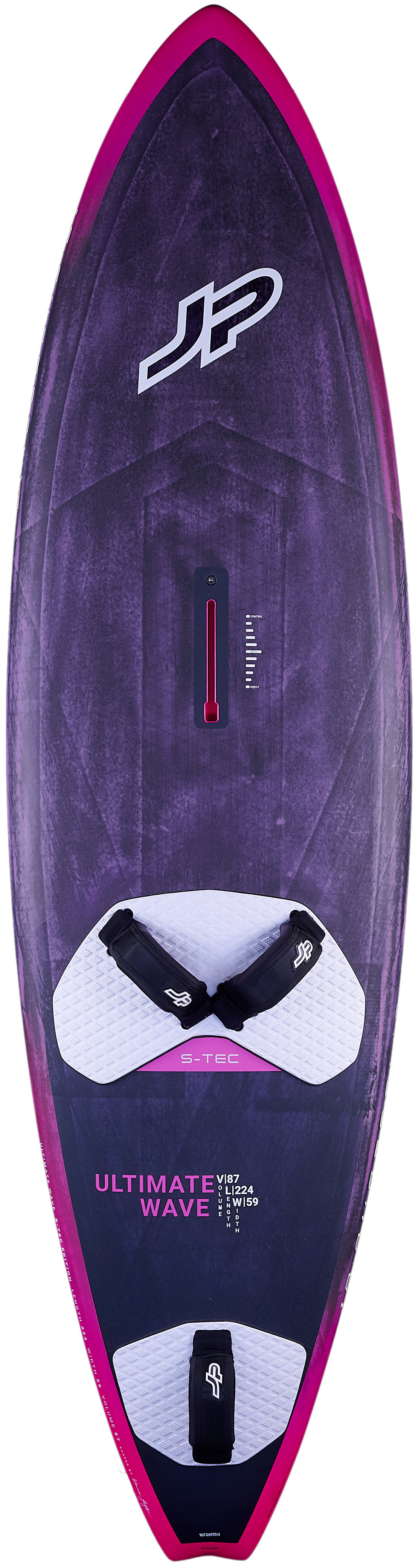
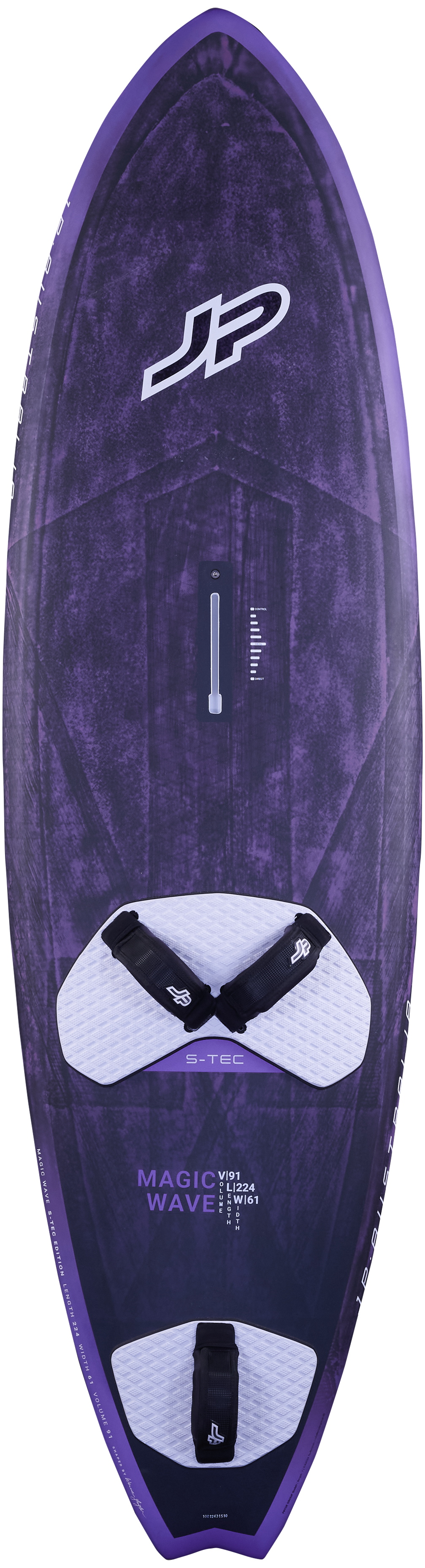
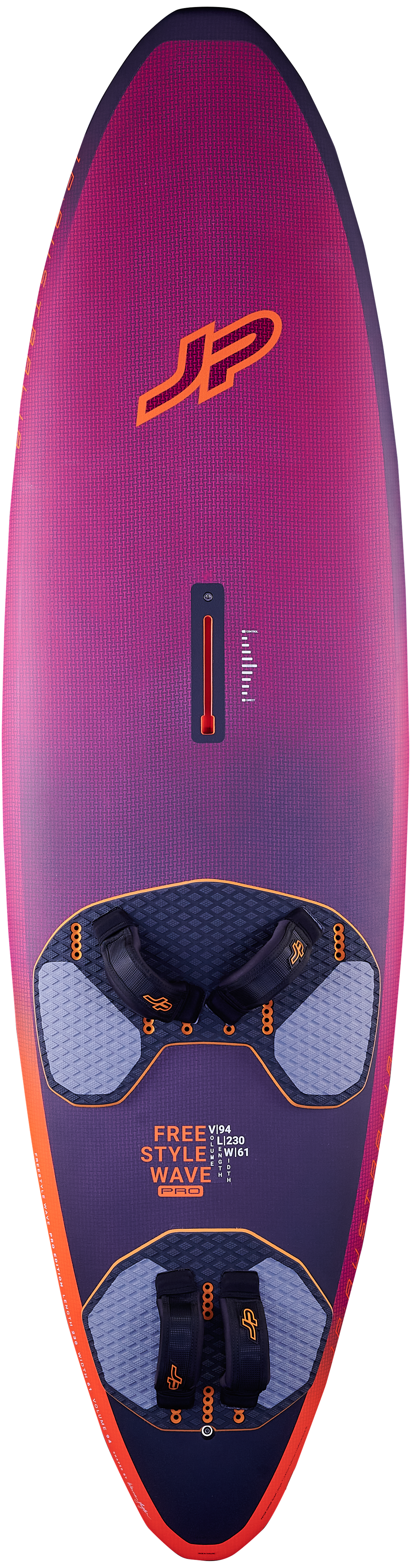
Prices and 2026 specs are pulled live from each product page. Confirm on the product page before checkout.
04 — MistakesThree mistakes we see every week
Ready to ride stronger?
Browse our range of wave, freestyle, and freeride boards—each designed for riders who train smart.
Frequently asked
4–6 weeks of consistent training (three sessions weekly). You'll feel it first in your ability to hold longer rides and recover faster between sessions.
No. Bodyweight, a resistance band, and a balance board are enough. A pull-up bar for assisted pull-ups is a bonus if you have access.
Light mobility work is fine post-session. Save harder strength training for rest days—your body adapts during recovery.
Look for boards 140–200 L with stable platforms—they're forgiving and let you focus on technique and control as your strength improves.