Wing Foil Beginner Guide - Everything You Need to Know
Wing foiling is the fastest way to get airborne on water—and it's genuinely beginner-friendly. No lines, no kite school, no launch sequence. We've put hundreds of first-timers on foils since 2003, and most are flying consistently by session five or six.
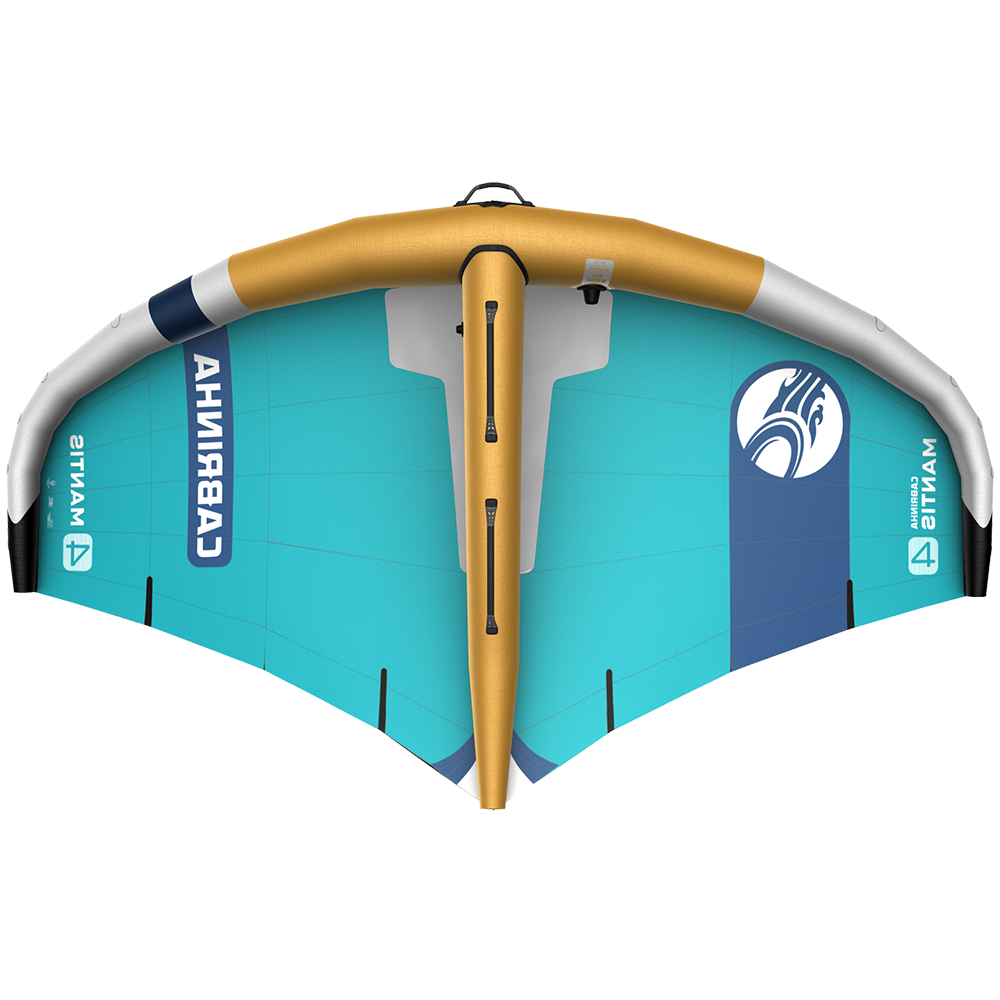
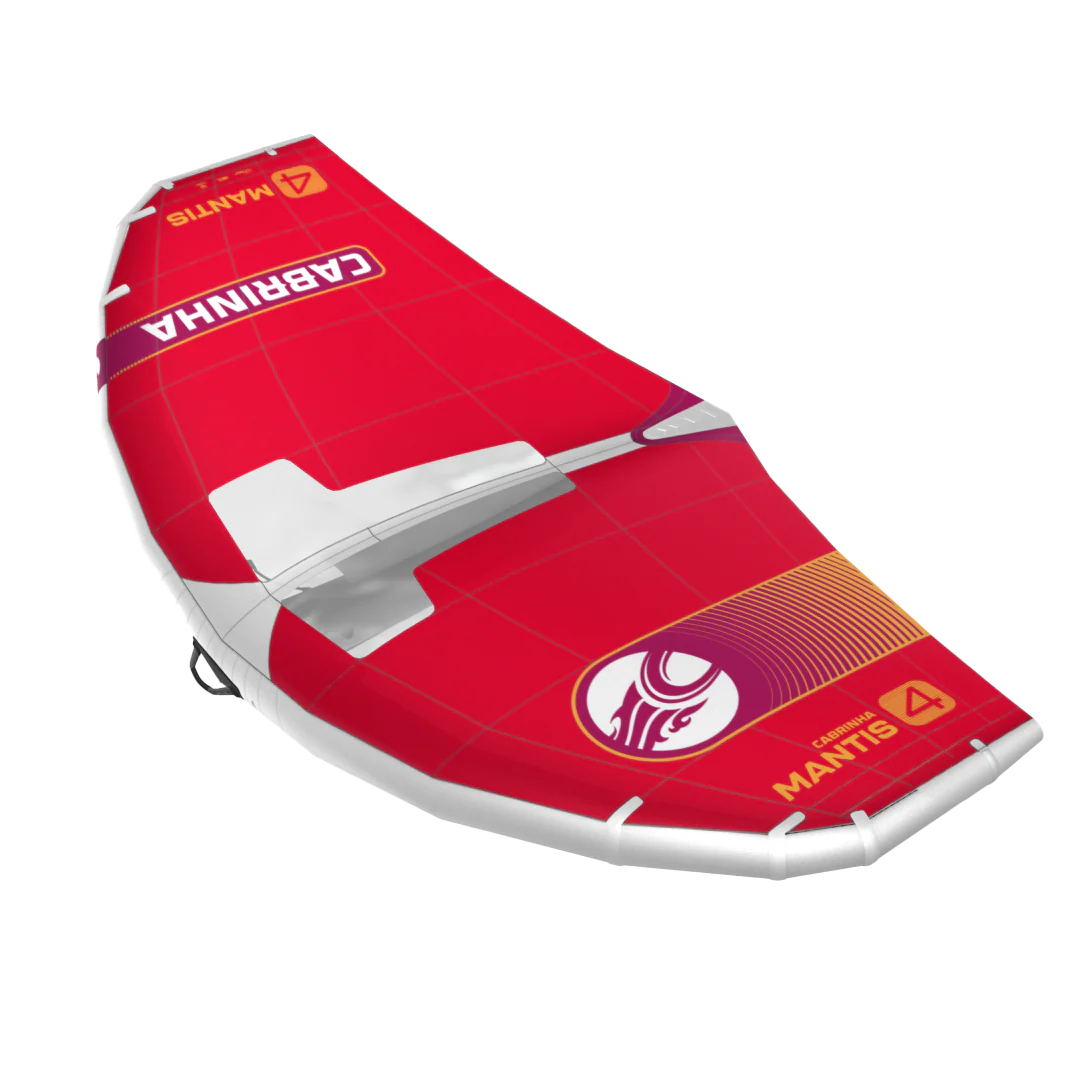
Start with a 5 m² wing (the Cabrinha Mantis 2026 is our go-to for beginners), a 100–120 litre board, and a beginner foil with 1800–2200 cm² front wing. You'll need 12+ knots of wind and flat or small-wave water.
01 — The mechanicsWhat Wing Foiling Actually Is
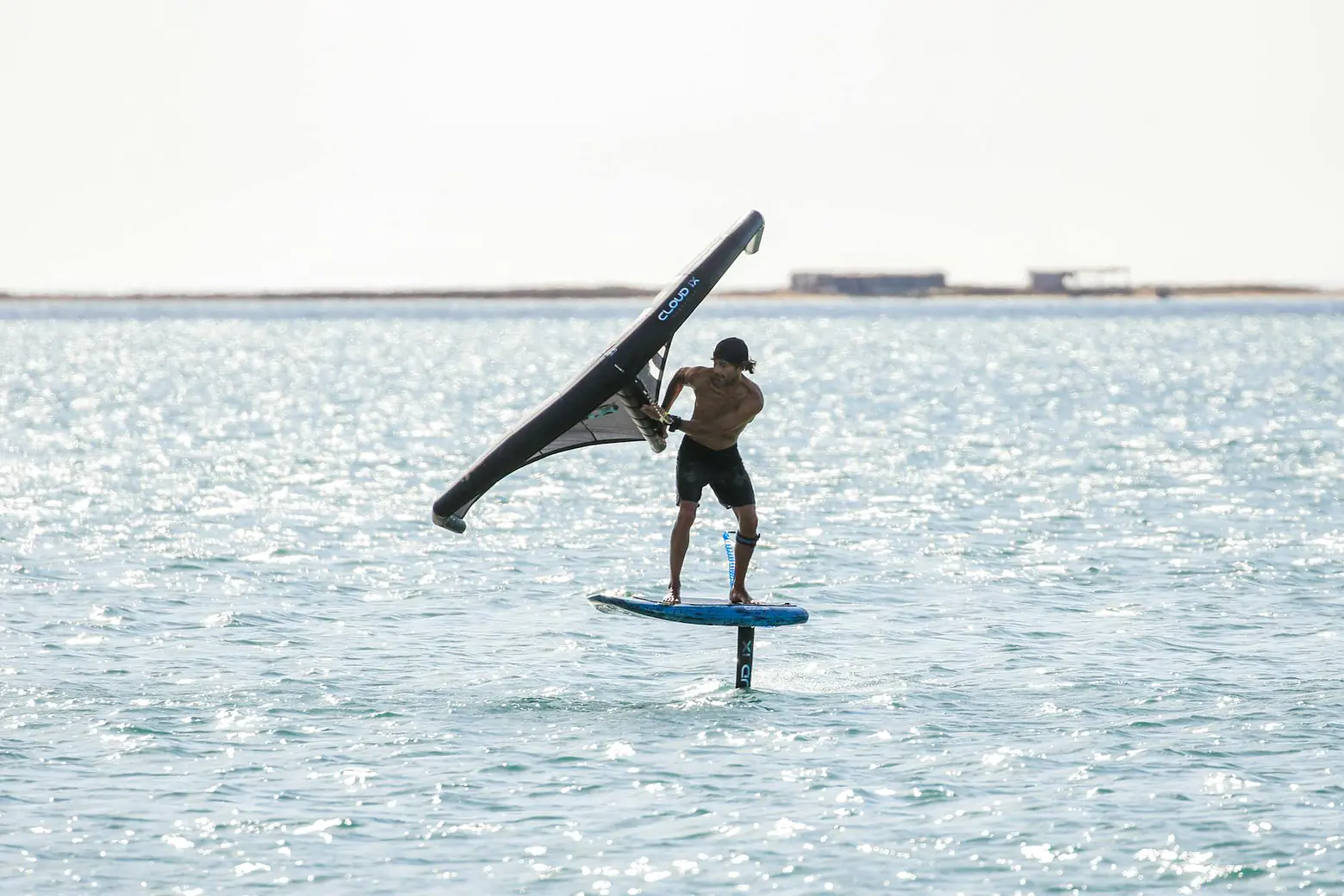
You're holding an inflatable wing—think oversized handheld kite, but without the lines—standing on a board with a hydrofoil underneath. As you build speed, the foil's front wing generates lift and pushes the board up out of the water. Once you're flying, you steer by tilting the wing, trim with your feet, and control power by angling it toward or away from the wind.
No harness. No bar. No kite lines to manage. You're 100% in control, moment to moment. That simplicity is why riders go from struggling to pop to riding cleanly in their first week.
02 — Beginner-friendlyWhy It's the Easiest Board Sport to Start
Kitesurfing demands kite schools and years of line management. Windsurfing wants you to balance a mast and boom. Wing foiling? You just hold the wing and paddle out. The learning curve compresses because you're not juggling equipment—you're learning to fly.
Most of the riders we've coached say the hardest part isn't balance or foiling: it's the mental shift that you can actually do this. Once that clicks, sessions two through five are mostly refinement. By week two, you're pointing where you want, holding altitude, and hunting for wind.
03 — Our picksOur 4 In-Stock Picks
We've chosen these four wings because they're forgiving, pop early, and handle messy water without drama. All are available now.


Prices and 2026 specs are pulled live from each product page. Confirm on the product page before checkout.
04 — MistakesThree mistakes we see every week
Ready to get flying?
Browse our full range of beginner wings, boards, and foils on the wing foil category page.
Frequently asked
Most first-timers are airborne and flying straight by session three or four. By week two, you'll be linking turns and holding line. Real progression depends on wind frequency and water quality—flat water and 15-knot days accelerate learning.
No harness needed. Some riders add one later for long sessions—it distributes arm fatigue. Start without one to learn wing feel and control.
Wing foiling starts at 12 knots. Below that, the foil won't generate enough lift. You need consistent wind; gusty or thermal conditions make learning choppy.
Don't. Twin-tip kite boards are too narrow and stiff. You need a wider, volume-friendly board built for foiling—90–120 litres for beginners. The design differences matter.