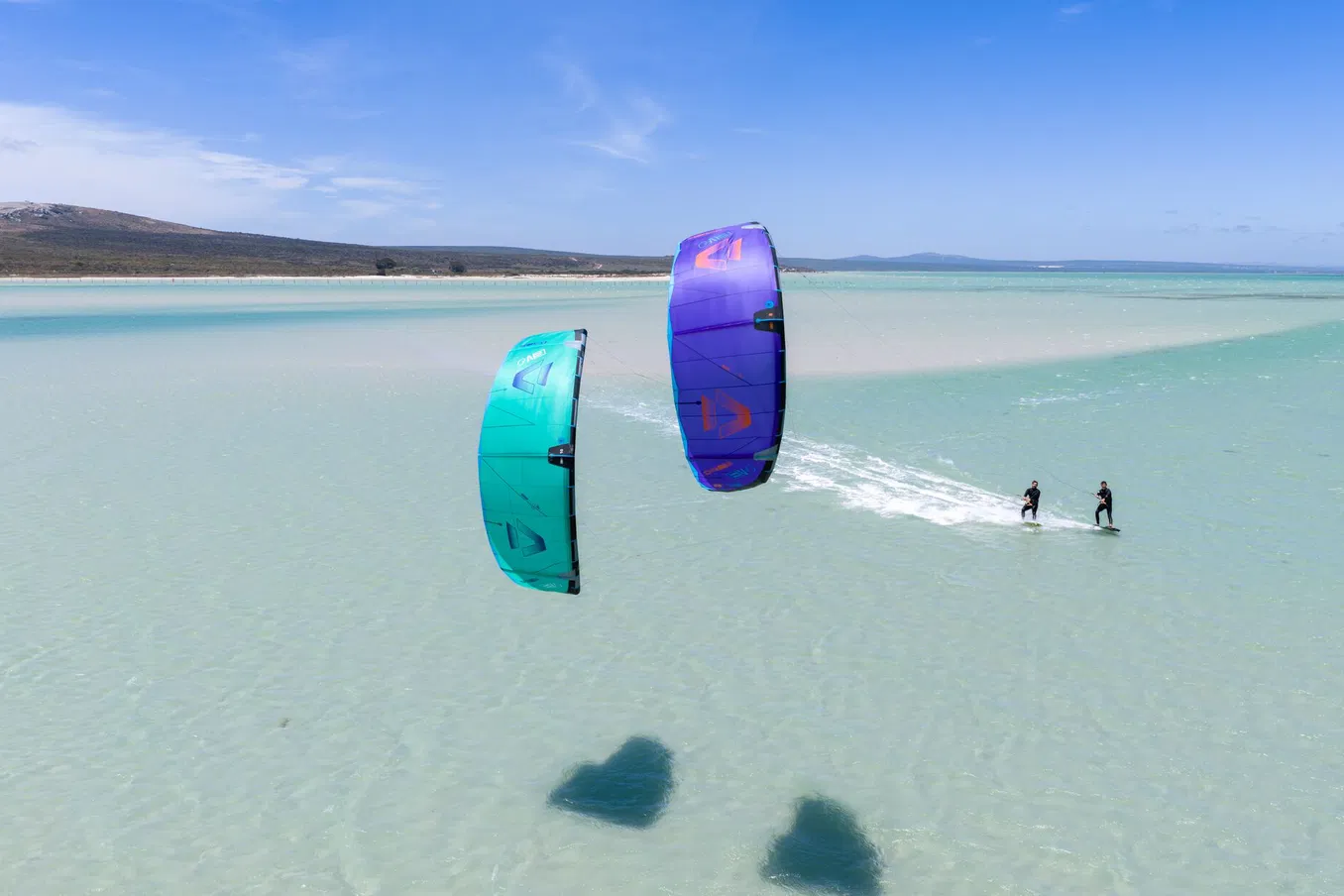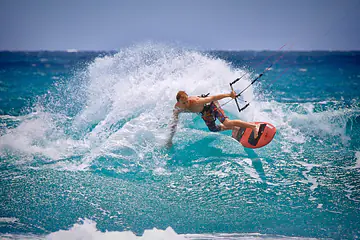
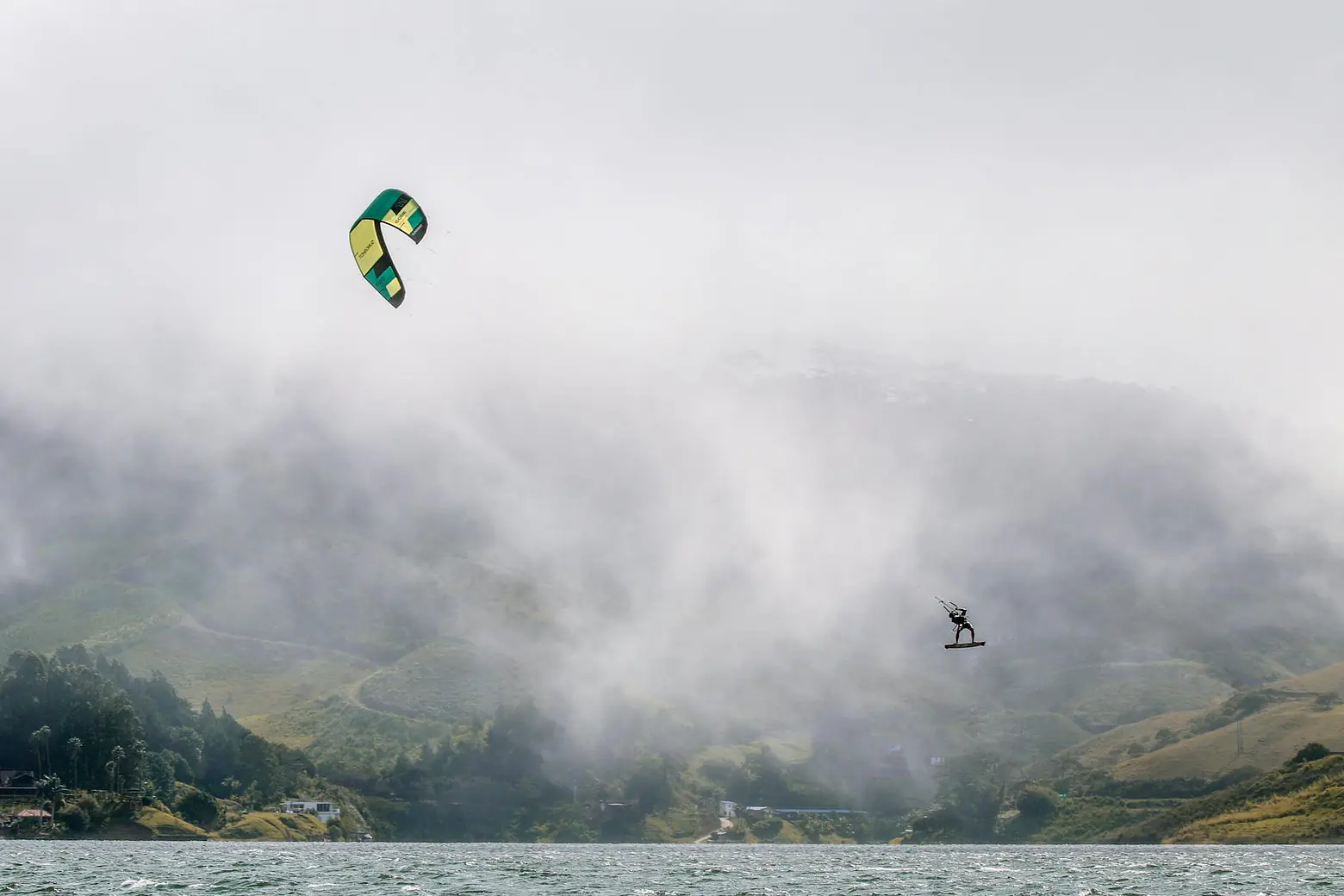
Kitesurfing Costa Brava — Best Spots Guide 2026
Costa Brava's Tramontane and Mistral winds hit 12–18 knots most days April to October—we've shipped kites there since 2003. Here's exactly which size and model you need for each spot.
Costa Brava works because of reliable 12–18 knot winds, warm water (18–24°C peak season), and variety—beach breaks for freeride, flat lagoons for freestyle, sheltered bays for learners. Grab a Duotone Evo SLS or Neo SLS for all-rounder performance, or a Dice SLS if summer thermals spike the wind.
01 — Wind and GeographyWhy Costa Brava Works for Kitesurfers
The Tramontane blows hard from the northwest in spring and autumn; the Mistral comes from the north in summer. Between them, you're looking at 12–18 knots on most days from April through October. Winter's milder, but you'll still find rideable days.
The coastline gives you everything: beach breaks around Estartit and Llafranc for freeride, flat lagoons near L'Escala for freestyle, and sheltered bays like Cala Montgó when the wind turns gnarly. Water temperature peaks at 24°C in August—a 3/2 mm wetsuit is fine most of the year.
02 — Quiver StrategyPicking the Right Kite Size for Costa Brava
You don't need a massive quiver here. A 9 m² and 12 m² covers 90% of your year. The 9 m² handles the stronger spring and autumn Tramontane (15–18 knots), while the 12 m² is your daily driver for milder summer thermals and shoulder-season lulls (12–15 knots). If you're new, start with a 12 m²—it's forgiving and versatile.
Don't bring a 7 m² unless you're chasing storm days—Costa Brava rarely drops below 12 knots. A 5 m² is pointless. If you're riding freeride or freestyle, stick with all-rounder designs like the Evo SLS or Neo SLS rather than wave-specific models.
03 — Our picksOur 4 In-Stock Picks
We've tested each of these in 12–18 knot conditions around the Balearics. Pick by your style and weight—our buyers can confirm sizing when you order.
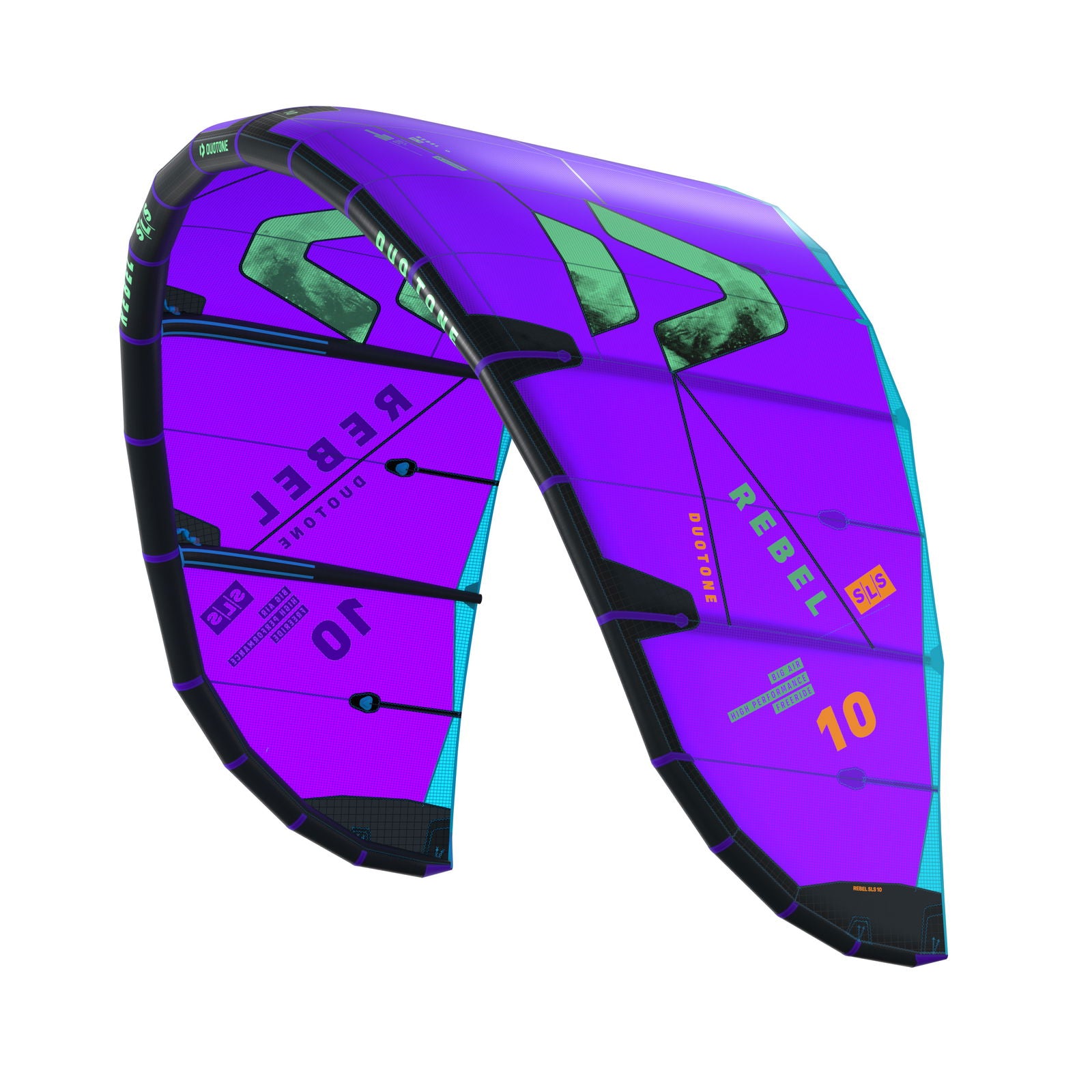
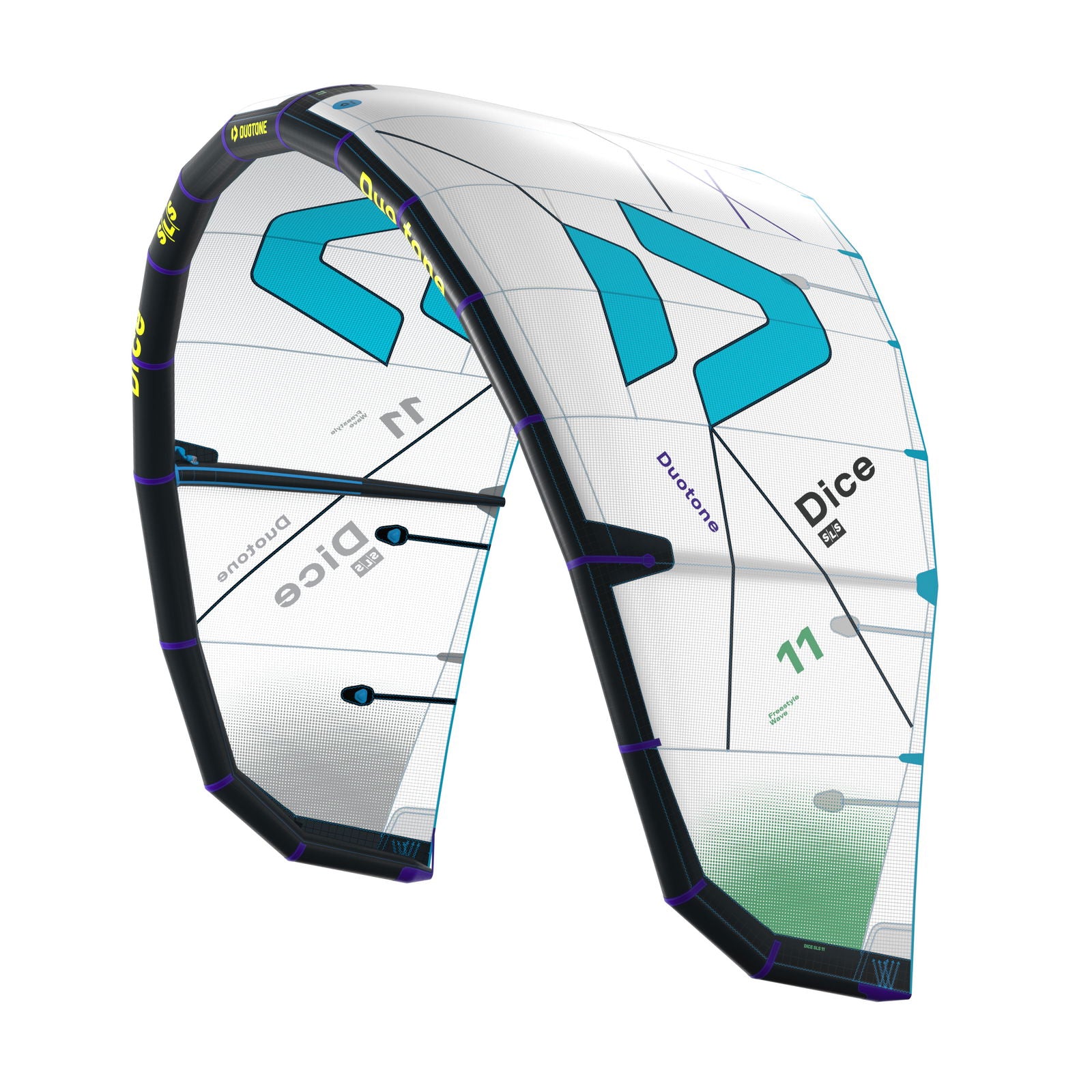
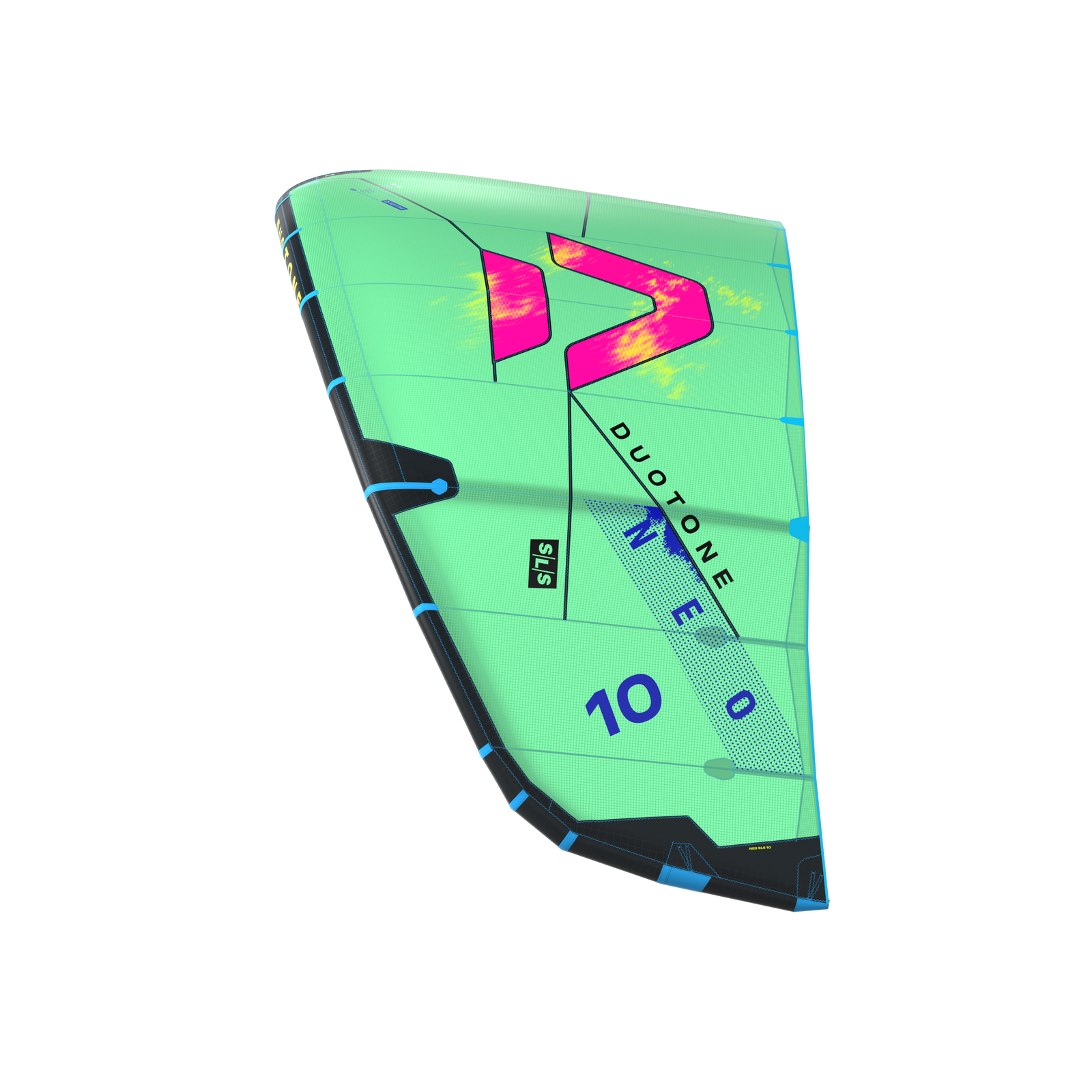
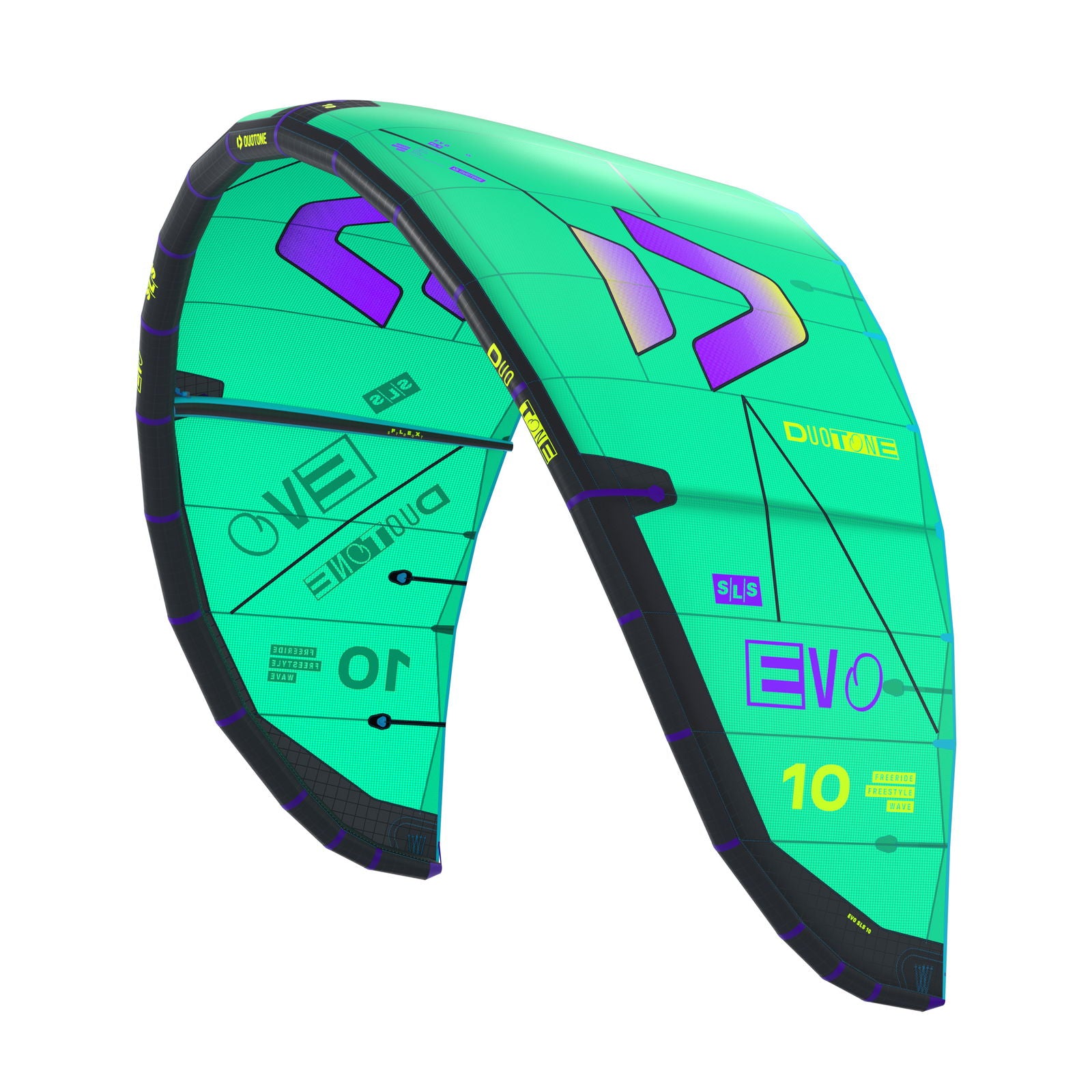
Prices and 2026 specs are pulled live from each product page. Confirm on the product page before checkout.
04 — MistakesThree mistakes we see every week
Ready to book Costa Brava?
Check our Duotone and Cabrinha kite range—all 2026 models in stock, tested by our team.
Frequently asked
Estartit and L'Escala are the hubs—easy beach access, multiple schools, and both freeride and freestyle spots. Llafranc is smaller but quieter and cleaner for waves.
April–May (spring Tramontane) and September–October (autumn Mistral) deliver the most consistent 14–18 knot winds. Summer is lighter and hotter—good for beginners, tough for tricks.
Yes, but expect lighter, more variable winds. You'll get 10–12 knot days mixed with flat spells. A 12 m² helps when the wind drops.
Not strictly. A 140–150 cm all-rounder twin-tip works both. Dedicated freestyle boards are smaller and lighter, but they're overkill for a week's holiday.