Best Kitesurfing Spots in Europe 2026 — Top 20 Destinations
Europe's best kitesurfing spots aren't myths—they're real destinations we've shipped kites to since 2003. From Tarifa's Atlantic power to Greece's glassy summers, we'll map the exact conditions, seasons, and gear you need to nail each one.
Europe's best spots split by season: winter Atlantic storms (Tarifa, Pozo Izquierdo), summer flat water (Greece, Croatia), and spring/autumn trade winds (Iceland, Portugal). Pick a 9–12 m² kite as your core size—a Duotone Evo SLS or Rebel SLS will cover 80% of conditions across all twenty destinations.
01 — Winter havensAtlantic Power — Winter Storms for Big-Air Riders
When November hits, the Atlantic pumps. Tarifa and Pozo Izquierdo (Gran Canaria) are the two non-negotiable Atlantic spots—consistent 18–28 knot winter swells with thermal lows pushing power straight across the strait. You'll want a 9 m² kite minimum here; most riders pack a 7 and 9 m² quiver for the full season.
Tarifa's shallow bay is perfect for learning in storm conditions because you can find protected pockets. Pozo, though? That's where big-air happens. The beach break pulls consistent ground swells, and the wind window is enormous. Riders tell us the best sessions run January through March when Atlantic lows stack up weekly.
Pack warm. Water temps drop to 12–14°C by January, so you'll need a 5/4 mm wetsuit minimum. We've shipped thousands of Duotone and Cabrinha kites to Tarifa since 2003—the spot's been calling for solid freestyle-freestyle hybrid gear for two decades.
02 — Thermal seasonsSummer Flat Water — Mediterranean and Adriatic for Freestyle
June through August, the Mediterranean turns flat and thermal. Greece—especially the Aegean islands like Naxos and Paros—sees consistent afternoon sea breezes pushing 14–20 knots off glassy water. Croatia's Adriatic coast (Bol on Brač, Viganj near Pelješac) offers the same thermal setup with even fewer crowds.
Flat water is your freestyle laboratory. You want a responsive, light-handling kite here—the Duotone Dice SLS is built for this exact mission: tricks, landings, and precision in light, consistent wind. A 12 m² is the sweet spot for 14–18 knot thermals when you're 65–85 kg. Beginners pushing 80 kg should dial a 12 m²; lighter riders can go 9 m².
Water temps are warm (22–25°C), so a 2/2 mm or even boardshorts work. The real skill here is reading the thermal window—it's dead calm at dawn, pumps from 2 pm onward, and often dies by sunset. Plan your travel around afternoon sessions.
03 — Our picksSpring & Autumn Trade Winds — Iceland, Portugal & Beyond
April–May and September–October deliver the most reliable trade-wind pattern across northern Europe. Iceland (Húsavík Bay), Portugal's Algarve, and Brittany see steady 16–25 knot winds with water temps between 10–18°C.
These seasons reward all-around quivers: 9 m² and 12 m² kites cover you everywhere. We recommend the Duotone Neo SLS for beginners hitting these spots—it's forgiving in variable wind and won't punish mistakes in choppy Atlantic water.
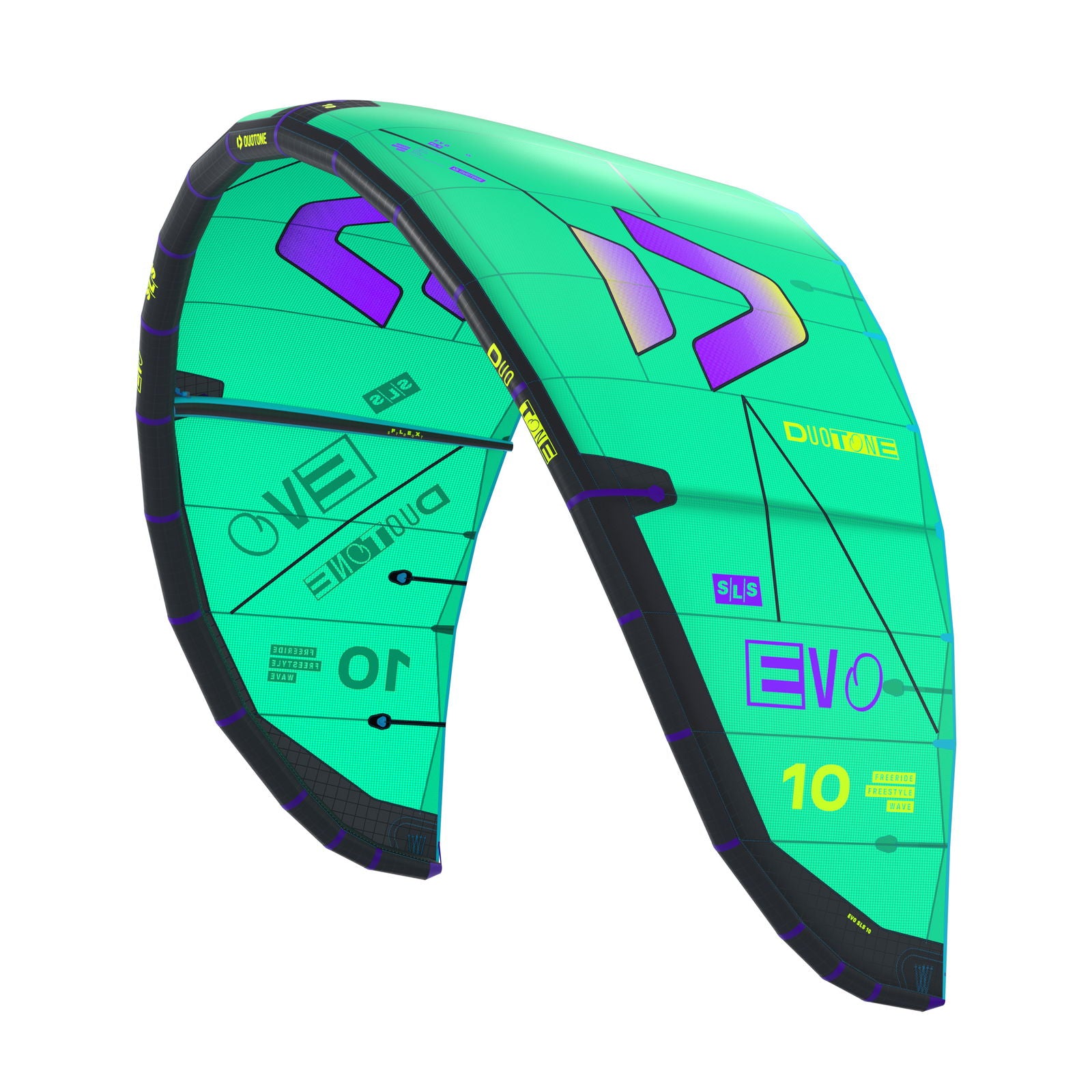
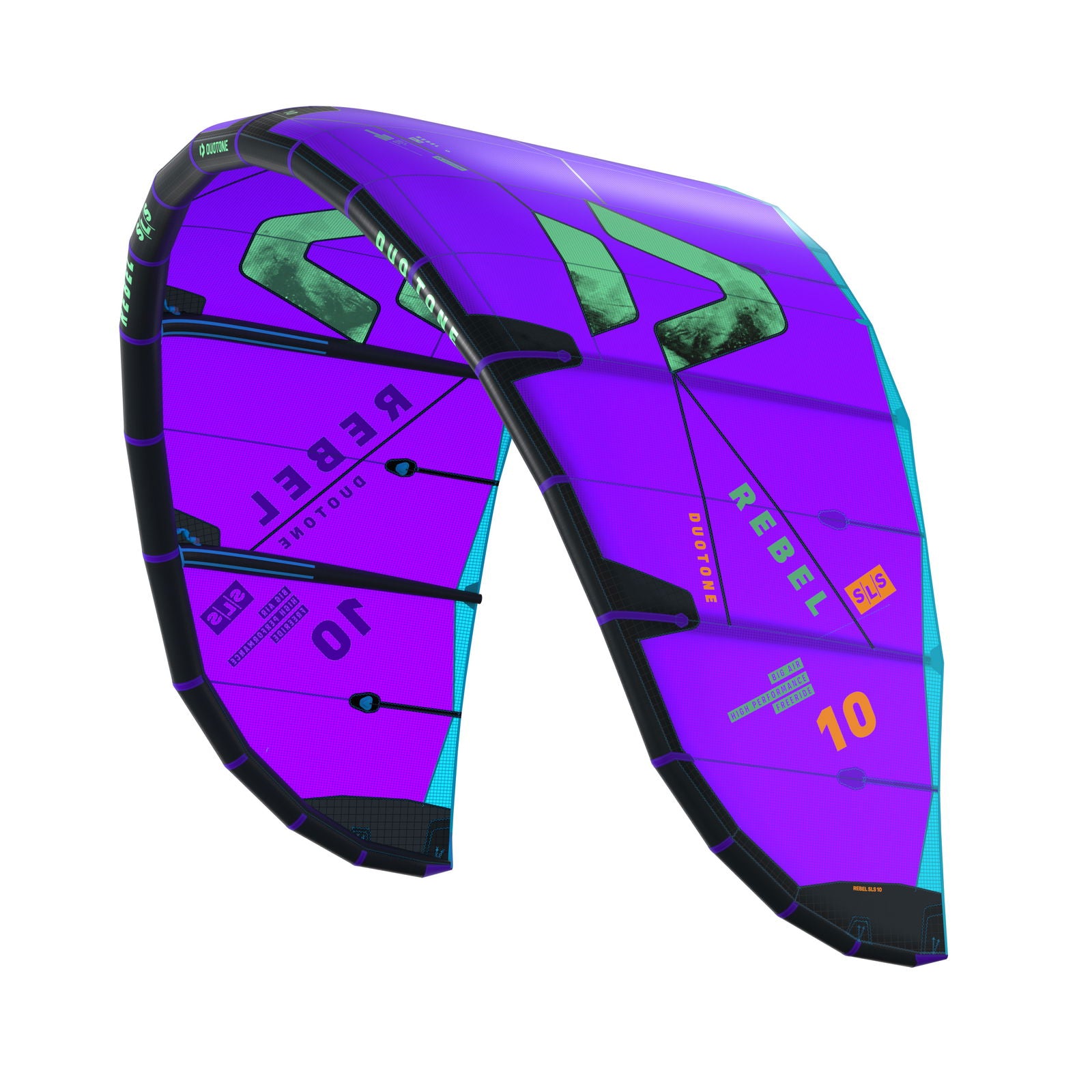
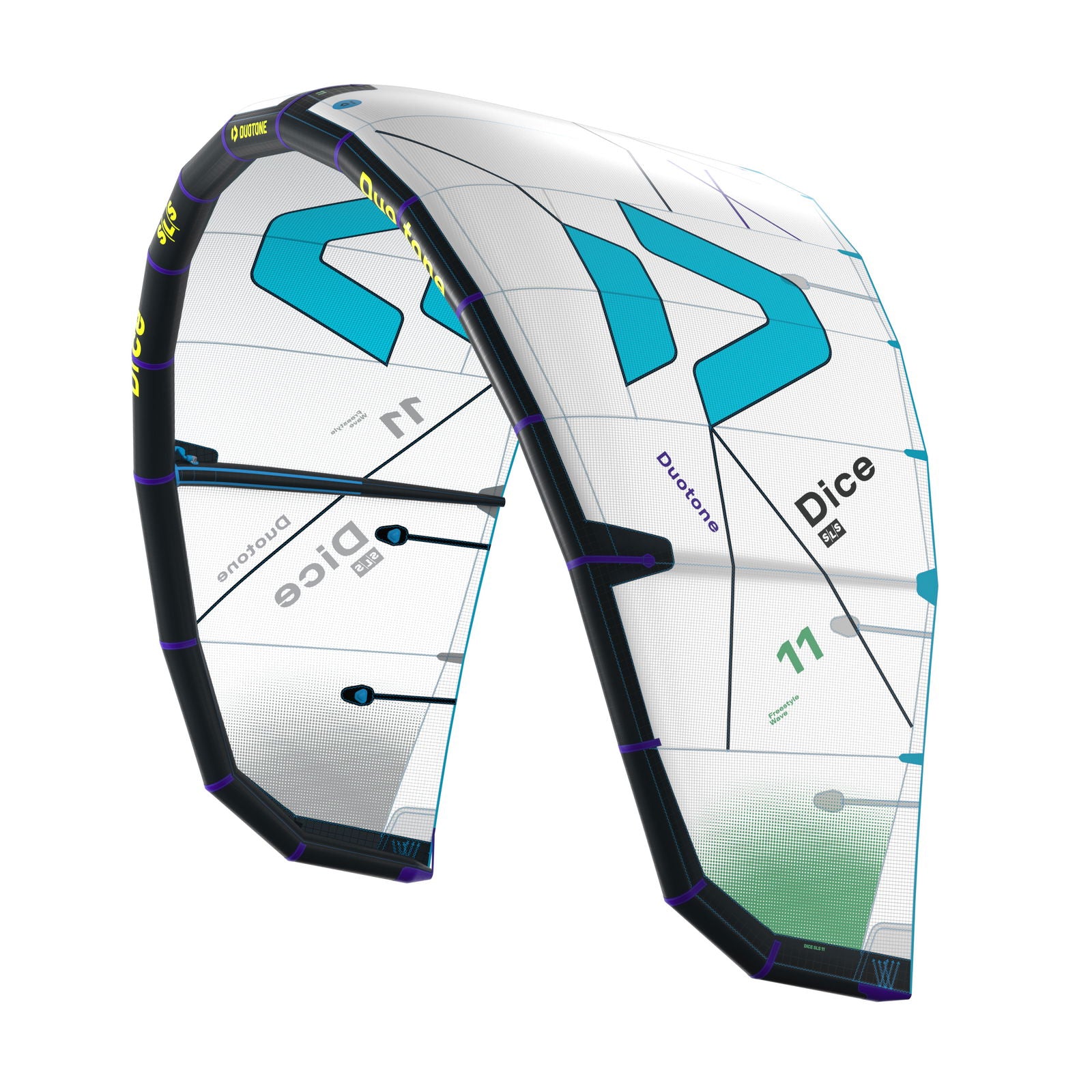
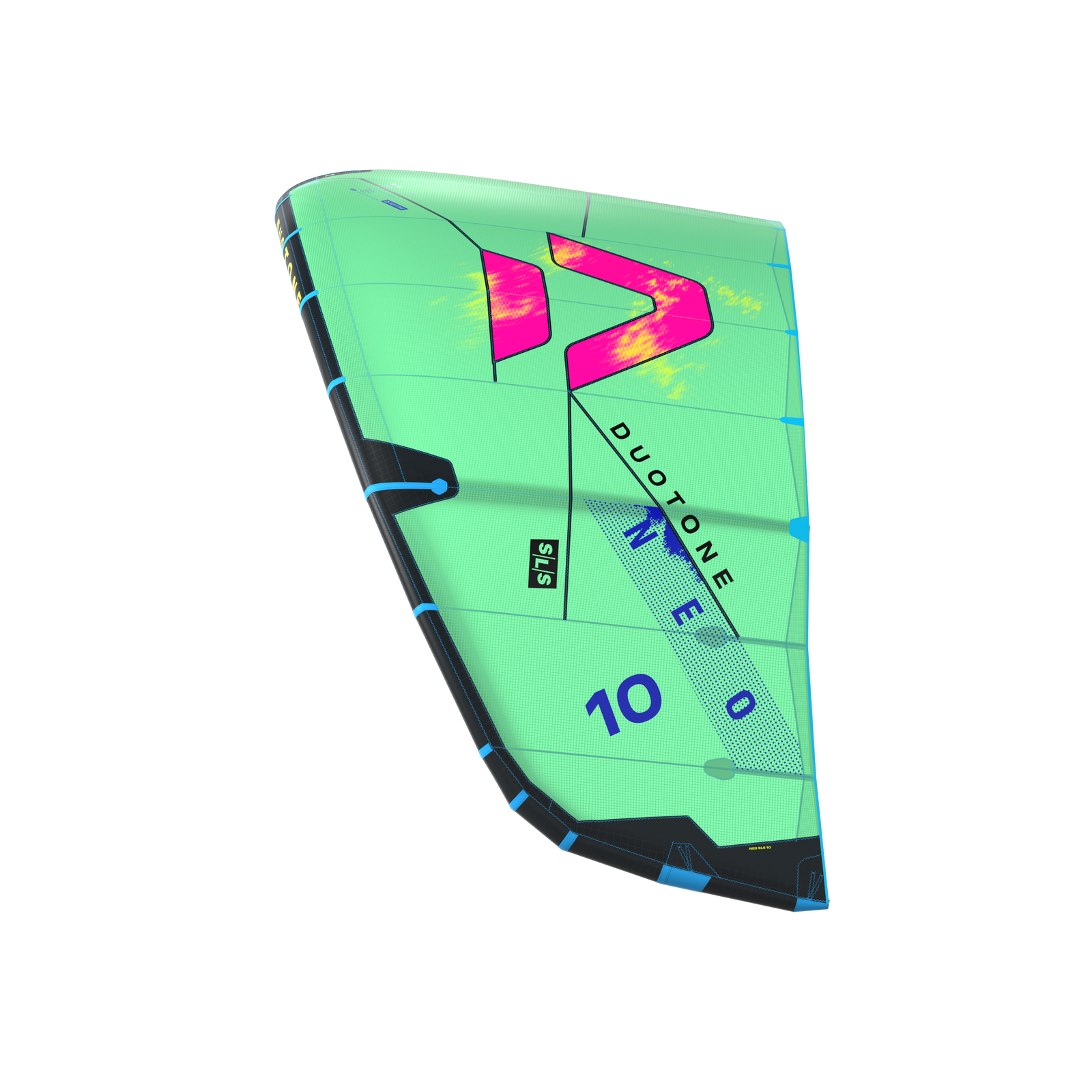
Prices and 2026 specs are pulled live from each product page. Confirm on the product page before checkout.
04 — MistakesThree mistakes we see every week
Ready to dial in your European quiver?
Browse our 2026 kite stock—Duotone, Cabrinha, and Gaastra—sized for every season and condition across the continent.
Frequently asked
A 9 m² and 12 m² quiver covers 85% of European conditions year-round. If you're hitting winter Atlantic (Tarifa) and summer Mediterranean (Greece) in one trip, add a 7 m² for the Atlantic storms.
It's the most consistent and accessible. Pozo Izquierdo (Gran Canaria) matches it for wind but adds swell. Both are equally valid—pick based on what you want: protected bay sessions (Tarifa) or swell and big-air (Pozo).
July–August thermals in the Mediterranean can get very light and patchy. Winter Atlantic (November–February) brings storms and cold water—bring a warm wetsuit. Spring and autumn are safest for beginners.
Not necessarily. A solid all-rounder like the Duotone Evo SLS or Rebel SLS works across all European conditions. Specialist kites (freestyle, race, big-air) matter only once you're targeting one discipline at one spot.