What Are the Risks of Kitesurfing? — Safety Guide
Kitesurfing isn't inherently reckless—but it demands respect. Falls, kite strikes, being dragged offshore, equipment failure: they're all real risks. This guide walks you through what actually happens and how to stay safe.
The main risks are impact injuries (falls, kite strikes), water hazards (rip currents, offshore drift), and equipment failure (bridle snap, bar malfunction). Most happen to riders who skip instruction or ignore wind forecasts. A certified instructor, helmet, and impact vest cut injury risk dramatically.
01 — Real crash scenariosWhat Actually Happens: The Three Injury Types
Impact injuries are the most common. You crash hard, your kite yanks you across the water, or a gust sends you airborne and you land on your edge. Ribs, shoulders, wrists take the hit. We've seen riders walk away from these, and we've seen hospital trips. The difference? Usually a helmet and whether they knew how to fall.
Water hazards are slower-burning. Rip currents pull you offshore. You're tired, the wind drops, and suddenly you're further out than you planned. Hypothermia creeps in faster than you'd think—even in summer, a 4/3 wetsuit only buys you so much time. Being dragged is real too: a kite malfunction + a stuck bar can pin you underwater or pull you miles downwind before you release.
Equipment failure happens when bridles snap, bars jam, or lines fray unnoticed. A Duotone kite from 2026 is built to handle this better than older gear, but no kite is immune. Regular checks catch 90% of problems before they matter.
02 — Training, gear, conditionsHow to Actually Prevent Each Risk
Start with a certified instructor. Not YouTube, not your mate's quick lesson. A real school teaches you how to read wind, bail safely, and recover from a lost kite. It sounds obvious, but riders who skip this step are in the hospital statistics we don't talk about.
Wear a helmet and impact vest every session—no excuses on small-wind days. The Duotone Neo SLS or Duotone Dice SLS are solid kites for learning, but they won't save you from a face-first wipeout. A 5mm helmet and padded vest will. Keep your bar in good shape: check the safety release, keep lines from tangling, replace bridles if they fray. A 9 m² kite in 12 knots is forgiving; an 11 m² in 18 knots isn't. Respect the forecast. Rip currents kill because riders don't plan for wind drops—know your exit before you launch.
03 — Our picksOur 4 In-Stock Picks
These four are built for control and forgiveness—whether you're learning or refining technique. Each has certification and bridle reliability that matters when conditions get sketchy.
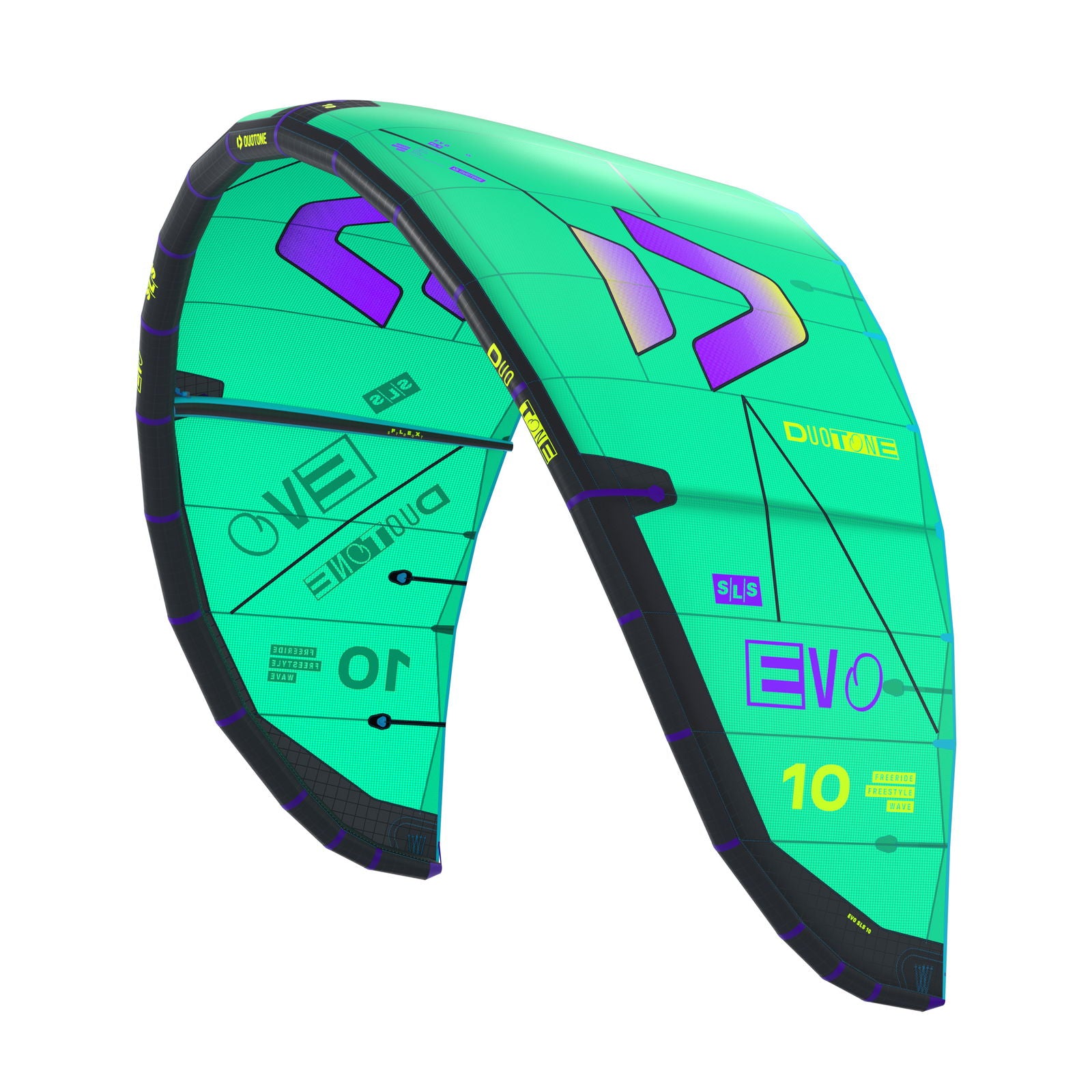
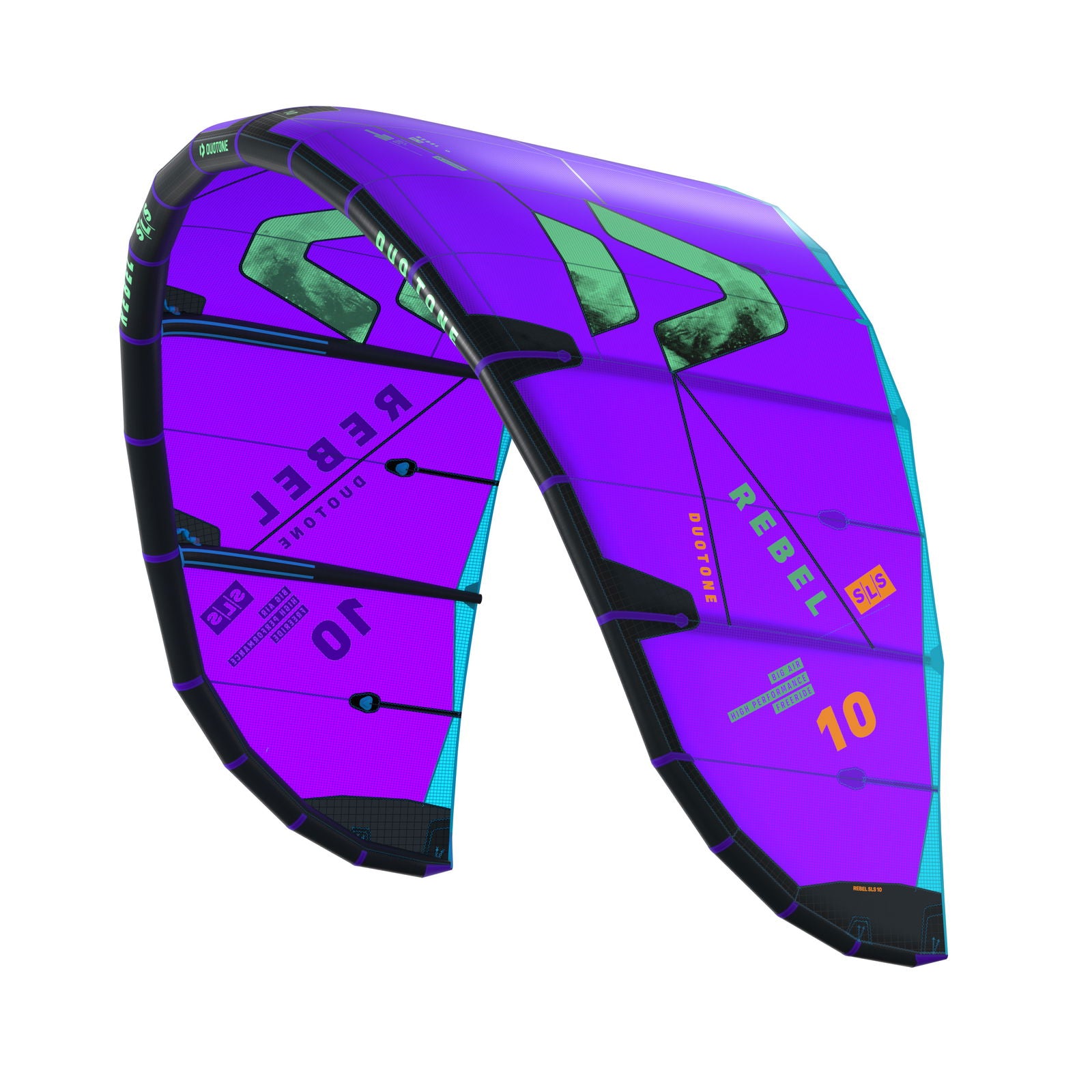
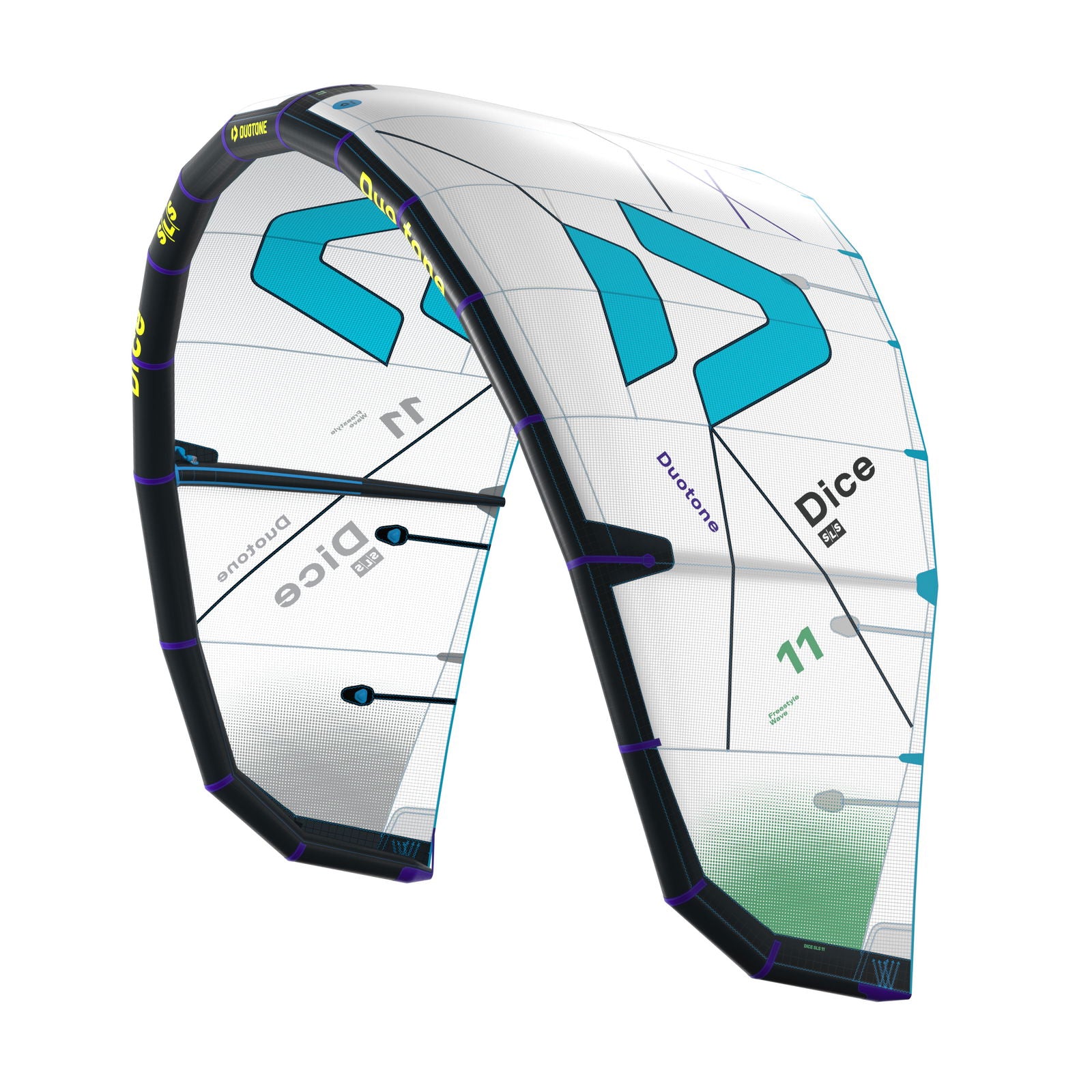
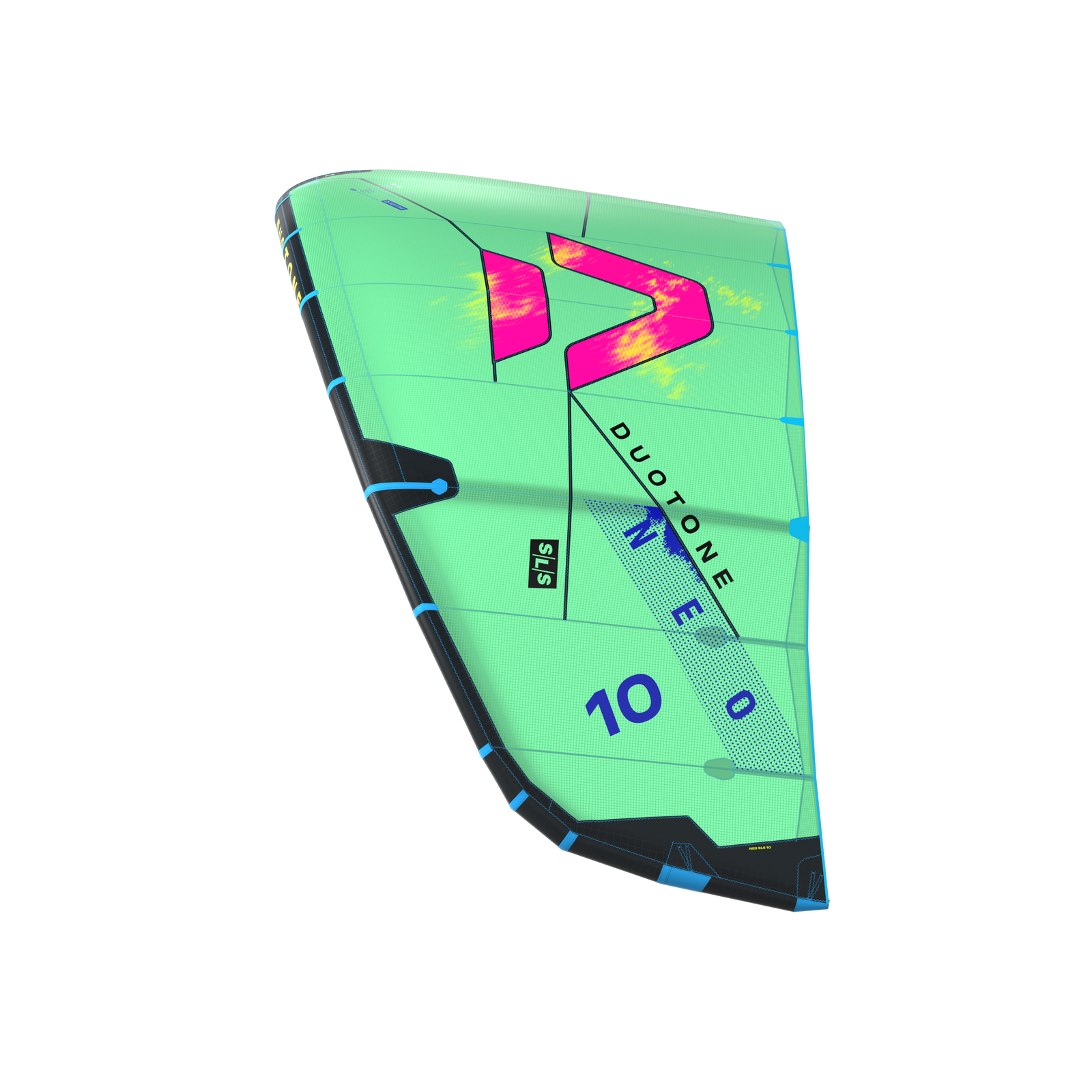
Prices and 2026 specs are pulled live from each product page. Confirm on the product page before checkout.
04 — MistakesThree mistakes we see every week
Ready to ride safe?
Browse our Duotone, Cabrinha, and Gaastra kites—all tested for control and reliability.
Frequently asked
Yes. Impact vests are optional for advanced riders; helmets are not. We stock them for a reason: they work.
A 9 m² or 11 m² in 12–18 knots. The Duotone Neo SLS at 9 m² is forgiving. As you progress, add a 12 m² for lighter winds and a 7 m² for stronger days.
Once a year if you ride 3+ times weekly. Check them every session—if you see fraying or splits, replace sooner. Duotone and Cabrinha bridles are reliable but not immune to wear.
Safe range is 10–35 knots depending on kite size and your weight. Under 10 knots, most kites won't generate lift. Over 35 knots, control gets hard and risk spikes fast.