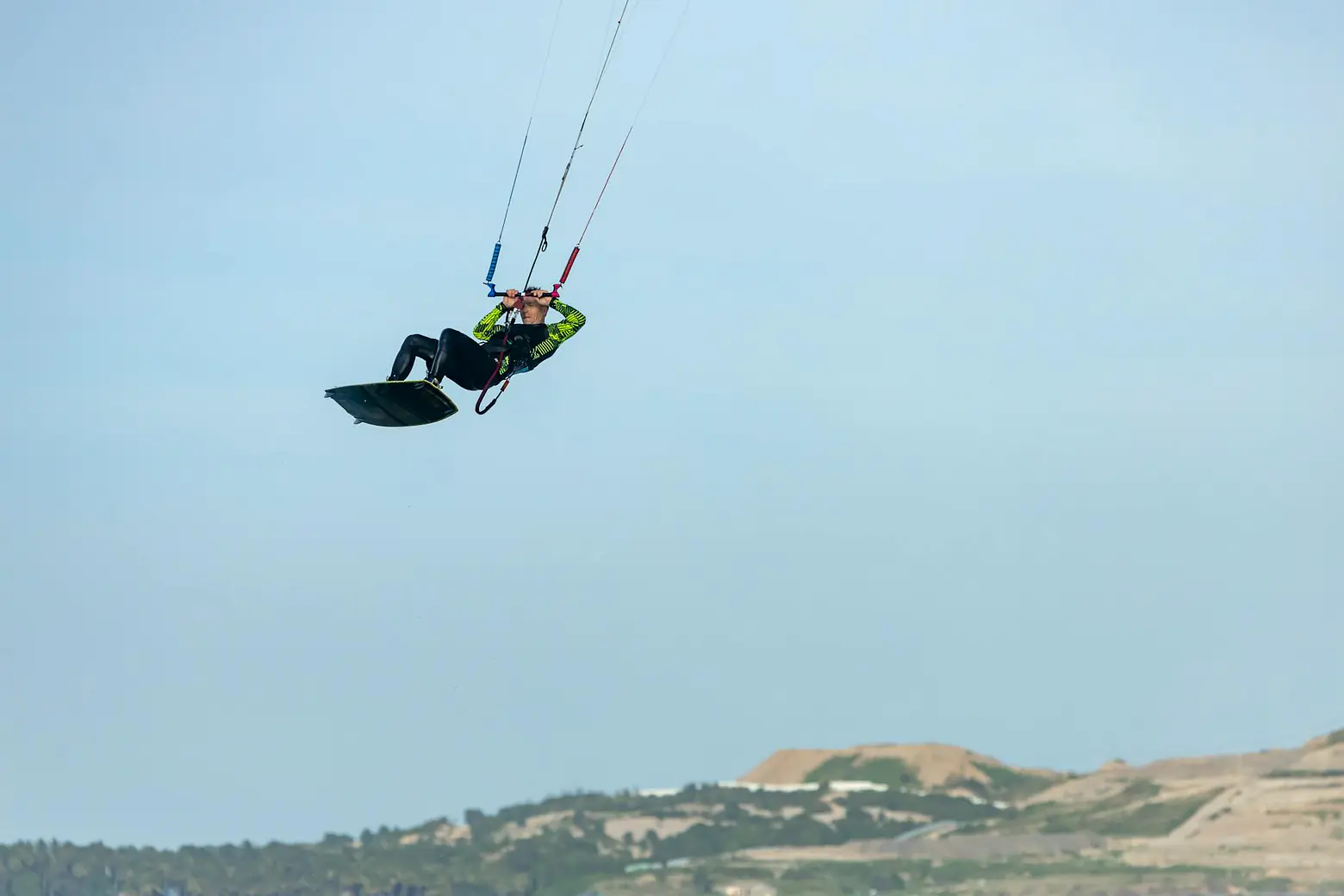
How to Avoid Being Overpowered Kitesurfing — Safety & Technique
Getting overpowered kills your session—and your confidence. The fix isn't complicated: right kite size, solid depower stroke, and honest wind reading. Here's how we keep riders in control.
Stay powered but not pinned by matching kite size to actual wind gusts (not forecasts), mastering the depower stroke to dump power instantly, and reading wind pressure changes in real time. Start one size smaller than you think you need—our team runs the Duotone Evo SLS 2026 for exactly this reason: predictable, easy-to-depower platform.
01 — SizingPick a Kite Size That Matches Reality, Not Forecasts
This is the biggest single mistake we see. You check the wind forecast, see 15 knots, and grab your 14 m². Then the gusts hit 20 knots and you're getting dragged downwind like a rag doll.
Forecasts lie. What matters is what you feel on the water right now. If you're a 70–90 kg rider in 12–16 knot winds, a 9 m² kite is your sweet spot—not a 12 m². If gusts push into the 18–20 knot range, you'll still have control. The moment you upsize beyond the actual conditions, you lose your ability to depower fast enough when a gust hits.
Our rule: pick the size that lets you still hold an edge and carve in the top end of today's wind range. Not tomorrow's forecast. Not last week's conditions. Today.
02 — TechniqueMaster the Depower Stroke—Your Instant Off Switch
The depower stroke is your hand brake. When a gust hits and you feel the kite pulling hard, you dump the bar toward your body—not a quick yank, but a smooth, controlled move that flattens the kite's angle and kills lift instantly. It's the difference between staying in control and being dragged.
Practice this on land or in light wind first. Grab the bar, feel the tension, then push it away. Then pull it back. Now reverse: pull the bar hard toward your stomach. That depower move should feel automatic before you get on the water in gusty conditions. A kite like the Duotone Rebel SLS 2026 or Duotone Neo SLS 2026 will respond to that input fast—they're built for it.
When you're powered up and a big gust comes, don't fight it. Depower, ride it out, then edge away to regain balance.
03 — Our picksOur 4 In-Stock Picks for Staying Powered, Not Pinned
All four of these live in our quiver because they handle power delivery predictably—no sudden surprises in a gust. Pick your size based on your weight and the top-end wind you'll actually see today.
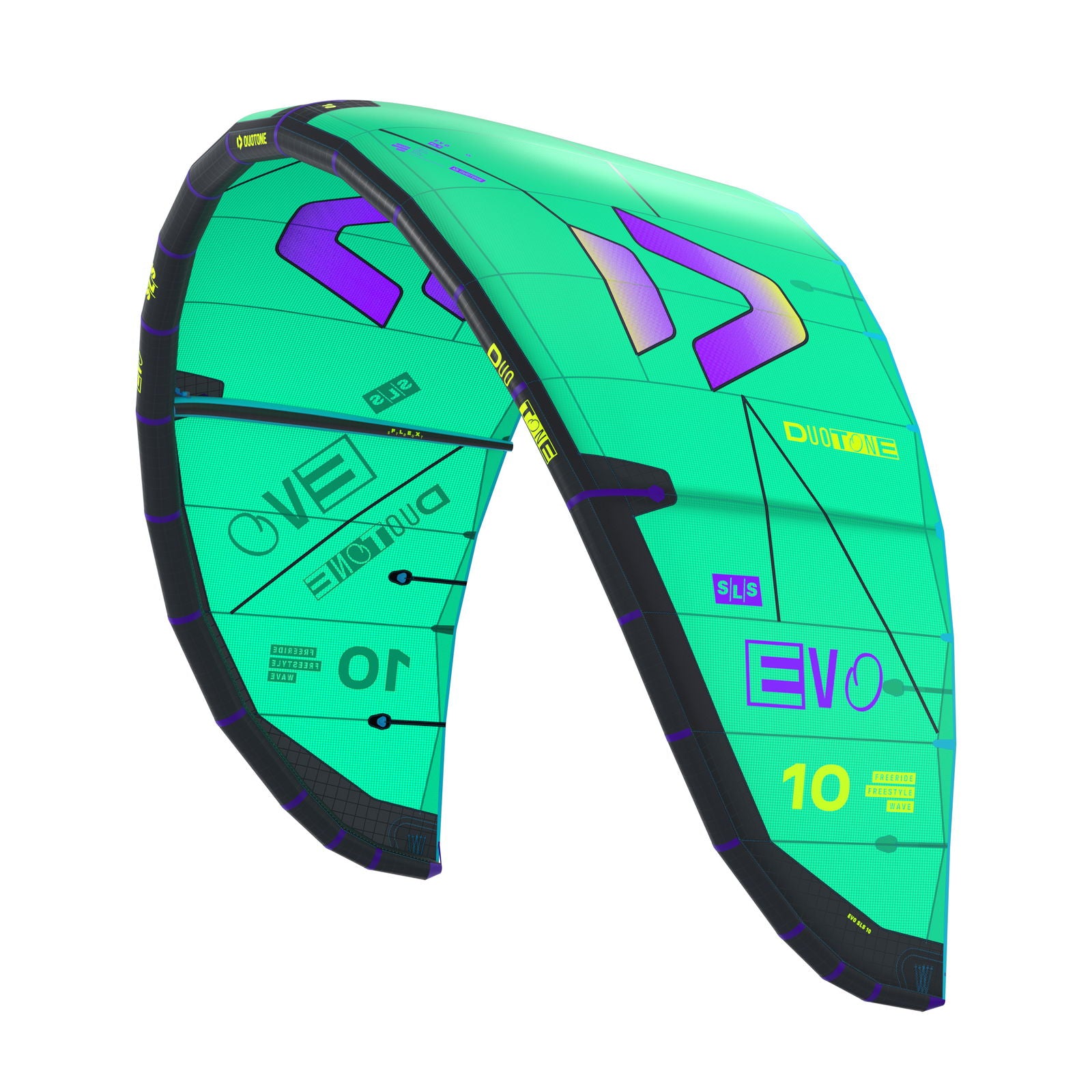
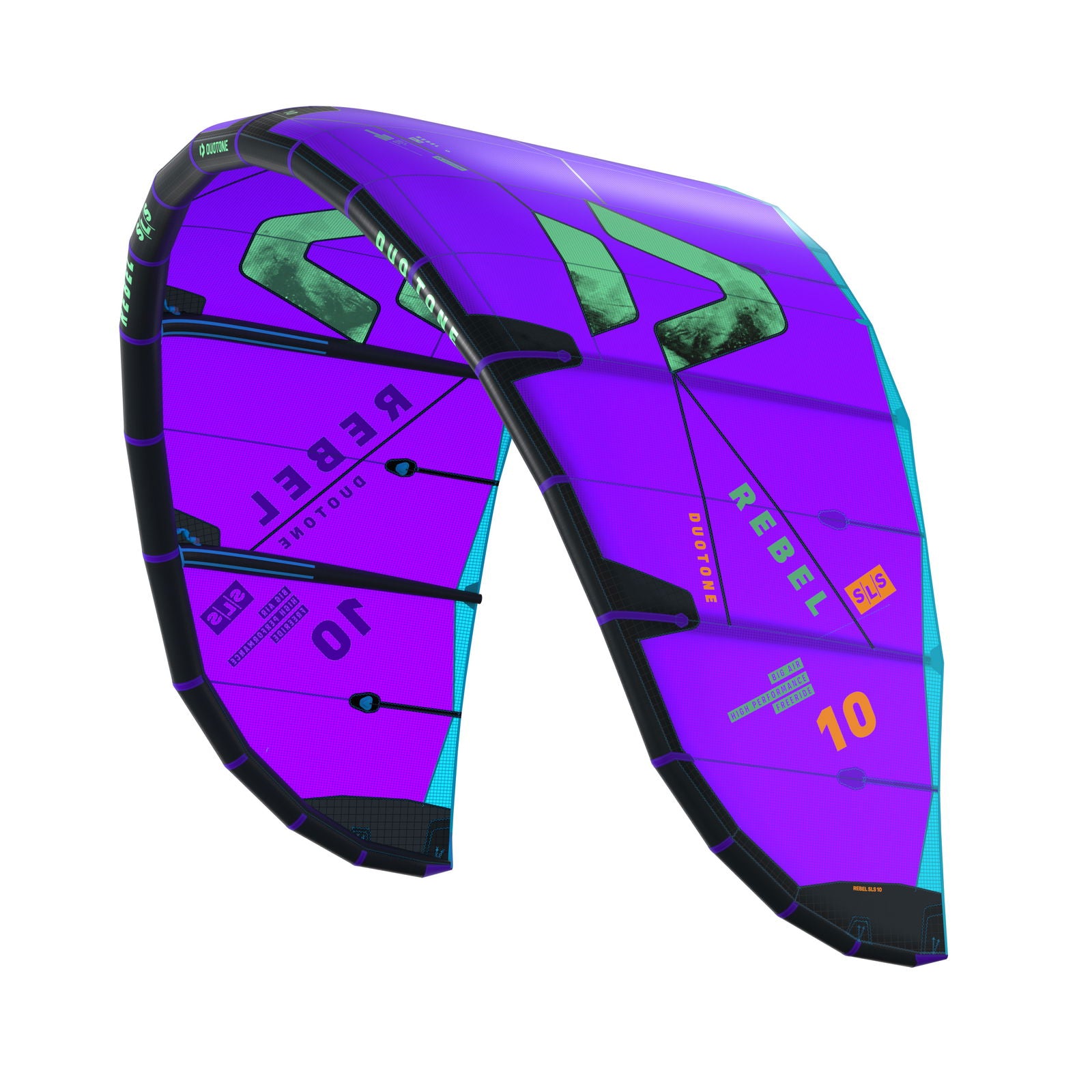
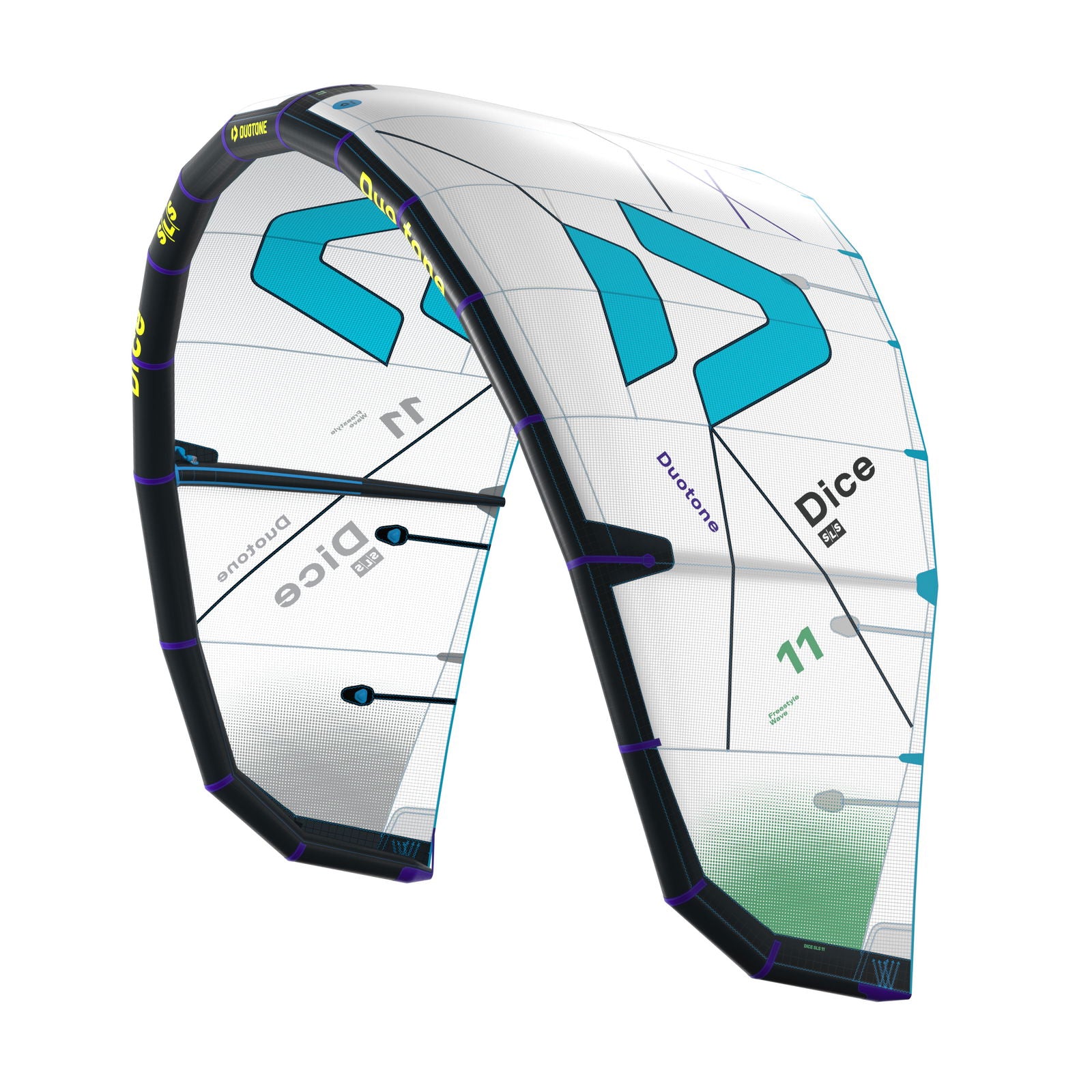
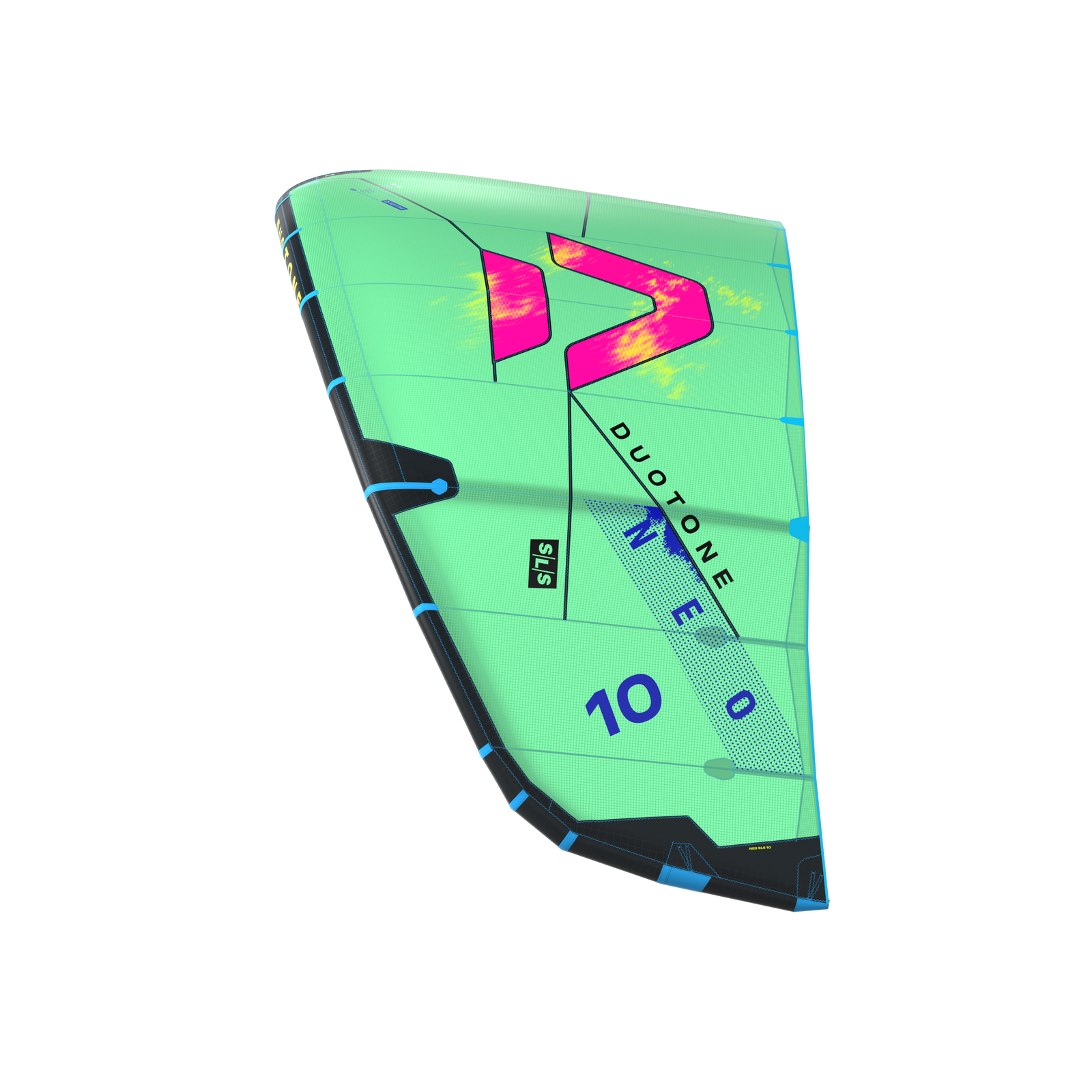
Prices and 2026 specs are pulled live from each product page. Confirm on the product page before checkout.
04 — MistakesThree mistakes we see every week
Ready to get the right size?
Browse our full kite range and find the quiver that matches your local wind.
Frequently asked
If you weigh 70–90 kg and typically ride in 12–16 knots, a 9 m² is perfect. Add a 12 m² for lighter days and a 7 m² for gustier sessions once you're ready to build a quiver.
Yes. Duotone and Cabrinha both offer SLS models tuned for responsive depower. Avoid older or entry-level designs if you're concerned about power management.
Overpowered feels like constant pull on the bar and difficulty holding an edge. Tired feels heavy in your legs and core. If the bar is trying to rip your arms out, you're overpowered—downsize or depower harder.
No. 15 knots and 25 knots demand different sizes. One kite rarely covers more than a 5–8 knot range comfortably. That's why quivers exist.