Sea Breeze & Thermal Wind — Kitesurfing Guide
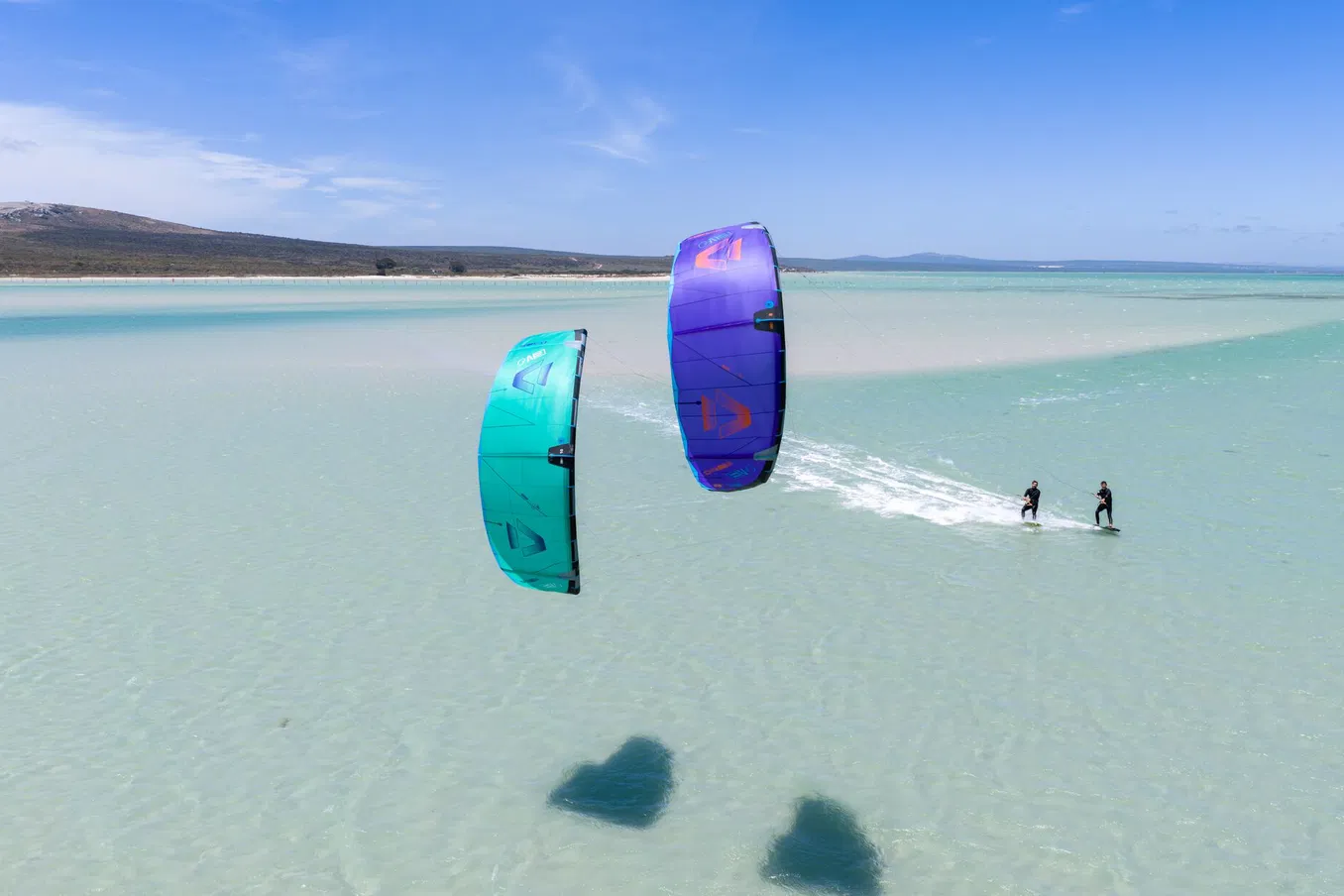
Thermal sea breezes are the most reliable wind on the European coast—predictable, smooth, and perfect for progression. We'll show you how to read them, where to find them, and which kite will carry you through every session.
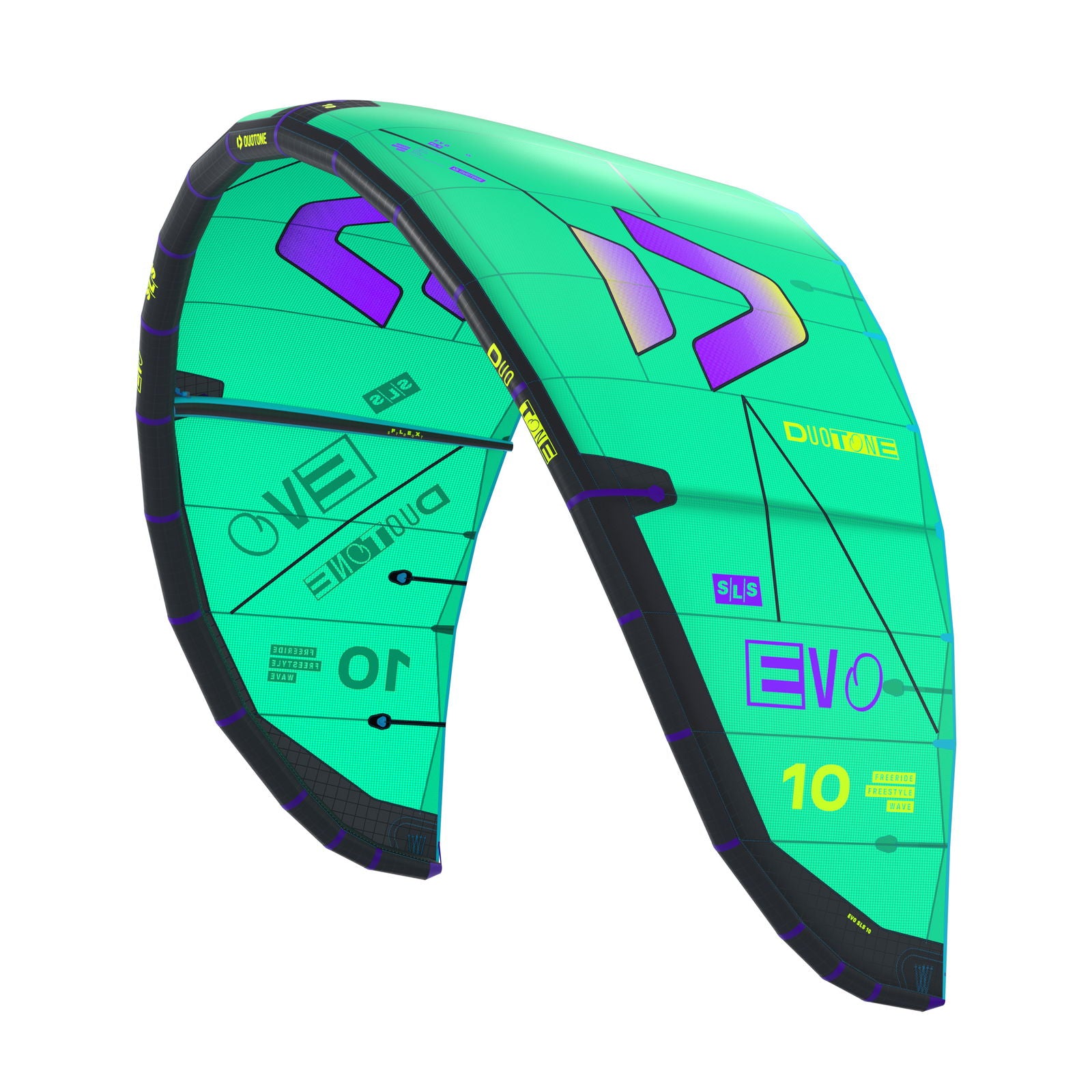
Thermal sea breezes build from mid-morning as the sun heats land, pulling cooler air from the sea. You get 8–16 knots of smooth wind with minimal chop. Grab a large freeride or all-around kite (12–17 m²) and you'll have the most consistent learning days of your year. The Duotone Evo SLS 2026 handles this range beautifully.
01 — Wind ScienceHow Thermal Sea Breezes Form
Here's what's happening: the sun heats the land faster than the sea. Warm air rises inland, creating a low-pressure zone. Cool air from the ocean rushes in to fill it—that's your thermal breeze. The cycle starts around 10 a.m., builds through midday, and peaks between 2–4 p.m. before fading as the temperature difference shrinks at sunset.
Thermals are smooth because they're driven by a simple pressure gradient, not by weather systems or terrain chop. You won't get 25-knot gusts followed by flat spells. Instead, you get steady 12–16 knot winds that let you focus on technique instead of chasing conditions.
02 — Size & TypeChoosing Your Kite for Thermals
Thermals sit in that sweet spot for larger kites. You're not racing—you're cruising and learning tricks. A 12–17 m² all-around or freeride kite gives you the lift and control to stay powered in light patches and handle the occasional gust without diving the bar.
If you're under 70 kg, a 12 m² is your workhorse. Over 75 kg, lean toward 14–17 m². The beauty of thermals is the wind doesn't swing wildly, so you won't need a quiver—one large kite covers most days. We've sent hundreds of riders to Tarifa and Cape Town with a single 12 m² and a 9 m² for strongwinds. For thermals alone, the 12 m² does 80% of the work.
03 — Our picksOur 4 In-Stock Picks
We've chosen four Duotone 2026 models that excel in smooth, thermal conditions. Each handles the 12–16 knot range with different strengths—pick the one that matches your weight and riding style.
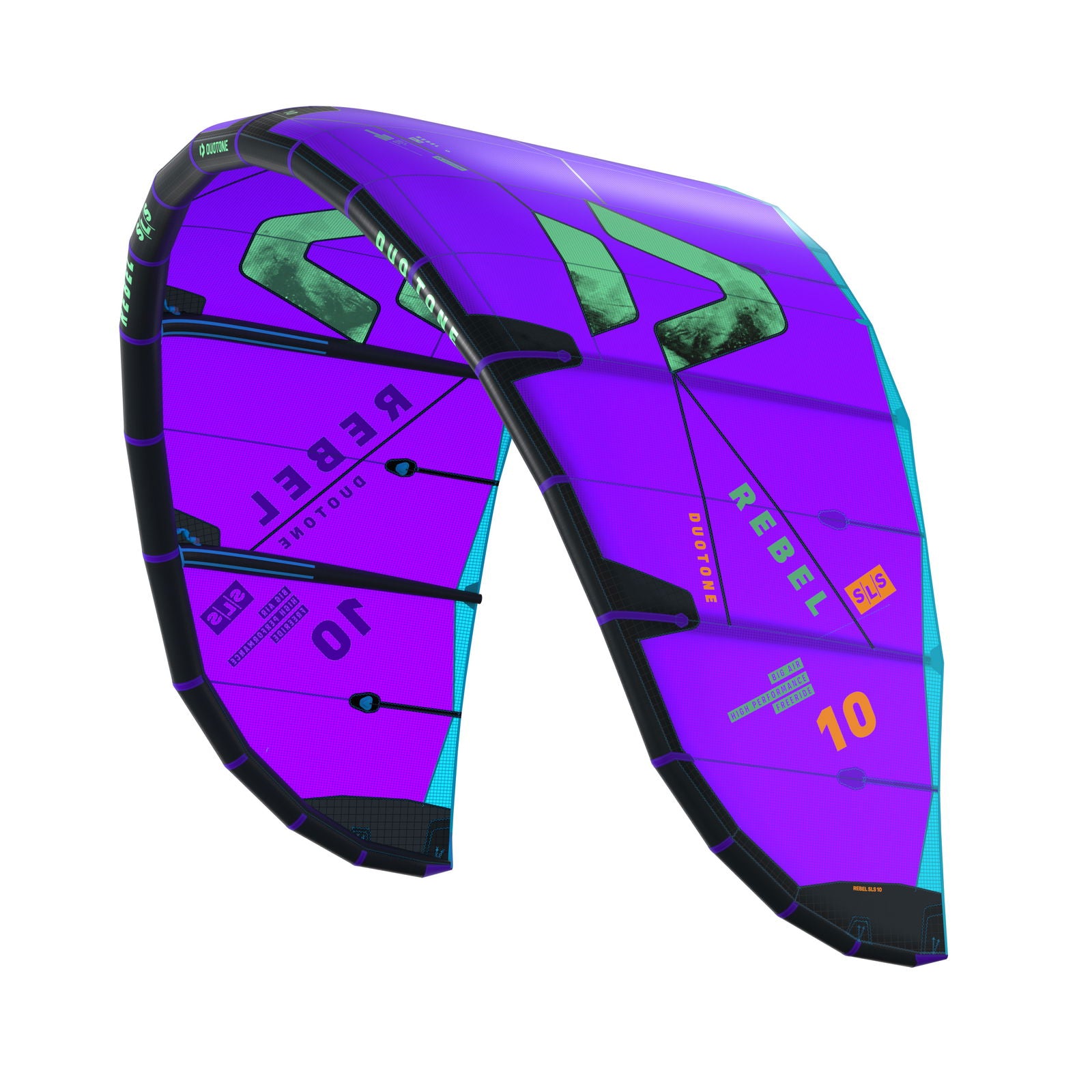
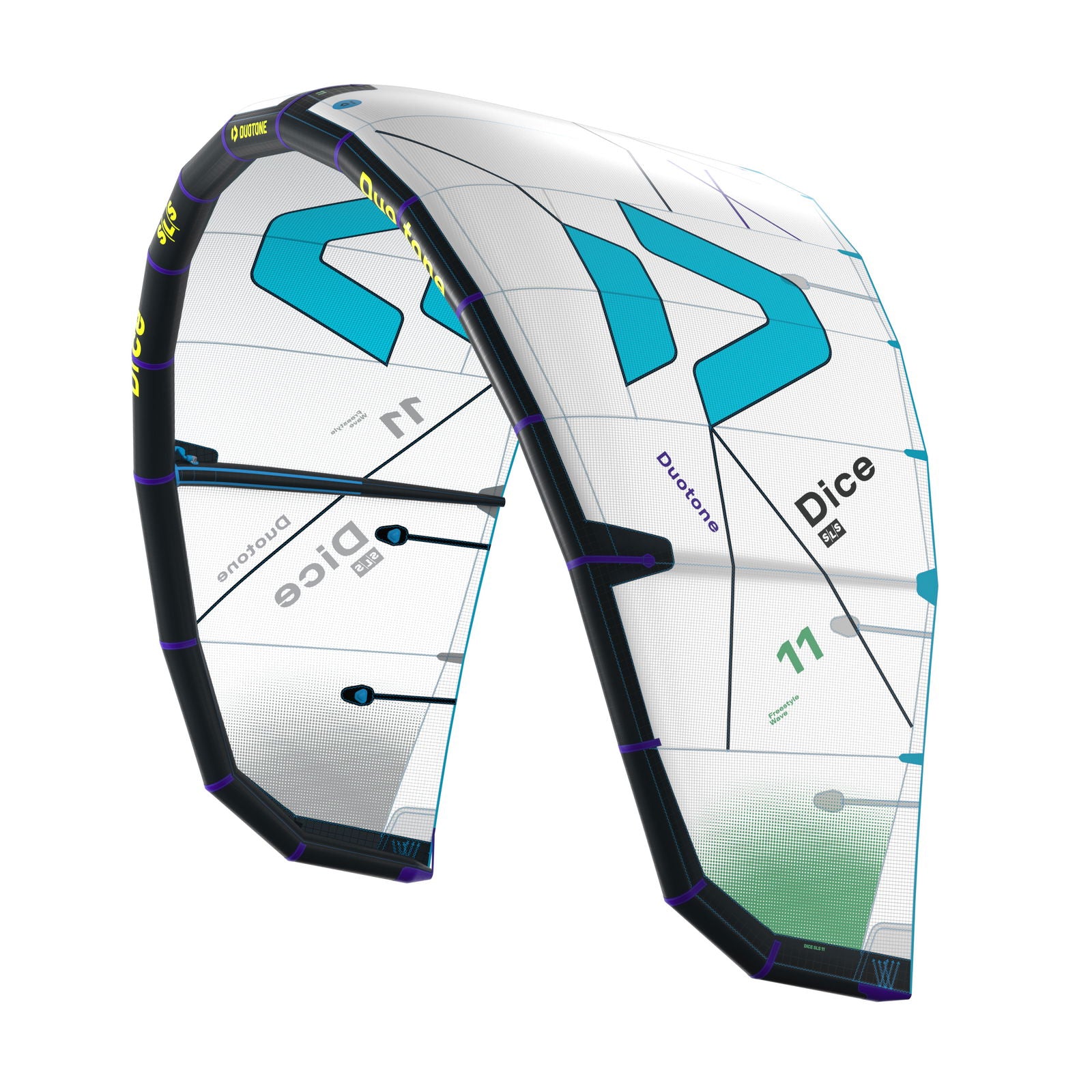
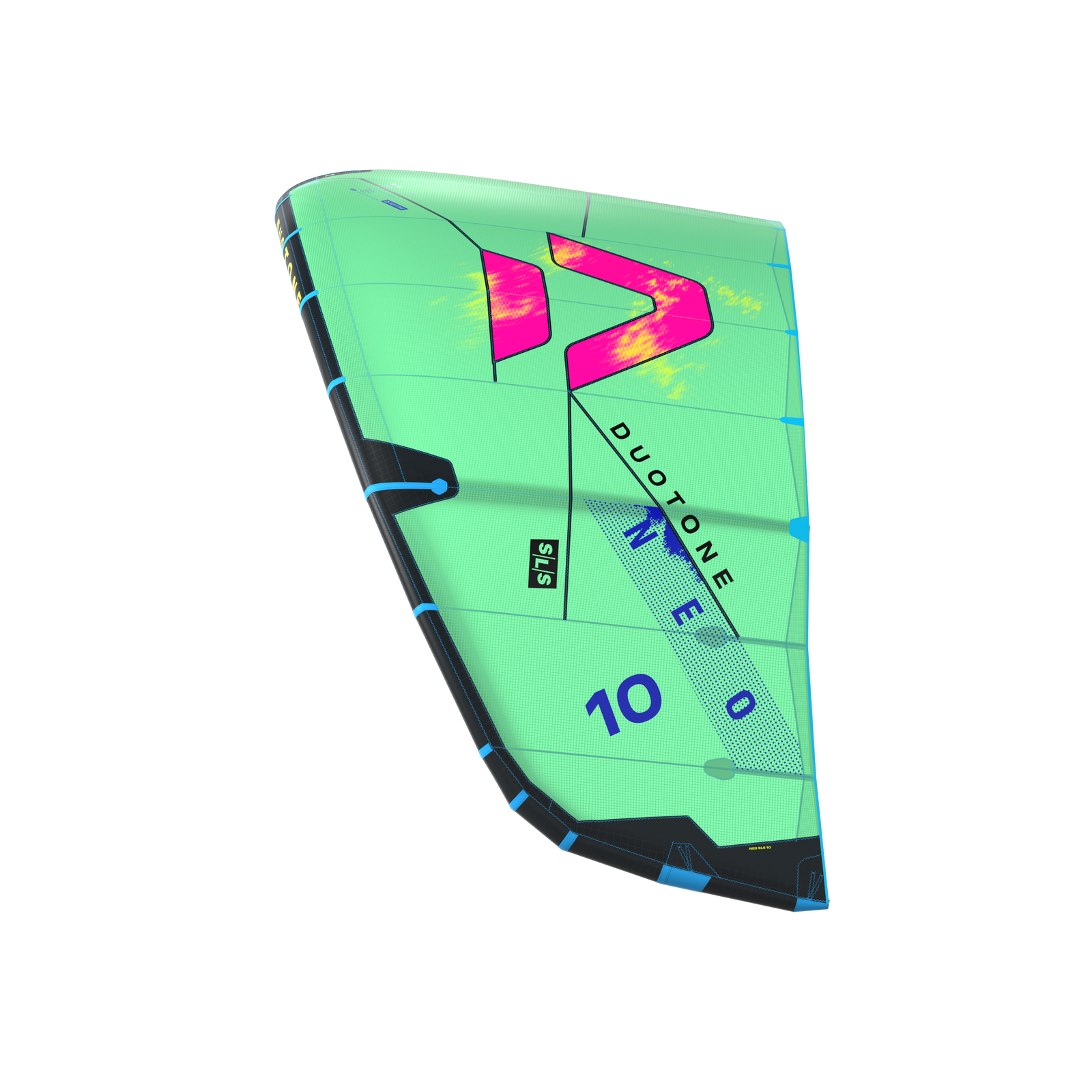
Prices and 2026 specs are pulled live from each product page. Confirm on the product page before checkout.
04 — MistakesThree mistakes we see every week
Ready to chase thermals?
Browse our Duotone 2026 kite range and find your thermal workhorse.
Frequently asked
Thermals are the daily inland heating cycle. Sea breezes are coastal winds. On European coasts, the two combine into one smooth, predictable wind from mid-morning through evening.
If you're 50–75 kg, a 12 m² all-around kite is ideal. Above 75 kg, a 14–17 m² gives better float and control without overshooting when the wind ticks up to 16 knots.
Yes, but 2026 kites like the Duotone Evo SLS and Rebel SLS are lighter and more responsive in light wind. If your kite's over five years old, the bridle often softens and you'll struggle to generate pop in 12-knot wind.
Tarifa (Spain), Cabarete (Caribbean), and Cape Town (South Africa) have the most reliable daily thermals. On the UK coast, thermals hit 10–14 knots most summer days. Check the forecast for clear skies and light morning wind.