Stuck in a Kitesurfing Rut? — How to Progress Faster
Stuck doing the same tricks in the same conditions? Most riders plateau because they're training wrong, not because they lack talent. We'll show you the four pillars that separate fast progressors from those who plateau for months.
Progress faster by combining consistent practice in proper wind, deliberate technique focus, gear matched to your level, and real feedback from coaching or community. Marginal conditions and undersized kites hide your mistakes — that's why you're stuck. A 9–12 m² kite in 12–20 knots is your sweet spot for learning.
01 — ConditionsStop Training in Marginal Wind
You can't improve your upwind angle in 5-knot wind, no matter how hard you try. And you won't dial your first transition if your kite's constantly collapsing. Most riders we speak to train whenever they can — that's the mistake.
Marginal wind teaches you bad habits. Your kite feels sluggish, so you overwork the bar. You can't generate real speed, so your technique compensates with jerky movements that don't transfer to proper conditions. In 12–20 knots with the right size, your kite responds instantly to input. You feel everything. That's when progression happens.
Check your local forecast. Wait for consistent 12+ knots. Yes, you'll train less often — but you'll improve three times faster.
02 — EquipmentGear Matters — But Probably Not How You Think
Your kite size is the biggest lever. Too small, and you're fighting for power in marginal wind — hiding your technique mistakes. Too big, and you can't control it well enough to learn. A 9 m² Duotone Neo in 15 knots lets you feel every control input. A 7 m² does the same in 18+ knots. The size forces clean technique, not strength.
Your board matters less than most gear websites claim. What matters: it's comfortable underfoot and you can ride it without thinking about it. Once technique clicks, board choice opens up. Not before.
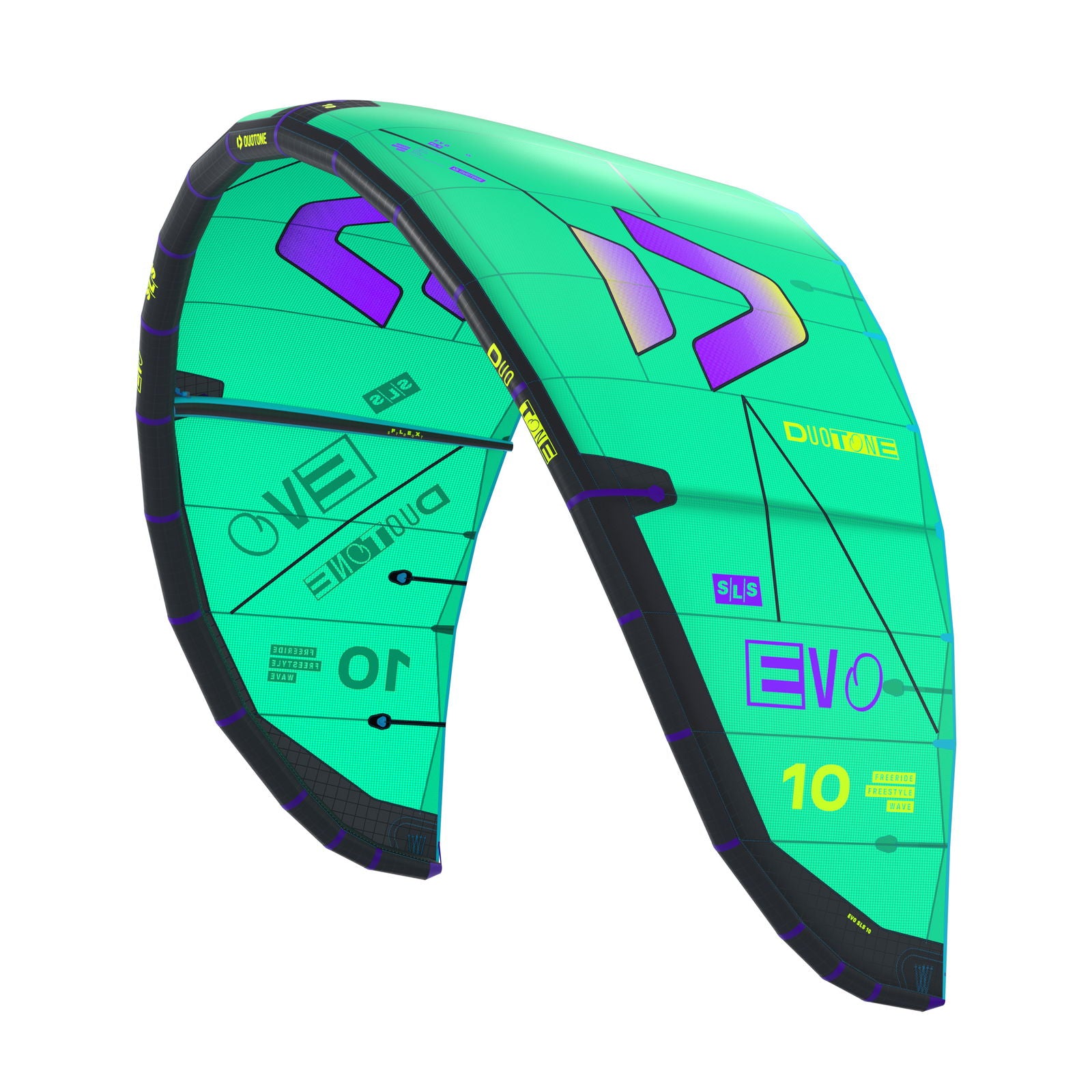
Better kite? Yes, sometimes. But if you're still learning transitions and upwind, a solid mid-range kite like the Duotone Dice or Duotone Evo will expose every mistake you make — which is exactly what you need.
03 — Our picksOur 4 In-Stock Picks for Progression
We stock four solid 2026 Duotone models that work for riders learning to progress. Pick based on your typical wind window, not your ego.
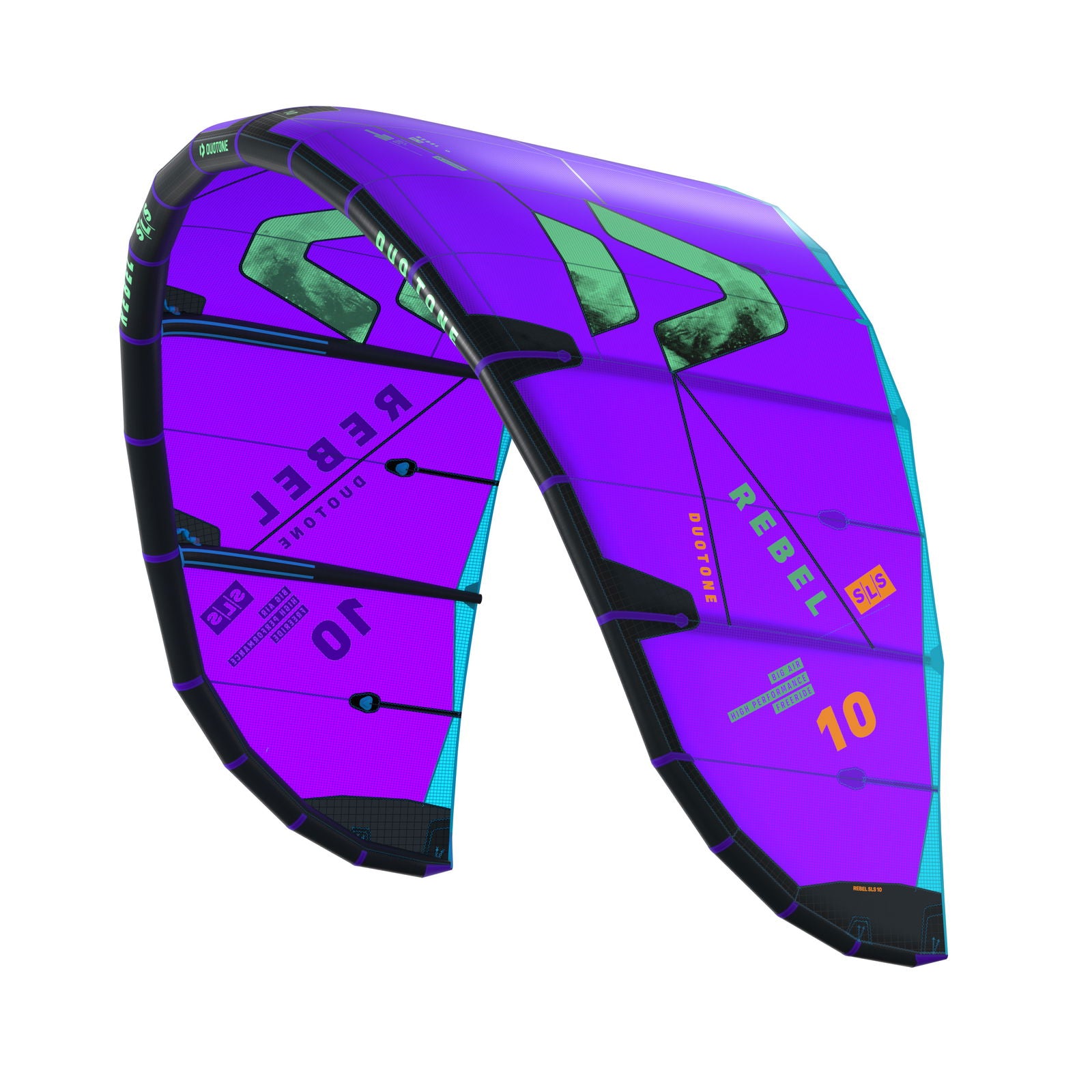
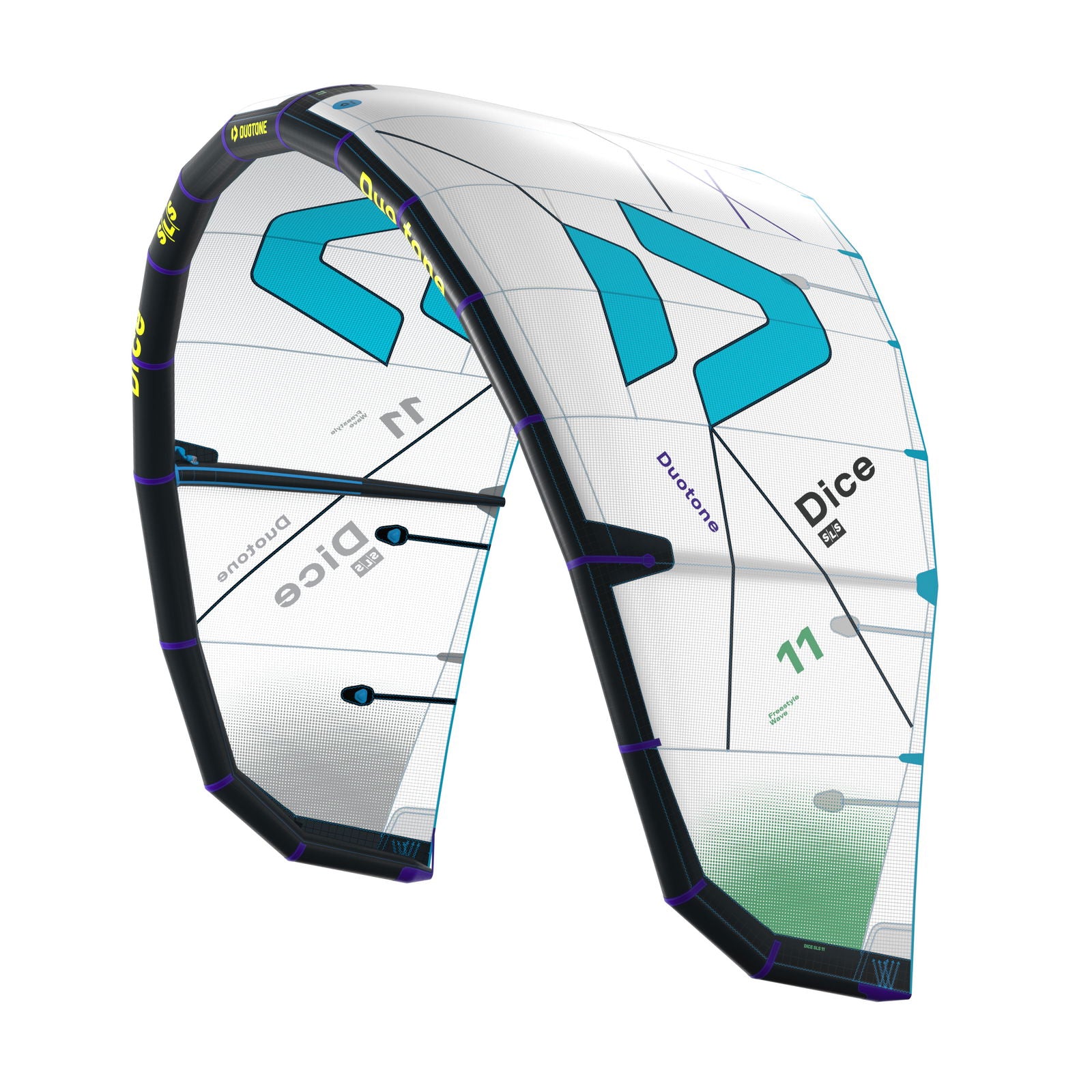
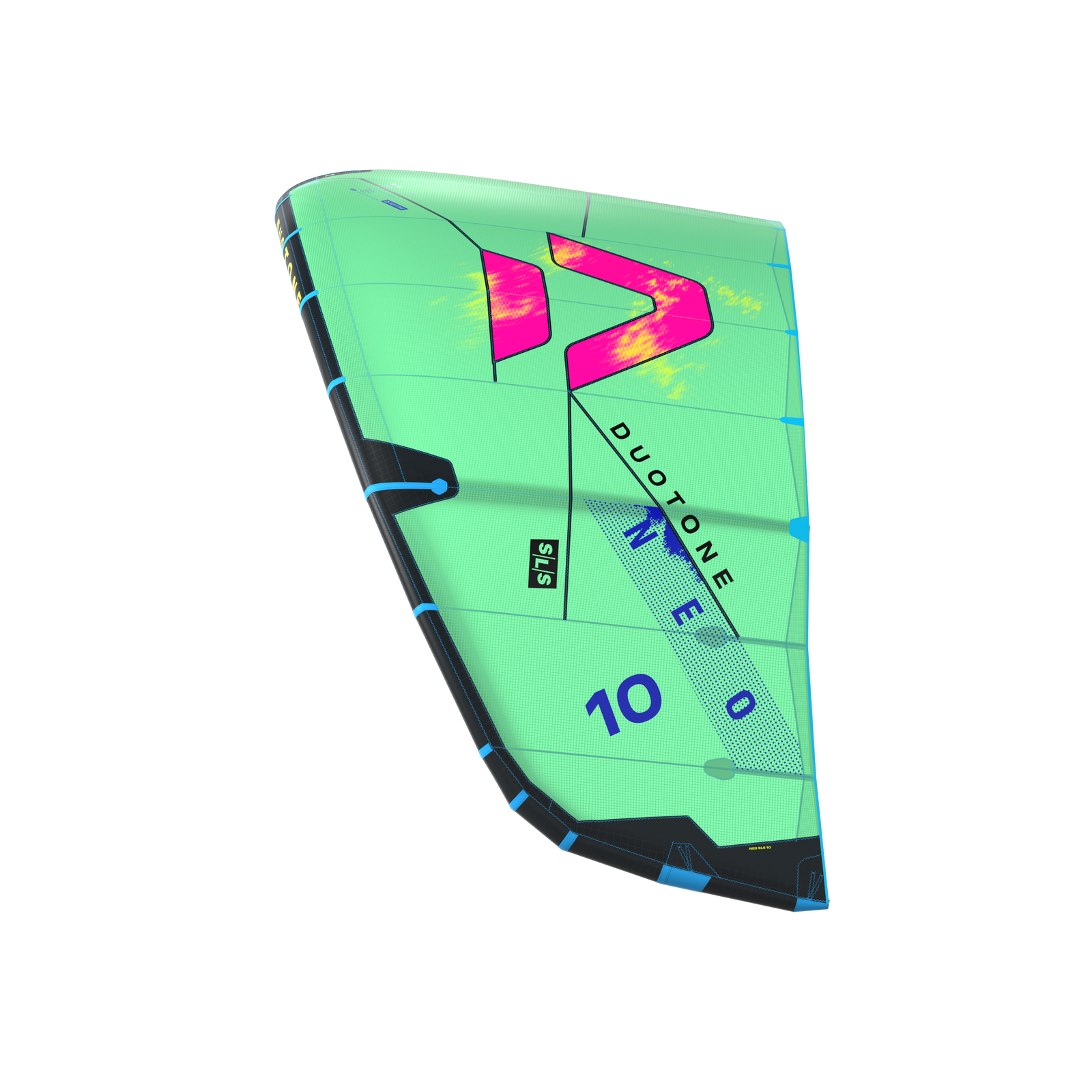
Prices and 2026 specs are pulled live from each product page. Confirm on the product page before checkout.
04 — MistakesThree mistakes we see every week
Ready to level up?
Browse our full range of 2026 kites in the kitesurfing section — we stock Duotone, Cabrinha, and Gaastra.
Frequently asked
Start with 9–12 m² depending on your local wind average. If you ride 12–18 knots most days, a 9 m² works. If you're regularly in 10–15 knots, grab a 12 m². You'll progress faster with one good kite than three mediocre ones.
Three to four days a week in proper wind beats six days a week in marginal conditions. Quality over quantity. Riders who train 3× weekly in 15+ knots improve faster than those riding daily in 8-knot wind.
Absolutely. Even two or three lessons with someone who knows your local spots will fix ingrained mistakes that you'd otherwise take months to figure out. We've seen riders unlock new tricks within weeks after one real coaching session.
Not necessarily. A Duotone Neo teaches you everything a Rebel does — both force you to have clean technique. The Rebel excels in race and freestyle, but if you're learning transitions, the extra cost doesn't translate to faster progress.