How to Read a Wind Forecast for Kitesurfing — Windy App Guide
Wind forecasts aren't fortune-telling—they're your cheat code to clean sessions. Learn to read Windy like the locals, spot your riding window, and stop wasting afternoons waiting for nothing.
Windy shows you wind speed in knots, direction (where it's coming from), and gust peaks—the spikes that control how your kite behaves. Look for 12–25 knots from a clean direction, scan the hourly forecast to find your window, and cross-check with local spot conditions. We've shipped countless Duotone and Cabrinha kites to riders from the North Sea to Cape Town who swear by Windy.
01 — The four numbersReading the Data: What Actually Matters on Windy
Windy gives you four numbers that actually matter. Wind speed (the average, in knots), direction (compass points—N, NE, SE—telling you where the wind comes from), gust strength (those spike peaks above the average), and consistency (how stable the wind stays). Most riders fixate on speed alone. Wrong move. A 15-knot forecast with +8 knot gusts swings your kite aggression wildly. A steady 18 knots? That's locked in.
Here's what we tell our customers: ignore the one-line overview at the top. Scroll down to the hourly breakdown. That's where your session lives. You'll see each hour plotted—speed, direction, gust. Between 12–25 knots is your sweet spot for most boards and kite sizes. Below 12? You're swimming. Above 25? You're fighting to stay upright unless you're riding a 7 m² in solid wind.
Direction matters as much as speed. A 20-knot shore wind will feel cleaner than 25 knots cross-shore because it holds shape longer. Cross-check Windy with your local spot's wind patterns. Cape Town riders know summer brings the Cape Doctor sea breeze from the south. Baltic spots show predictable afternoon thermal builds from June to August. Windy shows the forecast; local knowledge shows which window actually works.
02 — Hourly scanningSpotting Your Riding Window
Most riders check Windy once, see 16 knots, and paddle out. Then they find themselves ghosted at 11:30 with a 7 knot dip. The hourly forecast is your insurance. Scroll through and mark the hours where speed stays in your range and direction doesn't flip. On a typical day, you'll see a 3–4 hour band where conditions sit sweet. That's your window.
Speed swings happen because of thermal heating, pressure systems, or sea-breeze transitions. If Windy shows 14 knots at 9 AM, 18 knots at 11 AM, 22 knots at 1 PM, and 19 knots at 3 PM—your best window is 11 AM to 3 PM. That's when most riders get solid hours. Don't chase the peak gust. Chase consistency. A steady 16–18 knots beats a 25-knot spike that drops to 12.
03 — Our picksOur 4 In-Stock Picks for Every Wind Window
Once you've spotted your forecast window, your kite size locks in. We stock four Duotone 2026 models that cover light, medium, and strong conditions—so you match your window, not the other way around.
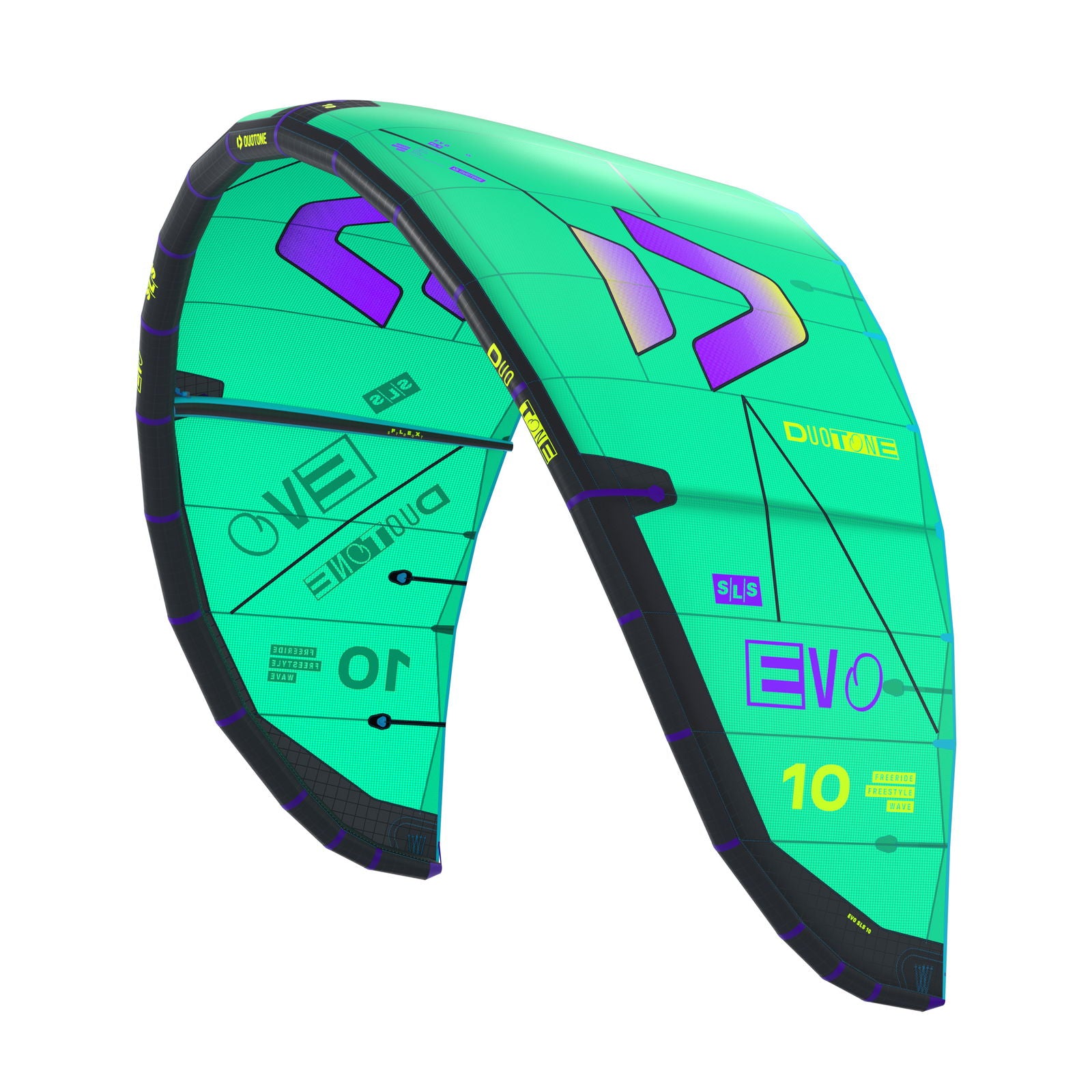
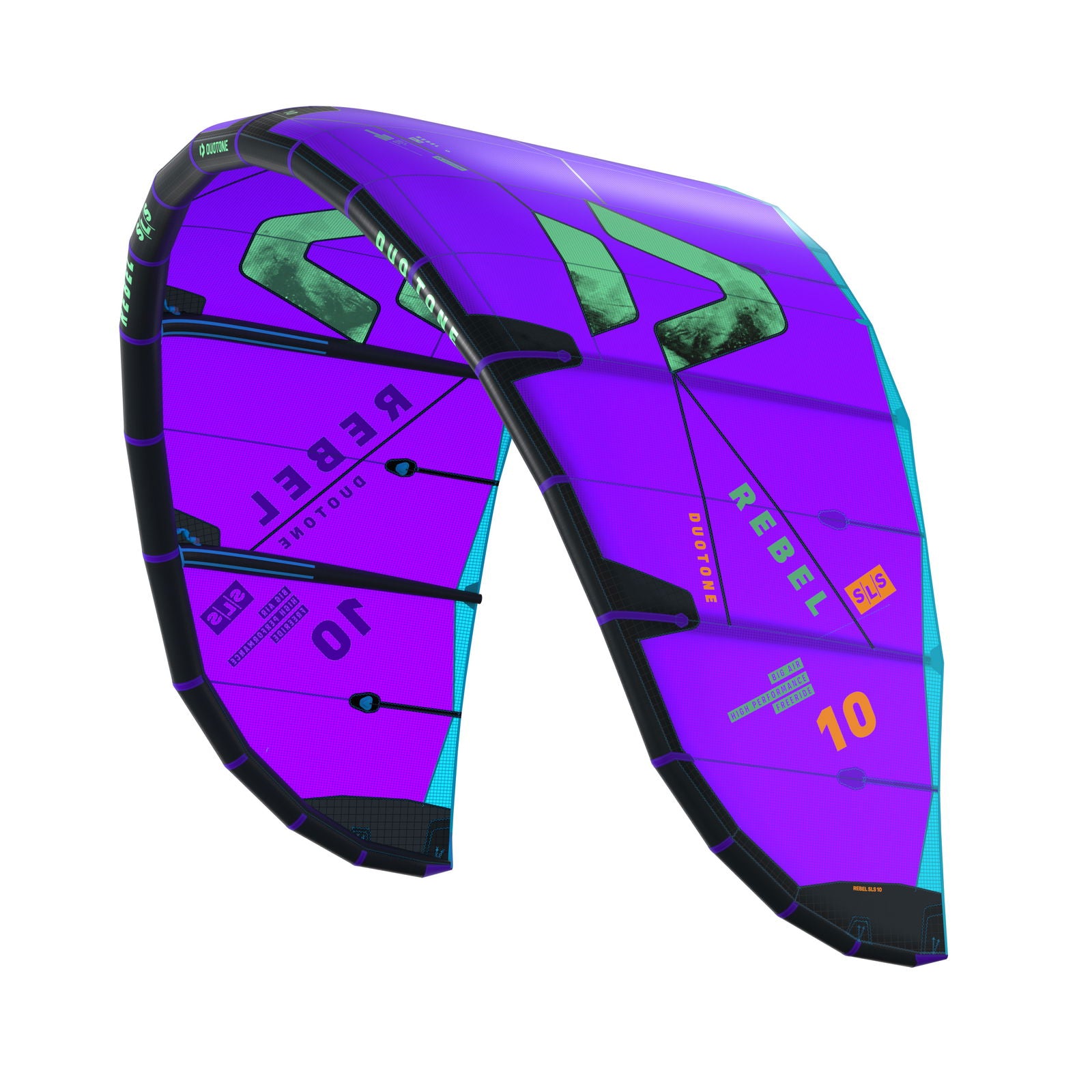
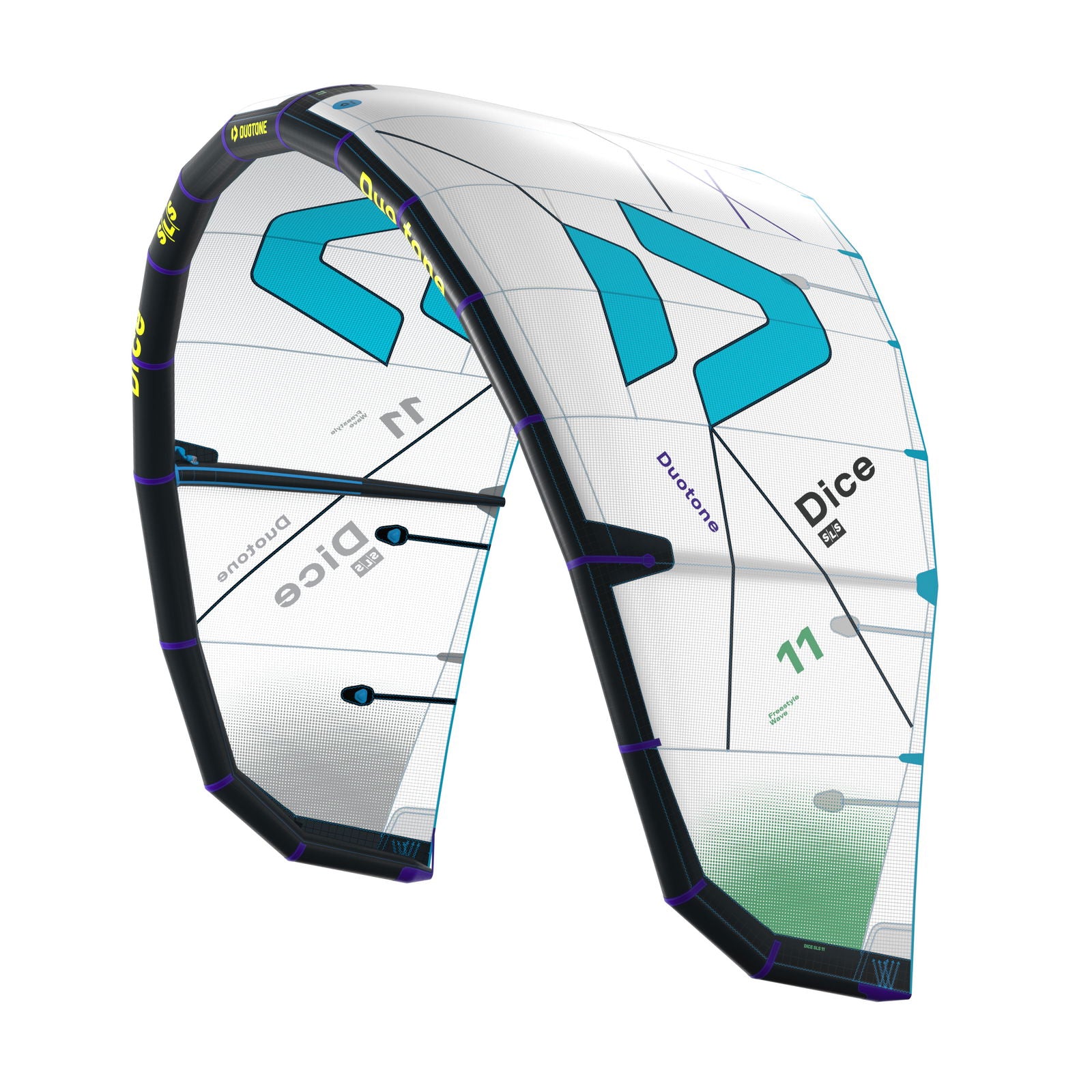
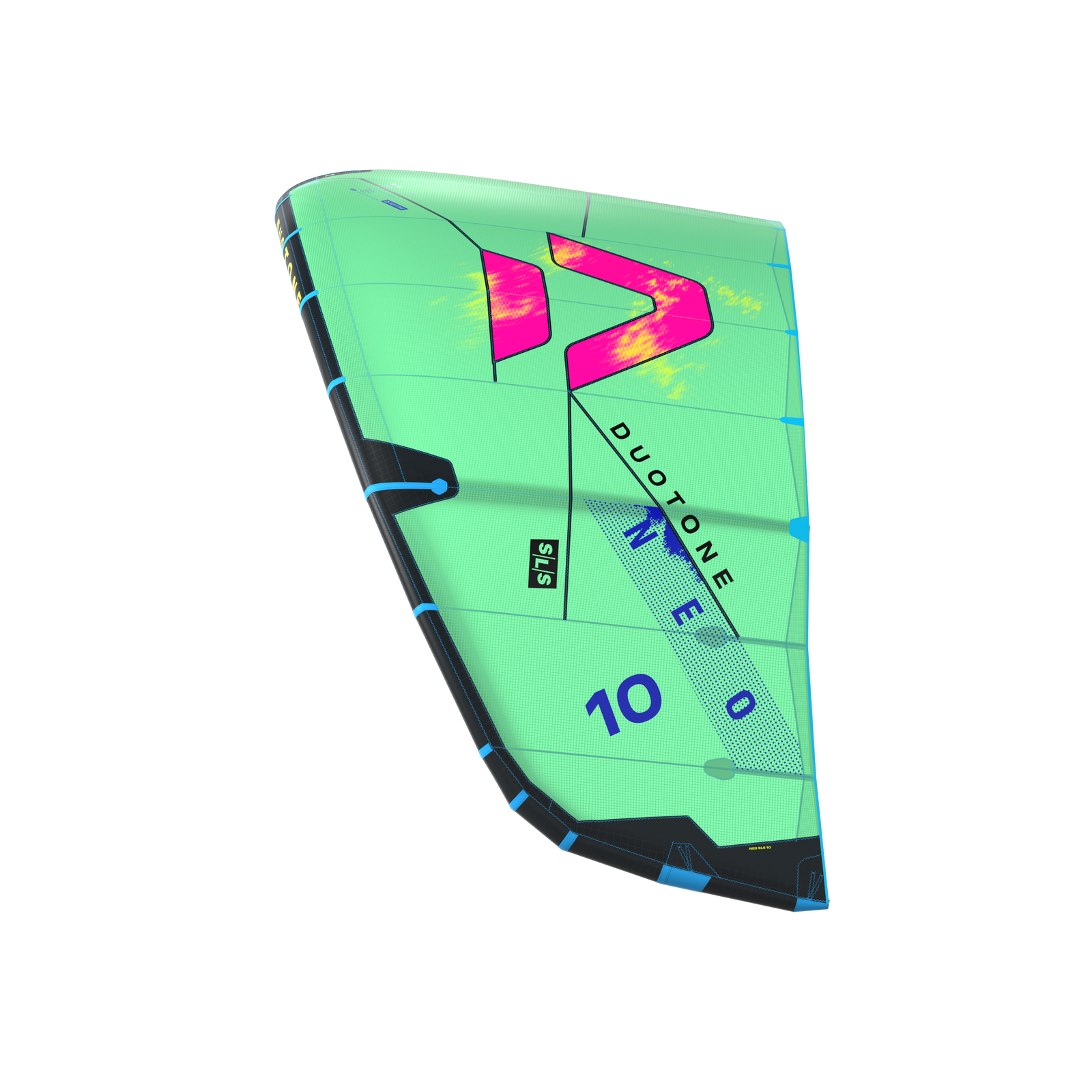
Prices and 2026 specs are pulled live from each product page. Confirm on the product page before checkout.
04 — MistakesThree mistakes we see every week
Ready to lock in your next session?
Browse our full range of Duotone and Cabrinha kites—each sized for the conditions Windy shows you.
Frequently asked
12–20 knots with low gusts. Beginners need room to recover. Between 9 m² and 12 m² covers that range perfectly. We see most new riders progress fastest in steady 15-knot windows.
Yes, but you'll downsize your kite and work harder. A 7 m² in 25+ knots is playable. Most riders stick to 12–25 knots and swap kite size instead of fighting conditions.
3–4 days for planning, 24 hours for accuracy. Windy's forecasts tighten dramatically in the last day. A rough look mid-week tells you whether to book time off; check again Thursday night for Friday's reality.
Both matter, but direction controls how long your session lasts. A 20-knot shore wind keeps shape for 4 hours. A 25-knot cross-shore wind stays clean for maybe 2. Windy shows both—use them together.