Kitesurfing the Meltemi — Greek Islands Wind Guide
The Meltemi isn't just wind—it's a Greek institution. This northerly thermal system rules the Aegean from June through September, delivering the kind of consistent 15–30 knot push that separates world-class kitesurfing spots from ordinary beach days.
The Meltemi is a predictable northerly wind building steadily through morning and holding until sunset across Greece's Aegean islands. Peak season runs June to September, with wind ranges of 15–30 knots and occasional gusts to 35–40. You'll need a mid-sized kite (12–14 m²) for most riders in these conditions. We stock Duotone and Cabrinha kites sized for exactly this window.
01 — What the Meltemi Actually IsWind Mechanics
The Meltemi is born from simple thermal physics: hot Mediterranean landmass versus cooler Atlantic air pushing in from the north. As the Greek mainland heats through the day, that pressure difference cranks up the wind. You'll feel it build around 10 a.m., peak between 2 and 6 p.m., then ease as the sun drops.
This predictability is gold. Unlike Atlantic swells or random thermal systems, the Meltemi arrives on schedule. Spots like Tarifa have competition-grade reliability, but the Greek islands—Naxos, Paros, Lemnos—offer the same consistency with warmer water and fewer crowds. Wind sits in that 15–30 knot sweet spot most days; occasional gusts to 35–40 knock the best riders loose, but that's the thrill.
02 — Choosing Your SizeKite Sizing for Meltemi Conditions
Most riders need a 12 m² for bread-and-butter Meltemi days. If you're 70–85 kg and riding twin-tip, this size launches you upwind in 15 knots and holds solid to 28. Heavier riders or foiling should size up to 14 m²; lighter riders under 70 kg can drop to 9 m² and still feel powered in the 20–25 knot window.
Don't bring a one-kite quiver. Meltemi days vary—early season lulls hit 12 knots, late-summer gusts touch 35. Riders who chase these islands year-round carry a 9 m² and a 14 m², sometimes a 12 m² in between. That covers the full range without compromise.
03 — Our picksFour Kites for the Meltemi
We've shipped Duotone kites across Europe since 2003, and the 2026 range hits the Meltemi window perfectly. Below are four picks—each tuned for stability in sustained wind, predictable relaunch, and the forgiveness you need on hot afternoon thermals.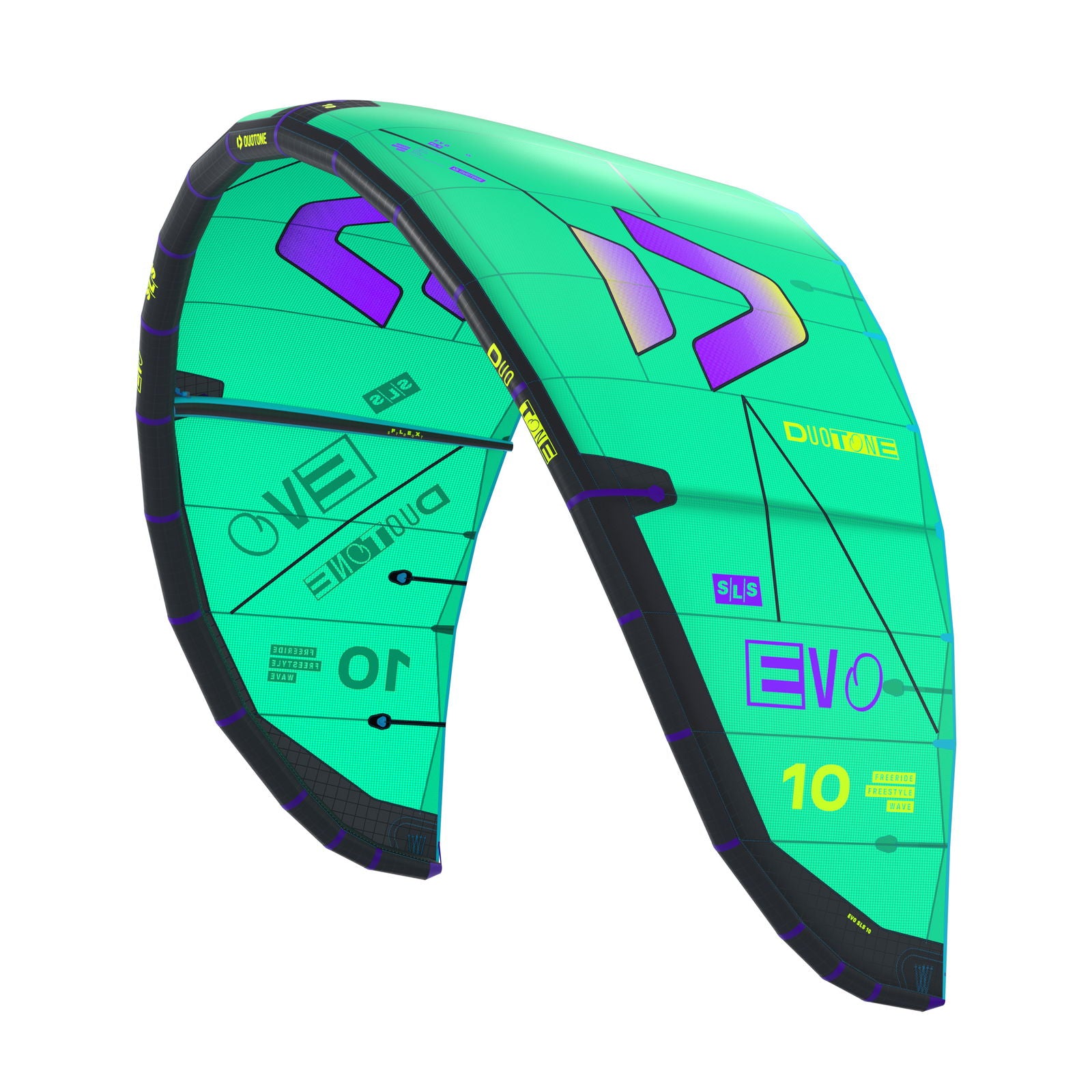
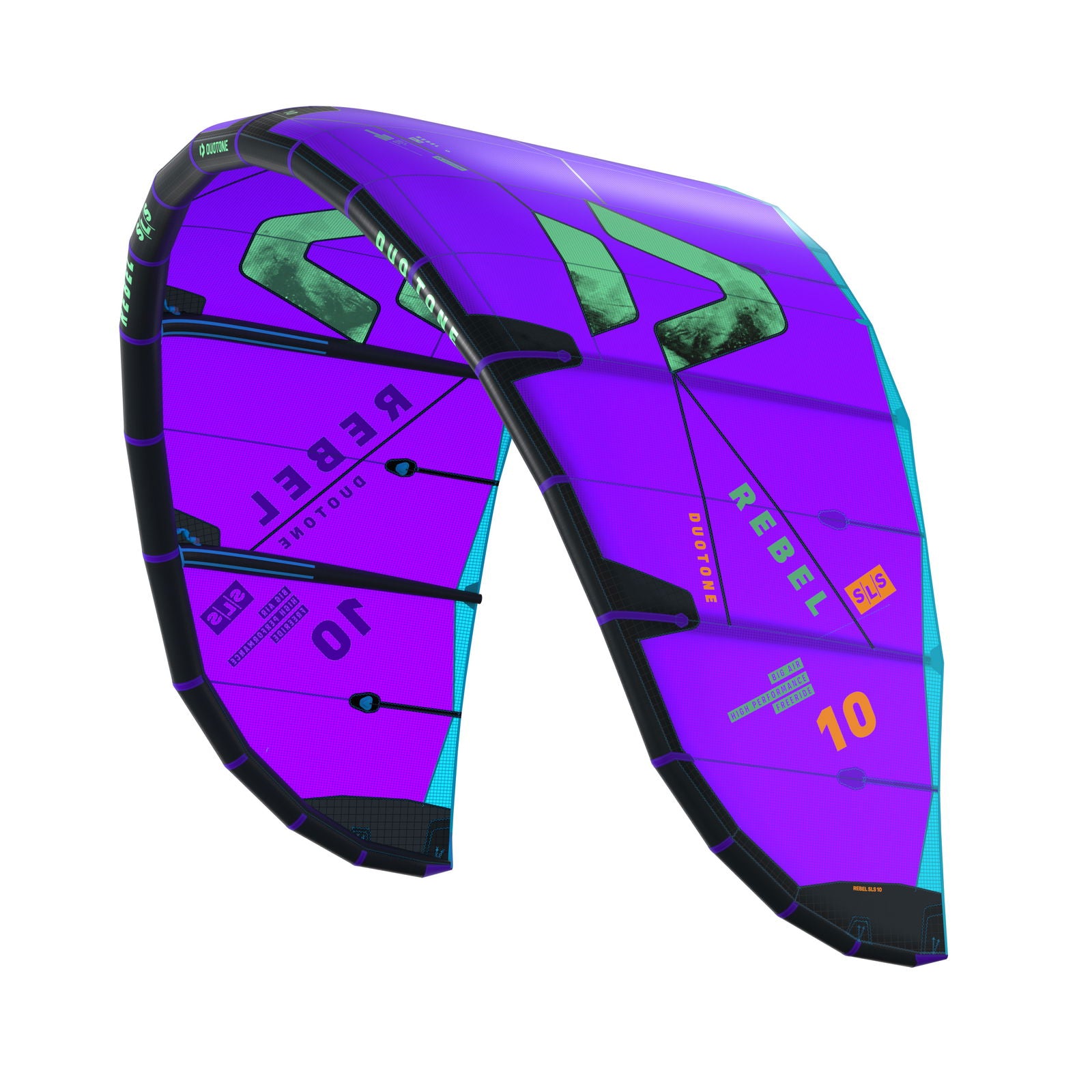
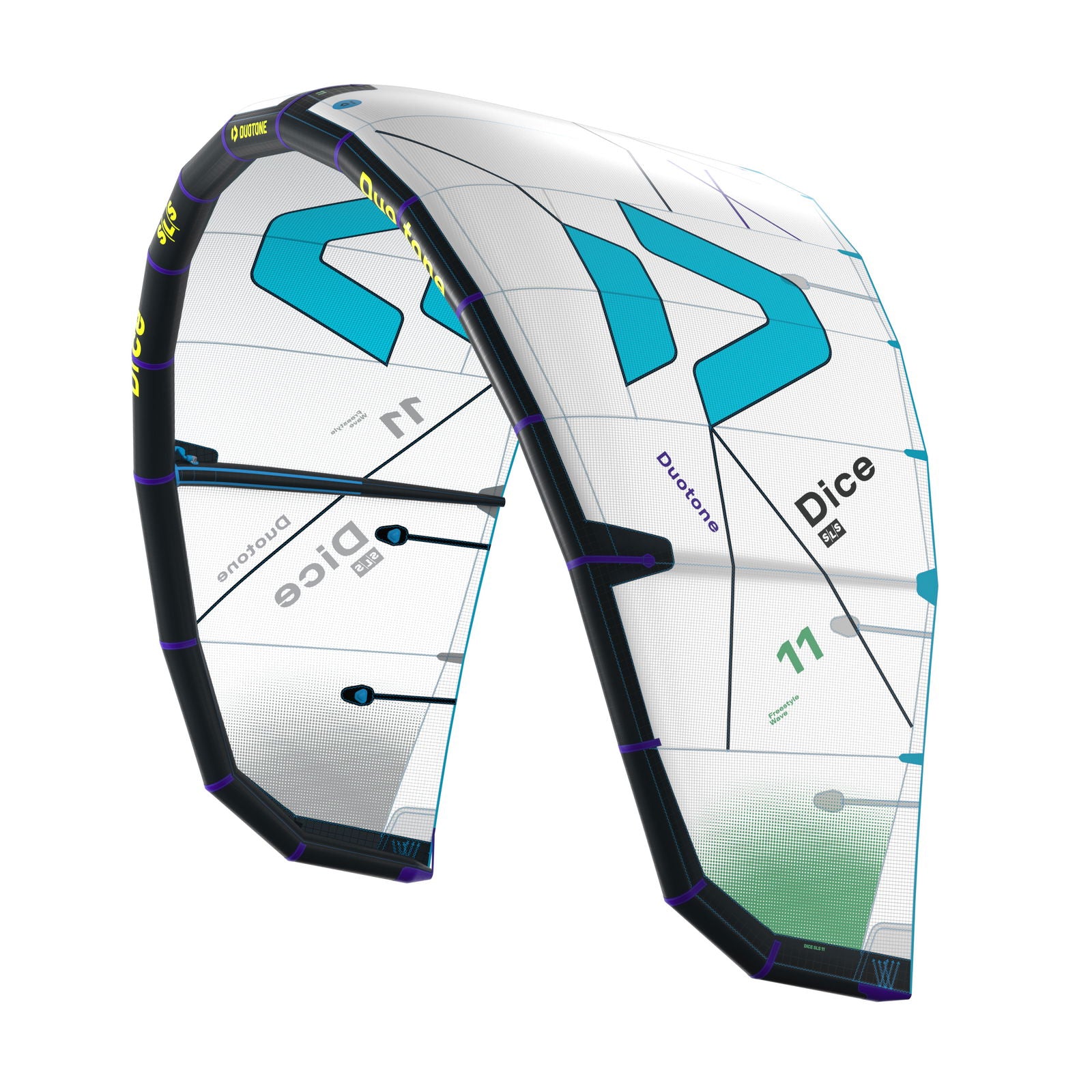
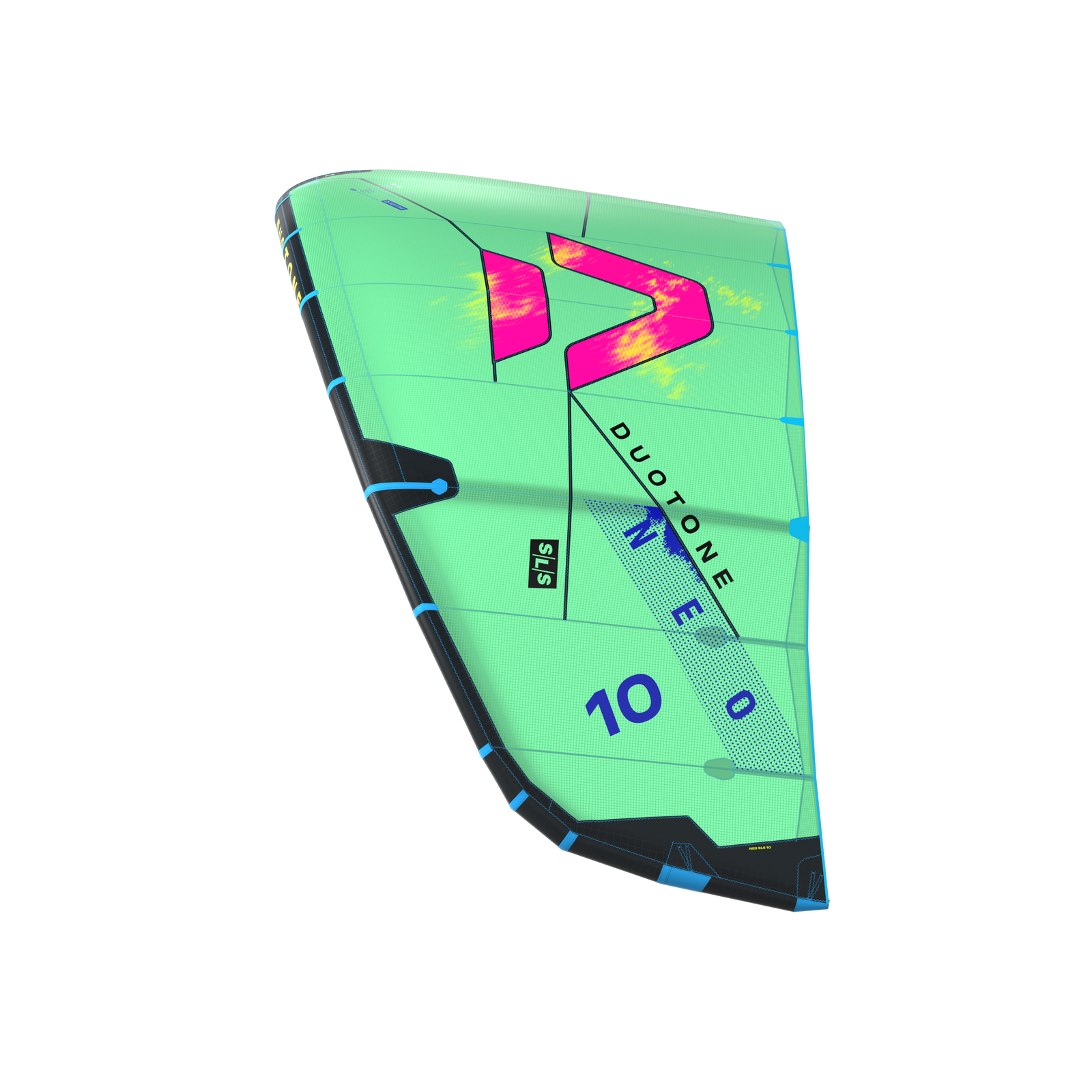
Prices and 2026 specs are pulled live from each product page. Confirm on the product page before checkout.
04 — MistakesThree mistakes we see every week
Ready to chase the Meltemi?
Browse our 2026 Duotone and Cabrinha kites, sized for Greek wind and beyond.
Frequently asked
July and August hit hardest, 20–30 knots daily. June and September are lighter but less crowded. We'd book June if you prefer learner-friendly conditions.
You'll launch in early-season lulls and survive peak gusts, but you'll be undersized some days and overpowered others. A 12 m² paired with a 9 m² covers the spread better.
Yes. The wind is predictable and doesn't surprise you mid-session. Stick to a 12 m² kite and lighter wind days (15–20 knots), and you'll build muscle safely.
Check our product pages for your weight and style. Duotone Rebel SLS suits aggressive riders; Neo SLS is forgiving for all-day sessions. Cabrinha wings aren't stocked here—we focus kites on Duotone.