Kitesurfing Sylt Germany — North Sea Spot Guide 2026
Sylt is Germany's most consistent kitesurfing spot—Atlantic swells, reliable North Sea trade winds, and shallow protected bays make it a year-round playground. We've shipped gear here since 2003, and we know exactly what conditions you'll face.
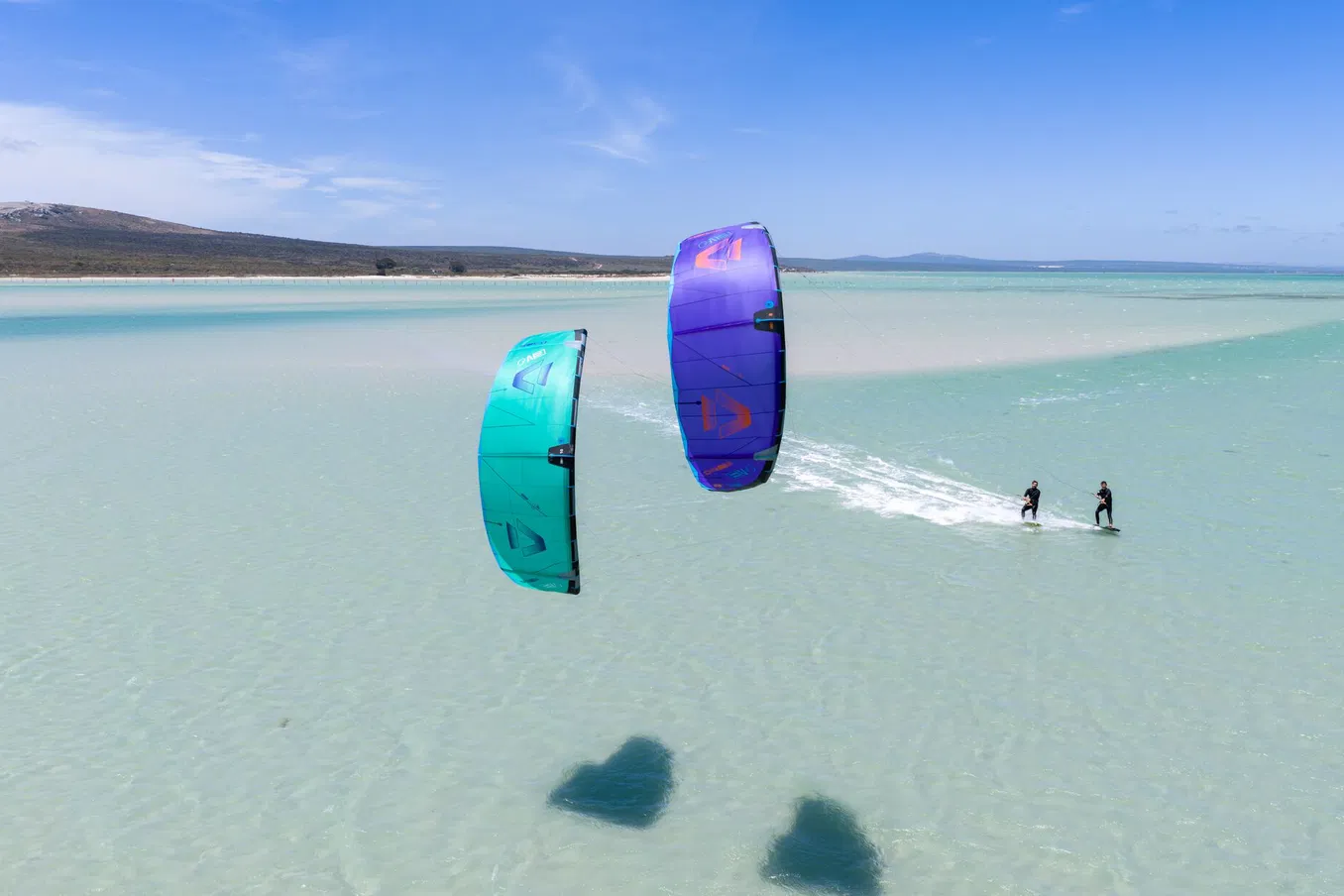
Sylt averages 14–22 knots March to October in 8–16°C water. You'll ride shallow, protected eastern bays for freestyle and freeride, with swell on the western coast for wave sessions. Spring and autumn push 18–25 knots; pack a 3/2 or 4/3 wetsuit. Duotone kites handle the gusty, variable North Sea better than most.
01 — Spot characterWhy Sylt Stands Out
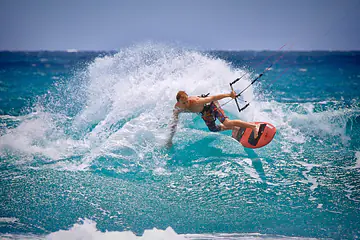
Sylt sits at the northern tip of Schleswig-Holstein, jutting into the North Sea with an exposed western coast that catches Atlantic swells and consistent trade winds. The spot breaks into two distinct zones: the eastern bays (List, Keitum) offer shallow, flat water perfect for freestyle and progression, while the western beaches face open ocean swell for wave riding.
The wind here isn't steady summer thermals—it's Atlantic trade pushing through 12–25 knots with lulls and gusts. March to October is prime season. Winter gets cold (water hits 4–6°C) and crowds thin out, but if you can handle 5/4 mm neoprene, you'll score empty sessions. Summer is gentler, steadier, better for learning.
02 — Wind and waterWhen to Go—Seasons and Conditions
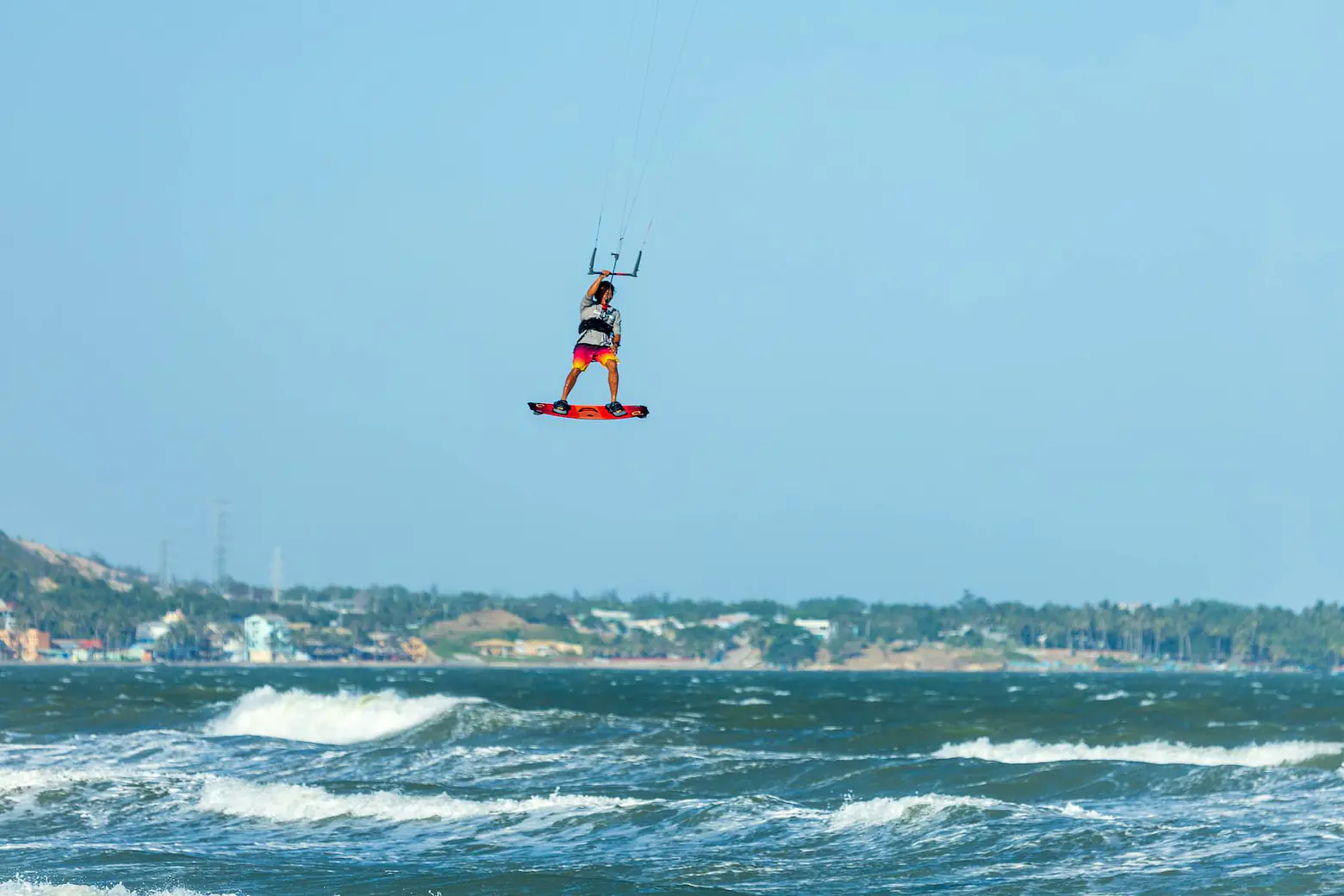
Spring (March–May) and autumn (September–October) are the sweet spot. You'll see 18–25 knots with Atlantic swells rolling in—ideal for wave sessions and freestyle tricks. Water hovers around 8–12°C, so a 4/3 mm wetsuit is non-negotiable. The bays are less crowded than summer, and the wind is more forgiving for riders building their chop skills.
Summer (June–August) brings steadier 12–18 knot breezes and 14–16°C water. It's better for progression and longer sessions—the wind holds better for learning transitions and powered-up riding. Autumn swells can get chunky on the western beaches; if that's not your vibe, the eastern bays stay rideable.
03 — Our picksOur 4 In-Stock Picks
We recommend the Duotone SLS lineup for Sylt's variable, gusty wind. All four models suit the spot—pick by your riding style and budget.
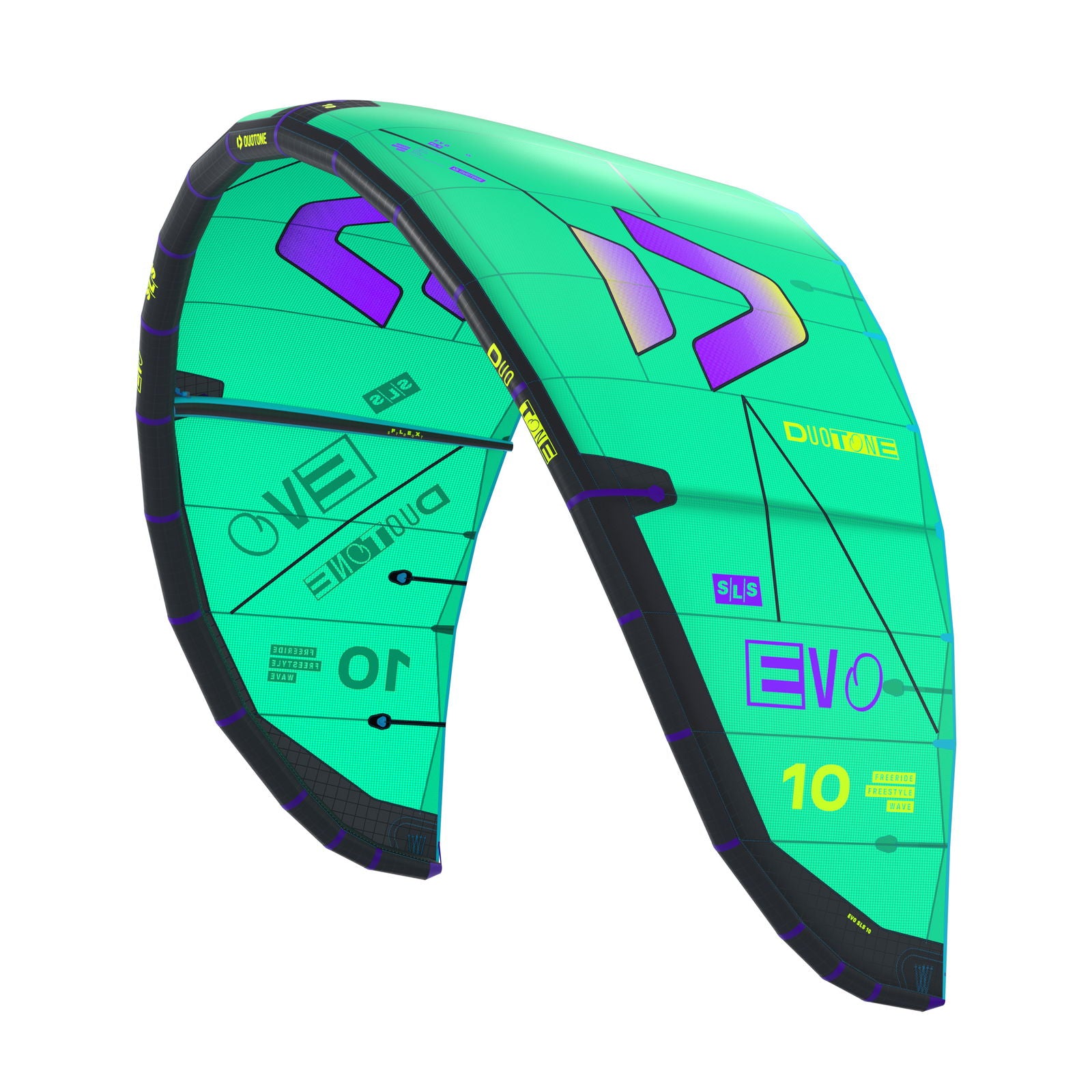
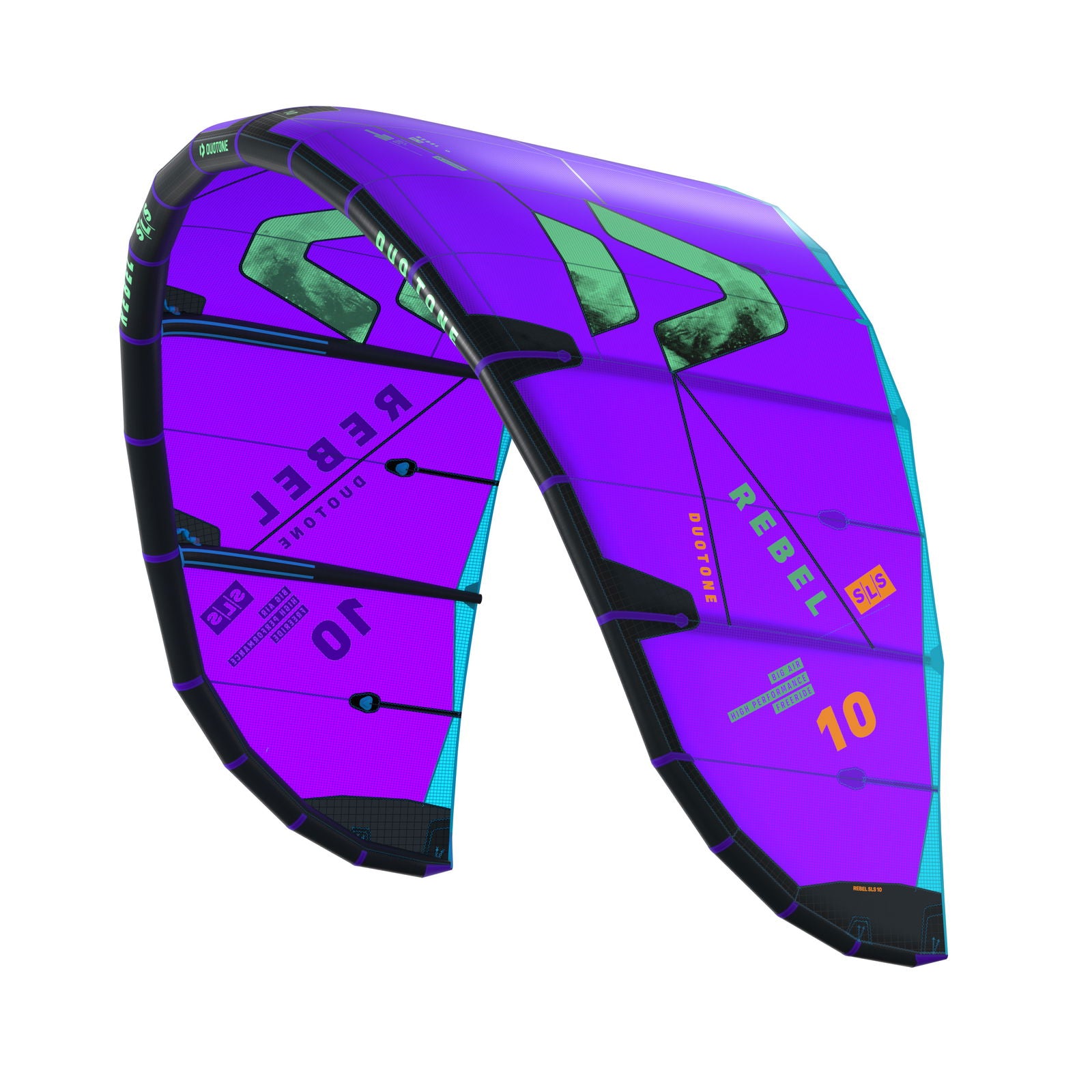
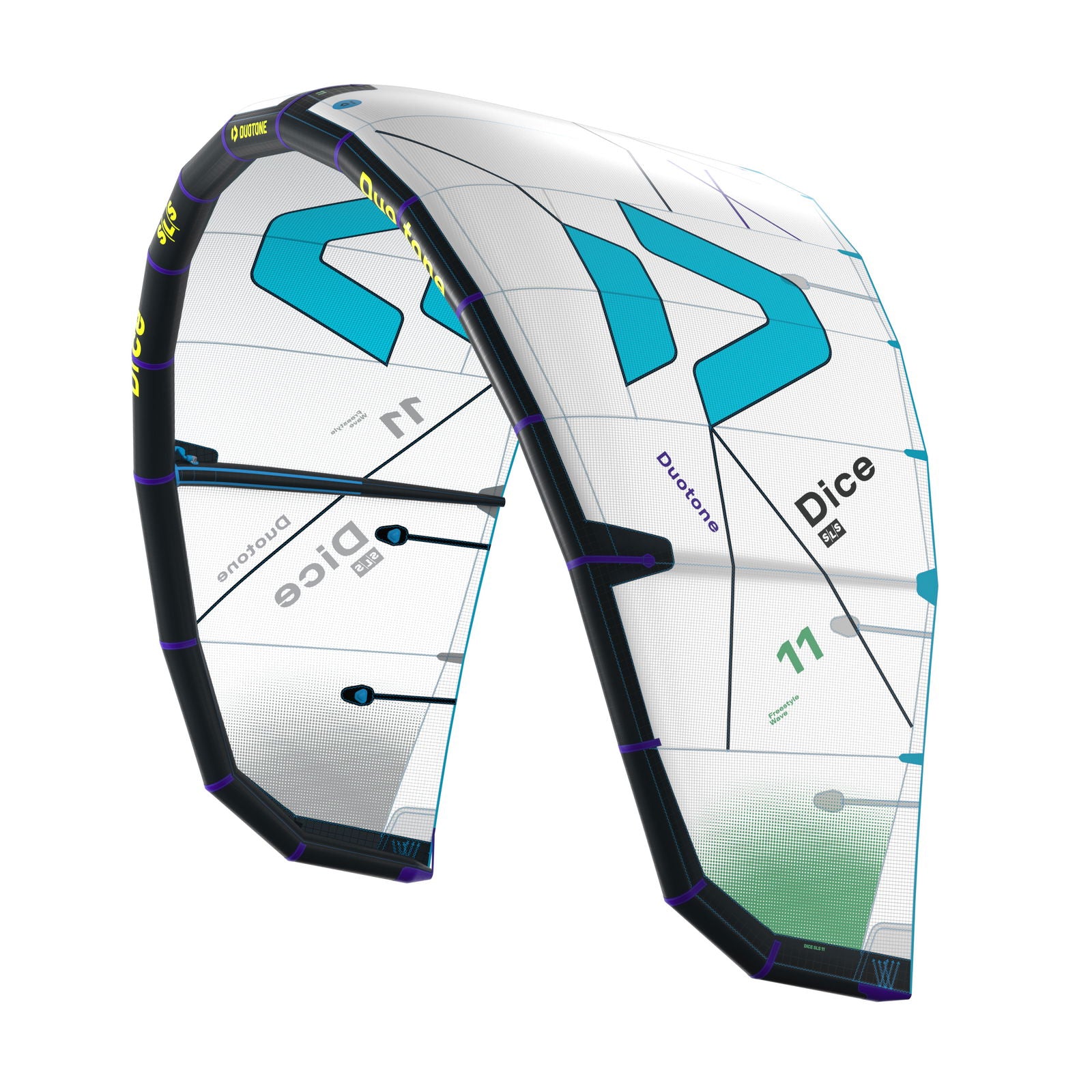
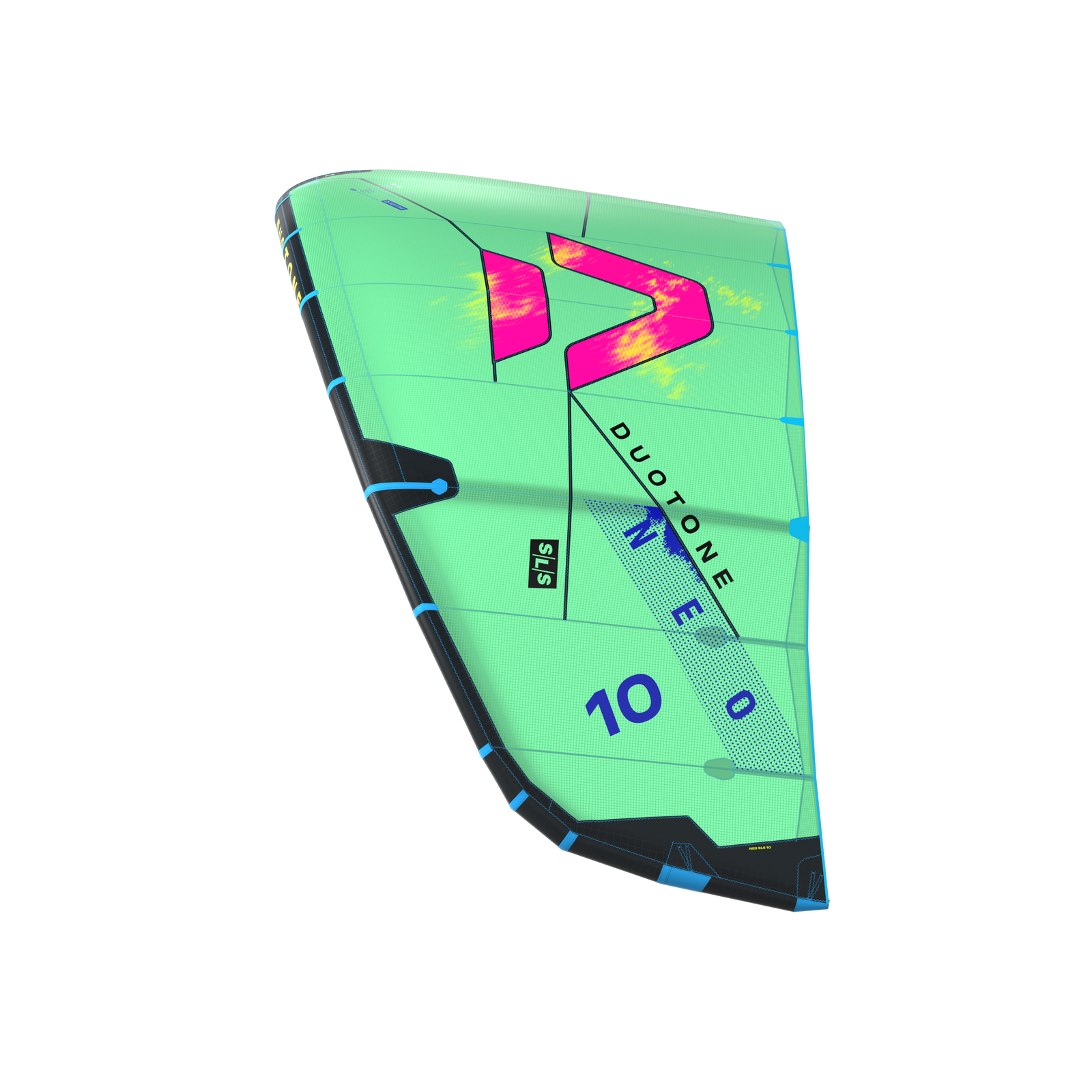
Prices and 2026 specs are pulled live from each product page. Confirm on the product page before checkout.
04 — MistakesThree mistakes we see every week
Ready to kit up for Sylt?
Browse our full Duotone kite range and find the size that matches your spring and autumn sessions.
Frequently asked
Beginners should start with a 9–12 m² in the typical 14–22 knot window. If you're lighter (under 70 kg) or learning, a 12 m² covers most days. A 9 m² works for heavier riders or when the wind pushes past 20 knots.
Yes, but only on the eastern bays (List, Keitum). The flat water is ideal for learning. Avoid the western beaches and strong currents until you're confident on your edge and transitions.
3/2 mm in summer, 4/3 mm in spring and autumn, 5/4 mm November–March. Water temperature drops fast—don't skimp on neoprene or you'll cut sessions short.
Yes. The western coast picks up Atlantic swells, especially autumn and spring. Eastern bays stay flat, which is why they're perfect for freestyle. Check wave forecasts before heading to the beach.