Kitesurfing Impact Vest Guide 2026 — Safety & Fit
An impact vest isn't optional—it's the difference between walking away and weeks in hospital. We'll show you exactly what to look for in 2026, so you pick a vest that actually protects you.
Look for CE EN 1621-1 certification, 10–15 mm foam thickness, and a snug fit that doesn't shift during tricks. Neoprene backing adds durability and warmth. Since 2003, we've seen riders in Tarifa and the North Sea learn that cheap vests fail when you need them most—invest in a proper one.
01 — CertificationWhat Actually Protects You
CE EN 1621-1 or higher isn't marketing fluff—it means the vest has been tested to absorb real wipeout energy. We recommend you check that certification label before buying anything. A vest without it might feel padded, but it won't do squat when your ribs hit the water at speed.
The difference between level 1 and level 2 certification? Level 2 covers more impact zones and handles harder hits. For kitesurfing, level 1 is your baseline. Anything less is a gamble.
02 — Sizing & ComfortFit Beats Everything
A loose vest migrates during tricks and loses protection where you need it. When you're sizing, wear the vest over a thin rashguard or bare skin—this is how you'll actually wear it in the water. Fasten all straps snug, then bend forward, twist side to side, and jump. If it shifts more than a centimetre, size down.
Neoprene-backed vests like the ION Jacket Neo Jam add warmth in cold water and reduce chafing during long sessions. Unisex cuts fit most riders, but check the sizing chart on the product page—chest measurements matter more than age or gender.
03 — Our picksOur 4 In-Stock Picks
We stock two proven vests right now: the ION Jacket Neo Jam at €99.99 for everyday sessions, and the Neilpryde Neo Hoodie at €159.95 for riders who want extra warmth and the confidence of a hoodie collar that stays put in wipeouts.
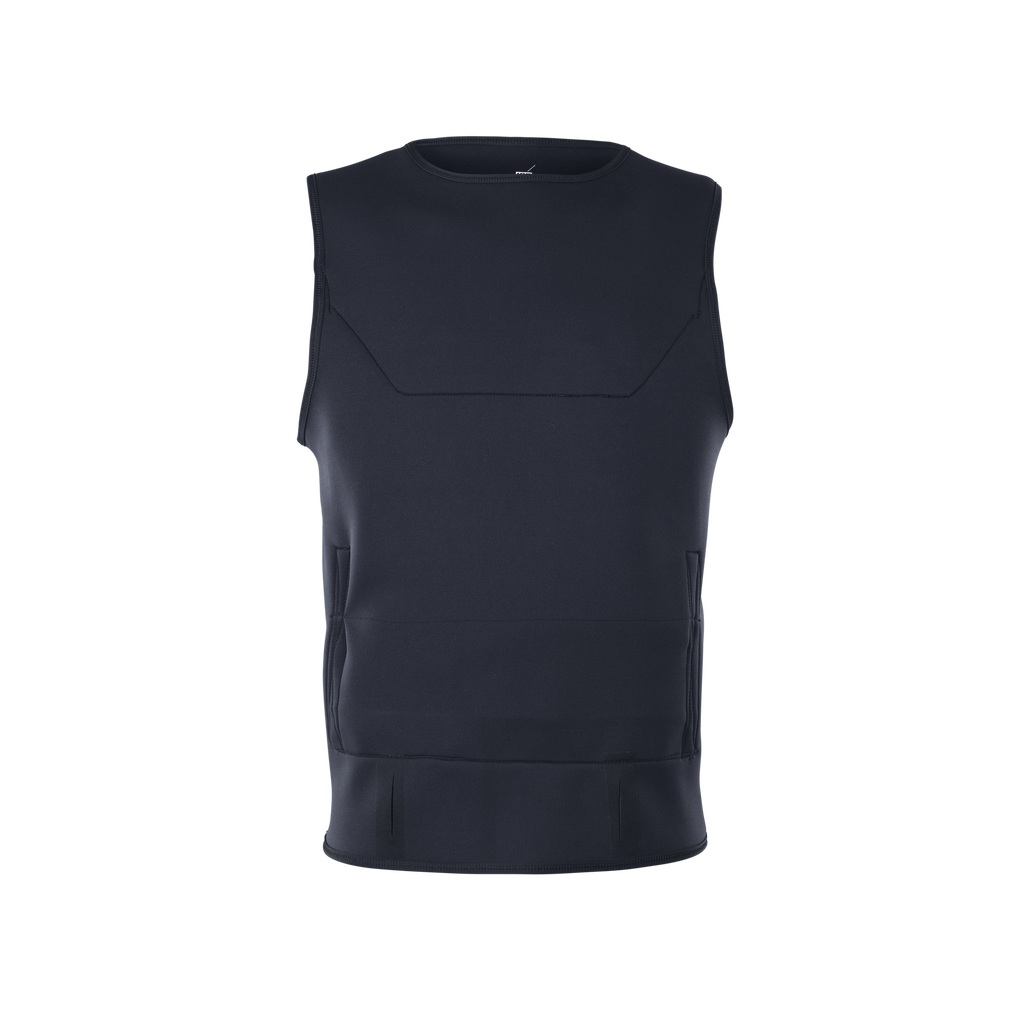
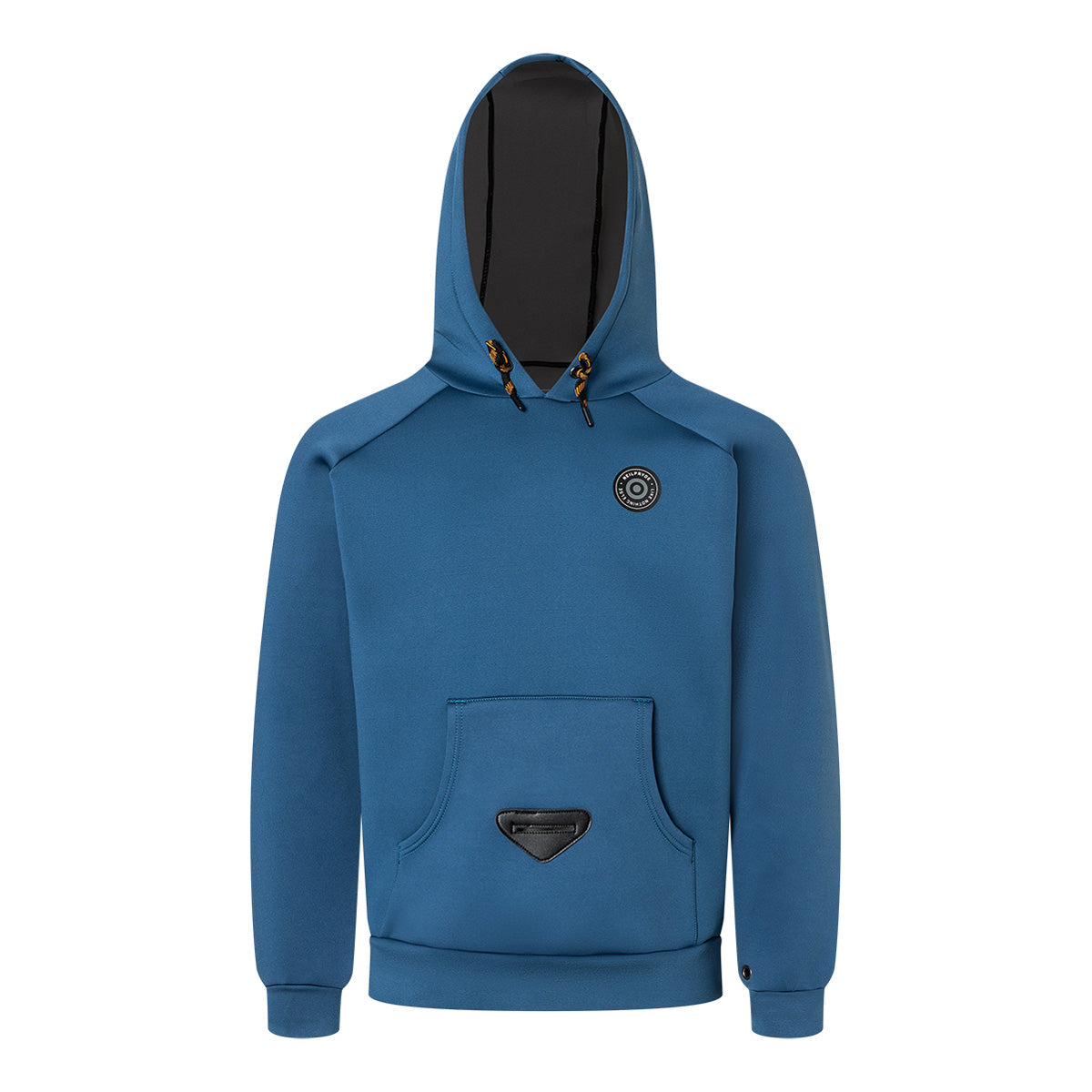
Prices and 2026 specs are pulled live from each product page. Confirm on the product page before checkout.
04 — MistakesThree mistakes we see every week
Ready to gear up?
Browse our full kitesurfing impact vest range and find your perfect fit today.
Frequently asked
Yes. Beginners take harder falls because they're still learning board control. A proper vest absorbs those impacts before your ribs do. Start with one now, not after your first hospital visit.
Not always. Wing foil vests often prioritise different protection zones than kitesurfing vests. Check the product page—if it's listed for both, you're safe. If it's kite-only, stick with that.
With proper care, 3–5 seasons. Rinse in fresh water after each session, hang dry (never tumble), and avoid direct sun. Inspect the foam annually—if it feels soft or crumbly, it's time to replace.
In 25°C+ water, a thin neo backing is fine—it actually wicks moisture and reduces chafing. If you're riding in 30°C+ tropical conditions, a sleeveless or open-back vest might feel cooler, but you sacrifice some durability.