Kitesurfing in Waves — Tips & Technique for Surf Conditions
Wave kitesurfing isn't just smaller kites—it's a different craft entirely. You're reading wind and swell at once, which means sharper technique, instant bar control, and kites sized to carve, not cruise. This guide shows you how to pick the right kite and ride waves like you mean it.
Wave conditions demand smaller kites (7–12 m²), 12–25 knots, and 2–6 foot swell. Pick a responsive, forgiving kite like the Duotone Evo SLS; avoid heavy freestyle kites. You'll need a lightweight board with edge hold and expect choppy transitions between swell faces.
01 — Size & ControlWhy Wave Conditions Demand a Smaller Kite
On flat water, you size up to stay powered in light wind. In waves, you downsize. A 9 m² in 15 knots feels more responsive than a 12 m² on the same day—your bar movements matter more, and you can adjust to chop and swell transitions without overpowering.
Wave kites need to turn fast and give you immediate feedback. Smaller = quicker loops, sharper carves, and the ability to dump power when a set comes through. If you're used to riding 12 m² on flat water, drop to 9 m² or 7 m² when swell shows up. You'll thank yourself on your second run.
02 — Two VariablesReading Wind & Swell at the Same Time
Flat-water kitesurfing is about wind. Wave riding is about wind and swell direction. A 2-foot swell can feel like 4 feet if it's on the nose; a shore break can turn light wind into a mess in seconds. You need a kite that stays responsive when the water gets lumpy and the wind shifts between gusts.
This is why we recommend all-around wave kites like the Duotone Evo SLS or Duotone Rebel SLS. Both track upwind in choppy conditions and give you the bar feel you need to trim power without diving. A freestyle kite in the same spot will leave you fighting the chop instead of riding it.
03 — Our picksOur 4 In-Stock Wave Kite Picks
We've stocked these four Duotone 2026 models since launch because they handle European swell and wind shifts without complaint. Each one earns its place in a wave quiver—pick the one that matches your conditions and style.
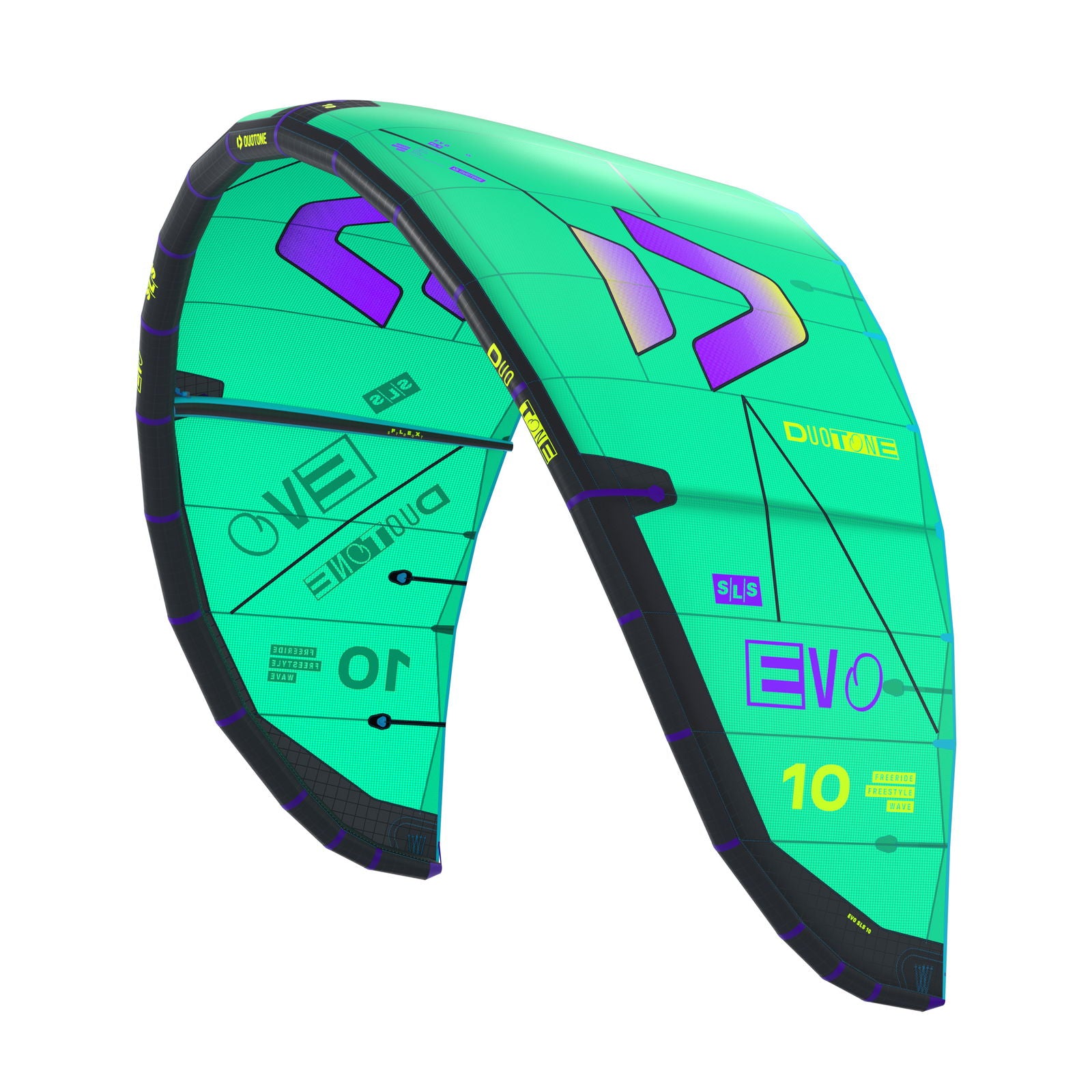
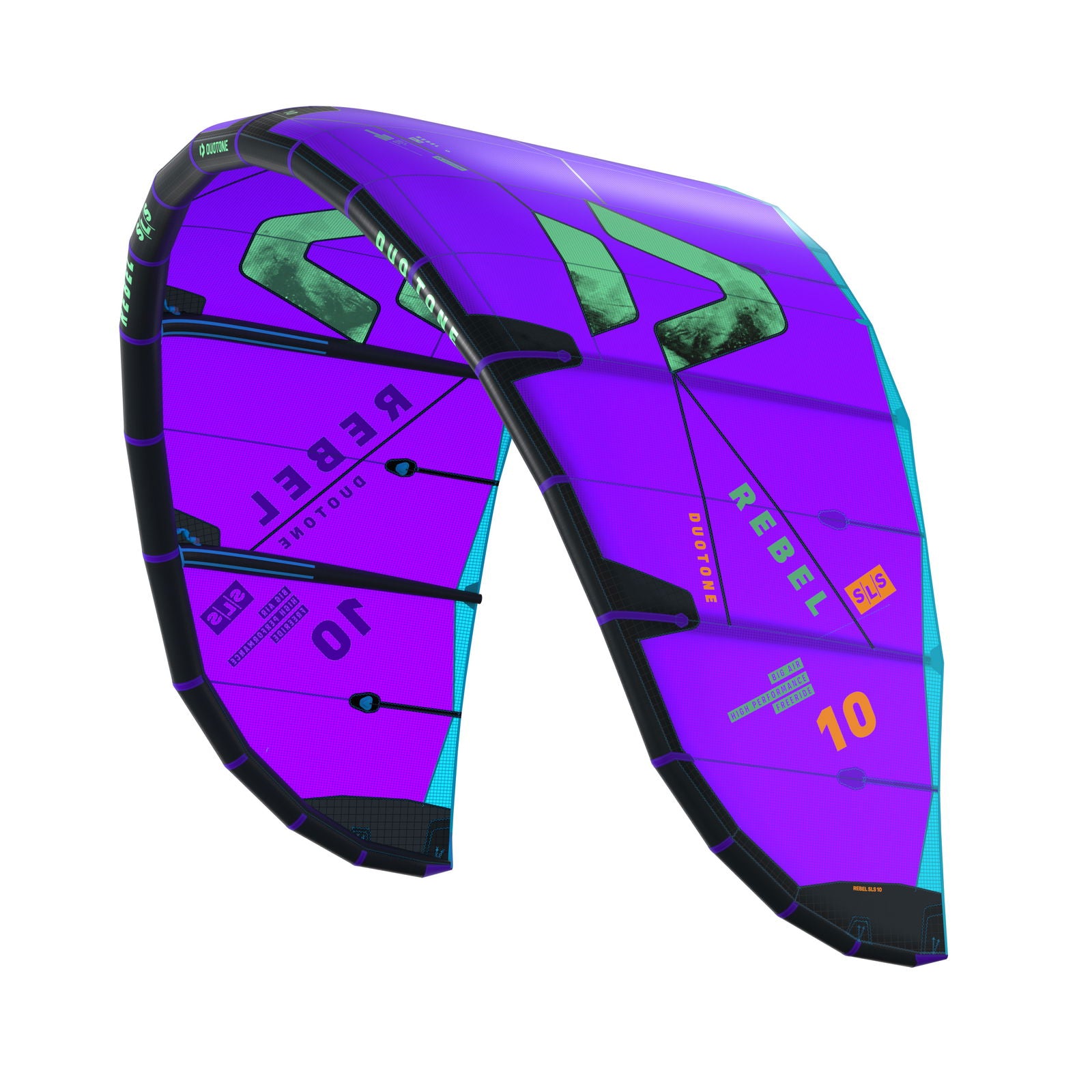
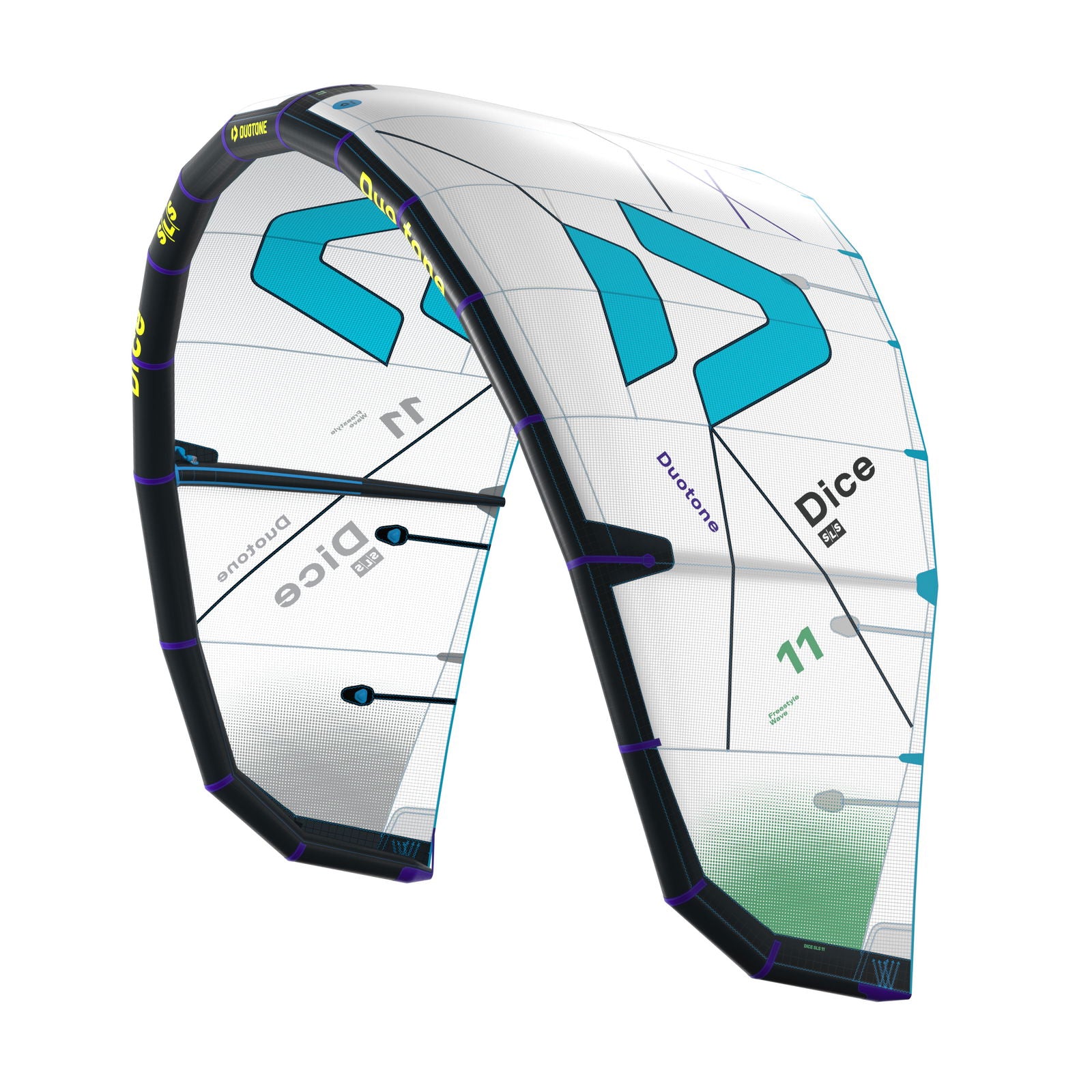
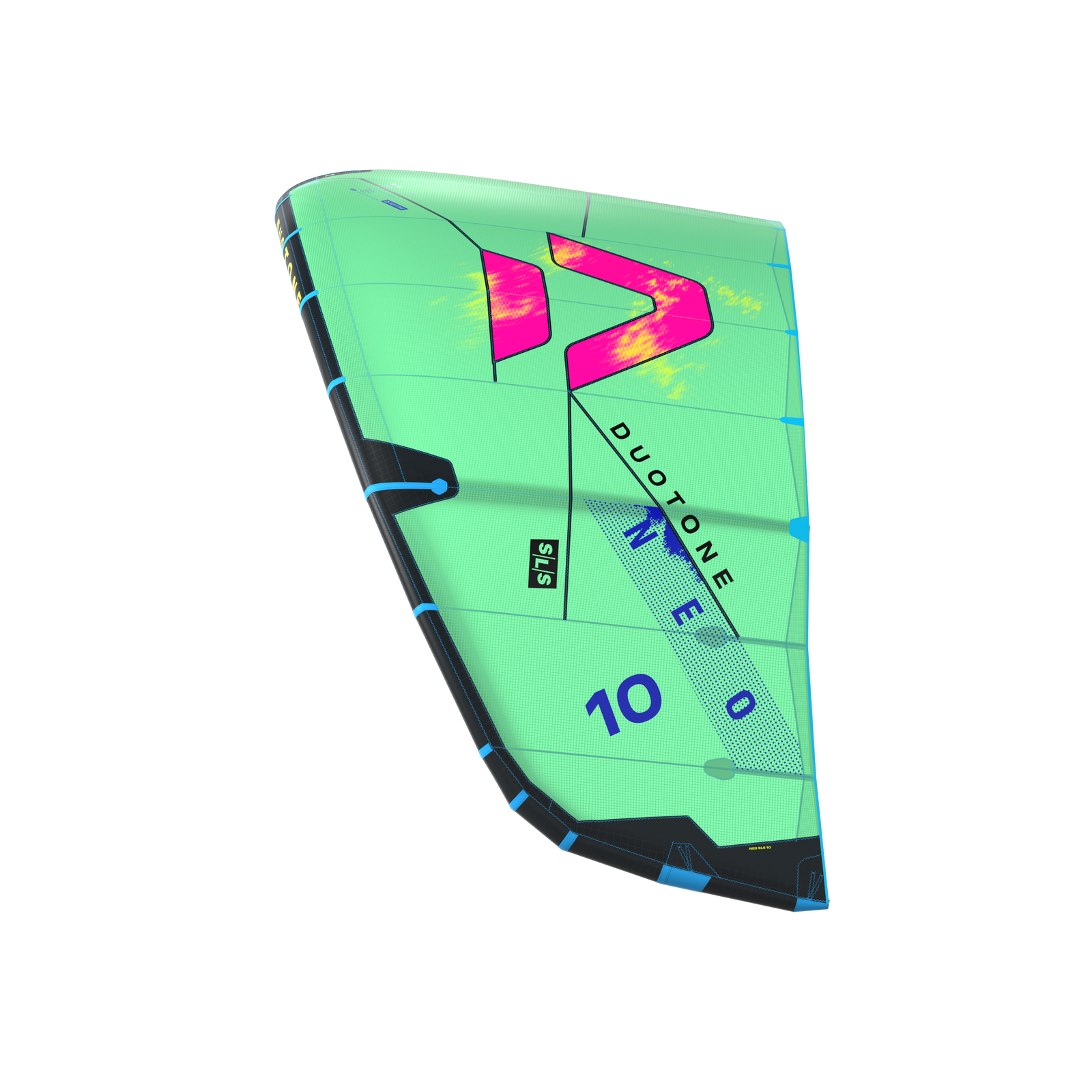
Prices and 2026 specs are pulled live from each product page. Confirm on the product page before checkout.
04 — MistakesThree mistakes we see every week
Ready to Find Your Wave Kite?
Browse our full range of wave kites and find the size and brand that fits your local breaks.
Frequently asked
Start with 9–12 m² in 12–20 knots. If you weigh under 70 kg, a 9 m² is plenty. As you improve, drop to 7 m² for stronger winds and choppier conditions.
You can, but it'll compromise both. Wave kites are tuned to turn fast and forgive chop. Freestyle kites are built for flat water tricks. If you're serious about waves, invest in a dedicated wave model like the Duotone Evo SLS.
You need at least 12 knots to get going; 15–25 knots is the sweet spot. Check a local wind forecast before you head out. Swell matters too—you can work with smaller wind if you've got 4-foot swell pushing you.
Not yet. Stick with an all-around freeride kite (like the Duotone Dice or Neo) until you're riding waves regularly. Once you're going out two or three times a month in swell, a dedicated wave kite makes sense.