How Many Lessons to Learn Kitesurfing? — Realistic Breakdown
Most riders need 12–15 hours across 4–6 lessons to ride independently. The real timeline depends on your fitness, wind luck, and how fast you absorb kite control.
Plan for 4–6 lessons (roughly 12–15 hours total) over 2–4 weeks in steady wind. We've shipped kites to riders across Europe and Africa—the ones who progress fastest combine fitness with water confidence, not just lesson hours. Start on a 9 m² or 12 m² in 12–20 knots.
01 — Control FundamentalsLessons 1–2: Beach Mastery
Your first two lessons live on sand. You're learning kite angle, wind window, and how to launch without eating it. Most instructors start with a 9 m² or 12 m²—big enough to feel pressure, small enough to stay safe if you panic.
By hour 4, you'll recognize wind shifts, control the kite one-handed, and understand why flying it edge-on kills power. You won't be in the water yet. That's normal. Marko, our buyer, remembers spending his entire first day on the beach with a Duotone kite before touching water—and he's glad he did.
02 — First Rides & MomentumLessons 3–4: Water Entry and Progression
Now you're in the water with a bar in hand, a board underfoot, and a kite doing its job. Lesson 3 is chaos—you'll probably fall more than ride, and your arms will ache. Your instructor will dial the kite angle constantly. You're not fighting the kite anymore; you're working with it.
By lesson 4 (hours 10–12), you'll string together five or ten consecutive metres. Your body starts to understand the rhythm: kite up for power, edge the board, let the bar do the work. You're not riding unhooked yet. You're not doing tricks. But you're riding.
03 — Our picksWhat Happens After Lesson 4
Once you're riding, you stop needing lessons and start needing kites. Most independent riders carry a 7 m² for strong wind, a 9 m² for average days, and a 12 m² for light wind. We stock Duotone, Cabrinha, and Gaastra kites because they're built to last your progression—and beyond.
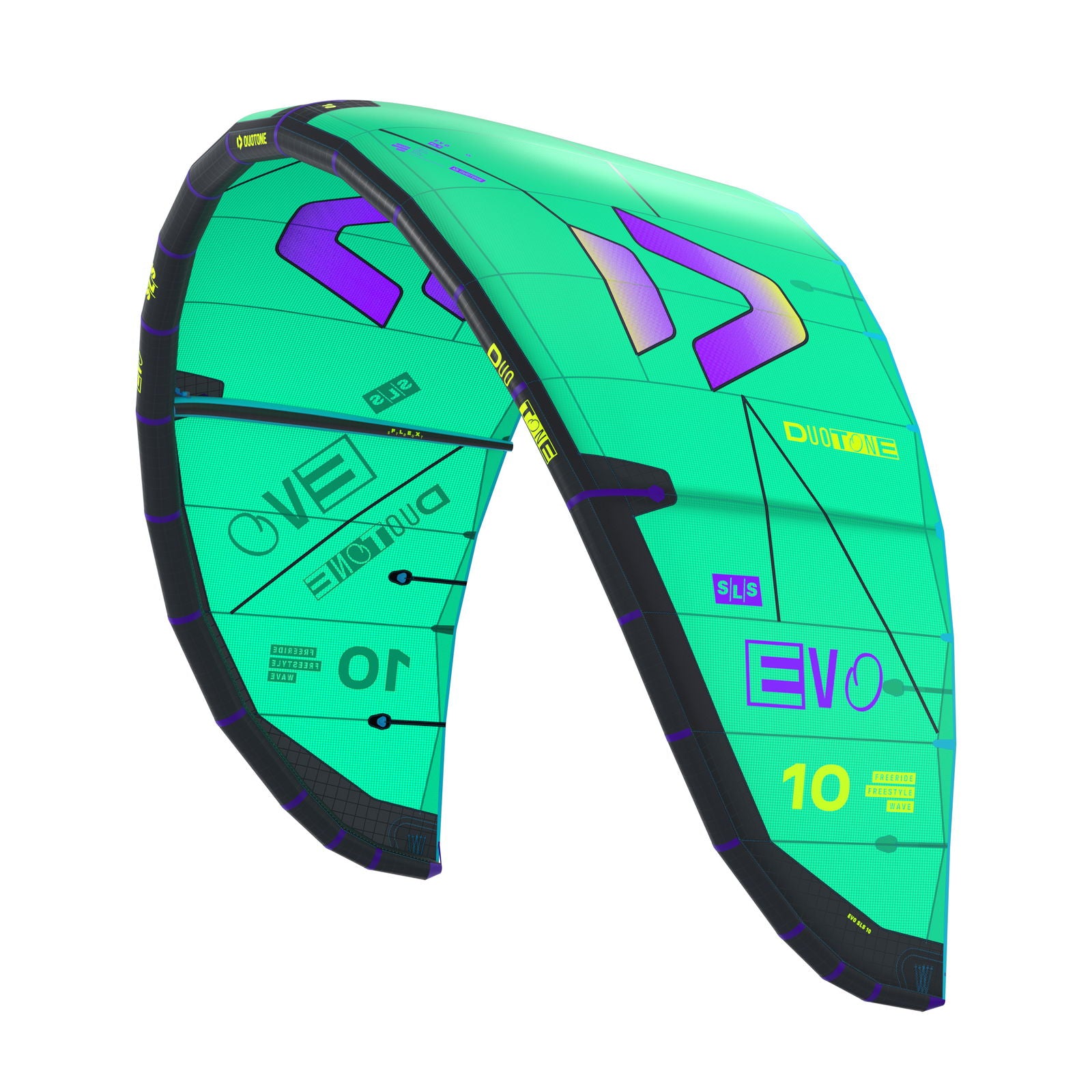
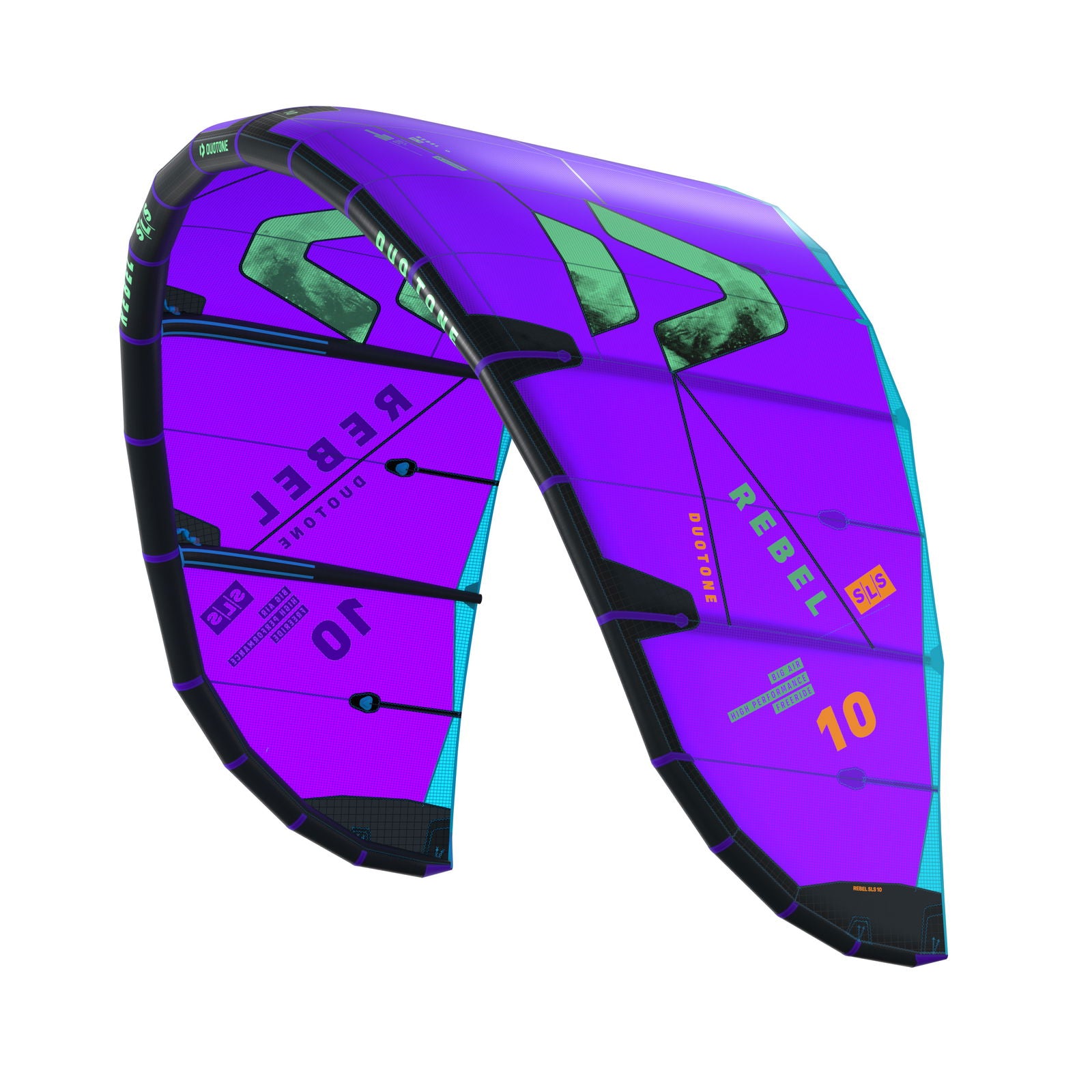
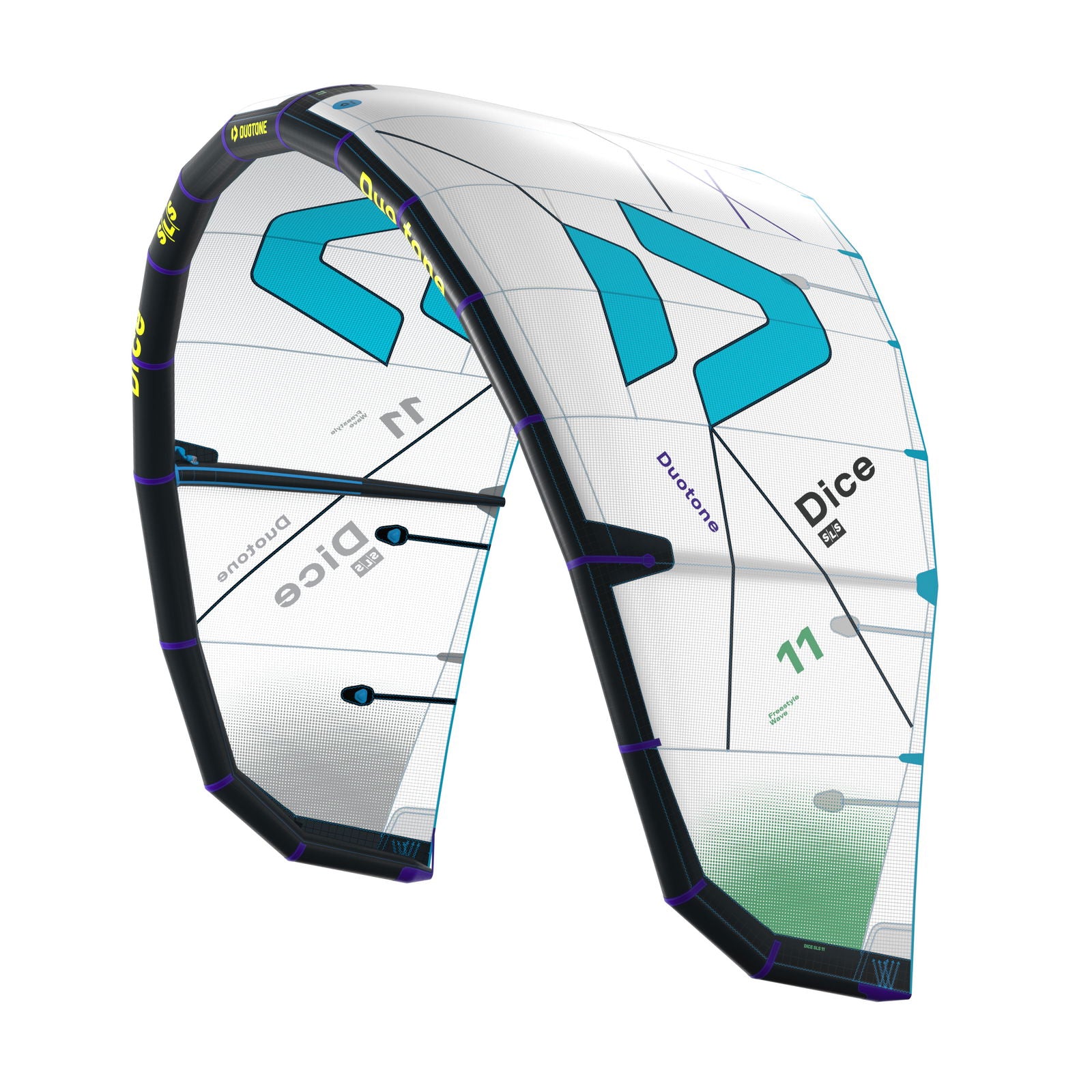
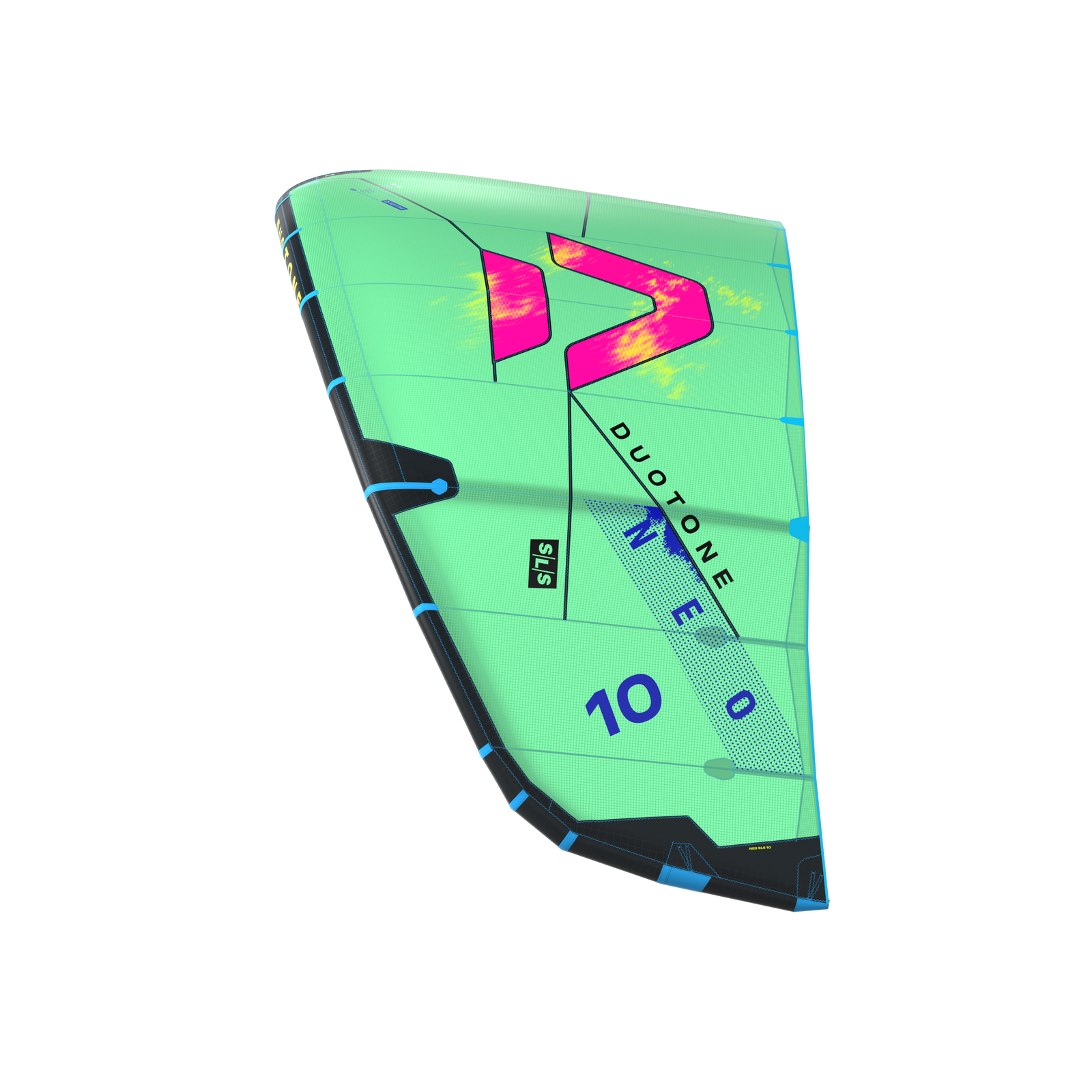
Prices and 2026 specs are pulled live from each product page. Confirm on the product page before checkout.
04 — MistakesThree mistakes we see every week
Ready to book lessons and gear up?
We stock beginner-friendly kites and boards from Duotone, Cabrinha, and Gaastra—all tested by riders learning right now.
Frequently asked
Theoretically yes, if you get 4–5 lessons in consistent wind and you're athletic. Most riders need the spread across 2–4 weeks to let it stick. One week works only if conditions cooperate.
Start with 9 m² or 12 m² in 12–20 knot wind. Your instructor will tell you which. A 9 m² suits heavier riders or stronger wind; a 12 m² forgives mistakes better.
You don't need to be an athlete, but fitness helps. Core strength and water confidence cut lesson count by 1–2 sessions. Riders who swim regularly or do bodyweight training progress noticeably faster.
Lesson 2 is still beach work and shallow water. By lesson 4, you're riding in chest-deep water, chaining metres together, and starting to feel in control. The jump is huge.