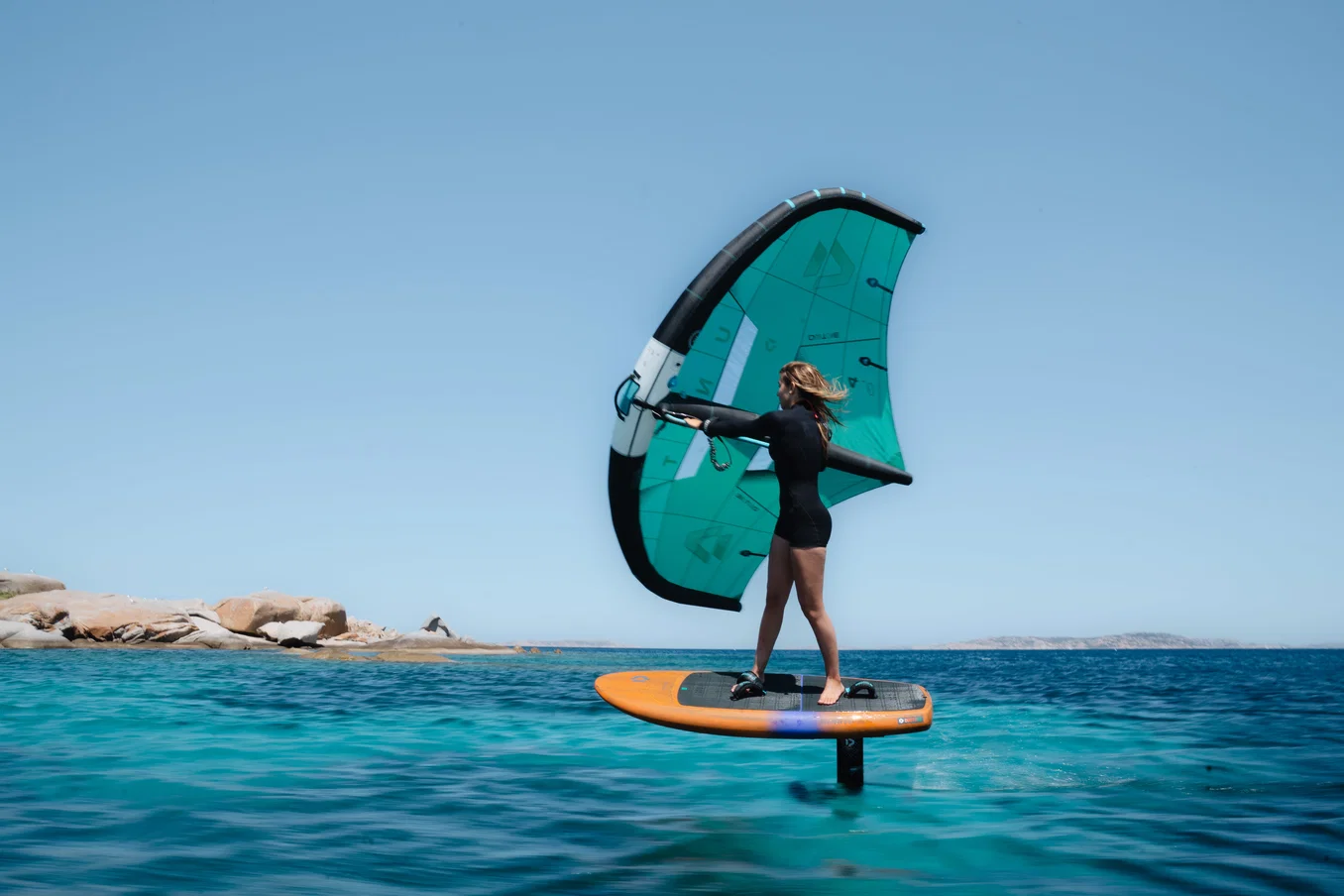
How to Windsurf Faster — Pumping, Trim & Speed Techniques
Speed on the water isn't about muscle—it's rhythm. Master pumping, nail your sail trim, and you'll feel the difference in marginal wind and strong gusts alike.
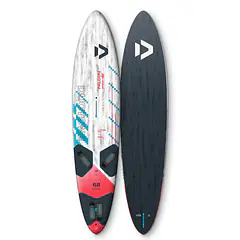
The three pillars of windsurf speed are pumping technique (rhythmic load-and-unload of the sail), aggressive trim (keeping your sail open and boom positioned at hip height), and dynamic weight distribution (shifting forward and back to match acceleration phases). Boards like the JP Slalom S-TEC reward these skills with direct feedback. Start with one technique, master it, then layer the others in.
01 — TechniquePumping: The Rhythm That Builds Speed
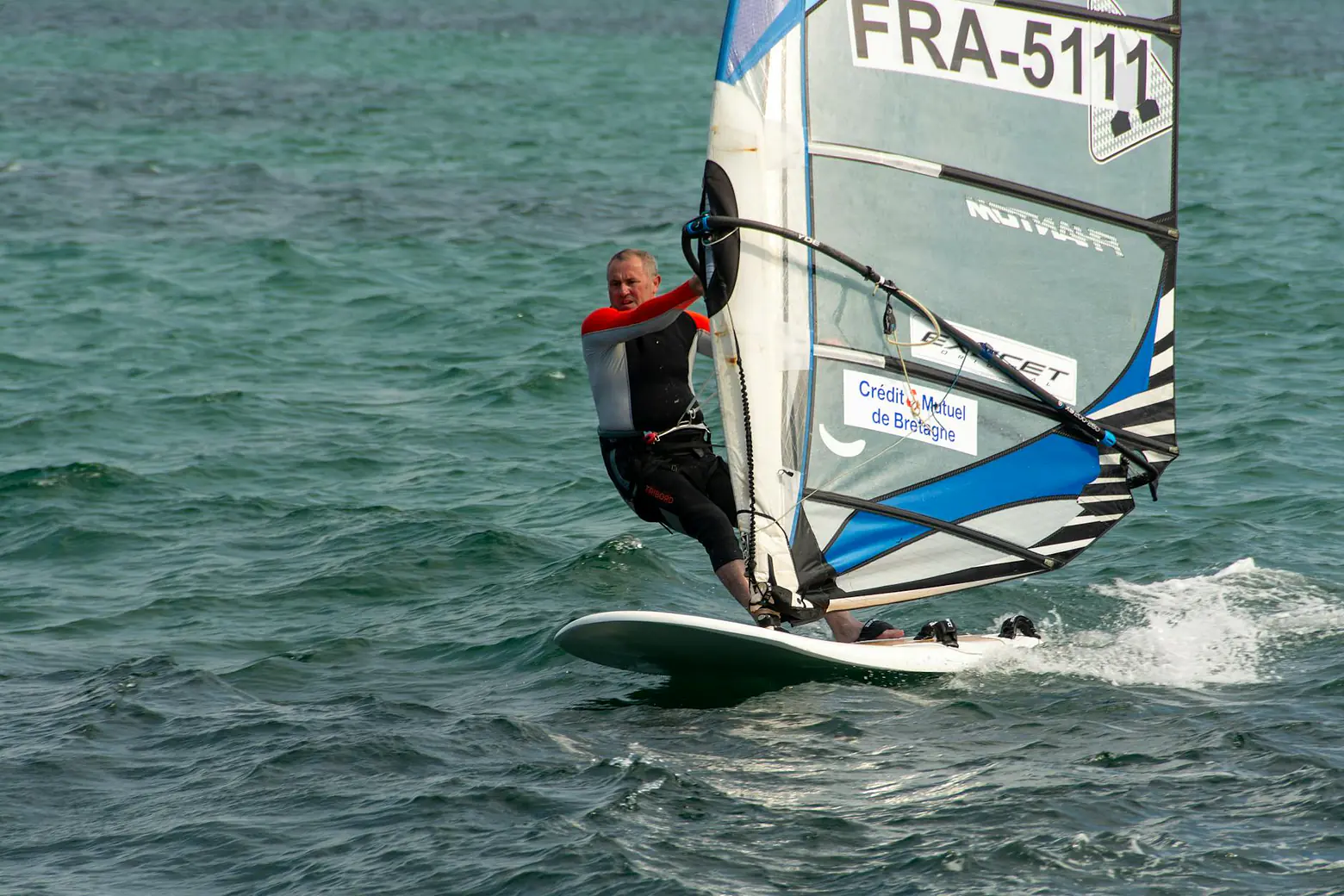
Pumping is a coordinated sequence, not a wild thrash. Pull the sail toward you with your back hand, shift your weight forward onto your front foot, then extend powerfully through your legs and back as you push the sail away. Timing is everything—each pump should sync with the sail's natural swing, not fight it.
In light wind (12–16 knots), pumping can genuinely lift you onto the plane when floating feels impossible. In stronger wind, it's less about survival and more about maintaining rhythm through wind lulls. You're not adding power that wasn't there—you're harvesting every gust more efficiently.
02 — SetupSail Trim & Boom Position: The Setup That Sticks
A stalled sail is a slow sail. Keep your sail as open (loose) as you can control—that backhand telltale should flow clean, not flutter or collapse. Your boom height changes everything: position it level with your hip or slightly below. Too high and you lose drive; too low and you're fighting the leverage.
Dynamic riders on boards like the JP Freestyle Wave PRO adjust trim mid-maneuver, tightening sheet into the turn and opening it as they accelerate out. That habit, built over time, becomes automatic. On a wave-focused board, this responsiveness shines.
03 — Our picksWeight Distribution: Where Speed Really Lives
Speed lives in your feet. Shift forward during acceleration, back during gliding—don't plant yourself midship and hope. A board that rewards this sensitivity, like the JP Funster Sport EVA, will teach you the feeling faster because every micro-shift shows up in how the board tracks.
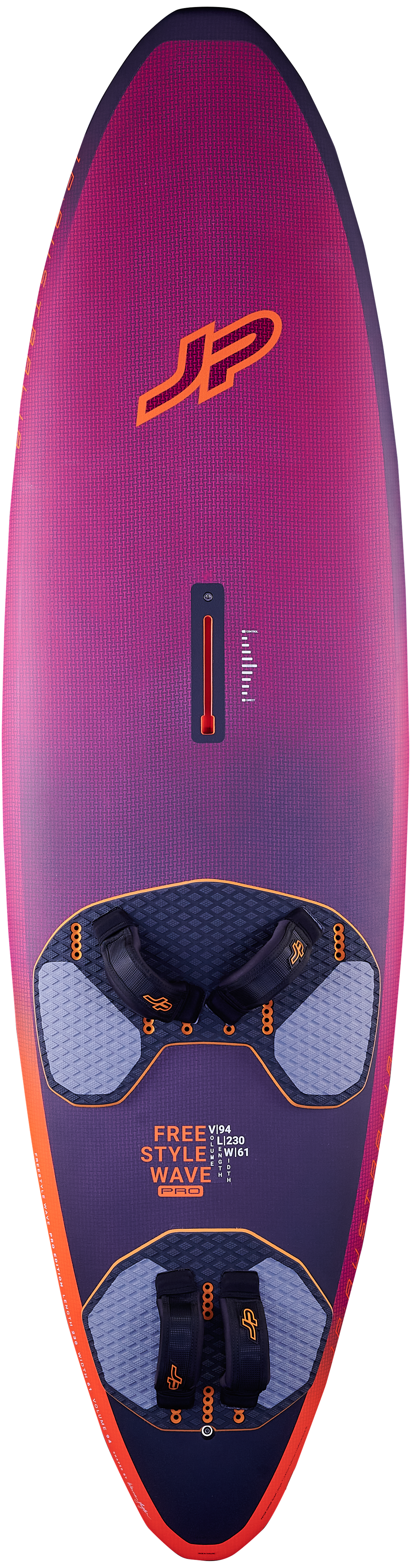
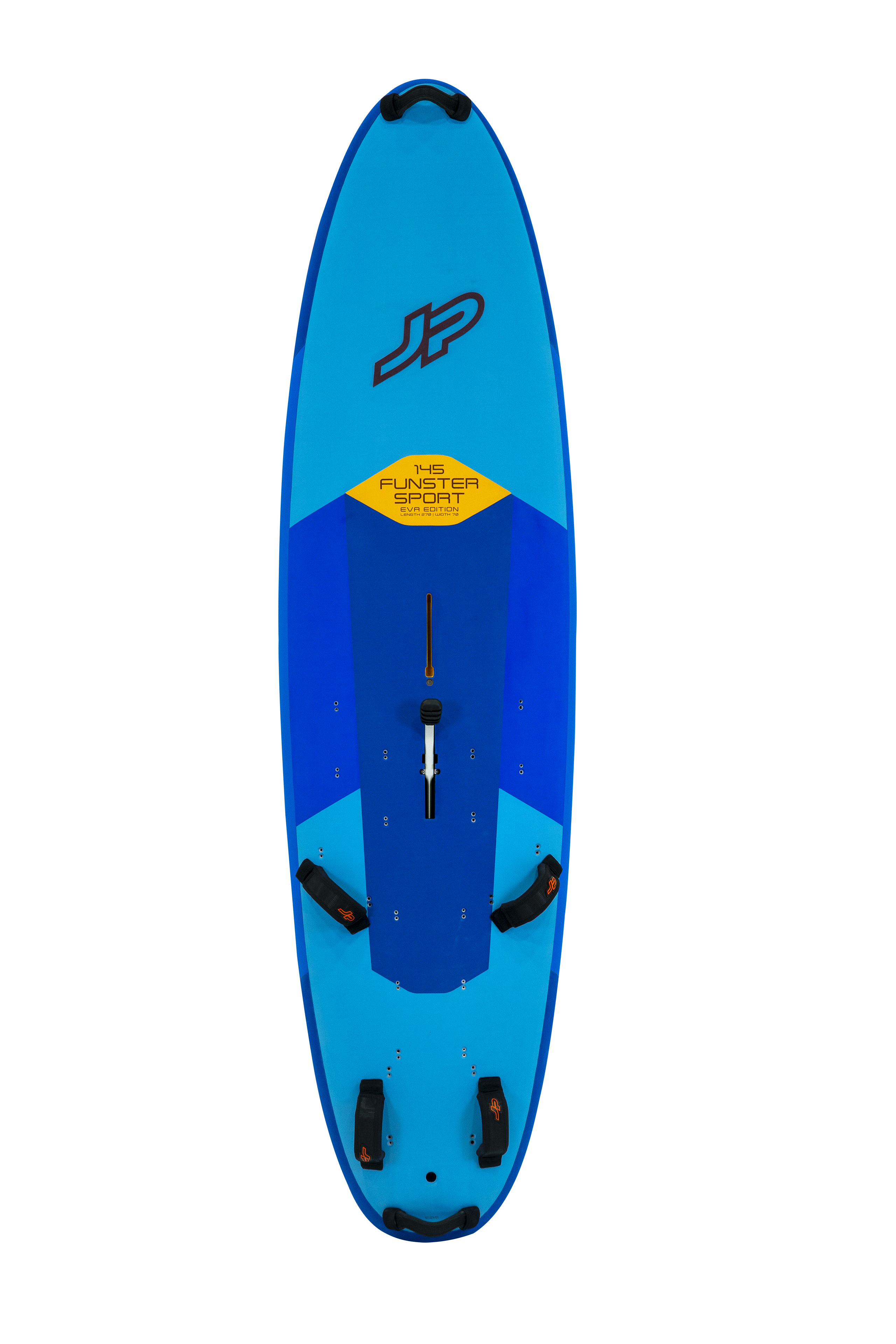
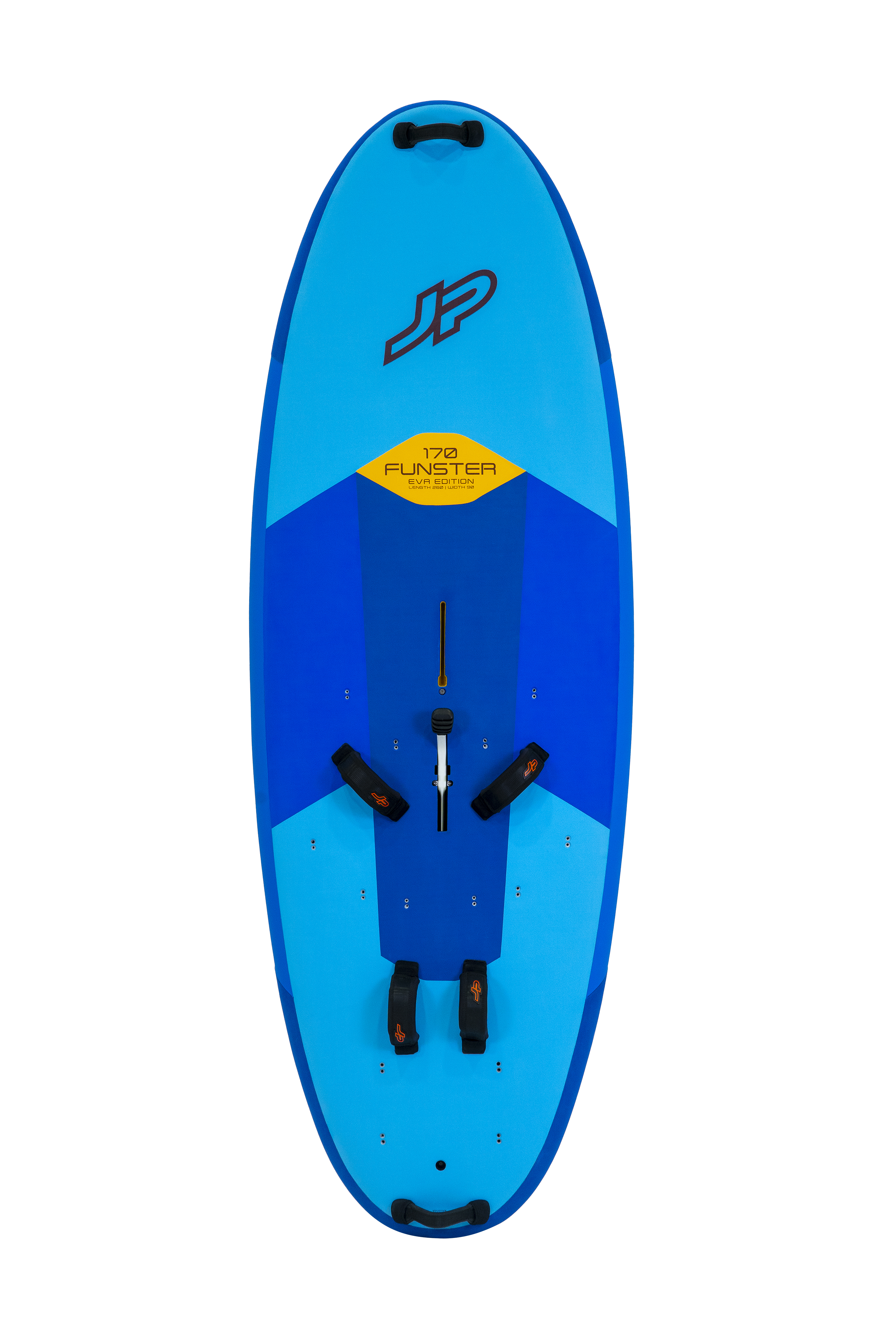
Prices and 2026 specs are pulled live from each product page. Confirm on the product page before checkout.
04 — MistakesThree mistakes we see every week
Ready to feel the difference?
Browse our windsurf board range and find the shape that rewards technique.
Frequently asked
In light wind, pump on every gust. In strong wind, pump through lulls or turns. The goal is rhythm, not exhaustion—quality beats frequency.
Yes, but the payoff changes. In 12–18 knots it's transformative; in 25+ knots it's fine-tuning. You'll see the most dramatic gains in marginal conditions.
Hip height or slightly lower. Experiment in your local wind—too high kills drive, too low locks you in. You'll know when it's dialed.
Any board will teach you, but a responsive freeride or slalom shape (like the JP Funster EVA) gives you clearer feedback on what's working.