Kitesurfing in Spring & Autumn Europe — Shoulder Season Guide
Spring and autumn in Europe aren't trade-wind seasons—wind swings from flat to 25 knots in an afternoon, water stays cold, and you'll need two kites to handle it. This guide tells you exactly what to pack and why.
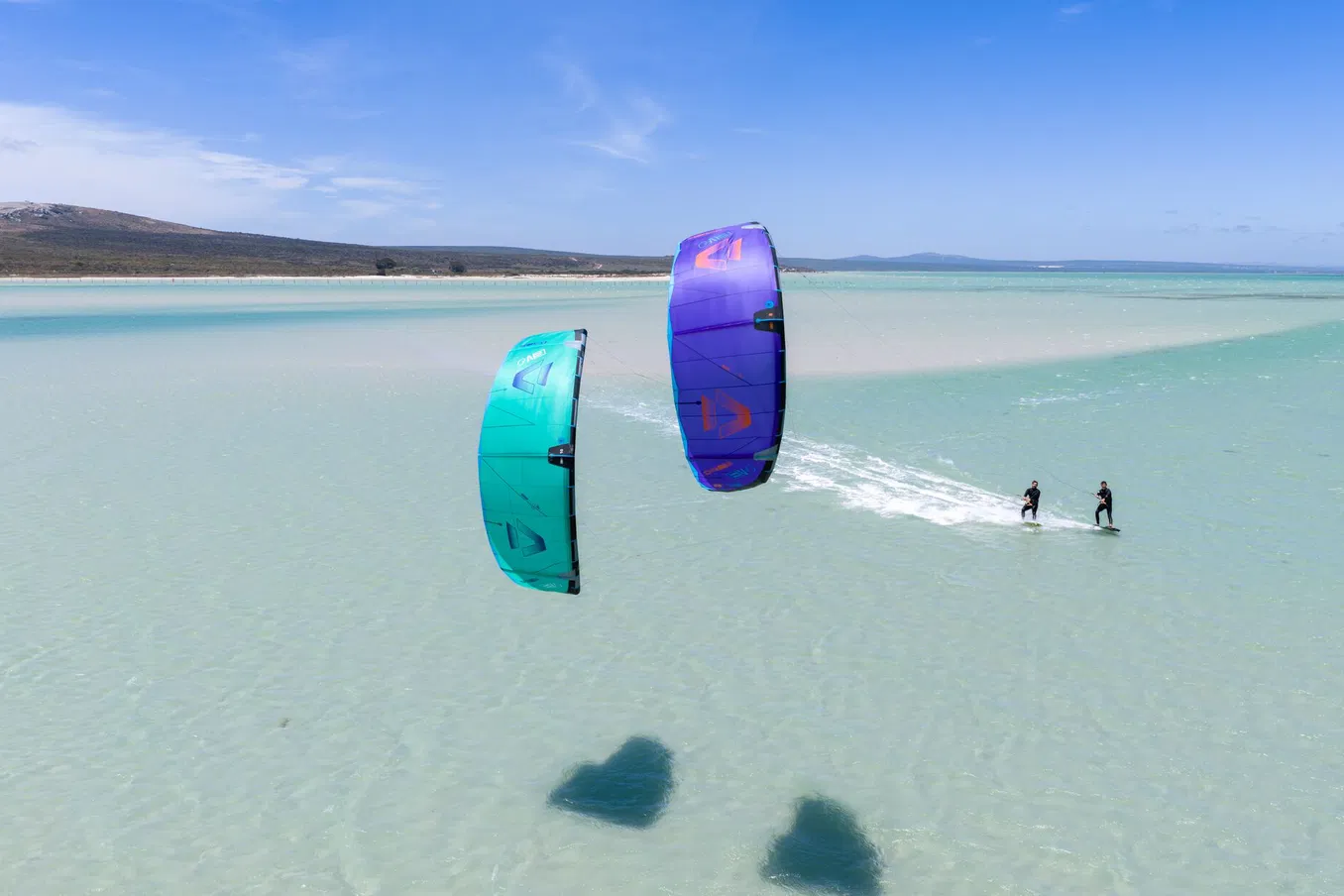
Shoulder seasons demand two kites (typically 9 m² and 12 m²), a winter-weight wetsuit (4/3 or 5/4 mm), and gear that forgives sudden gusts. Thermal winds in spring and Atlantic swells in autumn mean conditions shift hourly. We've stocked Duotone's 2026 range because they're built for this unpredictability.
01 — Thermal vs. AtlanticWhy Spring & Autumn Wind Feels Chaotic
Spring thermals are honest: as land warms faster than sea, you get predictable afternoon wind building from 10 knots to 18+ by 3pm. But it dies completely at dusk. Autumn? Atlantic lows push through and flatten conditions one day, then deliver 28 knots the next with cross-shore gusts that'll pin you.
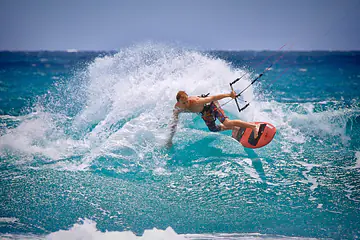
Neither season gives you the steady 15-knot sweet spot. You'll see mornings glassed-off completely, midday switch to 12 knots cross-shore, then evening thermals jack it back to 20. This is why riders from Tarifa to the Baltic tell us they treat spring and autumn like two different sports.
02 — What sizes, why it mattersThe Two-Kite Strategy
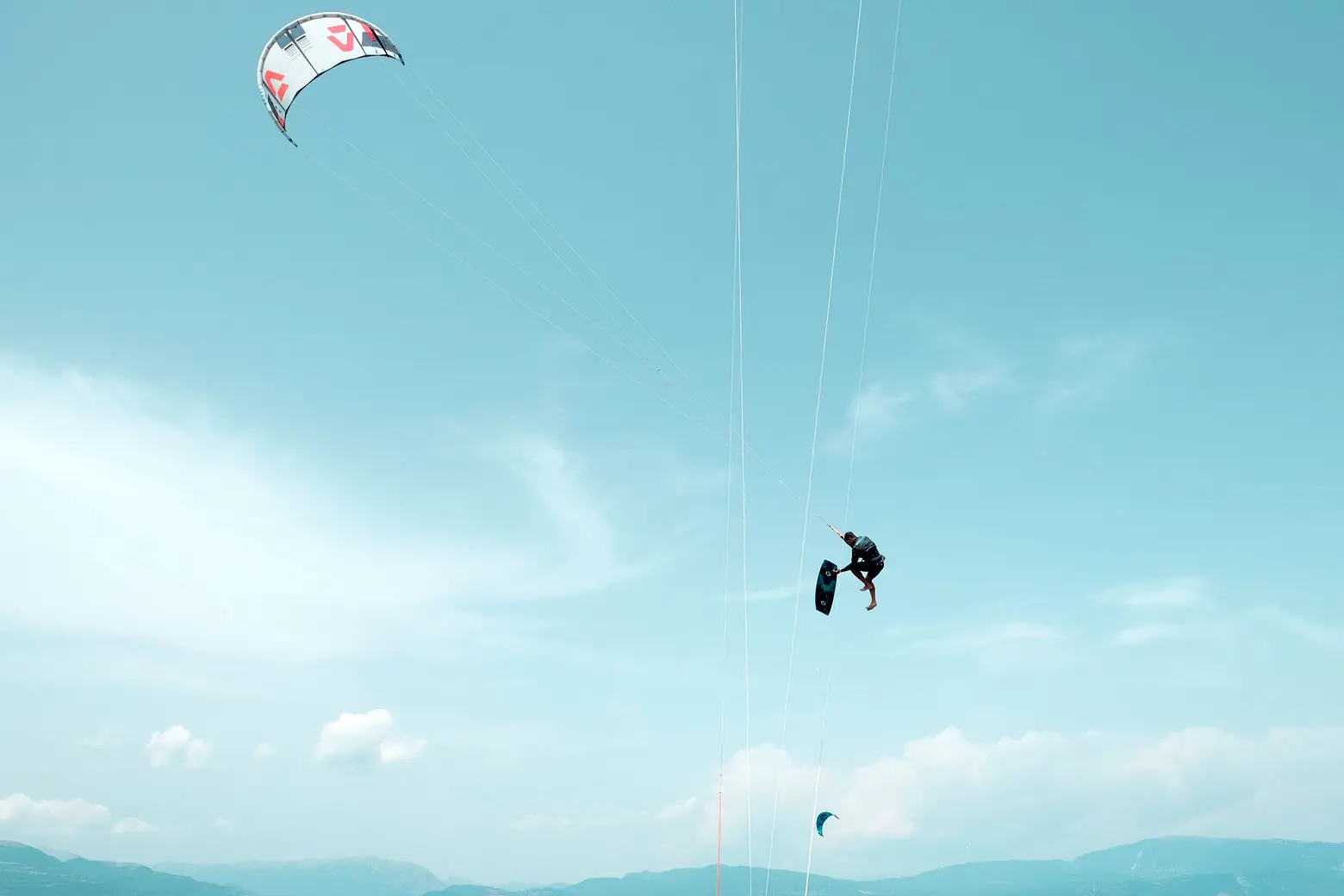
A single 11 m² or 12 m² kite will leave you stranded. Light morning wind? The kite loops. Three hours later, a gust hits and you can't depower enough. That's frustration.
Instead, carry a 9 m² and a 12 m². The 9 m² handles the 20-28 knot gusts and gives you response when thermals spike. The 12 m² locks in 12-18 knot windows and keeps you riding when others are wading. In spring, you'll fly the 12 m² most mornings and switch to the 9 m² by afternoon. Autumn? Expect to swap kites three times in a single session.
03 — Our picksOur 4 In-Stock Picks for Spring & Autumn
We've chosen Duotone's 2026 lineup because they handle chaotic thermals and gust-heavy Atlantic windows without asking you to be perfect. All four forgive sloppy slack-line moments and keep you in control when the wind jumps.
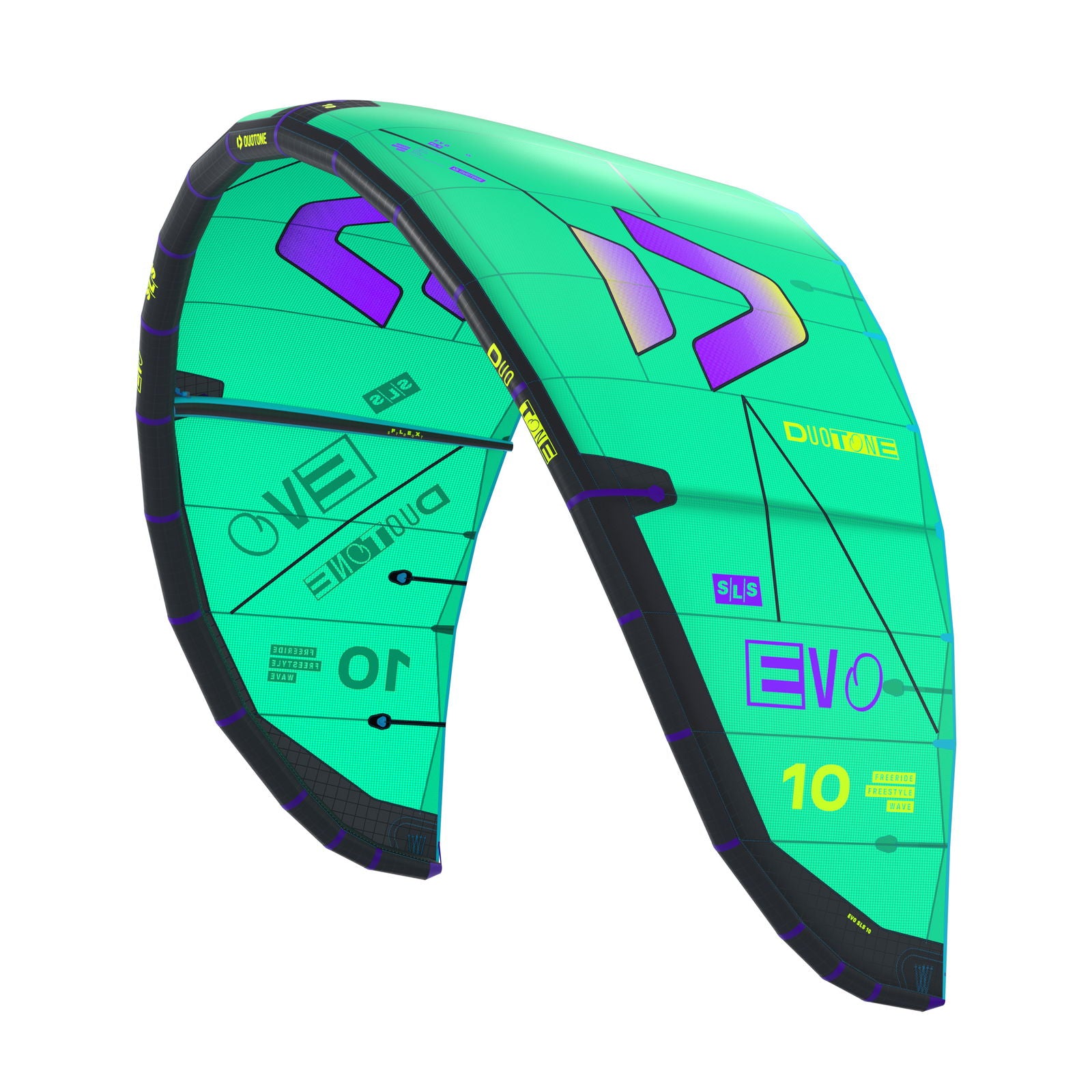
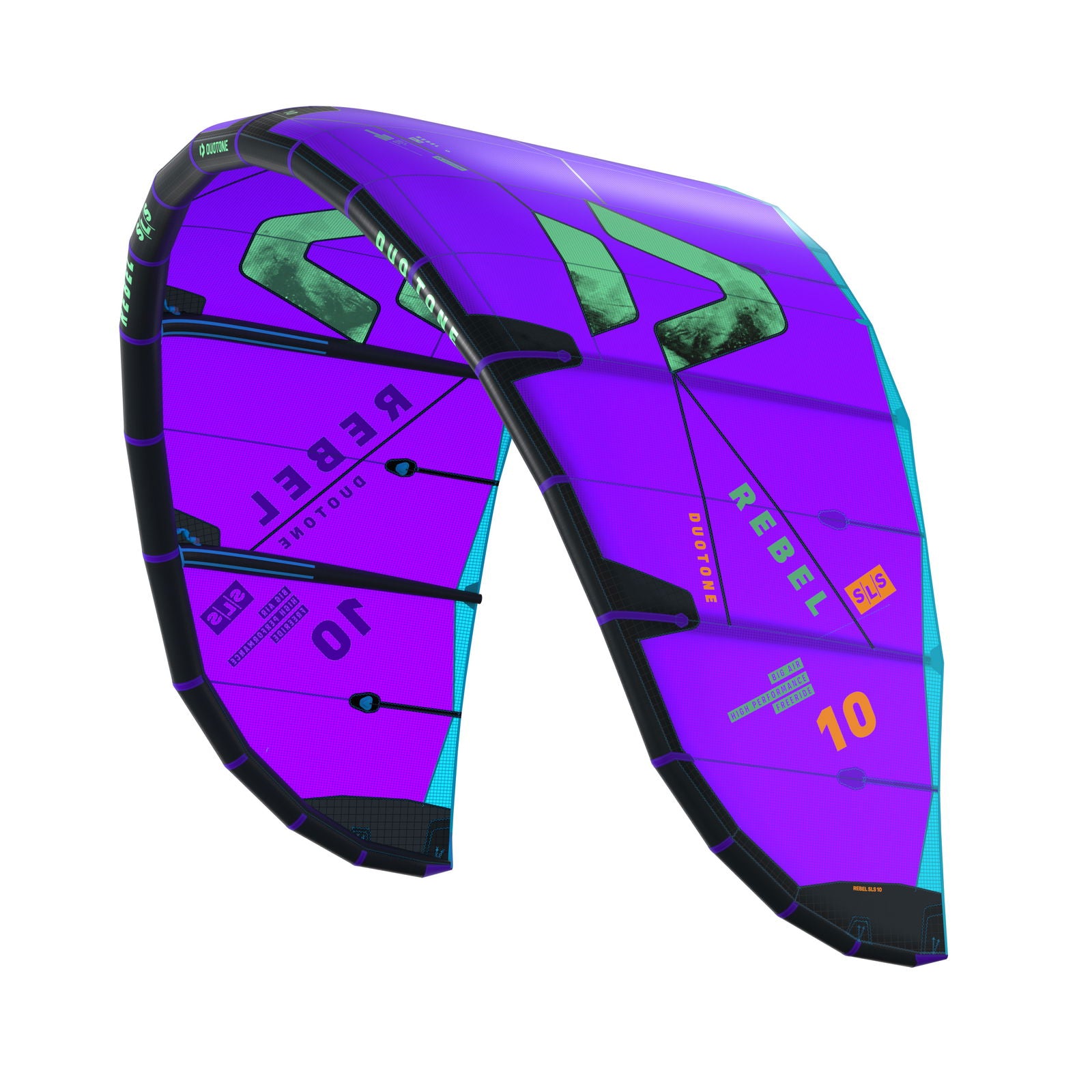
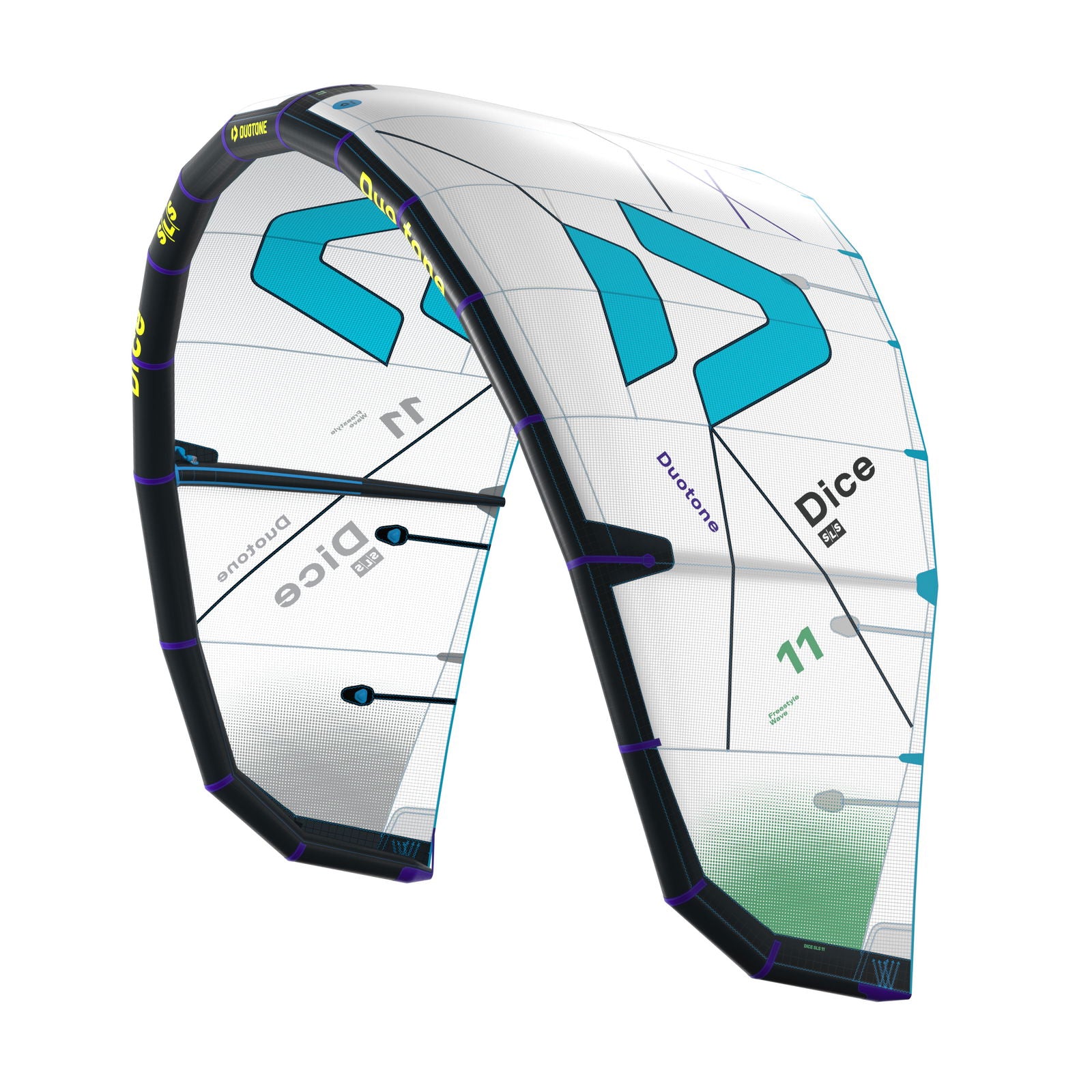
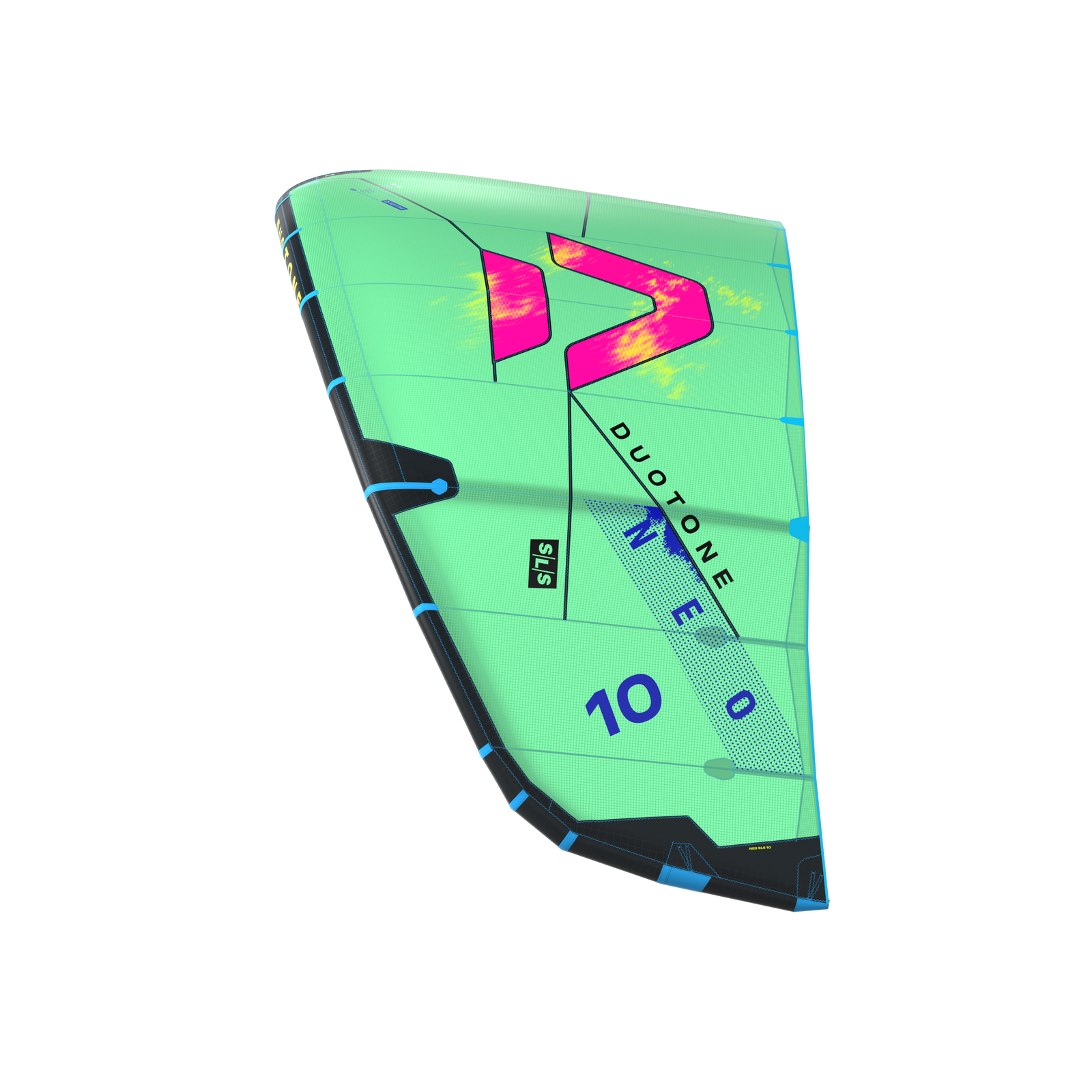
Prices and 2026 specs are pulled live from each product page. Confirm on the product page before checkout.
04 — MistakesThree mistakes we see every week
Ready to lock in your shoulder-season quiver?
Browse our full Duotone, Cabrinha and Gaastra range—all in stock, all tested for European conditions.
Frequently asked
A 12 m² Duotone kite will lock in that window. Pair it with a 9 m² for the afternoon gusts, and you're covered all day.
We only stock 2026 Duotone models. The design tweaks—especially the bridle tuning—make a real difference in shifty European wind.
Not reliably. You'll get stranded in flat mornings or overpowered when gusts hit. Two kites costs more upfront but saves frustration every session.
Go 5/4 mm for safety. 4/3 mm works if you're riding back-to-back sessions and warming up, but 5/4 mm lets you focus on conditions, not cold.