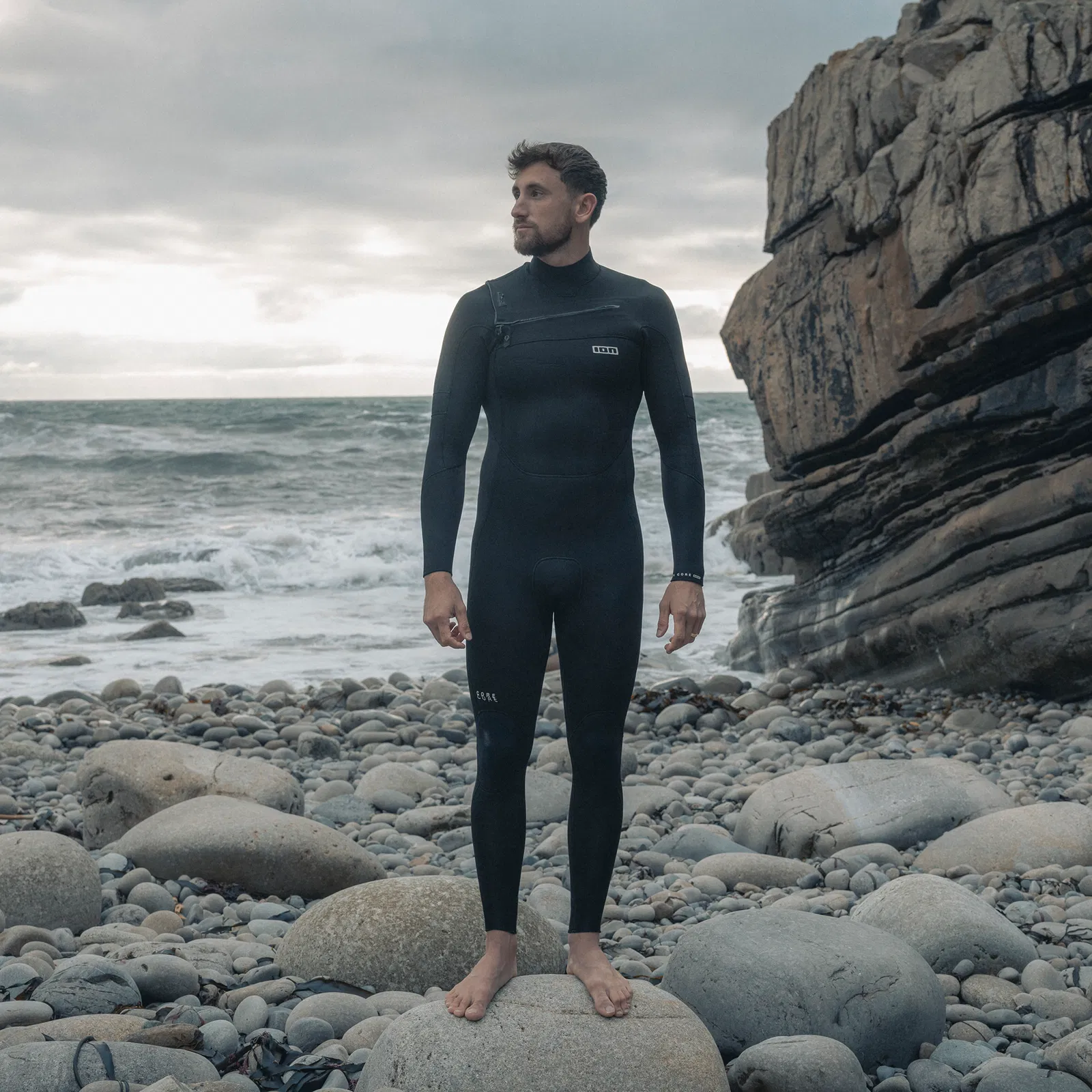
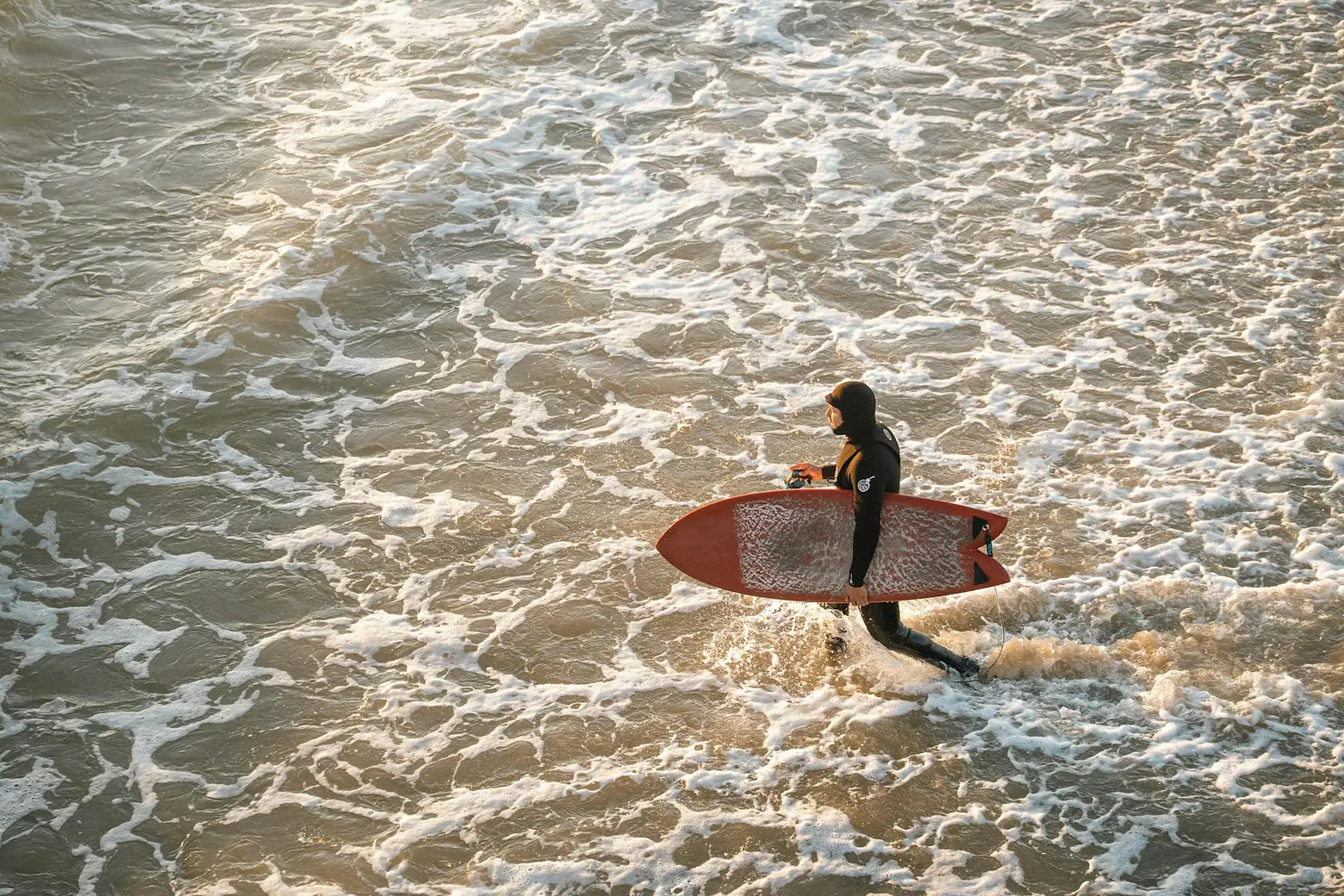
How to Choose a Wetsuit — Temperature & Fit Guide
Water temperature is the only real rule for choosing a wetsuit thickness. Get it right, and you'll stay warm for hours. This guide shows you exactly how to match thickness to your conditions and find a suit that actually fits.
Match thickness to water temperature: 2/2 mm for summer (16–20°C), 3/2 mm for spring/autumn (12–16°C), 4/3 mm for winter (8–12°C), and 5/4 mm for cold water (below 8°C). Then prioritize snug fit with no air gaps at neck, wrists, or ankles. Our buyers recommend the Neilpryde Serene or Rise if you're unsure—they're cut generous for different body shapes.
01 — ThicknessReading the Numbers
The numbers on a wetsuit—like 4/3 or 5/4—tell you neoprene thickness in millimeters. The first number is torso thickness, the second is arms and legs. A 4/3 means 4 mm on your chest and back, 3 mm on your arms and legs. That's where you need the most insulation because your core dumps heat fastest.
Water temperature, not air temperature, is what matters. A 15°C day in autumn feels cold but you're not shivering until the water hits you. That's your real gauge. Below 8°C, go 5/4. Between 8–12°C, a 4/3 keeps you comfortable for 2–3 hours. If you're regularly paddling in warmer springs or summer (16–20°C), a 2/2 or 3/2 is plenty. We've shipped thousands since 2003 and the biggest mistake is overdressing—you'll overheat on land and restrict movement in the water.
02 — Fit & ComfortGetting the Fit Right
A wetsuit is only as warm as the water it traps. Baggy = water flushing in and out with every movement. Tight = numbness and restricted paddling. You want snug but not strangling. Check the neck, wrists, and ankles first—those are where cold water sneaks in. You should fit one finger under the neck seal. Wrists and ankles should feel firm but not cutting off circulation.
Different brands cut different. Neilpryde's Serene runs generous in the shoulders and chest, so it suits broader frames. The Rise is their straight-fit option—slimmer through the torso. Try both if you can. Arms should flex without bunching fabric at the armpits. If you're between sizes, go down—neoprene stretches about 5% once it warms up.
03 — Our picksOur 4 In-Stock Picks
We stock Neilpryde fullsuits because they balance warmth, durability, and fit across different body shapes. Pick your water temp, then choose your cut.


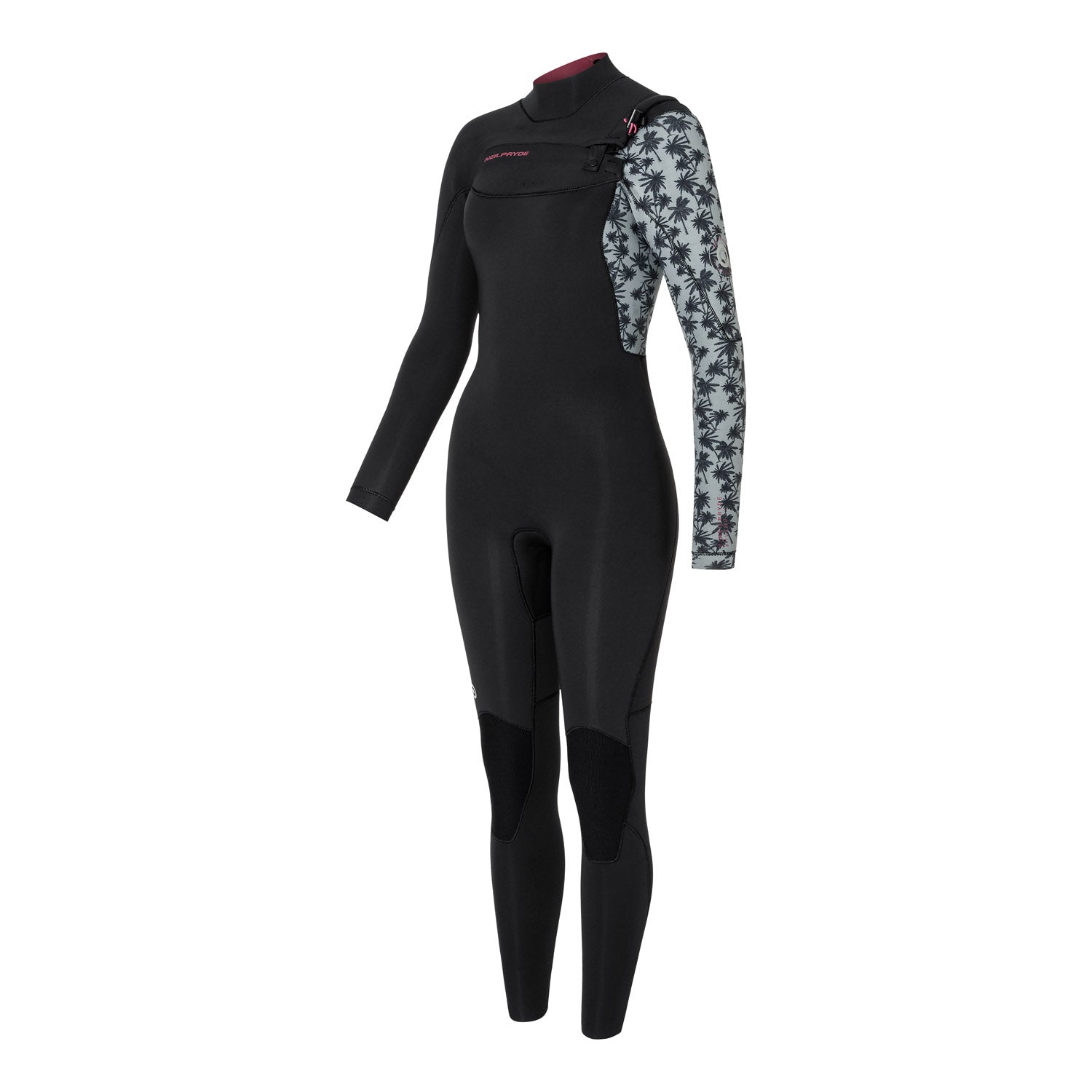
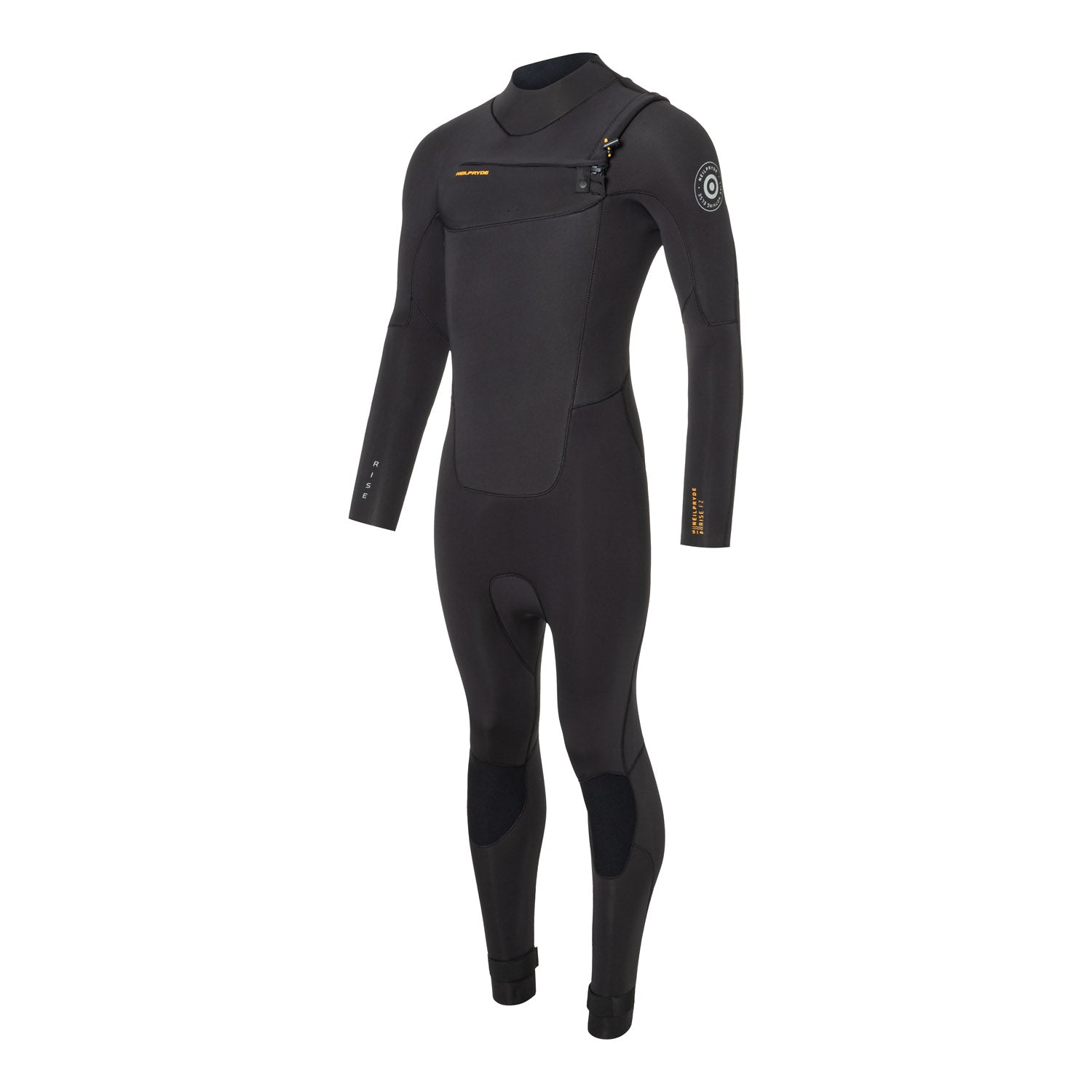
Prices and 2026 specs are pulled live from each product page. Confirm on the product page before checkout.
04 — MistakesThree mistakes we see every week
Ready to stay warm?
Browse our full wetsuit range and filter by thickness and water temperature to find your match.
Frequently asked
A 3/2 mm or 4/3 mm. Most riders prefer 4/3 for that range because you'll be out for a couple hours. 3/2 works if you're only paddling 45 minutes.
Not comfortably for long. You'll overheat on land and in shallow, sun-warmed water. Save it for winter (below 12°C).
Chest (under arms), waist, and inseam. Check the Neilpryde size chart on each product page—it's based on real measurements, not S/M/L guessing.
A fullsuit covers everything and works year-round. Spring suits (sleeveless or short-arm) are cheaper but only work 15–18°C water. For most of Europe, go fullsuit.